


Category Archives: Surgery
Facetectomy in India: Things to Consider While Going For the Surgery
Planning Your MedicaTrip to India?
Joint Replacement Surgery Hospital India makes it simple:
- Fill in our enquiry form — our executive will contact you shortly.
- Call us anytime: +91-9860432255
- Complete surgery details are available on our website.
Facetectomy Overview
Facetectomy in India is an example of spine surgery that may be recommended for patients who experience chronic pain as a result of nerve compression in the spinal column. This is a form of surgery where the spine specialist removes the vertebrae joint either in whole or in part.
How do I know if I am a good candidate for Facetectomy Procedure?
This form of surgery needs to be performed on the right patients, but it is not for everyone. To be an ideal candidate one should consider the following features
- If you are on the lookout for a young and jovial look
- You want to enhance your personal features, and it should be natural and permanent at the same time.
Check out the Patient Testimonial, where the patient shares about their success stories from treatments through Joint Replacement Surgery Hospital India.
Hi, I am Charles Mabiza from Zambia. I lived with chronic back pain for more than 20 years and my doctor recommended me for surgery. Lack of basic amenities and medical infrastructure in my native country wasn’t enough to accomplish my treatment. I started searching for a better treatment option abroad. Luck would have it, I came through your website and after contacting gave my confirmation to visit India for my surgery. At the airport, an official came to receive me and took me to the hospital, where I met my surgeon. He was a gentleman and explained everything prior to the surgery. He made me feel easy and comfortable. The nurses were quite compassionate and caring. My surgery went smoothly. I want to thank everyone, including the healthcare group, my surgeon and nurses for helping me throughout my entire medical tour to India.
Facetectomy Procedure & Recovery & Effectiveness
Facetectomy in India reviews of patients who have gone under the knife include
- A large incision is made to expose the joint space
- The muscles are disrupted around the joint to gain full access
- Occassionally, the implants are installed around the joint to encourage stability
- The ligaments are attached, and then the incision is sewn cut.
When you undertake Free Consultation Facetectomy in India you will be briefed about that the fact that since it is an invasive procedure, the recovery period is a bit larger as well as the trauma attached to the connective tissue. Once the muscles and the ligaments heal, the recovery process is undertaken to complete the full healing. One needs to understand that it removes the portions of the joint that tend to cause the compression.
Are you looking for Affordable Cost of Facetectomy Surgery in India?
Please enquire with us Get a “No Obligation Quote”
Why Opting Facetectomy is necessary?
It is important to understand that Facetectomy is not only the option of pain relief. In most cases the doctor will resort to non surgical methods in the form of heat or physical therapy, pain medication, etc. When these treatment options fail to yield the desired results then surgery is the only viable option left.
Why to choose an Indian Hospital for your Facetectomy?
Indian hospitals have been a lifeline for thousands of patients not only from India but worldwide. Apart form Affordable Facetectomy in India there are some other features which you need to look upon in the Indian hospitals which are
- The corporate hospitals of the country provide you with the highest standards of medical and surgical care
- Most of the hospital staff are fluent in the English language
- When you compare it to the rest of the world, the waiting time for your turn of surgery is less. In some cases you can get admitted and get the surgery the same day
- The Indian nurses are compassionate and trained in the world.
Facetectomy Cost in India
Low cost Facetectomy in India does not mean that the quality of health service is bad. It means quality service is provided at the lowest cost possible. Thousands of medical tourists look up to this as when it comes to the question surgery, it happens to be a lifetime decision. The safety and comfort of the patient tend to rule over matters. The surgeons in India have a proven track record and you can be rest assured of the fact that you are in safe hands when you get the surgery done in India.
If you are really seeking Corpectomy, kindly fill up the form for a free consultation with our surgeons. You will be provided with thorough analysis and suggestions regarding the Corpectomy you are seeking.
FAQ’s
Some of the more common spine surgery procedures are minimally invasive such as discectomy, decompression and fusion. For compression fractures there are kyphoplasty and vertebroplasty. Cervical (neck), thoraric, and lumbar (lower back) fusions can also be done with modern instrumentation. For decompression of the same parts (cervical, thoraric and lumbar), the popular options are discectomy, corpectomy and laminectomy. There are also anterior (front) and posterior (back) spine operations.
Cervical Corpectomy – A procedure that removes a portion of the vertebra and adjacent intervertebral discs to allow for decompression of the cervical spinal cord and spinal nerves. A bone graft, a metal plate and screws are used to stabilize the spine.
Joint Replacement Surgery Hospital India offers highest quality bone and joint health care with attentiveness, care and compassion to meet the needs of the patients and their loved ones. The medical team includes board-certified orthopedic surgeons who are familiar with all the aspects of the musculoskeletal system. Our hospital uses the most advanced technologies available for the orthopaedic procedures and has a lower complication rate.
You can most definitely choose hotels as per your convenience to you and your budget.
You can talk to the doctor and satisfy all your medical queries. You can also send us your queries for answers from the top doctors.
To know about the procedure of getting an Indian Medical Visa, please go to our website where you will find all the details regarding the initial procedure. You can also send us a query regarding the same.
Many hospitals in India have language translators to help you communicate better and effortlessly with the doctors and medical staff.
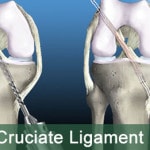
Anterior or Medial Cruciate Ligament
Planning Your MedicaTrip to India?
Joint Replacement Surgery Hospital India makes it simple:
- Fill in our enquiry form — our executive will contact you shortly.
- Call us anytime: +91-9860432255
- Complete surgery details are available on our website.
Introduction
The Anterior or Medial Cruciate Ligament (ACL) is a cruciate ligament which is one of the four major ligaments of the human knee. In the quadruped stifle (analogous to the knee), based on itsanatomical position, it is referred to as the cranial cruciate ligament.
The ACL originates from deep within the notch of the distal femur. Its proximal fibers fan out along the medial wall of the lateral femoral condyle. There are two bundles of the ACL-the anteromedial and the posterolateral, named according to where the bundles insert into the tibial plateau. The ACL attaches in front of the intercondyloid eminence of the tibia, being blended with the anterior horn of the lateral meniscus. These attachments allow it to resist anterior translation and medial rotation of the tibia, in relation to the femur.
Anatomy-
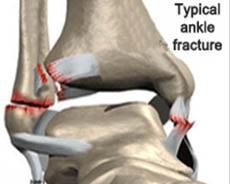
The bone structure of the knee joint is formed by the femur, the tibia, and the patella. The ACL is one of the four main ligaments within the knee that connect the femur to the tibia.
The knee is essentially a hinged joint that is held together by the medial collateral (MCL), lateral collateral (LCL), anterior cruciate (ACL) and posterior cruciate (PCL) ligaments. The ACL runs diagonally in the middle of the knee, preventing the tibia from sliding out in front of the femur, as well as providing rotational stability to the knee.
The weight-bearing surface of the knee is covered by a layer of articular cartilage. On either side of the joint, between the cartilage surfaces of the femur and tibia, are the medial meniscus and lateral meniscus. The menisci act as shock absorbers and work with the cartilage to reduce the stresses between the tibia and the femur.
Check out the Patient Testimonial, where the patient shares about their success stories from treatments through Joint Replacement Surgery Hospital India.
Hi, I am Jennifer from the US. I came to India for ACL surgery through a leading surgery group in India. While playing basketball, I got an injury and after consulting it with my physio, he told me that I tore an ACL and needed to make an appointment with the specialist. After consultation, the specialist asked me to undergo some tests and after the arrival of the results he recommended me to undergo the ACL surgery. I was a bit apprehensive with the cost of surgery and therefore went online searching for an affordable treatment option. I found your surgery group in India and contacted them with my inquiry. They responded back and asked for my medical reports. After sending it, they mailed me with the best treatment plans. I gave them my confirmation and travelled to India. The hospital staff gave me a warm welcome. The surgeon was a kind person who cleared all my doubts before the surgery. The nurses were caring and compassionate. My surgery went well. I want to say a big thank you for the care and quality of service I received during my medical trip in India.
Causes-
This mostly happens amongst the sportsmen and this has lead to the invention of very successful operating techniques. The Anterior or Medial Cruciate Ligament or ACL are tough bands of tissue that connect the ends of bones together, located in the center of the knee and are stretched between the femur and the tibia. The main role of this ligament is to keep the tibia from advancing in relationship to the femurin position and rotation. A muscular compensation is only possible just to a certain limit. This instability by an ACL rupture can lead to consequence a risk of meniscuses and cartilage lesions.
Once ruptured it looses its mechanical qualities, even if the fragments are brought together and sutured. A natural tendon taken from the knee itself must be used and is known as ligamentoplasty.
Symptoms-
Though the symptoms following an ACL tear vary, swelling of the knee joint and a feeling of insecurity and instability of the knee when trying to change direction on the knees. Coming to a quick stop and difficulty in walking down a slope are the common other indications. Though the pain from the initial injury will usually be gone after two to four weeks, but the knee may still feel unstable.
Diagnosis-
Physical examination is the best way to diagnose a ruptured or deficient ACL. Though swelling is an indicator, aspirating or draining the fluid is another way to check. If blood is found when draining the knee, there is a greater chance of a torn ACL. A cartilage injury can also be indicative through this test.
Other methods that are used are the Lachman test, the pivot-shift test and the anterior drawer test. During these tests any excess motion or unexpected movement of the tibia relative to the femur is an indicator to ligament damage. An MRI is the most accurate way to diagnose a damaged or torn ACL.
Nonsurgical treatment-
In nonsurgical treatment, progressive physical therapy and rehabilitation can restore the knee to a condition close to its pre-injury state and educate the patient on how to prevent instability. This may be supplemented with the use of a hinged knee brace. However, many people who choose not to have surgery may experience secondary injury to the knee due to repetitive instability episodes.
Surgical treatment is usually advised in dealing with combined injuries (ACL tears in combination with other injuries in the knee). However, deciding against surgery is reasonable for select patients. Nonsurgical management of isolated ACL tears is likely to be successful or may be indicated in patients:
- With partial tears and no instability symptoms
- With complete tears and no symptoms of knee instability during low-demand sports who are willing to give up high-demand sports
- Who do light manual work or live sedentary lifestyles
- Whose growth plates are still open (children)
Surgical treatment-
Before any surgical treatment, the patient is usually sent to physical therapy. Patients who have a stiff, swollen knee lacking full range of motion at the time of ACL surgery may have significant problems regaining motion after surgery. It usually takes three or more weeks from the time of injury to achieve full range of motion. It is also recommended that some ligament injuries be braced and allowed to heal prior to ACL surgery.The patient, the surgeon, and the anesthesiologist select the anesthesia used for surgery. Patients may benefit from an anesthetic block of the nerves of the leg to decrease postoperative pain.
The surgery usually begins with an examination of the patient’s knee while the patient is relaxed due the effects of anesthesia. This final examination is used to verify that the ACL is torn and also to check for looseness of other knee ligaments that may need to be repaired during surgery or addressed postoperatively.
If the physical exam strongly suggests the ACL is torn, the selected tendon is harvested (for an autograft) or thawed (for an allograft) and the graft is prepared to the correct size for the patient. After the graft has been prepared, the surgeon places an arthroscope into the joint. Small (one-centimeter) incisions called portals are made in the front of the knee to insert the arthroscope and instruments and the surgeon examines the condition of the knee. Meniscus and cartilage injuries are trimmed or repaired and the torn ACL stump is then removed.
In the most common ACL reconstruction technique, bone tunnels are drilled into the tibia and the femur to place the ACL graft in almost the same position as the torn ACL. A long needle is then passed through the tunnel of the tibia, up through the femoral tunnel, and then out through the skin of the thigh. The sutures of the graft are placed through the eye of the needle and the graft is pulled into position up through the tibial tunnel and then up into the femoral tunnel. The graft is held under tension as it is fixed in place using interference screws, spiked washers, posts, or staples. The devices used to hold the graft in place are generally not removed.
Variations on this surgical technique include the “two-incision,” “over-the-top,” and “double-bundle” types of ACL reconstructions, which may be used because of the preference of the surgeon or special circumstances (revision ACL reconstruction, open growth plates).
Before the surgery is complete, the surgeon will probe the graft to make sure it has good tension, verify that the knee has full range of motion and perform tests such as the Lachman’s test to assess graft stability. The skin is closed and dressings (and perhaps a postoperative brace and cold therapy device, depending on surgeon preference) are applied. The patient will usually go home on the same day of the surgery.
Are you looking for Affordable Cost of Medial Cruciate Ligament Surgery in India?
Please enquire with us Get a “No Obligation Quote”
Rehabilitation-
The goals for rehabilitation of ACL reconstruction include reducing knee swelling, maintaining mobility of the kneecap to prevent anterior knee pain problems, regaining full range of motion of the knee, as well as strengthening the quadriceps and hamstring muscles.
The patient may return to sports when there is no longer pain or swelling, when full knee range of motion has been achieved, and when muscle strength, endurance and functional use of the leg have been fully restored.
The patient’s sense of balance and control of the leg must also be restored through exercises designed to improve neuromuscular control.4 This usually takes four to six months. The use of a functional brace when returning to sports is ideally not needed after a successful ACL reconstruction, but some patients may feel a greater sense of security by wearing one.
Why Choose Joint Replacement Surgery Hospital India for Anterior or Medial Cruciate Ligament (ACL) Surgery?
Joint Replacement Surgery Hospital India offers highest quality bone and joint health care with attentiveness, care and compassion to meet the needs of the patients and their loved ones. The medical team includes board-certified orthopedic surgeons who are familiar with all the aspects of the musculoskeletal system. Our hospital uses the most advanced technologies available for the orthopaedic procedures and has a lower complication rate.
Since the ACL does not heal, the ligament needs to be replaced or reconstructed. We have an experienced surgical team and fully equipped operation theatre facility with excellent infrastructure for the post operative care and rehabilitation. The Anterior or Medial Cruciate Ligament Reconstruction (ACLR) Surgery helps restore the stability and function of the knee to allow return to your previous level of activity. The surgery for ACL uses an arthroscopically assisted technique which has proven to be quite effective.
If you are really seeking for Anterior or Medial Cruciate Ligament (ACL) Surgery, kindly fill up the form for a free consultation with our surgeons. You will be provided with thorough analysis and suggestions regarding the Anterior or Medial Cruciate Ligament (ACL) Surgery you are seeking .
Listen to the Voices of Our Happy Patients
Faq
The ACL is a ligament in the middle of the knee that connects the tibia (shinbone) to the fibia (thigh bone).
A key feature of a serious ACL injury is a feeling of instability (i.e. that the knee may collapse from underneath you).
Not always. Some people are able to function normally without surgery, so long as they have physiotherapy, but others need reconstructive surgery no matter how much physiotherapy they have. Whether or not you have your ACL reconstructed also depends on how active you are, and how your injury impacts on your daily and sporting activities.
Early surgical intervention to repair a torn ACL is not recommended in the vast majority of cases, and physiotherapy for at least four to six weeks is almost always recommended first in the amateur sportsperson. This approach has the advantage of allowing any other associated injuries to settle, and any inflammation to subside. Taking time to have physiotherapy also gives the patient and physiotherapist the opportunity to assess whether they feel there is a genuine need for reconstruction.
It is widely accepted that the best substitute for one’s own ACL is to use an autologous graft, which is a term used to describe another tissue, such as a ligament or tendon, taken from your own body. The autologous graft most usually used is that of the hamstrings. These are a large group of muscles in the back of the thigh that run from the hips down to the knees. The hamstrings most commonly used are that of semitendinosus and gracilis. Obviously, many other techniques exist, although the choice of graft will depend on your surgeon’s experience and familiarity with the preferred procedure.
Although you might initially feel a sense of weakness in your hamstring muscles, you can quite quickly regain almost full muscle power without a hamstring.
Many older people find that wearing a well fitted, ACL-specific knee brace gives them the confidence and stability to return to the sport they enjoyed previously without the need for surgery.
Any injury that involves the knee being twisted while the foot is planted on the ground can result in a serious ligament injury. Key features of a serious knee injury include a feeling of instability (i.e. a sense that the knee may collapse from underneath you). Recurrent episodes of the knee collapsing with associated swelling and pain are an obvious sign that all is not well, and that medical attention should be sought.
Compared with surgery for meniscal tears, ACL reconstruction is a much more involved procedure as it involves taking a tendon graft as indicated (usually the hamstring) from another part of the leg and using this to substitute the broken ligament. The time taken to recover from this type of surgery is much longer than for meniscal tears, and it may take up to nine months before you are able to undertake full sporting activities again. Generally, patients are advised that it can take up to one year to feel confident to participate in all their previous sporting activities, especially contact sports. When performed by an experienced surgeon, however, this type of surgery is highly successful, with 85–95% chance of patients experiencing good to excellent results.

Reverse Anatomy Arthroplasty In India: Things To Consider While Going For The Surgery
Planning Your MedicaTrip to India?
Joint Replacement Surgery Hospital India makes it simple:
- Fill in our enquiry form — our executive will contact you shortly.
- Call us anytime: +91-9860432255
- Complete surgery details are available on our website.
Reverse anatomy arthroplasty Overview
Reverse anatomy arthroplasty would be a term lesser known to any one of you if you are not specifically looking for information related to this or are not a medical student. In Reverse anatomy arthroplasty, usually the doctors will replace the shoulder bones if it has been damaged, but of late this has been complicated by what may be called the cuff tear arthroplasty caused due to arthritis. Since the damage to the shoulder muscles is extreme and they cannot be used to restore normal arm and shoulder functions, the doctors rely and use the deltoid muscles instead to move position and power the arm.
How do I know if I am a good candidate for the Reverse anatomy arthroplasty Procedure?
It is best to consult a doctor you trust or is a specialist to know if you make for a good candidate for the procedure. Usually, you can find Low cost Reverse anatomy arthroplasty in India with highly skilled doctors. Most commonly you would fit the candidate profile if:
- The damage to shoulder muscles is beyond repair
- Rotator cuff is completely torn
- An existing shoulder replacement surgery that has caused the damage or has gone bad
- No other prescribed procedure, medicine or alternate way to treatment works.
Check out the Patient Testimonial, where the patient shares about their success stories from treatments through Joint Replacement Surgery Hospital India.
Hello, I am Samuel Dunye from Liberia. I visited India for reverse anatomy arthroplasty. I am thankful to the Joint Replacement Surgery Hospital India for assisting me with the arrangement of my treatment at a reputed hospital in India. I had a very physical job that puts a lot of strain on the upper body. I dislocated my left shoulder while on the job in my early 30’s and while in my 40’s I reinjured the same shoulder after falling off my motorcycle. To make the matters worse, I developed arthritis and the pain got so bad that I couldn’t sleep well at night. Lack of medical facilities and services in my native country forced me to look for quality treatments abroad. I flew to India with my wife for my surgery. The healthcare group helped with arranging medical visa, food and accommodation. I am grateful for the attention I received at the hospital staff, their responsiveness and professionalism. I’m grateful that I was listened and all my queries were answered. Most of all I am happy to get rid of my constant pain and having the opportunity to regain my activities.
Reverse anatomy arthroplasty Procedure & Recovery & Effectiveness
Everybody is different and responds in a different manner to disease, treatments and ailments. All this also holds true when one undergoes Reverse anatomy arthroplasty in India and is in recovery mode. The patient has to listen to the doctor’s advice, rest well and undergo the prescribed and recommended medicine dose. The procedure is highly effective with little chance of anything much going wrong. The patient goes to full use of the arm in a few weeks time.
Why Opting Reverse anatomy arthroplasty is necessary?
It is a simple 2 hour procedure and one of the easiest and best ways to restore a fully functional arm without causing much pain and unrest. If no other means to heal and restore the function of your shoulder and arm is working, the situation would necessitate the use of this procedure based on your current health and situation.
Are you looking for Affordable Cost of Reverse Anatomy Arthroplasty in India?
Please enquire with us Get a “No Obligation Quote”
Why to choose an Indian Hospital for your Reverse anatomy arthroplasty?
India is a pool of skilled professionals and highly talented medical surgeons who have performed, nothing short of miracles in the operation theaters. The Reverse anatomy arthroplasty Cost in India is highly affordable for any global patient. Given the highly affordable Reverse anatomy arthroplasty in India, you do not have to take a big hit in your savings and your insurance would also not be impacted as much. If you are looking for Free Consultation Reverse anatomy arthroplasty in India, there are many easy and trustworthy options available to you. You can reach out to the experienced doctors and surgeons who will guide you in the correct manner and also you can read about Reverse anatomy arthroplasty in India reviews for more information and details. Indian medical science is amongst the best in the world and any patient can rest assured that the chances of anything going wrong, all risks, health evaluations and considerations will be taken before any recommendations are made.
If you are really seeking for Reverse Anatomy Arthroplasty, kindly fill up the form for a free consultation by our surgeons. You will be provided with thorough analysis and suggestions regarding the treatments for Reverse Anatomy Arthroplasty you are seeking.
FAQ’s
Significant pain and disability is often associated with rotator cuff arthropathy. Individuals often have difficult with simple daily activities such as feeding themselves, getting dressed and combing their hair because of a significant loss of shoulder motion and strength. There is often associated pain, especially at night-time which interferes with normal sleep. Pseudo-paralysis and rotator cuff arthropathy can be seen in older patients with a degenerative massive rotator cuff tear.
Other causes of cuff arthropathy include prior failed rotator cuff repairs, or individuals with prior failed shoulder replacement surgery. A reverse shoulder replacement can also be useful in the cases of severe fractures of the proximal humerus (shoulder joint) in older individuals. In individuals with a massive rotator cuff tear that is not repairable, an initial trial of physical therapy may help restore function to an acceptable levels. If, however, significant functional loss and associated pain persist despite a course of conservative therapy, reverse arthroplasty is often the only surgical option.
Patients will work with a physical therapist to resume daily activities and strengthen shoulder muscles. Often the physical therapy is initiated during the hospital stay. The patient is taught a simple set of exercises that they can do on their own at home. Typically, full recovery is achieved by 3-4 months post-operatively. A reverse shoulder replacement can significantly decrease pain and improve function for patients and contribute significantly to an improved quality of life.
The Joint Replacement Surgery Hospital India center for complex shoulder problems and as such, we are specifically equipped to handle this type of complex operation. Patients benefit from our multidisciplinary approach to the treatment of shoulder disorders and have access to a full range of care. Our experienced team of physicians, certified physical therapists, and support staff all work together to help patients achieve success. In addition, our affiliated occupational and physical therapists are specially trained in rehabilitation of the shoulder and elbow prior to and after surgical reconstruction.
The surgical procedure is conducted under general or local anesthesia; and generally takes about 1 to 1½ hours to complete.
For decades, sufferers of severe shoulder arthritis have relied on traditional total shoulder replacement as a proven solution. But for individuals with more complex shoulder issues, such as a torn rotator cuff, this was not the best option. In recent years, a new shoulder replacement option called reverse total shoulder replacement has offered relief from pain and lack of mobility to those with more difficult shoulder problems.
In a traditional shoulder replacement, a plastic socket is placed in the shoulder and a metal ball and stem are inserted into the upper arm bone; the two fit together to form the new artificial joint. This solution still relies on a patient’s rotator cuff to move the arm.
Conversely, in a reverse total should replacement, the plastic socket is fitted into the arm bone and the metal ball is attached to the shoulder bone instead. This configuration is better for people with damaged rotator cuffs because the new joint does not rely on this muscle for movement of the arm. Instead, the deltoid muscle is used to move the arm.
Most patients are able to return to activities within a few months.
You can most definitely choose hotels as per your convenience to you and your budget.
You can talk to the doctor and satisfy all your medical queries. You can also send us your queries for answers from the top doctors.
To know about the procedure of getting an Indian Medical Visa, please go to our website where you will find all the details regarding the initial procedure. You can also send us a query regarding the same.
Many hospitals in India have language translators to help you communicate better and effortlessly with the doctors and medical staff.
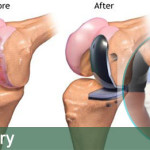
Why You Should Consider Joint Revision in India
Planning Your MedicaTrip to India?
Joint Replacement Surgery Hospital India makes it simple:
- Fill in our enquiry form — our executive will contact you shortly.
- Call us anytime: +91-9860432255
- Complete surgery details are available on our website.
What is Joint Revision?
Joint Revision in India is one of the greatest medical advances of our times. Though joint replacement surgery has been immensely successful, close to 10 % of implants will require a second procedure known as a revision to eradicate the old implants and replace them with new ones.
How do I know if I am a good candidate for Joint Revision Procedure?
Joint Revision in India reviews of patients indicates that this procedure is primarily undertaken to remove a worn out joint replacement. It is all the more complicated with less perfect results. As already state it is a complex process which requires the expert guidance of a surgeon, along with mastery of surgical techniques to achieve a favorable outcome of the surgery. Free Consultation Joint Revision in India will indicate on whether the surgeon has a proven track record when it comes to the aspect of successful surgeries.
Check out the Patient Testimonial, where the patient shares about their success stories from treatments through Joint Replacement Surgery Hospital India.
Hello, my name is Melody Dimka from Nigeria. I got my hip replacement surgery a few decades ago. Everything was fine until I started experiencing pain again, my doc suggested me to undergo revision. However, I wasn’t convinced by this suggestion also the cost for surgery was out of my budget. I started searching online for an alternate option. While browsing, I came across your website and filled the form for a free consultation. The executive on the phone sounded nice and explained me well about the hip revision surgery. They also asked my medical reports so that they present me with their expert opinion’s after which I decided to fly down to India for my surgery. At the hospital, I met my surgeon who was a gentleman and explained everything prior to the surgery. He made me feel easy and comfortable. The nurses were quite compassionate and took care of me. My surgery went smoothly. I want to thank everyone, including the healthcare group, my surgeon and nurses for helping me throughout my entire medical tour to India.
Joint Revision Procedure & Recovery & Effectiveness
The surgeon may ask you to undergo certain tests to understand the exact location of the problem. In this regard X rays and MRI scans can be of immense help. The procedure takes a longer time to perform and may involve a couple of hours. The first step is the removal of the implant. If there has been a significant amount of bone loss, then bone grafts may be required to fill in the voids. In certain cases screws may be used to strengthen the bones.
The post operative period in this surgery is very important. Medication, physical therapy and blood management may be administered in combination. A splint or brace may be required to protect the joint after the surgery. Affordable Joint Revision in India ensures that all the above factors are looked into when you tie up with a hospital of repute.
Why Opting Joint Revision is necessary?
The major benefits of this surgery is that it helps to replace the
- The worn out implants along with an infection of a replaced joint
- Helps to reduce obesity
In some ways one can refer it to a modern miracle and the results are there for a lifetime. Whatever is the reason, if joint revision is necessary, the second surgery can be more complex? The choice of the surgeon assumes a lot of significance in this regard.
Are you looking for Affordable Cost of Joint Revision Surgery in India?
Please enquire with us Get a “No Obligation Quote”
Why to choose an Indian Hospital for your Joint Revision?
Medical tourism is growing by leaps and bounds in India. The government has extended all support to the evolution of this sector and it is no surprise that a host of medical tourism companies has emerged. They act as a guide and help you at each and every step in your medical journey. But ensure that you only rely on a company of repute.
Joint Revision Cost in India
Low cost Joint Revision in India ensures that you do not have to spend much when you resort to the country. The extra savings which you make in terms of cost can be used to pay a visit to the wonderful scenic locations of the country. In certain places of India like Kerala Ayurvedic or spa treatment can add a new dimension to your treatment schedule. You can relax and a lot of the mental agony of the surgery is something of the past.
If you are really seeking Joint Revision Surgery, kindly fill up the form for a free consultation with our surgeons. You will be provided with thorough analysis and suggestions regarding the treatments for Joint Revision Surgery you are seeking.
FAQ’s
When pain in the knee or hip severely limits the ability to walk, work or perform even simple activities, a joint replacement may be an excellent option. In some cases, when an individual has the problem in both knees (or both hips), fixing one can reduce the stress on the opposite joint, thus putting off having the second surgery for several years. The orthopedic specialists at Joint Replacement Surgery Hospital India are available for individual consultations to discuss which option is best for specific situations.
In the early stages of arthritis, successful alternative treatments may include medication, exercise and arthroscopic surgery. However, since anti-inflammatory medications and cortisone injections do not change the progression of the disease, these conservative options eventually, become ineffective. Joint replacement is a long-term answer for pain relief and returning to an active lifestyle.
Yes, total joint replacement surgery is a major operation and, therefore, entails some risks. The risks include, but are not limited to infection, which can ultimately result in the removal of the prosthesis, bleeding, nerve damage, and blood clots in the leg. Thanks to our years of experience and expertise in the field, the Joint Replacement Surgery Hospital India has reduced these risks, achieving a high success rate for joint replacement surgeries. We take such precautions as prescribing antibiotics and surgical stockings to help prevent infection and blood clots – the most common complications of joint replacement surgery.
Most patients require a blood transfusion of between one and two units (pints) after surgery. Physicians generally encourage patients to donate their own blood (called an autologous blood donation) in advance. If a patient is unable to give blood, a family member or friend with the same blood type may donate some instead (called a directed donation). These types of blood donations ensure that right blood type is available. There are also new medications that can boost blood cell count, eliminating the need to donate blood.
Hospital stays generally range from two to five days for total knee replacement and two to six days for total hip replacement. The new minimally invasive procedures being performed by our surgeons typically get our patients out of the hospital sooner, with less pain and a faster overall recovery. On occasion, patients may be admitted to a rehabilitation or skilled nursing facility after being discharged from the hospital. However, our goal is to eliminate the need for such interim care. Through the preoperative education , combined with physical therapy and home health services, most of our patients return to everyday activities within a one or two.
Recovery varies with each person. Generally, patients begin physical therapy the day after surgery. Once home, some patients use a walker for four weeks to protect the new joint while it heals. It usually takes two to four weeks to get back behind the wheel. Most people gradually increase their activities during the next six to eight weeks; some play golf, doubles tennis or go bowling in 12 weeks. Sports that cause impact to the new joint, such as singles tennis or jogging, are not recommended, however.
Both knee and hip joint replacements are recognized as miracles of modern surgery. Most orthopedic specialists consider it the best way to treat the pain and restore the loss of mobility from severe arthritis. It has allowed hundreds of thousands of people with arthritis to get back on their feet and resume an active lifestyle.
Today, most artificial joints last 15 to 20 years under normal wear, but they can wear out sooner if subjected to vigorous activity. When a joint wears out, loosens or develops a problem, it can be resurfaced or replaced in a joint revision.
Joint Replacement Surgery Hospital India offers highest quality bone and joint health care with attentiveness, care and compassion to meet the needs of the patients and their loved ones. The medical team includes board-certified orthopedic surgeons who are familiar with all the aspects of the musculoskeletal system. Our hospital uses the most advanced technologies available for the orthopaedic procedures and has a lower complication rate.
Arthroscopic Shoulder

Planning your medical trip to India is a very simple process with Joint Replacement Surgery Hospital India
- You just need to fill in our enquiry form and one of our executives will contact you soon.
- +91-9860432255 Call us at the given contact number for any assistance.
- Complete information regarding surgery is provided on our website.
Shoulder Arthroscopy Introduction

Shoulder arthroscopy is surgery that uses a tiny camera called an arthroscope to examine or repair the tissues inside or around your shoulder joint. The arthroscope is inserted through a small incision (cut) in your skin.
The rotator cuff is a group of muscles and tendons that cover your shoulder joint. These muscles and tendons hold your arm in your ball and socket shoulder joint, and they help you move your shoulder in different directions. The tendons in the rotator cuff can tear when they are overused or injured.
Most people receive general anesthesia before this surgery. This means you will be unconscious and unable to feel pain. Or, you may have regional anesthesia. Your arm and shoulder area will be numbed so that you do not feel any pain in this area. If you receive regional anesthesia, you will also be given medicine to make you very sleepy during the operation.
First, your surgeon will examine your shoulder with the arthroscope. Your surgeon will:
- Insert the arthroscope into your shoulder through a small incision. The arthroscope is connected to a video monitor in the operating room.
- Inspect all the tissues of your shoulder joint and the area above the joint — the cartilage, bones, tendons, and ligaments.
- Repair any damaged tissues. To do this, your surgeon will make 1 to 3 smaller incisions and insert other instruments through them. A tear in a muscle, tendon, or cartilage will be fixed. Damaged tissue may need to be removed.
Your surgeon may do one or more of these procedures during your surgery:
- Rotator cuff repair: The edges of the muscles are brought together. The tendon is attached to the bone with sutures. Small rivets (called suture anchors) are often used to help attach the tendon to the bone. The anchors can be made of metal or plastic. They do not need to be removed after surgery.
- Surgery for impingement syndrome: Damaged or inflamed tissue is cleaned out in the area above the shoulder joint itself. Your surgeon may also cut a specific ligament, called the coracoacromial ligament, and shave off the under part of a bone. This under part of the bone is called the acromion. The spur can be a cause of inflammation and pain in your shoulder.
- Surgery for shoulder instability: If you have a torn labrum, the rim of the shoulder joint that is made out of cartilage, your surgeon will repair it. Ligaments that attach to this area will also be repaired. The Bankart lesion is a tear on the labrum in the lower part of the shoulder joint. A SLAP lesion involves the labrum and the ligament on the top part of the shoulder joint.
At the end of the surgery using the arthroscope, your incisions will be closed with stitches and covered with a dressing (bandage). Most surgeons take pictures from the video monitor during the procedure to show you what they found and what repairs they made.
Your surgeon may need to do open surgery if there is a lot of damage. Open surgery means you will have a large incision so that the surgeon can get directly to your bones and tissues. Open surgery is a more complicated surgery.
Why the procedure is performed?
Arthroscopy may be recommended for these shoulder problems:
- A torn or damaged cartilage ring (labrum) or ligaments
- Shoulder instability, where the shoulder joint is loose and slides around too much or becomes dislocated (slips out of the ball and socket joint)
- A torn or damaged biceps tendon
- A torn rotator cuff
- A bone spur or inflammation around the rotator cuff
- Inflammation or damaged lining of the joint. Often this is caused by an illness, such as rheumatoid arthritis.
- Arthritis of the end of the clavicle (collarbone)
- Loose tissue needs to be removed
- Shoulder impingement syndrome, to make more room for the shoulder to move around
Check out the Patient Testimonial, where the patient shares about their success stories from treatments through Joint Replacement Surgery Hospital India.
Hello, my name is Dominic from Nigeria. I got arthroscopic shoulder surgery in India through your surgery group. Initially, I injured my left shoulder, but I tried to continue my daily activities. After a year, my injury became worse and finally, it gave out. I went to my doctor who asked me to undergo some tests and studying the results, recommended me your surgery group in India for my surgery. I contacted your group and send my medical reports to get the best treatment option. After being convinced by them, I gave them my confirmation to get my surgery in India. From the time I started a conversation with them and until the day I returned back to Nigeria, everyone worked hard to ensure that I was comfortable. Thank you so much to the surgeon and his dedicated staff for the terrific surgical experience I had during my journey in India. Its been about three months post surgery, and now I can do most of the things I couldn’t do before the surgery.
Before the procedure-
Always tell your health care provider what drugs you are taking, even drugs, supplements, or herbs you bought without a prescription. During the 2 weeks before your surgery:
- Two weeks before surgery you may be asked to stop taking drugs that make it harder for your blood to clot. These include aspirin, ibuprofen (Advil, Motrin), naproxen (Naprosyn, Aleve), and other drugs.
- Ask your health care provider which drugs you should still take on the day of your surgery.
- If you have diabetes, heart disease, or other medical conditions, your surgeon will ask you to see your doctor who treats you for these conditions.
- Tell your health care provider if you have been drinking a lot of alcohol, more than 1 or 2 drinks a day.
- If you smoke, try to stop. Ask your health care provider or nurse for help. Smoking can slow down wound and bone healing.
- Always let your doctor know about any cold, flu, fever, herpes breakout, or other illness you may have before your surgery.
On the day of your surgery-
- You will usually be asked not to drink or eat anything for 6 to 12 hours before the procedure.
- Take your drugs your health care provider told you to take with a small sip of water.
- Your health care provider will tell you when to arrive at the hospital.
After the procedure-
Recovery can take anywhere from 1 to 6 months. You will probably have to wear a sling for the first week. If you had a lot of repair done, you may have to wear the sling longer.
You may take medicine to control your pain.
When you can return to work or play sports will depend on what your surgery involved. It can range from 1 week to several months.
For many procedures, especially if a repair is performed, physical therapy may help you regain motion and strength in your shoulder. The length of therapy will depend on the repair that was done.
Operation-
You will have a general anaesthetic, and will be asleep for the whole operation.
The arthroscope is a telescope about as wide as a pen, connected to a television. The operation is called an arthroscopy.
The surgeon will insert the arthroscope through one or two tiny half inch (about 1.2cm) cuts around your shoulder. He will use it to look at the inside of your shoulder and the tendons over the shoulder. The cuts will be closed with stitches, clips, or paper tapes. You will be in hospital for one night or so after the operation.
At home-
You cannot drive whilst your arm is in a sling. If you were driving before the arthroscopy, you will be able to drive within a few days of leaving hospital.
How soon you can return to work depends on your job. If you are working now, you should be able to return to work 7 to 10 days after your operation.
Recovery from shoulder arthroscopy-
The recovery depends on what type of surgery is performed. One of the problems with shoulder arthroscopy is that the procedure hurts much less than open shoulder surgery, and therefore patients may tend to do too much, too soon. It is very important that you only perform activities that your surgeon recommends following a shoulder arthroscopy. Even though your shoulder may feel fine, you need to allow time for repaired tissues to adequately heal. This is especially important for patients who have rotator cuff repairs and labral repairs.
Why Choose Joint Replacement Surgery Hospital India for Arthroscopic Shoulder Surgery?
Joint Replacement Surgery Hospital India offers highest quality bone and joint health care with attentiveness, care and compassion to meet the needs of the patients and their loved ones. The medical team includes board-certified orthopedic surgeons who are familiar with all the aspects of the musculoskeletal system. Our hospital uses the most advanced technologies available for the orthopaedic procedures and has a lower complication rate.
Our surgical unit is integrated with an onsite musculoskeltal ultrasnonography facility with very high diagnostic accuracy and it also comprises one of the finest shoulder rehab center. Th rehab compliments our surgical efforts to provide one of the most consistent and impressive results. We offer highly effective arthroscopic shoulder surgery at the most affordable prices. Many international patients have undergone their arthroscopic shoulder surgery in India due to reasonable rates.
If you are really seeking for Arthroscopic Shoulder Surgery, kindly fill up the form for a free consultation with our surgeons. You will be provided with thorough analysis and suggestions regarding the Arthrosocpic Shoulder Surgery you are seeking.
FAQ’s
If you have white tape on your shoulder, you may remove the dressing and take a shower. If you have a clear dressing over your incision, you may remove it 2 days after surgery. You may allow the shoulder to get wet, but do not allow the water to hit you directly on the incisions. No immersion in the water is allowed until 21 days post op. This means no soaking in a bathtub, hot tub, whirlpool, or swimming in a pool or ocean!
You are not permitted to drive while you are taking narcotic pain medications. We do not recommend that you drive while the sling is required. Once you have been instructed that the sling is no longer required, you must wait until you have adequate strength and range of motion to drive. We recommend you test your driving ability in an empty parking lot with supervision until you determine whether or not you can drive safely.
If therapy is necessary, it will usually begin sometime after your first post-operative visit. Your surgeon will inform of your physical therapy start date during your first post-operative visit. Therapy can be done anywhere that is convenient and paid for by your insurance. A list of facilities is available.
In most cases, the sling/ immobilizer is used to protect your arm in the early stages after surgery and is required. If your procedure does not require the use of the sling/ immobilizer you will receive specific instructions.
Most patients use narcotic pain medication for several days following surgery, and then change over to Tylenol or Advil/Aleve. It is not unusual to require pain medicine at night for a longer period of time. The use of ice may reduce the need for medication. We recommend that you use ice for no more than 20 minutes with at least one hour between applications. Do NOT take routine anti-inflammatory medicines (Aleve / Advil) if you have had a repair.
The pain is usually worse at night and sleeping is often difficult. It is difficult to find a comfortable position in bed and many people sleep in a recliner for several days or even weeks following surgery. It helps to take pain medication one hour before bedtime.
For the first 2 weeks following surgery, you should remain in the sling at all times except to shower. You may also be out if your sling to do pendulum exercises with your shoulder and range of motion exercises with your elbow. For the elbow exercises, your arm should remain against your body. If you happen to do something that made the shoulder hurt, don’t panic! You probably overdid it. Use ice and rest.
For the first 2 weeks you should not do any active movements with the shoulder. When you begin therapy after your first post-op visit, you will be given instructions as to your progression of activities. Please remember that there is some discomfort involved with therapy! Protect your incisions with sun block from 3 weeks post op until 6 months post op. If you have had a repair, do not lift, carry, push or pull anything greater than 10 lbs until 4 months post op.
Most people’s expectations following shoulder arthroscopy are that they will be back to normal in a few days. This is not what most people experience. Most people notice that they are back to normal around 8-16 weeks. Even though there are only a few small incisions, there was a significant amount of work that was done inside the shoulder. The shoulder can be stiff and sore for several weeks and you can expect some discomfort. Please do not judge the effectiveness of the surgery until after you have given yourself ample time to recover from the surgery!
Routine post op appointments occur at 8-14 days after surgery for stitch removal to evaluate the incisions and remove sutures if present. We will arrange physical therapy, if necessary, during that visit. Your future visits will be discussed with you as well and your next appointment will be scheduled at this time.
You can talk to the doctor and satisfy all your medical queries. You can also send us your queries for answers from the top doctors.
To know about the procedure of getting an Indian Medical Visa, please go to our website where you will find all the details regarding the initial procedure. You can also send us a query regarding the same.
Many hospitals in India have language translators to help you communicate better and effortlessly with the doctors and medical staff.

Shoulder Resurfacing in India: Why Should You Opt for the Surgery?
Planning Your MedicaTrip to India?
Joint Replacement Surgery Hospital India makes it simple:
- Fill in our enquiry form — our executive will contact you shortly.
- Call us anytime: +91-9860432255
- Complete surgery details are available on our website.
Shoulder resurfacing overview
Arthritis or trauma to the shoulder can limit the range of motion and functioning of your shoulder. The shoulder joint can become stiff and painful. This debilitating condition has left thousands of men and women of all ages with painful shoulder having a very limited range of motion, functionality and discomfort. The cure for such patients is shoulder replacement or resurfacing. If both the joints of your shoulder are affected then you need to undergo total shoulder joint replacement. However, in such a surgery you are going to lose a lot of your original tissue and bone. It will never be as good as your original joint. You will have limited functioning. Moreover, the joint may wear out over time.
If the condition of your shoulder joint is not as severe as to require a total replacement, then you should go for shoulder resurfacing. If working on only the humeral head can sustain the shoulder joint and give you relief from the pain, discomfort and limited functionality then you should go for resurfacing. In this surgery the humeral head is covered with a metal cap instead of replacing both the joints altogether. A lot of people in India are undergoing this procedure in India. Shoulder resurfacing is carried out in India, and foreigners are taking to this service due to availability of world class service at low cost.
How to I know if I am a good candidate for shoulder resurfacing surgery?
You need to be sufficiently healthy and have sufficient bone matter to undergo the procedure successfully. You should not be suffering from high blood pressure or diabetes. If you have any of these problems, then these should be treated prior to the procedure. You should also be young and have an active lifestyle. If you are suffering from rheumatoid arthritis, then the medical management team should include a skilled rheumatologist.
Check out the Patient Testimonial, where the patient shares about their success stories from treatments through Joint Replacement Surgery Hospital India.
Hi, my name is Leonard Mabwe from Zambia. I underwent shoulder resurfacing in India through Joint Replacement Surgery Hospital. I had a medical history of shoulder pain and my doctor recommended me to undergo shoulder resurfacing surgery. I didn’t want to undergo the surgery at my native place due to lack of infrastructures and basic amenities. My wife and I started searching for medical services abroad and came across your healthcare consultant group in India. We contacted you and after a series of conversation over mails and phone, got my surgery fixed in India. They helped us with arranging our medical visa, food and accommodation while in India. At the hospital, the staff welcomed us and I met my surgeon who cleared all my doubts and queries. The staff was quite caring and supportive. My overall experience of getting my surgery in India was amazing. I would like to thank my doctor, hospital staff and your healthcare group for the care and support you provided me throughout the entire journey.
Shoulder resurfacing procedure and recovery
In shoulder resurfacing procedure damaged tissue is removed only from the humeral head of the shoulder. It is then fitted with a hemispheric metallic cap. In this procedure the glenoid head is left untouched resulting in less surgery, less loss of bone and other tissue and faster recovery. You will be released from the hospital one or two days after the surgery. However, you will have pain and swelling, and your arm will be within a sling. You will also be given a postoperative nerve block to control the pain. For the first few days you will require the assistance of others in performing your regular chores like dressing, cooking, eating, etc. For this period you will also be given oral pain medications. If you are not able to use your arm effectively after a few days, then you may need a supervised rehabilitation therapy. After the first day of surgery, you may remove the sling and try to move the arm. You should also apply ice on the area. This will give you a lot of comfort from the pain and swelling.
However, if you have fever, chills, nausea, vomiting, diarrhea, or redness around the incision or if there is drainage from the site of the incision you should inform the physician immediately. This may be because of some infection which you may have after shoulder resurfacing surgery.
How effective is shoulder resurfacing surgery?
Shoulder resurfacing surgery is generally more effective than total joint replacement. Owing to minimal bone resection, absence of osteotomy, and low incidence of periprosthetic fracture this type of surgery is considered to be more effective for those whose shoulder joint problems are in the initial stages.
Are you looking for Affordable Cost of Shoulder Resurfacing in India?
Please enquire with us Get a “No Obligation Quote”
Shoulder resurfacing versus shoulder replacement
You need to do shoulder replacement if both the shoulder joints, the Humeral head as well as the Glenoid head are affected and need to be cleansed of dead tissue. Let us take a look at the advantages and disadvantages of both types of surgery.
Loss of bone and other tissue material: This determines the stability of the joint, time of recovery as well as the effectiveness of the joint. In shoulder replacement surgery, a considerable amount of bone tissue is lost along with other tissue material. However, in resurfacing surgery this loss is minimized.
Hospital stay: It is more in replacement surgery than in case of resurfacing surgery.
Risk of fracture of prosthesis: It is more in shoulder replacement surgery than in resurfacing surgery.
Risk of fat embolus: The risk is there in replacement surgery, but is minimal in resurfacing surgery.
Recovery period: After a shoulder replacement surgery, you will take more time to recover than after a resurfacing surgery.
Why choosing shoulder resurfacing is beneficial?
After a shoulder resurfacing surgery, you can return to work within a few days, will have to bear less pain, have much less risk of fat emboli and prosthesis fracture.
Why to choose an Indian hospital for your shoulder resurfacing?
Shoulder resurfacing is a costly proposition in most of the countries. However, in India you can get the best outcome in a world class infrastructure at the hands of physicians and technicians of international standard. Apart from this affordable procedure is another attraction for foreigners. You can also get reviews about shoulder resurfacing in India and see for yourself.
Shoulder resurfacing cost in India
In India you can get a free consultation from world class doctors about shoulder resurfacing. If you go for the treatment you can get it done for a fraction of the cost than western countries.
If you are really seeking for Shoulder Resurfacing, kindly fill up the form for a free consultation with our surgeons. You will be provided with thorough analysis and suggestions regarding the Shoulder Resurfacing you are seeking.
FAQ’s
Joint Replacement Surgery Hospital India offers highest quality bone and joint health care with attentiveness, care and compassion to meet the needs of the patients and their loved ones. The medical team includes board-certified orthopedic surgeons who are familiar with all the aspects of the musculoskeletal system. Our hospital uses the most advanced technologies available for the orthopaedic procedures and has a lower complication rate.
Shoulder resurfacing is much like hip resurfacing. The ball part of the shoulder is smoothed (made back into round) with a shaping tool. A metal shell of the exact natural size is then placed on the bone to recreate a completely smooth new humeral head. A similar shaping and placement of a new surface is performed for the shoulder socket (glenoid). The shoulder is put back together and then it will function typically in a completely normal fashion.
During a shoulder replacement the ball part of the joint is entirely removed and replacement with an artificial ball that is held in place with a spike (stem) inside the shaft of the upper arm bone (humerus).
A resurfacing procedure is a less invasive procedure and it will have more functional capability than a shoulder replacement. Both procedures reliably reduce pain and increase function.
The recovery time of a shoulder resurfacing procedure varies depending on each individual patient. Patients will have to avoid heavy lifting and strenuous exercise after their surgery. Your doctor may also encourage a physical therapy regimen to restore and strengthen the joint after surgery. Shoulder resurfacing in India provides desired shoulder relief at an affordable price.
Advantages of Shoulder Resurfacing
- Restoration of normal anatomy.
- Less traumatic surgery
- No risk of fat embolus
- Resurfacing can be done even if the bone is deformed.
- Normal loading of the bone.
- No stress riser effect
- No risk of fracture at the tip of the prosthesis.
- Range of movements better than shoulder replacement.
- Easy revision surgery if needed.
Indications for shoulder Resurfacing
1.Osteoarthritis
2.Rheumatoid arthritis
3.Avascular necrosis
4.Rotator cuff arthropathy
5.Instability arthropathy
6.Post trauma arthritis

Why You Should Opt For Elbow Replacement In India
Planning Your MedicaTrip to India?
Joint Replacement Surgery Hospital India makes it simple:
- Fill in our enquiry form — our executive will contact you shortly.
- Call us anytime: +91-9860432255
- Complete surgery details are available on our website.
What is Elbow replacement?
If any injury has harmed your elbow or you are the victim of rheumatoid arthritis, surgery to the joint may be recommended so that the pain is reduced and you move freely. During Elbow replacement in India the surgeon replaces the elbow with an artificial joint, which is made of two implants that attach your bones in the arm. The procedure in a lot of ways is similar to the hip and knee replacement.
How do I know if I am a good candidate for Elbow replacement Procedure?
This surgery is recommended in the following cases
- The patient is healthy enough to undertake this surgery
- There is sufficient tendon and bone to permit the surgery
- The surgeon has sufficient amount of experience to handle such a surgery
- Arthritis is a major problem which is affecting the patient
Free Consultation Elbow replacement in India will determine on whether you are the correct candidate for this form of surgery. This will not be the viable option as non surgical methods can also yield the desired results.
Check out the Patient Testimonial, where the patient shares about their success stories from treatments through Joint Replacement Surgery Hospital India.
Hi, I am Betty Makoto from Zambia. About a few years ago, I realized that my elbow was hurting. Initially, I dismissed it as an age-related problem, but soon it started hurting badly.
My doctor asked me to undergo the elbow replacement surgery. He referred me to your healthcare services in India. After contacting you with my query and they helped me get through the entire process. I came to India and was taken to a reputed hospital. I met my surgeon who was a gentleman and explained everything prior to the surgery. He made me feel easy and comfortable. The nurses were quite compassionate and caring. My surgery went smoothly. I extend my hearty thanks to everyone including the healthcare group, my surgeon and nurses for helping me throughout my entire medical tour to India.
Elbow replacement Procedure & Recovery
The surgery roughly takes somewhere in the region of 2 to 4 hours and you will be under a dose of anesthesia. One has to stay in the hospital for close to 4 days. After the operation you will have stitches and bandages on the new elbow. One may also need to keep the arm under the splint to keep it stable when it heals.
Elbow replacement in India reviews of patients indicates since it involves cutting the skin, and the bone, you will need a strong medications after the surgery. One will also take pain medicines after you go from the hospital. One has to take into account that getting used to the new elbow will take some amount of time and you will not be able to lift more than a cup of coffee 6 weeks after surgery.
You have to undertake simple exercises and physical therapy to get the arm stronger and move better. You will have to do a range of motion exercises such as bending and strengthening the arm. Affordable Elbow replacement in India ensures that the pain in the elbows is reduced and you are able to move better.
Last but not the least; you need to avoid activities which cause further injury, such as playing sports or lifting heavy weights. With good care the new elbow is bound to serve you for a long time.
How effective is Elbow replacement?
Elbow replacement surgery provides an ideal chance for people to regain much of the lost comfort and function in an arthritic elbow. In experienced hands, it can address the restricting scar tissue and the surgery can improve the mechanics of the elbow. After the surgery, it can make take some time, before the normal movement is restored.
The effectiveness of the procedure depends upon the health and the motivation of the patient, expertise of the surgeon and the condition of the elbow. When it is performed by an experienced surgeon it contributes to the comfort and function. The greatest achievement of such a surgery is the ability to sleep and resume the normal activities of life.
Why Choosing Elbow replacement is necessary?
Individuals, who is affected by elbow pain, usually notice stiffness and loss of the ability to use their elbow for their routine activities. They also have difficulty in sleeping and experience loss of motion of the arm. The pain with the passage of time gets worse, but the rate of progression tends to vary considerably.
Are you looking for Affordable Cost of Elbow Replacement in India?
Please enquire with us Get a “No Obligation Quote”
Elbow replacement Exercises
If exercises are not painful, it may be helpful in maintaining the flexibility and strength of the joints, with arthritis. In most of the cases it can be done by the patient with minimum amount of equipment. The elbow cases can be performed on a daily basis with minimum amount of discomfort.
Why to choose an Indian Hospital for your Elbow replacement?
Indian hospitals have scaled the popularity charts as far Affordable Elbow replacement in India is concerned. You can get the treatment done at the best price without compromise on the quality part. Cashing in on the medical boom, a lot of medical tourism companies have set up base in this part of the world. You just need to drop in a query and they will get back to you with the details. Right from the accommodation, to the hospital where you need to do the surgery all is taken care off. In return for their level of services this company levies a charge.
But on a word of caution, when you choose a medical tourism company do a systematic research. A lot of companies have flown by night operations and take you for a ride. So opt for one which has a proven track record or you could look up to the reference of someone who has had the treatment in the past. The testimonies of patients would be a respectable indicator in this regard.
Elbow replacement Cost in India
The cost of surgery is relatively low, and the patients can combine their medical trip with a visit to the wonderful tourist spots of the country. India has a diverse culture and the places has strong roots which reveal a lot about the place.
If you are really seeking Joint Revision Surgery, kindly fill up the form for a free consultation with our surgeons. You will be provided with thorough analysis and suggestions regarding the treatments for Joint Revision Surgery you are seeking.
FAQ’s
The bones in a joint are covered with a tough, lubricating tissue called cartilage to help provide smooth, pain-free motion to the joint. As the layer of cartilage wears away, bone begins to rub against bone, causing the irritation, swelling, stiffness, and discomfort commonly associated with arthritis.
Total elbow replacement involves removing the diseased bone and cartilage and resurfacing it with orthopedic implants. The implants are designed to create a new, smoothly functioning joint that prevents painful bone-on-bone contact.
A total joint implant’s longevity will vary from patient to patient. All implants have a limited life expectancy depending on an individual’s age, weight, activity level, and medical condition. It is important to remember that an implant is a medical device that is subject to wear, which may lead to mechanical failure. Following all of your surgeon’s recommendations after surgery may enhance longevity, there is no guarantee that your particular implant will last for any specific length of time.
Since implants are mechanical devices, they are subject to conditions that can lead to mechanical failure. The most common reason for implant failure in elbow replacements is implant loosening or implant wear that leads to loosening. Implant wear particles can react with the bone, causing thinning of the bone that can lead to implant loosening. In most cases, failed implants can be revised successfully to provide good results.
Exercise or physical therapy can strengthen the muscles around the affected joint(s), possibly providing relief from pain while improving mobility and function. Medical management, including nonsteroidal anti-inflammatory medications or steroid injections may assist in reducing painful joint inflammation and restoring function.
Your surgeon will evaluate your health history, perform a physical examination, and take x-rays to decide if you are a candidate for this surgery. You must then decide if your discomfort, pain or stiffness, and overall loss of quality of life justify undergoing surgery. Generally, there is no harm in waiting to have surgery if conservative, non-surgical treatments are effective.
Age is not a problem if you are in reasonably good health and have the desire to continue living a productive, active life. You may ask to see your personal physician for an opinion about your general health and readiness for surgery.
Operation- approximately 1 to 2 hours. Hospitalization- usually 1 to 3 days. Rehabilitation-usually 3 to 4 months of regular exercise at home. This will vary with each patient and with each surgeon.
After surgery, patients usually gain additional range of motion previously lost to the diseased joint. It is important to remember that the soft tissues play an important role in elbow movement. Damaged or unrepairable soft tissues in the elbow will have an effect on unrestricted movement of the elbow after surgery. Proper preoperative and postoperative physical therapy will also affect the desired surgical outcome. It is important to talk with your physician prior to surgery so he or she can evaluate your condition and give you a better understanding of what you can expect after the surgical experience.
The incision is approximately 5 to 7 inches long, across the back or side of the elbow to gain access to the joint.
Yes, you may have some numbness on the outside of the scar. The area around the scar may feel warm. You may also notice some clicking when you move your elbow as a result of the artificial surfaces coming together.
While uncommon, complications can occur during and after surgery. Some complications include infection, blood clots, implant breakage, malalignment, and premature wear. Although implant surgery is extremely successful in most cases, some patients still experience stiffness and pain. No implant will last forever and factors such as the patient’s post-surgical activities and weight can affect longevity. Be sure to discuss these and other risks with your surgeon. There are many things that your surgeon may do to minimize the potential for complications. Your surgeon may have you see a medical physician before surgery to obtain tests. You may also need to have your dental work up to date and may be shown how to prepare your home to avoid falls.
Proper preparation and a great attitude are the best ways to accomplish a rapid recovery from joint replacement. With the help of a physical therapist, get yourself as physically fit as you can before surgery. Proper nutrition and optimal medical condition can help avoid complications. See your physician prior to surgery to ensure your blood pressure, heart, and lungs are in good shape. Be prepared to continue with your exercise program after surgery.
Exercise is necessary for proper healing. The arm is typically immobilized for comfort in a long-arm dressing and a protective splint for the first 3 to 5 days. Range of motion exercises may be started after the dressing and splint are removed, allowing for some return to light activities of daily living. At 10 to 14 days, the sutures are removed. Strengthening usually begins 6 weeks after surgery. A regular exercise program at home to promote strengthening and mobility will continue up to 12 months following surgery. It is important to follow your surgeon’s prescribed recovery outline. Do not attempt exercises that are not prescribed by your surgeon, and do not attempt to alter your exercise schedule without contacting your surgeon.
Although elbow replacement is designed to restore motion and decrease pain, it does not return your elbow to “normal.” Like any mechanical device, it can wear out with use. Activities like heavy lifting or manual labor can cause early wear and failure of the elbow implant. Many activities should not begin until the soft tissues around the elbow heal, which can take 3 to 6 weeks. All postoperative activities should be cleared with your surgeon.
Patients with total elbow replacement typically require several weeks before returning to any type of lifting or repetitive movement activities. Driving can normally be resumed in 4 to 6 weeks after surgery, but only if your doctor indicates and you are not taking any pain medication. Talk to your doctor before participating in an activity that may place excess stress or movement on your elbow. Consult with your surgeon or therapist for advice on acceptable activities.
The surgeon will set a follow-up schedule for the first year after surgery to evaluate your progress. Usually these follow-ups occur three, six and nine months after the surgery. Annual visits may be required thereafter. Complications can occur with implants, so seeing the surgeon when you notice a change in symptoms can assist in evaluating any changes that may occur with your new joint.
Joint Replacement Surgery Hospital India offers highest quality bone and joint health care with attentiveness, care and compassion to meet the needs of the patients and their loved ones. The medical team includes board-certified orthopedic surgeons who are familiar with all the aspects of the musculoskeletal system. Our hospital uses the most advanced technologies available for the orthopaedic procedures and has a lower complication rate.
Finger Joint Replacement Surgery Hospital India
Planning Your MedicaTrip to India?
Joint Replacement Surgery Hospital India makes it simple:
- Fill in our enquiry form — our executive will contact you shortly.
- Call us anytime: +91-9860432255
- Complete surgery details are available on our website.
Finger Joint Replacement Surgery Hospital India
“Better Prevent and Prepare rather than repent and repair”. In the fast paced life of today pain in the joints and the bones is a common recurrence and the first thing we do is to visit an orthopaedic surgeon. He has to exercise caution as surgery may not be the preferred option always, as depending upon the conditions and symptoms of the disease one could even resort to non surgical methods.
What should I do to prepare for surgery?
You should jointly decide with your surgeon to proceed with the surgery. You should understand the procedure and talk with your surgeon if you have any concerns or questions.
Once you decide on the surgery, your doctor will suggest a complete physical examination to ensure that you are in the best possible condition to undergo an operation. On the day of the surgery, you’ll be admitted to the hospital early in the morning. You shouldn’t eat or drink after midnight, i.e. the night before surgery. The length of time you spend in the hospital depends a lot on your recovery from anesthesia post surgery. Typically, a finger joint replacement surgery can be done on an outpatient basis, that means you can leave the hospital the same day.
Check out the Patient Testimonial, where the patient shares about their success stories from treatments through Joint Replacement Surgery Hospital India.
Hello, I am Mrs. Lydia Okilo from Nigeria. I visited India to get finger joint replacement surgery through Joint Replacement Surgery Hospital India. I used to experience pain and stiffness in my fingers that started interfering my hand movement while doing the daily activities. My doctor referred me to your surgery group as they provide high quality medical treatments and surgery at economical prices. After contacting them, I got a response from them within 48 hours. They explained me about the surgery and the surgeon also cleared my doubts via the tele-conferencing. I was impressed and gave them my consent to travel down to India for my surgery. They helped me with the medical visas and other arrangements during my stay in India. The hospital staff were professionals and took care of all my needs. My surgery went well. I am grateful to the surgeon, staff and the surgery group for the exceptional assistance throughout my medical trip to India.
What happens during the operation?
The surgeons use silicone plastic implants to replace the original joint surfaces. The artificial joint functions similar to a hinge on a door. The procedure takes about two hours to complete. It may be done either using a general anesthesia that puts you to complete sleep or a local anesthesia that only numbs your hand. With the local anesthesia you’ll be awake during the surgery, but you won’t be able to see the surgery.
Once you are given anesthesia, your surgeon will ensure that the skin of your hand is free of infection by cleaning them with a germ-killing solution. An incision is made across the back of the finger joints that are to be replaced. The soft tissues are them spread apart with a retractor. Special care is taken not to damage the nearby nerve that passes by the joint. Then the joint is exposed. The ends of the bones forming the finger joint surfaces are taken off, forming flat surfaces. A burr is used to create a canal into the bones forming the finger joint.
Then the surgeons sizes the stem of the prosthesis to ensure a snug fit into the hollow bone marrow space of the bone. The prosthesis is inserted into the ends of both the finger bones. When the new joint is in place, the surgeon wraps the joint with a strip of the nearby ligament to form a tight sac. This provides some added protection and stability to the new implant. The soft tissues are sewn together, and the finger is then splinted and bandaged.
What happens immediately after surgery?
After surgery, your fingers will be bandaged with a well-padded dressing and a splint for support. The splint will keep the finger in a straightened position during healing. Some patients are placed in an arm-length cast with the finger in a straightened position for about 3 weeks post surgery. Your surgeon will check your hand in five to seven days. Stitches will be removed after 10 to 14 days. You will be given pain medication to control discomfort after surgery. You should keep your hand elevated above the level of your heart for several days to avoid swelling and throbbing. Keep it propped up on a stack of pillows while sitting or sleeping.
What should I expect during my rehabilitation?
A recovery program will be directed by a physician or an occupational therapist. Recovery will take up to three months after a prosthesis is implanted. The first few therapy treatments focus on controlling the pain and swelling from the surgery. Your therapist may use gentle massage and other hands-on treatments to ease the muscle spasm and pain. Then you’ll be asked to begin with gentle range of motion exercise. The strengthening exercises are used to provide added stability around the finger joint. You’ll learn the ways to grip and support items in order to do your tasks safely and with the least amount of stress on your new finger joint. As with any other surgery, you’ll need to avoid doing too much, too quickly.
Some of the exercises are designed to get your hand and fingers working in ways that are similar to your work tasks and daily activities. The goal of the therapist is to help you keep the pain under control, improve your strength and the range of motion as well as regain the fine motor abilities with your fingers and hand. The regular visit to a therapist’s office will end when you are well underway.
Are you looking for Affordable Cost of Finger Joint Replacement Surgery in India?
Please enquire with us Get a “No Obligation Quote”
Why Choose Joint Replacement Surgery Hospital India for Finger joint replacement surgery?
Since this involves a critical part of our body, choosing a top notch hospital would be the definite way to move forward. This brings us to the fundamental question on what are the advantages of choosing a good hospital. There are quite a few of them, but the expertise of skilled surgeons, superior support staff, state of the art facilities in terms of infrastructure are a few of them. In addition to this, English being the preferred mode of communication eradicates the communication barrier.
So, is there a hospital in the country which has all the above mentioned facilities. They have established their base in the city of Nagpur which belongs to the central portion of India. A visit to the hospital itself says a thing or two about the hospital. Their philosophy is simple and that is to provide quality health care at cost effective solutions to the patients.
All the operation theatres of the hospital are modelled as per the standards prescribed by the WHO and special attention is paid to the welfare and the safety of the patients. On the safety front there is a fire fighting system along with splinkers for the benefits of the patients. All the reputed surgeons in the country are part of their set up and the credentials of them are a testimony to the fact. They have hands on experience in performing several successful surgeries and their expertise is a sort out in various international conferences.
The buzz in the medical world is that any part of a joint can be replaced by an effective implant procedure. Most of the masses are well acquainted with hip, but Finger Joint Replacement Surgery is the newest craze in the medical world. It eradicates discomfort to a larger level and is more suitable for the older age group as compared to the younger lot. For the surgery to be performed the joints of the finger should be stable and have mobility. If these conditions are fulfilled, then only the surgery can be considered.
Though there are zero waiting lists in the hospital, it is recommended that the international patients book their surgery schedule in order to have any hassles in their medical journey. For this they can contact us via email or the phone numbers on the website and schedule their day in advance. In terms of payment, at least 30 % of the cost of surgery should be paid before flying down for the surgery and the outstanding can be cleared after coming down to the country.
If you are really seeking for Finger Joint Replacement Surgery, kindly fill up the form for a free consultation with our surgeons. You will be provided with thorough analysis and suggestions regarding the Finger Joint Replacement Surgery you are seeking.
Listen to the Voices of Our Happy Patients
FAQ’s
To begin, your physician will ask you some background questions regarding your hand history and any injuries you may have incurred. A physical examination will be performed and x-rays will be taken to identify the severity of your situation. In addition, in certain cases your surgeon will order blood tests. At this point, your surgeon will use his/her expertise to diagnose your condition.
The implant or prosthesis acts as a spacer to fill the gap that was created when the arthritic surfaces of the MCP (metacarpal phalangeal joint) or PIP (proximal interphalangeal joint) are removed.
The implant is made of medical grade silicone.
At least one week prior to hospital admission, you will need to visit your family physician or an internist to have a check up. If you are over the age of 40, you will most likely need to have a chest X-ray and an electrocardiogram (EKG) performed, in addition to appropriate blood and urine tests. If you smoke, it is important to stop two weeks prior to surgery and to consider quitting all together.
Your surgeon can replace all diseased joints in one hand during one surgery. When that hand has recovered, the other hand will have the necessary joints replaced. Most of the time, the surgeon will not do both hands at once.
Your arm will be elevated and immobilized in a splint, so you will not be able to move your hand. Blood staining may also be visible through the dressing for the first few hours after surgery.
You will most likely be seen by your surgeon various times after your surgery (i.e. 1 week, 3 weeks, 6 weeks, 3 months and 6 months). X-rays may be taken during these follow up exams if your surgeon feels they are necessary.
Joint Replacement Surgery Hospital India offers highest quality bone and joint health care with attentiveness, care and compassion to meet the needs of the patients and their loved ones. The medical team includes board-certified orthopedic surgeons who are familiar with all the aspects of the musculoskeletal system. Our hospital uses the most advanced technologies available for the orthopaedic procedures and has a lower complication rate.
You can most definitely choose hotels as per your convenience to you and your budget.
You can talk to the doctor and satisfy all your medical queries. You can also send us your queries for answers from the top doctors.
To know about the procedure of getting an Indian Medical Visa, please go to our website where you will find all the details regarding the initial procedure. You can also send us a query regarding the same.
Hallux Rigidus in India: Causes, Signs, Symptoms, Diagnosis and Treatment in Indian Hospital
Planning Your MedicaTrip to India?
Joint Replacement Surgery Hospital India makes it simple:
- Fill in our enquiry form — our executive will contact you shortly.
- Call us anytime: +91-9860432255
- Complete surgery details are available on our website.
What is Hallux Rigidus?
Hallux Rigidus In India is arthritis of the big joint of the toe. It is the second most common condition of the toe and next only to hallux valgus which is a condition associated with the big toe. This condition is more common in individuals in the age group of 30 to 60 years.
How do I know if I am a good candidate for Hallux Rigidus?
It is known to affect people who are pretty active and agile. The stiffness of the toe is especially noticeable on the upward bending caused by running or walking. This stiffness is known to cause considerable amount of pain. As a result of pain and stiffness a bump is created on top of the big toe.
Check out the Patient Testimonial, where the patient shares about their success stories from treatments through Joint Replacement Surgery Hospital India.
Hi, my name is Joseph Adeyemi, 43 years old from Nigeria. I have suffered from Hallux Rigidus on both feet for a few years. The restriction in my movements has become extremely painful to a point where any bending of the toe during walking was quite excruciating. Eventually, I was referred by my GP to an orthopaedic surgeon in India. I started searching about the Indian surgeons and hospitals, and came across your website. After initial consultation, I was convinced with everything and followed the procedure, I visited India. The hospital where I was treated was world class and hygienic. The doctors were friendly and made me feel relaxed. The nurses were quite supportive and caring. They looked after my needs throughout my stay. The services I received through them was fantastic and value for my money. I would definitely recommend anyone looking for any kind of treatments to get it done through this healthcare group in India.
Hallux RigidusProcedure & Recovery & Effectiveness
Hallux Rigidus in India reviews of patients indicate that the diagnosis is a trifle difficult. In some cases a physical examination by the physician will be more than enough. They will examine the foot for any form of bone spurs and then check the MTP joint by moving it up and down and in the process checking on how much motion is available without pain. X rays can be further done to identify complete damage.
The recovery depends on the type of surgery, which is conducted. The swelling in the toe is there for 2 to 3 months after the surgery and the complete healing may take around 6 months.
Why Opting Hallux Rigidusis necessary?
Stiffness and pain are the common symptoms, which may tend to worsen as the degeneration proceeds. In the early stages pain medication and injections may be of help. Mild forms of Hallux Rigidusis can be treated with removal of bone spurs. More advanced stages can be treated with joint replacement as a procedure of last resort with a joint fusion leaving your joint permanently stiff. Free Consultation Hallux Rigidus in India will enable you to go about the right course of treatment.
Are you looking for Affordable Cost of Hallux Rigidus Surgery in India?
Please enquire with us Get a “No Obligation Quote”
Why to choose an Indian Hospital for your Hallux Rigidus?
Each year a number of patients travel to India for medical related treatment. The hospitals have a huge say in the evolution of medical tourism in the country. Low cost Hallux Rigidus in India, though does not mean low quality of service, but one can compare it to the rest of the world. In these hospitals one would come across surgeons who have been part of several successful surgeries. When it becomes to the aspect of surgery safety and comfort of the patient is of utmost importance. Hence people resort to India. The surgeons tend to use non-invasive procedures to aid in the speed recovery and reduce pain. The surgery along with the recovery of the patient is on top of the agenda.
Hallux Rigidus Cost in India
Affordable Hallux Rigidus in India ensures that when you choose India as your next medical destination you tend to make significant savings in cost. When you get the surgery done in the western countries, you have to encounter a long waiting list which seldom happens in a country like India. You can get admitted and do the surgery the same day in India. In addition to this the support staff is friendly which lends a new spectrum to the course of treatment.
If you are really seeking treatments for Hallux Rigidus, kindly fill up the form for a free consultation with our surgeons. You will be provided with thorough analysis and suggestions regarding the treatments for Hallux Rigidus you are seeking.
Listen to the Voices of Our Happy Patients
FAQ’s
“Hallux” mean big toe and “Rigidus” mean stiff. It is a medical term, describing degeneration of the joint at the base of the big toe – called metatarsophalangeal, or MTP joint. It is the most common site of arthritis in the foot region. It is an important joint, as it has to bend every time you walk and propelling your body forward. Walking can be painful or limited as it is degenerated and stiffened. Most of the time, a bony overgrow (osteophyte) can cause a painful bump over the dorsal base of the big toe, resulted in painful impinging shoe-wear.
Hallux rigidus usually develops in adults at the ages between 30 and 60 years. No exact cause is agreed so far. It can be secondary to previous trauma, or due to the underlying abnormal foot anatomy, abnormal joint surface, surrounding soft tissue imbalance that increases stress on the joint. It is more common in distant runner or dancer who have repeatedly exert hyperextension of the big toe.
The patient may experience pain in the joint when you walk, especially as you push-off on the toes when walking up/ down stair. There is swelling around the base of the big toe, especially over the dorsum (top) of the big toe with an associated bony bump. The joint will be stiff at a late stage due to the degeneration and the dorsal bony bump.
History: pain, stiff, dorsal bunion
Examination: Limited big toe bending, especially on upward movement, bump over the top of the base of the big toe. The physician will try to differentiate if the symptom is arising from the bony bump, or the joint so as to decide the type of surgery if indicated.
X-ray: Narrowing of the MTP joint due to wear of joint cartilage, bony spurs (osteophyte). They are clinically graded into early stage (with the joint still preserved) and late stage (with the joint being obliterated).
Non-surgical treatment
- Non-steriodal anti-inflammatory drug (NSAID) such as ibuprofen may help reduce the active swelling and pain relief.
- Ice packs or taking contrast baths may help for a short period of time.
- Shoe modification with a widen toe box to accommodate the bump, stiff-soled shoe with a rocker bottom design may help to prevent bending force on the joint. Orthotic with a steel shank or metal brace in the sole can be measured with similar action. These are not effective to stop the condition from progressing but just symptomatic relief.
- Injections – a. Steroid, b. hyaluronic acid.
Surgical treatment: Different types of surgical treatment are commonly practiced depending on the clinical examination and radiological grading of degeneration.
- Cheilectomy operation: This is a simple operation to remove the osteophytes that limit the range of motion. It improves range of motion for wearing higher heel shoes or for running, and, though it often reduces pain, this is not guaranteed. It takes 3 months to recover 80% and 6 months to fully recover. Naturally, this does not alter the natural history of the underlying problem of arthritis; it merely reduces the pain from impingement of the osteophytes, which are caused by the arthritis. The potential problem is risk of further joint degeneration and require further surgical procedure, it is however a buy-time procedure.
- Autologous interposition arthroplasty: It is using a free ipsilateral gracilis tendon graft is for patients with severe hallux rigidus with moderate to high activity levels and who do not wish to undergo fusion.
- Fusion operation. This is a procedure to remove the joint and join the bones of the foot and toe together. This reliably removes pain and allows one to return to running.This is a procedure indicated for those with pain due to both bony spur and the joint. It is a more assuring procedure as the diseased joint is converted to a stable one-piece bone. The trade-off is the big toe become stiff, but we usually fused it in a physiological position for walking. A plate and screws are used to stabilize the fixation for the bone surface to heal by 6-8weeks.
- Arthroplasty (excision of the whole joint +/- replacing with a spacer or an artificial prosthesis) is a joint replacement, which significantly reduces pain and allows good function. It may have a limited life of approximately 10 years and require revision or a fusion operation later. This is an alternative procedure to arthrodesis for those older people who place few functional demands on the feet. It is not well accepted as the potential risk of prosthesis complications eg. wear, dislocation, loosening, etc.
Surgery is usually done under general / spinal / regional anaesthesia. This includes a general risk of anaesthetic drug and specific risks which our anaesthetist will explain to you before the operation accordingly. General surgical risk includes infection, nerve injury, tourniquet risk, swelling and stiffness
- Specific risk for Cheilectomy: recurrence / progression of symptom
- Specific risk for Arthrodesis: stiff joint, implant loosening, impingement, non-union, delayed union. Shortening of big toe.
- Specific risk for Arthroplasty: prosthesis dislocation / loosening
Steriod injection is done by some GP / Surgeon, but it is only a temporary effect and potential risk of infection, bony necrosis. Minimal invasive with percutaneous screw fixation is advocated but only short-term and small series report.
Cheilectomy: Since there is no joint procedure done, but only bone spur excision, immediate return to normal walking is allowed. The wound will usually take 10-14 days to heal. Early passive big toe movement is advised to prevent the joint stiffness is the main physiotherapy recommended. Takes months to settle.
Arthrodesis: This requires longer rehabilitation as it involves timing for stable bone growth, which usually takes 6-8 weeks. Patient will be protected with cast immediate post-operation and educated for non-weight bearing walking during initial 6 weeks. Radiological check will make at around 6 weeks to confirm if full weight bearing walking is advisable. Patient will be unable to wear high-heeled shoes due to the stiffened big toe (or we sometimes modify the position of fusion so as to tailor the patient’s reasonable need in terms of shoewear).
Arthroplasty: The rehabilitation is similar as arthrodesis, but early mobilization is essential to keep with the surgical benefit. Weight bearing is avoided for soft tissue stabilization, which usually takes 4-6 weeks.
It depends on the type of procedure as well as the occupation requirement of the individual. 2 – 6 weeks as mentioned under different procedures.
Yes with both cheilectomy and arthrodesis, but with limited big toe flexibility in the later case.
You can most definitely choose hotels as per your convenience to you and your budget.
You can talk to the doctor and satisfy all your medical queries. You can also send us your queries for answers from the top doctors.
To know about the procedure of getting an Indian Medical Visa, please go to our website where you will find all the details regarding the initial procedure. You can also send us a query regarding the same.
Many hospitals in India have language translators to help you communicate better and effortlessly with the doctors and medical staff.
Joint Replacement Surgery Hospital India offers highest quality bone and joint health care with attentiveness, care and compassion to meet the needs of the patients and their loved ones. The medical team includes board-certified orthopedic surgeons who are familiar with all the aspects of the musculoskeletal system. Our hospital uses the most advanced technologies available for the orthopaedic procedures and has a lower complication rate.

Knee Arthroscopy In India Things To Consider While Going For The Surgery
Planning Your MedicaTrip to India?
Joint Replacement Surgery Hospital India makes it simple:
- Fill in our enquiry form — our executive will contact you shortly.
- Call us anytime: +91-9860432255
- Complete surgery details are available on our website.
What is Knee Arthroscopy?
Knee Arthroscopy in India is a method which streamlines and treats problems in the joints of the knees. During the process the surgeon will make a tiny incision and place a camera in it. This is known as arthroscope and this allows him to view the joint on the screen. This method is used to diagnose several problems associated with the knees.
How do I know if I am a good candidate for Knee Arthroscopy Procedure?
When one considers Knee Arthroscopy in India reviews of patients the following candidates are perfect who are experiencing some sort of pain in the knees. The doctor might be aware of what is the condition which might be causing the pain or he may ask to undergo an arthroscopy to confirm the source of knee pain and treat the problem.
Check out the Patient Testimonial, where the patient shares about their success stories from treatments through Joint Replacement Surgery Hospital India.
Hi, I am Eve Bostock from Kenya. I met an accident while skiing and my doctor recommended me to go for a knee arthroscopy. However, the long waiting time in the UK has been just not fair and so I started searching for surgery abroad. I came across your website and contacted them. I got an immediate response from them explaining about the entire procedure. I gave them my confirmation to get my surgery done in India. I arrived at the airport in India, where an official welcomed me and was taken to a reputed hospital. I met my surgeon who was a gentleman and explained everything prior to the surgery. He made me feel easy and comfortable. The nurses were quite compassionate and caring. My surgery went smoothly. I extend my hearty thanks to everyone, including the healthcare group, my surgeon and nurses for helping me throughout my entire medical tour to India. I would highly recommend your healthcare company in India to anyone needing affordable surgery without long waiting lists.
Knee Arthroscopy Procedure & Recovery & Effectiveness
To perform a knee arthroscopy, you may be administered a dose of anesthesia. The surgeon may start off by making small incisions or cuts in the knee. Then sterile salt water will be pumped into your knee, which will make it easier for the surgeon to see what is inside the joint. When the surgeon has located the problem the surgeon may insert small tools into the insertion to correct the tissue. Once the process of surgery is completed, the saline may be drained from the joint and the cuts will be closed with stitches.
The surgery is not evasive in any form. For most people the surgery takes a couple of hours at the max. One will be discharged the same day after the surgery and you can resume your normal activities. You will be given an ice pack on the knee and a dressing. This will reduce the swelling to a large extend. At the home you need someone to look after you for the first day. The doctor will recommend an exercise regime or ask you to meet a therapist till your knee comes back to the original function. To have more idea about the pros and cons of it one can undertake Free Consultation Knee Arthroscopy in India.
Are you looking for Affordable Cost of Knee Arthroscopy Surgery in India?
Please enquire with us Get a “No Obligation Quote”
Why Opting Knee Arthroscopy is necessary?
Since it is a minimum evasive procedure, it is a reliable way to treat the problems of the knees. The main benefit of it is that you can have a pain free life and your knee functions will gain its full mobility after you undertake the procedure. The beauty of all this is that Affordable Knee Arthroscopy in India will not stress you in terms of budget as well
Why to choose an Indian Hospital for your Knee Arthroscopy?
Indian hospitals have scaled the summit of success as far as treatment modules are concerned. When you undertake Low cost Knee Arthroscopy in India in most of the top bracket hospitals of the country the safety and comfort are the top most on the agenda. Most of the hospitals in the country are well equipped with the latest in state of the art technology at par with international standards.
Knee Arthroscopy Cost in India
The cost of the surgery is less, and you can combine it with a trip to the beautiful tourist locations in the country.
If you are really seeking Knee Arthroscopy, kindly fill up the form for a free consultation with our surgeons. You will be provided with thorough analysis and suggestions regarding the Knee Arthroscopy you are seeking.
Listen to the Voices of Our Happy Patients
Faq
The pre-operative nurse will call you from the hospital 1 to 3 days before your surgery to discuss several details; including the exact time of surgery, when to last eat and drink prior to surgery, and when to last take certain medications. These are very important questions to have answered prior to your surgery. Therefore, we ask that you be certain that the hospital has your updated phone number.
While this can vary, typically you are in the operating room for 15 to 45 minutes. Then you are taken to the recovery area for 1 to 2 hours before being discharged home. You will be given specific post-operative instructions at that time.
Your surgeon will speak with your loved ones immediately following your surgery. It is very important that your loved ones are with you at the hospital and stay in the waiting room during your surgery. If someone is not in the waiting room at the end of surgery, your surgeon will not be able to meet with them that day. We will be able to discuss your surgery at our office during your first post-operative appointment (typically 6 to 8 days later).
You will likely be given narcotic pain medications for pain control. Patients generally only find these necessary for the first few days after surgery.
This varies based on the procedure you are having. If you are having meniscectomy (removal of torn cartilage), you may begin putting weight on your leg when you get home the day of surgery. Crutches are generally used for 1 to 3 days (based on comfort). If you are having an ACL reconstruction or knee cap realignment, you will be required to use crutches at least 1 week and wear a special knee brace for 5 to 6 weeks.
Your first post-operative appointment at our office is scheduled for 6 to 10 days after surgery for suture removal and a thorough discussion of your surgery.
This is a difficult question, as every patient is different. You will typically be given a narcotic pain medication to take after surgery. Most patients require this for only the first few days after surgery.
This is a personal decision that you must make. The timing depends upon when you feel you are ready to safely drive. Do not drive if you are taking any narcotic medication. Also, driving a vehicle with manual transmission soon after surgery is not possible due to the motions and strength required. We recommend taking your vehicle for a test drive in an empty parking lot before driving on the road.
This varies on an individual basis and with your occupation. It is best to discuss this with your surgeon or a PA prior to surgery.
Joint Replacement Surgery Hospital India offers highest quality bone and joint health care with attentiveness, care and compassion to meet the needs of the patients and their loved ones. The medical team includes board-certified orthopedic surgeons who are familiar with all the aspects of the musculoskeletal system. Our hospital uses the most advanced technologies available for the orthopaedic procedures and has a lower complication rate.
You can most definitely choose hotels as per your convenience to you and your budget.
You can talk to the doctor and satisfy all your medical queries. You can also send us your queries for answers from the top doctors.
We accept different methods of payment like, cash, plastic cash, via net banking, etc.
To know about the procedure of getting an Indian Medical Visa, please go to our website where you will find all the details regarding the initial procedure. You can also send us a query regarding the same.
Many hospitals in India have language translators to help you communicate better and effortlessly with the doctors and medical staff.