


Category Archives: Surgery
Low Cost Arthroscopic Shoulder Surgery in India
Planning Your MedicaTrip to India?
Joint Replacement Surgery Hospital India makes it simple:
- Fill in our enquiry form — our executive will contact you shortly.
- Call us anytime: +91-9860432255
- Complete surgery details are available on our website.
Shoulder Arthroscopy Introduction
Shoulder arthroscopy is surgery that uses a tiny camera called an arthroscope to examine or repair the tissues inside or around your shoulder joint. The arthroscope is inserted through a small incision (cut) in your skin.
The rotator cuff is a group of muscles and tendons that cover your shoulder joint. These muscles and tendons hold your arm in your ball and socket shoulder joint, and they help you move your shoulder in different directions. The tendons in the rotator cuff can tear when they are overused or injured.
Most people receive general anesthesia before this surgery. This means you will be unconscious and unable to feel pain. Or, you may have regional anesthesia. Your arm and shoulder area will be numbed so that you do not feel any pain in this area. If you receive regional anesthesia, you will also be given medicine to make you very sleepy during the operation.
First, your surgeon will examine your shoulder with the arthroscope. Your surgeon will:
- Insert the arthroscope into your shoulder through a small incision. The arthroscope is connected to a video monitor in the operating room.
- Inspect all the tissues of your shoulder joint and the area above the joint — the cartilage, bones, tendons, and ligaments.
- Repair any damaged tissues. To do this, your surgeon will make 1 to 3 smaller incisions and insert other instruments through them. A tear in a muscle, tendon, or cartilage will be fixed. Damaged tissue may need to be removed.
Your surgeon may do one or more of these procedures during your surgery:
- Rotator cuff repair: The edges of the muscles are brought together. The tendon is attached to the bone with sutures. Small rivets (called suture anchors) are often used to help attach the tendon to the bone. The anchors can be made of metal or plastic. They do not need to be removed after surgery.
- Surgery for impingement syndrome: Damaged or inflamed tissue is cleaned out in the area above the shoulder joint itself. Your surgeon may also cut a specific ligament, called the coracoacromial ligament, and shave off the under part of a bone. This under part of the bone is called the acromion. The spur can be a cause of inflammation and pain in your shoulder.
- Surgery for shoulder instability: If you have a torn labrum, the rim of the shoulder joint that is made out of cartilage, your surgeon will repair it. Ligaments that attach to this area will also be repaired. The Bankart lesion is a tear on the labrum in the lower part of the shoulder joint. A SLAP lesion involves the labrum and the ligament on the top part of the shoulder joint.
At the end of the surgery using the arthroscope, your incisions will be closed with stitches and covered with a dressing (bandage). Most surgeons take pictures from the video monitor during the procedure to show you what they found and what repairs they made.
Your surgeon may need to do open surgery if there is a lot of damage. Open surgery means you will have a large incision so that the surgeon can get directly to your bones and tissues. Open surgery is a more complicated surgery.
Why the procedure is performed?
Arthroscopy may be recommended for these shoulder problems:
- A torn or damaged cartilage ring (labrum) or ligaments
- Shoulder instability, where the shoulder joint is loose and slides around too much or becomes dislocated (slips out of the ball and socket joint)
- A torn or damaged biceps tendon
- A torn rotator cuff
- A bone spur or inflammation around the rotator cuff
- Inflammation or damaged lining of the joint. Often this is caused by an illness, such as rheumatoid arthritis.
- Arthritis of the end of the clavicle (collarbone)
- Loose tissue needs to be removed
- Shoulder impingement syndrome, to make more room for the shoulder to move around
Check out the Patient Testimonial, where the patient shares about their success stories from treatments through Joint Replacement Surgery Hospital India.
Hello, my name is Dominic from Nigeria. I got arthroscopic shoulder surgery in India through your surgery group. Initially, I injured my left shoulder, but I tried to continue my daily activities. After a year, my injury became worse and finally, it gave out. I went to my doctor who asked me to undergo some tests and studying the results, recommended me your surgery group in India for my surgery. I contacted your group and send my medical reports to get the best treatment option. After being convinced by them, I gave them my confirmation to get my surgery in India. From the time I started a conversation with them and until the day I returned back to Nigeria, everyone worked hard to ensure that I was comfortable. Thank you so much to the surgeon and his dedicated staff for the terrific surgical experience I had during my journey in India. Its been about three months post surgery, and now I can do most of the things I couldn’t do before the surgery.
Before the procedure
Always tell your health care provider what drugs you are taking, even drugs, supplements, or herbs you bought without a prescription. During the 2 weeks before your surgery:
- Two weeks before surgery you may be asked to stop taking drugs that make it harder for your blood to clot. These include aspirin, ibuprofen (Advil, Motrin), naproxen (Naprosyn, Aleve), and other drugs.
- Ask your health care provider which drugs you should still take on the day of your surgery.
- If you have diabetes, heart disease, or other medical conditions, your surgeon will ask you to see your doctor who treats you for these conditions.
- Tell your health care provider if you have been drinking a lot of alcohol, more than 1 or 2 drinks a day.
- If you smoke, try to stop. Ask your health care provider or nurse for help. Smoking can slow down wound and bone healing.
- Always let your doctor know about any cold, flu, fever, herpes breakout, or other illness you may have before your surgery.
On the day of your surgery
- You will usually be asked not to drink or eat anything for 6 to 12 hours before the procedure.
- Take your drugs your health care provider told you to take with a small sip of water.
- Your health care provider will tell you when to arrive at the hospital.
After the procedure
Recovery can take anywhere from 1 to 6 months. You will probably have to wear a sling for the first week. If you had a lot of repair done, you may have to wear the sling longer.
You may take medicine to control your pain.
When you can return to work or play sports will depend on what your surgery involved. It can range from 1 week to several months.
For many procedures, especially if a repair is performed, physical therapy may help you regain motion and strength in your shoulder. The length of therapy will depend on the repair that was done.
Planning Your Top Arthroscopic Shoulder Surgery in India is an Easy Process.
Our Hospitals Network and Surgery Group is available in 15 cities of India for our patients to access. Kindly fill up the form for a free opinion from our expert team. You will be provided with an analysis and recommendations for your surgery. NO CHARGES LEVIED.
Special ALL SERVICES INCLUSIVE Packages available for INTERNATIONAL PATIENTS
Operation
You will have a general anaesthetic, and will be asleep for the whole operation.
The arthroscope is a telescope about as wide as a pen, connected to a television. The operation is called an arthroscopy.
The surgeon will insert the arthroscope through one or two tiny half inch (about 1.2cm) cuts around your shoulder. He will use it to look at the inside of your shoulder and the tendons over the shoulder. The cuts will be closed with stitches, clips, or paper tapes. You will be in hospital for one night or so after the operation.
At home
You cannot drive whilst your arm is in a sling. If you were driving before the arthroscopy, you will be able to drive within a few days of leaving hospital.
How soon you can return to work depends on your job. If you are working now, you should be able to return to work 7 to 10 days after your operation.
Recovery from shoulder arthroscopy
The recovery depends on what type of surgery is performed. One of the problems with shoulder arthroscopy is that the procedure hurts much less than open shoulder surgery, and therefore patients may tend to do too much, too soon. It is very important that you only perform activities that your surgeon recommends following a shoulder arthroscopy. Even though your shoulder may feel fine, you need to allow time for repaired tissues to adequately heal. This is especially important for patients who have rotator cuff repairs and labral repairs.
Why Choose Joint Replacement Surgery Hospital India for Arthroscopic Shoulder Surgery?
Joint Replacement Surgery Hospital India offers highest quality bone and joint health care with attentiveness, care and compassion to meet the needs of the patients and their loved ones. The medical team includes board-certified orthopedic surgeons who are familiar with all the aspects of the musculoskeletal system. Our hospital uses the most advanced technologies available for the orthopaedic procedures and has a lower complication rate.
Our surgical unit is integrated with an onsite musculoskeltal ultrasnonography facility with very high diagnostic accuracy and it also comprises one of the finest shoulder rehab center. Th rehab compliments our surgical efforts to provide one of the most consistent and impressive results. We offer highly effective arthroscopic shoulder surgery at the most affordable prices. Many international patients have undergone their arthroscopic shoulder surgery in India due to reasonable rates.
Are you looking for Top Arthroscopic Shoulder Surgery in India?
Please enquire with us, get a “No Obligation Quote”
If you are really seeking for Arthroscopic Shoulder Surgery, kindly fill up the form for a free consultation with our surgeons. You will be provided with thorough analysis and suggestions regarding the Arthroscopic Shoulder Surgery you are seeking.
Listen to the Voices of Our Happy Patients
FAQ’s
If you have white tape on your shoulder, you may remove the dressing and take a shower. If you have a clear dressing over your incision, you may remove it 2 days after surgery. You may allow the shoulder to get wet, but do not allow the water to hit you directly on the incisions. No immersion in the water is allowed until 21 days post op. This means no soaking in a bathtub, hot tub, whirlpool, or swimming in a pool or ocean!
You are not permitted to drive while you are taking narcotic pain medications. We do not recommend that you drive while the sling is required. Once you have been instructed that the sling is no longer required, you must wait until you have adequate strength and range of motion to drive. We recommend you test your driving ability in an empty parking lot with supervision until you determine whether or not you can drive safely.
If therapy is necessary, it will usually begin sometime after your first post-operative visit. Your surgeon will inform of your physical therapy start date during your first post-operative visit. Therapy can be done anywhere that is convenient and paid for by your insurance. A list of facilities is available.
In most cases, the sling/ immobilizer is used to protect your arm in the early stages after surgery and is required. If your procedure does not require the use of the sling/ immobilizer you will receive specific instructions.
Most patients use narcotic pain medication for several days following surgery, and then change over to Tylenol or Advil/Aleve. It is not unusual to require pain medicine at night for a longer period of time. The use of ice may reduce the need for medication. We recommend that you use ice for no more than 20 minutes with at least one hour between applications. Do NOT take routine anti-inflammatory medicines (Aleve / Advil) if you have had a repair.
The pain is usually worse at night and sleeping is often difficult. It is difficult to find a comfortable position in bed and many people sleep in a recliner for several days or even weeks following surgery. It helps to take pain medication one hour before bedtime.
For the first 2 weeks following surgery, you should remain in the sling at all times except to shower. You may also be out if your sling to do pendulum exercises with your shoulder and range of motion exercises with your elbow. For the elbow exercises, your arm should remain against your body. If you happen to do something that made the shoulder hurt, don’t panic! You probably overdid it. Use ice and rest.
For the first 2 weeks you should not do any active movements with the shoulder. When you begin therapy after your first post-op visit, you will be given instructions as to your progression of activities. Please remember that there is some discomfort involved with therapy! Protect your incisions with sun block from 3 weeks post op until 6 months post op. If you have had a repair, do not lift, carry, push or pull anything greater than 10 lbs until 4 months post op.
Most people’s expectations following shoulder arthroscopy are that they will be back to normal in a few days. This is not what most people experience. Most people notice that they are back to normal around 8-16 weeks. Even though there are only a few small incisions, there was a significant amount of work that was done inside the shoulder. The shoulder can be stiff and sore for several weeks and you can expect some discomfort. Please do not judge the effectiveness of the surgery until after you have given yourself ample time to recover from the surgery!
Routine post op appointments occur at 8-14 days after surgery for stitch removal to evaluate the incisions and remove sutures if present. We will arrange physical therapy, if necessary, during that visit. Your future visits will be discussed with you as well and your next appointment will be scheduled at this time.
You can most definitely choose hotels as per your convenience to you and your budget.
You can talk to the doctor and satisfy all your medical queries. You can also send us your queries for answers from the top doctors.
To know about the procedure of getting an Indian Medical Visa, please go to our website where you will find all the details regarding the initial procedure. You can also send us a query regarding the same.
Many hospitals in India have language translators to help you communicate better and effortlessly with the doctors and medical staff.
Hammer Toe In India: Things To Consider Going For The Surgery

Planning your medical trip to India is a very simple process with Joint Replacement Surgery Hospital India
- You just need to fill in our enquiry form and one of our executives will contact you soon.
- +91-9860432255 Call us at the given contact number for any assistance.
- Complete information regarding surgery is provided on our website.
Hammer Toe Overview
Hammer Toe in India is a disorder which causes the toe to become bend upward that resembles the shape of a hammer. Hammer Toe in India reviews of patients indicates that it occurs in conjunction with other problems of the toe. It can be stiff or flexible and depending upon the flexibility of the toe and the preference of an orthopedic surgeon, several different surgeries can be performed.
How do I know if I am a good candidate for Hammer toe procedure?
The main objective of this surgery is to treat the pain that has not yielded the desired results with non-surgical treatment. If you have pain in wearing your pair of shoes, then Affordable Hammer Toe in India surgery is the only option.
Check out the Patient Testimonial, where the patient shares about their success stories from treatments through Joint Replacement Surgery Hospital India.
Hi, my name is Simon Makala from Zambia. I visited India to get a hammer toe surgery with the assistance of Joint Replacement Surgery Hospital. Before the surgery, I was in a lot of pain and wasn’t able to walk at all. I couldn’t even find shoes that would fit my feet. My doctor diagnosed me with hammer toes and recommended me for surgery. There was inadequate medical facilities and amenities and that lead me to search for surgery abroad. The cost of surgery was too expensive in US. I searched for low cost surgery and found your website. After consultation, I was more than happy to give my confirmation to fly down to India for treatment. My surgeon was a nice gentleman who made me feel easy and comfortable. The nurses and hospital staff were very caring and compassionate. My surgery went well. The surgery wasn’t painful at all and after the surgery, I have no pain at all. Its been an amazing experience. If you are thinking to have surgery, I would highly recommend having surgery through your healthcare consultants in India.
Hammer Toe Procedure & Recovery & Effectiveness
Most often this surgery is undertaken as an outpatient procedure. This makes it a point that you can go home the same day the surgery is done. The surgery can be undertaken when you are fully asleep, or it can be done also when you are awake that makes the feet go numb temporarily.
Techniques used for treatment of hammer toe:
- Flexible hammer toe- if the hammer toe is flexible, and the toe can be straightened then a tender transfer procedure can be undertaken. This procedure involves retouting the tendons from the bottom.
- Fixed hammer toe- if the hammer toe has become fixed, then there are two options for treatment. Joint resection can be used and in this process an incision is made over the top of the toe. In addition to this fusion can also be used to treat the fixed hammer toe. Pins or screws can be used to fix the toe.
After the surgery is done, you will be given a special shoe which aids in your walking. Recovery normally can take a few weeks depending upon the type of surgery which is undertaken. Some form of exercise may be prescribed by your surgeon after the surgery is undertaken. It is normal to have some amount of swelling after the surgery, which may take a few years before the swelling resolves.
Are you looking for Affordable Cost of Hammer Toe Surgery in India?
Please enquire with us Get a “No Obligation Quote”
Why Opting Hammer Toe is necessary?
In some cases, when the hammer toes have gone on to become more rigid and painful, or for the matter an open sore has developed then surgery is the only option which is left. Often patients with hammer toe have foot deformities at the same time
Why to choose an Indian Hospital for your Hammer Toe?
India is a forerunner in the domain of medical tourism. A lot has got to do with the evolution of top quality hospitals. Most of them offer Free Consultation Hammer Toe in India which gives a point to the patient that whether there are alternative courses of treatment. Surgery is a life time decision and has a considerable amount of bearing on the mental make up of an individual.
Hammer Toe Cost in India
Low cost Hammer Toe in India ensures that the surgery is undertaken at a fraction of a cost when one compares it to the western countries. Since it is an elective form of surgery, most of the insurance companies do not cover it and hence getting it in India works out to be beneficial.
If you are really seeking Hammer Toe Surgery, kindly fill up the form for a free consultation with our surgeons. You will be provided with thorough analysis and suggestions regarding the Hammer Toe Surgery you are seeking.
Listen to the Voices of Our Happy Patients
FAQ’s
It is possible that after surgery, your hammertoe may come back. If this happens and you have discomfort in the toe, an additional surgery may be needed to address the pain.
Depending on the specific surgery used, you may or may not be able to bend your toe once it has healed. Ask your orthopaedic surgeon what type of surgery is needed for your hammertoe.
Before you leave the hospital, your toes will be wrapped in bandages to hold them in place and you will receive instructions on maintaining those dressings and on wearing a special post-surgical shoe to protect your foot. You may need to use a cane or crutches for the first several days and to be careful about putting weight on your foot. You should try to keep your foot elevated and treated with ice as directed for several days. While your stitches may be removed in a couple of weeks, you will continue to need to utilize the bandages and shoe for as long as eight weeks. You should plan on wearing athletic shoes or soft leather shoes — and no high heels — for several months once your bandages have been removed. Your doctor may prescribe exercises to improve the range-of-motion of your toes, such as stretching them and picking up objects such as marbles and handkerchiefs with them.
Wear roomier shoes
- Seek out shoes that conform to the shape of your feet as much as possible and provide plenty of room in the toe box, ensuring that your toes are not pinched or squeezed.
- Make sure that, while standing, there is a half inch of space for your longest toe at the end of each shoe.
- Make sure the ball of your foot fits comfortably in the widest part of the shoe.
- Since feet normally swell during the course of the day, shop for shoes at the end of the day, when your feet are at their largest.
- Don’t be vain about your shoe size — sizes vary by brand, so concentrate on making certain your shoes are comfortable.
- Remember that your two feet are very likely to be different sizes and fit your shoe size to the larger foot.
Don’t wear high-heel shoes
- Avoid high heels, which shift all your body weight onto your toes, increasing the pressure on your toes and their joints tremendously.
- Wear shoes with low (less than two inches) or flat heels that fit your foot comfortably.
You can most definitely choose hotels as per your convenience to you and your budget.
You can talk to the doctor and satisfy all your medical queries. You can also send us your queries for answers from the top doctors.
To know about the procedure of getting an Indian Medical Visa, please go to our website where you will find all the details regarding the initial procedure. You can also send us a query regarding the same.
Many hospitals in India have language translators to help you communicate better and effortlessly with the doctors and medical staff.
Joint Replacement Surgery Hospital India offers highest quality bone and joint health care with attentiveness, care and compassion to meet the needs of the patients and their loved ones. The medical team includes board-certified orthopedic surgeons who are familiar with all the aspects of the musculoskeletal system. Our hospital uses the most advanced technologies available for the orthopaedic procedures and has a lower complication rate.

Why You opt Wrist Tendonitis in India
Planning Your MedicaTrip to India?
Joint Replacement Surgery Hospital India makes it simple:
- Fill in our enquiry form — our executive will contact you shortly.
- Call us anytime: +91-9860432255
- Complete surgery details are available on our website.
Wrist Tendonitis Overview
Tendons are fibrous bands of tissue, tough; flexible that connects the muscle to the bones. When it becomes inflamed or irritated the condition is known as Tendonitis. They are small, delicate tiny bands in the hand. The exact cause of Wrist Tendonitis in India is unknown. In fact, if the cause can be identified it can be for a couple of reasons which are
- Overuse- A particular body motion is repeated very often
- Overload- a level of activity such as weight lifting is increased very quickly
How do I know if I am a good candidate for Wrist Tendonitis Procedure?
In general, symptoms it causes pain in the tissue surrounding the joints, especially when the joint is at too much work or play. In some cases the joint may feel weak and the area may be red. Some precautions can also be taken for the prevention of Wrist Tendonitis. This could be in the form of warming up before exercise or if you want to increase your exercise level, do it slowly.
Check out the Patient Testimonial, where the patient shares about their success stories from treatments through Joint Replacement Surgery Hospital India.
Hi, I am John A Lewis Jr. from Liberia. I had tendonitis and my doctor back at my native place asked me to undergo surgery. However, the lack of basic medical facilities at my country made me search for treatment abroad. I came across many websites along with your healthcare consultants in India. I send my query for free consultation and got a response within 48 hours. The executive sounded friendly and explained me about the entire process. I gave them my consent to get my surgery in India. I was taken to a reputed hospital where I met my surgeon who was a gentleman and explained everything prior to the surgery. He was very professional and was quite humorous. The nurses were quite compassionate and took care of me during my stay at the hospital. My surgery went well. I was thankful to my surgeon and his staff as well your healthcare consultant for doing such a fantastic job! God Bless You All.
Wrist Tendonitis Procedure & Recovery & Effectiveness
The doctor reviews your medical history, which includes any previous joint injuries and the doctor during Free Consultation Wrist Tendonitis in India will throw a couple of questions.
- How does your pain feel like?
- Do you have numbness or any form of weakness?
Apart from physical exam the doctor may ask you to perform certain activities like lifting your arms or bending your wrist to figure out the exact area which is affected. In certain cases, blood tests may also be conducted to determine the exact cause of inflammation around the joint. MRI scans may also be used to evaluate the tendon damage.
Wrist Tendonitis in India reviews points out that the sooner it is treated; one will gain flexibility and quick strength. The doctor may also recommend you to apply ice packs for 20 minutes three to 4 times a day. Depending upon the severity of Tendonitis one may need temporary splinting or bracing.
Are you looking for Affordable Cost of Wrist Tendonitis in India?
Please enquire with us Get a “No Obligation Quote”
Why Opting Wrist Tendonitis is necessary?
Opting for Affordable Wrist Tendonitis in India is necessary when you notice significant pain, redness, swelling or loss of joint function. You need to call on the doctor if less severe joint is persistent.
Why to choose an Indian Hospital for your Wrist Tendonitis?
Medical tourism is one of the fastest growing sectors in India. It is expected to grow at an annual rate of 30 % per year, which will convert it from a million to a billion dollar industry in the present year. Because of the Low cost Wrist Tendonitis in India more and more westerns are feeling it appealing to choose the country as the ultimate destination for all the medical needs.
Wrist Tendonitis Cost in India
Low cost treatment does not mean compromise on the health standards in any way. There are close t0 21 accredited hospitals in India and the number is on a steady rise. For a patient travelling to India he has to get the perfect doctor patient combination. After the surgery, the patient has the option of staying back in the hospital or shifting to an accommodation nearby for the post recovery period.
If you are really seeking Wrist Tendonitis Surgery, kindly fill up the form for a free consultation with our surgeons. You will be provided with thorough analysis and suggestions regarding the Wrist Tendonitis Surgery you are seeking.
Listen to the Voices of Our Happy Patients
FAQ’s
Symptoms include:
- difficulty moving wrist
- pain in area of inflammation
- swelling of surrounding soft tissue
Wrist tendonitis is most often diagnosed by looking for the characteristic symptoms. Symptoms are universal, but a more specific analysis is required to determine the precise location of the inflammation. A trained physician can perform stretch tests to determine exactly which tendon is the source of discomfort. One form of wrist tendonitis, called ‘DeQuervain’s tenosynovitis’, is the inflammation of the tendon at the base of the thumb. This form of tendonitis most commonly afflicts new mothers and is diagnosed using a specific test called ‘Finkelstein’s’ test’. This is just one example of the many forms of wrist tendonitis.
Depending on the specific source of pain, there are a number of different treatment options available.
- Immobilization: Splinting the wrist is the first step towards treating wrist tendonitis. By restricting the tendon and allowing it to rest, inflammation and pain should decrease.
- Anti-inflammatory Medications: Anti-inflammatory medications are effective at decreasing inflammation and swelling in the soft tissue, which is the primary cause of the pain. This treatment, however effective, is not a permanent solution to an ongoing problem.
- Cortisone Injection: Cortisone is a powerful anti-inflammatory that is administered through injection directly at the source of pain. Again, this treatment may be only temporary and can weaken the tendons over time.
- Surgery: If the previously listed methods of treatment were deemed ineffective and the problem is recurring a doctor might recommend a surgical procedure. Through surgery, areas of the tendon and inflammatory tissue can be removed, allowing the tendon to move freely.
If you are experiencing wrist pain it is highly recommended that you visit an orthopedic surgeon immediately. They can correctly diagnose your condition and recommend the correct treatment plan for your specific issue. For the most respected orthopedic surgeons in India contact us to get your individualized treatment plan.
Joint Replacement Surgery Hospital India offers highest quality bone and joint health care with attentiveness, care and compassion to meet the needs of the patients and their loved ones. The medical team includes board-certified orthopedic surgeons who are familiar with all the aspects of the musculoskeletal system. Our hospital uses the most advanced technologies available for the orthopaedic procedures and has a lower complication rate.
You can most definitely choose hotels as per your convenience to you and your budget.
You can talk to the doctor and satisfy all your medical queries. You can also send us your queries for answers from the top doctors.
We accept different methods of payment like, cash, plastic cash, via net banking, etc.
To know about the procedure of getting an Indian Medical Visa, please go to our website where you will find all the details regarding the initial procedure. You can also send us a query regarding the same.
Many hospitals in India have language translators to help you communicate better and effortlessly with the doctors and medical staff.
Low Cost Rotator Cuff Repair Surgery in India
Planning Your MedicaTrip to India?
Joint Replacement Surgery Hospital India makes it simple:
- Fill in our enquiry form — our executive will contact you shortly.
- Call us anytime: +91-9860432255
- Complete surgery details are available on our website.
Introduction
The term “rotator cuff”refers to a group of four tendons that attach four shoulder muscles to the upper arm. Tendons are stringy tissues that attach muscle to bone.
A healthy shoulder is the most versatile joint in the human body. It has a wider “range of motion,” which means it can move more freely, and in more directions, than any other joint. The shoulder’s versatility enables us to retrieve soup cans from the cupboard, to hammer nails, swing golf clubs, roll bowling balls, and perform thousands of other activities.
The shoulder’s flexibility is due to its unique structure. Like the hip, the shoulder is a “ball-and-socket” joint – a “ball” at the top of the upper arm bone (the humerus) fits neatly into a “socket” formed by the shoulder blade (scapula).
But unlike hip joints, where the ball sits in a deep, well-protected socket, the shoulder socket is very shallow. As a result, the shoulder is the most frequently dislocated major joint in the body. It’s also prone to a variety of other injuries and chronic problems that can be painful and hinder a person’s ability to perform ordinary tasks.
Why it is done?
Surgery to repair a rotator cuff is done when:
- A rotator cuff tear is caused by a sudden injury. In these cases, it’s best to do surgery soon after the injury.
- A complete rotator cuff tear causes severe shoulder weakness.
- The rotator cuff has failed to improve with 3 to 6 months of conservative nonsurgical treatment alone (such as physical therapy).
- You need full shoulder strength and function for your job or activities, or you are young.
- You are in good enough physical condition to recover from surgery and will commit to completing a program of physical rehabilitation.
Check out the Patient Testimonial, where the patient shares about their success stories from treatments through Joint Replacement Surgery Hospital India.
Hi, my name is Azamat Ibrahim from Kazakhstan. I underwent my rotator cuff repair surgery in India through Joint Replacement Surgery Hospital India. I needed help with pain in both my arms and shoulder. After consulting with my doctor, he recommended me for the surgery. I was apprehensive to get my surgery at such expensive cost. My friend referred me about your surgery group since her relative had got his surgery arranged in India. He had an amazing experience during the entire trip with utmost medical care and professionalism from the surgeon and his staff that too at a pocket friendly cost. I contacted them asking about the surgery and they called me back with the necessary details. They explained me well about the surgery and also the entire process. I followed the process and arrived in India. They escorted me to the hospital, where the staff gave us a warm welcome. The doctor was a kind person and cleared all my queries before the surgery. The nurses took care of me very well. I am thankful to everyone for their immense support and care I got during this trip in India.
What to expect after surgery?
Discomfort after surgery may decrease with taking pain medicines prescribed by your doctor. The arm will be protected in a sling for a defined period of time, especially when at risk of additional injury. Physical therapy after surgery is crucial to a successful recovery. A rehabilitation program may include the following:
- As soon as you awake from anesthesia, you may start doing exercises that flex and extend the elbow, wrist, and hand.
- The day after surgery, if your doctor allows, passive exercises that move your arm may be done about 3 times a day (a machine or physical therapist may help the joint through its range of motion).
- Active exercise (you move your arm yourself) and stretches, with the assistance of a physical therapist, may start 6 to 8 weeks after surgery. This depends on how bad your tear was and how complex the surgical repair was.
- Strengthening exercises, beginning with light weights and progressing to heavier weights, can start a few months after surgery.
Candidates for rotator cuff repair surgery
- Persons who have tears to the rotator cuff tendon that don’t respond to treatment are candidates for surgery.
- Surgery is usually needed if there is a complete tear in the tendon.
- A complete tear results in a person being unable to raise the arm. Surgery may also be needed for a partial tear of the tendon, if the tear causes continued pain and weakness.
- In a complete tear, repair is usually done within 3 months of the injury.
- There are two typical types of people who suffer from a rotator cuff tear.
- Younger, athletic people often have an injury that tears the rotator cuff. Middle-aged or elderly people usually have repeated stress of the shoulder muscles over time that eventually causes the tendon to tear.
Advantages of rotator cuff repair surgery
- When combined with a good rehabilitation effort, rotator cuff surgery allows people to regain much of the lost comfort and function in shoulders with cuff disease.
- If the quantity and quality of the tissue is good, surgery can help repair the tendon back to the bone from which it has been torn. This is most likely to succeed, soon after a cuff tear in otherwise healthy shoulders of non-smokers who have not had multiple cortisone injections.
- Rotator cuff surgery will improve the mechanics of the shoulder.
- When performed by an experienced surgeon, rotator cuff surgery usually leads to improved shoulder comfort and function.
- The greatest improvements are in the ability of the patient to sleep, perform activities of daily living, and engage in non-contact recreational activities.
Symptoms
An acute rotator cuff tear as a result of trauma can occur on its own or in conjunction with another shoulder injury, such as a fracture or dislocation. An acute tear usually causes a sharp pain in the front of the shoulder that radiates down the side of the arm.
Rotator cuff tears caused by repetitive overhead activity or by wear and degeneration of the tendon usually have a more gradual onset of symptoms. In such cases, the pain may at first be mild and only present with overhead activities such as reaching or lifting, but as time passes, pain may result from little or no stressful activity at all, including just lying in bed on the affected side at night. Stiffness and loss of motion are also common, making it difficult to perform simple daily tasks such as combing your hair or twisting your arm behind your back to fasten a button on a blouse, or reaching up to adjust a hat or the hood of a coat.
Some of the signs of a rotator cuff tear include thinning (atrophy) of the shoulder muscles and pain or weakness when you lift your arm or when you lower it from a fully raised position. There may also be a crackling sensation (crepitus) when the shoulder is moved in certain ways.
Why the procedure is performed?
Reasons rotator cuff repair may be done include:
- You have shoulder pain when you rest or at night, and it has not improved with exercises over 6 – 12 months.
- You have a large or a complete rotator cuff tear.
- You are active and use your shoulder for sports or work.
- You have a lot of weakness and are unable to do everyday activities.
Surgery is a good choice in a person whose tear was caused by a recent injury. It is also a good choice when the tendons of the rotator cuff were not already frayed from chronic rotator cuff problems.
Some patients with a partial tear may choose not to have surgery, using rest and exercise instead. The best candidates for this approach are those who have only a partial tear and do not place a lot of demand on their shoulder.
- Shoulder pain will improve with this approach.
- However, any weakness will not improve, the tear become larger over time, and you may be limited in the sports or other act ivies you can do.
Diagnosis
Despite all the clues, diagnosing a rotator cuff tear isn’t always easy, because a number of conditions in the bones and soft tissues of the shoulder can present with similar symptoms, and a number of tests may be required for a conclusive diagnosis. A doctor will begin by taking the medical history, and then perform a physical examination, looking for tender areas, deformity, and restrictions in strength and motion. The physician may also examine the patient’s neck to ensure a “pinched nerve” in the cervical spine isn’t the pain source and to rule out other conditions, such as osteo- or rheumatoid arthritis.
Beyond that, he or she may request imaging tests, usually beginning with x-rays. Other tests may be ordered, including an ultrasound or a CT scan (computerized tomography) or MRI (magnetic resonance imaging), all of which can better visualize soft tissue structures such as the rotator cuff tendon.
An MRI is the gold standard, since it can even distinguish between a complete (full thickness) tear of the tendon and a partial tear, and whether the tear is within the tendon itself, or if the tendon is detached from the bone.
Rotator cuff surgery
During rotator cuff surgery, the patient is put in a half-sitting position, with the head supported. Most operations are performed under general anesthesia, where the patient is asleep. Sometimes a regional (or local) anesthetic is used to block the nerves leading to the arm. In that case, the patient is conscious but cannot feel pain. Usually a sedative is also given, putting the patient in a conscious but dreamy state. Rotator cuff surgery usually takes one to two hours.
Are you looking for Affordable Cost of Rotator Cuff Repair Surgery in India?
Please enquire with us Get a “No Obligation Quote”
Types of procedures include:
- Open Surgical Rotator Cuff Repair: Prior to the development of arthroscopic surgery, all rotator cuff tears were repaired by looking directly at the torn tendon through an incision about 6 to 10 centimeters in length. The advantage of open rotator cuff repairs is the rotator cuff tendons are easily seen by this method. It is straightforward to repair the tendons down to the bone, and many surgeons find this a more secure repair. The downside is that the incision is large, and the recovery can be longer and more painful.
- Mini-Open Rotator Cuff Repair: The mini-open method of repairing a rotator cuff involves an arthroscopic portion of the surgery, and a short incision to get direct access to the torn rotator cuff tendon. By using the arthroscope, the surgeon can also look into the shoulder joint to clean out any damaged tissue or bone spurs. Preparation for the rotator cuff repair can be performed arthroscopically. Once the arthroscopic portion is complete, a shorter incision is made to repair the tendon back to the bone. The incision used in a mini-open rotator cuff repair is about 3 cm, and the recovery may be less painful than the open cuff repair.
- All-Arthroscopic Rotator Cuff Repair: An arthroscopic rotator cuff repair is done through small incisions, and the repair is done with the surgeon looking through a small camera to see the torn rotator cuff tendons and their repair on a television monitor. This is a more recent development in the treatment of rotator cuff tears, and not all types of tears can be treated by this method. Furthermore, arthroscopic rotator cuff repairs can be technically difficult and require experience in this method of repair. Not all surgeons are convinced the repair done arthroscopically is as strong as repair done through an open incision.
- Shoulder Replacement Surgery: In large rotator cuff tears that have been neglected for a number of years, the cartilage of the shoulder joint may eventually wear out. This is a problem called rotator cuff tear arthropathy, and is a dual problem of shoulder arthritis and a large rotator cuff tear. Because the rotator cuff is no longer intact, a standard shoulder replacement is usually not adequate. Special implants help accommodate for the fact that the rotator cuff does not work normally. One of these special implants is called a reverse shoulder replacement.
Rehabilitation
After surgery, the arm is immobilized to allow the tear to heal. The length of immobilization depends upon the severity of the tear. You will be given an exercise program to help regain motion and strength in the shoulder. This begins with passive motion. It advances to active and resistive exercises. Your orthopaedic surgeon may recommend that you work with a physiotherapist. Complete recovery will take at least several months.
After surgery, the patient is taken to a recovery room for an hour or two. The injured arm is kept in a sling, often with a pillow behind the elbow. Patients initially drink only clear liquids before eating regular food. Ice is applied to the shoulder for comfort. Patients are encouraged to get out of bed with the arm in a sling. The sling can usually be released, but not removed, allowing the elbow to straighten without moving the shoulder. Patients who had open surgery usually stay in the hospital for a day or two. Patients who had arthroscopic surgery can often return home on the same day.
A strong commitment to rehabilitation is important to achieve a good surgical outcome. The doctor will advise you when it is safe to return to overhead work and sports activity.
Why Choose Joint Replacement Surgery Hospital India for Rotator Cuff Repair Surgery?
Joint Replacement Surgery Hospital India offers highest quality bone and joint health care with attentiveness, care and compassion to meet the needs of the patients and their loved ones. The medical team includes board-certified orthopedic surgeons who are familiar with all the aspects of the musculoskeletal system. Our hospital uses the most advanced technologies available for the orthopaedic procedures and has a lower complication rate.
If you are really seeking for Rotator Cuff Repair Surgery, kindly fill up the form for a free consultation with our surgeons. You will be provided with thorough analysis and suggestions regarding the Rotator Cuff Repair Surgery you are seeking.
Listen to the Voices of Our Happy Patients
FAQ’s
You probably have tried most of the alternative solutions for your shoulder pain before considering surgery. Not all these options are appropriate for all people. They include:
- Modifying activity and sport to avoid the pain.
- Taking painkillers and/or anti-inflammatory tablets.
- Cortisone injections.
- Physiotherapy and other allied specialities such as acupuncture and osteopathy.
- Seeking the advice of a sports professional
Be prepared to take your tablets regularly for the first 2 weeks and after this time only as required. If stronger tablets are required or if you know you cannot take Paracetamol or anti-inflammatories talk to your GP. The amount of pain you will experience will vary and each person is different. Therefore take whatever pain relief you need.
Yes, it is extremely important to protect the tendon repair by using a sling day and night following the operation. This also makes your arm more comfortable. You will be shown how to get your arm in and out of the sling by a nurse or physiotherapist. You will wear the sling for up to 6 weeks depending on the size of the repair.
You can go home the same day.
Yes, to begin with, you will be moving the elbow, wrist and hand joints only using the specific exercises which the physiotherapist will show you. You will continue with these exercises at home for between 3 and 6 weeks depending on your particular operation. Outpatient physiotherapy appointments will be organised to start after this. However, if your shoulder is particularly sore or you are having problems with the exercises, you will be seen earlier. You will need to get into the habit of doing regular daily exercises at home for several months. They will enable you go gain maximum benefit from your operation. Some of the early exercises are shown at the back of this booklet.
You will not have any stitches, only small sticking plaster strips over two or three small wounds. Keep the wounds dry until they are healed, which is normally within 5-7 days. You must keep them covered when showering or bathing for the first week.
This is usually arranged for about 2 weeks after your operation to check your wound. You will see the consultant 4 weeks after surgery. Discuss any queries or worries you may have when you are at the clinic. Further clinic appointments are made after this as necessary.
For 3 weeks possibly, or 6 weeks depending on your operation:
- Do not use the arm for everyday activities, especially those taking your elbow away from your body because this July damage the repair. Keep it in the sling, except when you are doing your exercises. Continue with this until you are told otherwise by the consultant or physiotherapist.
- Do not let your elbow move or stretch across the front of your body. This can happen at night when you are lying on your un-operated side. So once you stop using the sling, place your arm on pillows in front of you for 6 weeks.
- Do not lie on your operated side. After this time, be guided by pain. Avoid lifting any weight for 8-12 weeks (e.g. a kettle). This is to avoid stressing the repaired muscle. Heavy lifting (e.g. digging the garden, manual work) should be avoided for 4-6 months.
- There are other movements that are restricted for you and you will be told about them if this is the case. Within these general instructions be guided by pain. It is normal for you to feel discomfort, aching and stretching sensations when you start to use your arm. Intense and lasting pain e.g. 30 minutes is an indication to reduce that particular activity or exercise. In addition, avoid sudden, forceful movements involving weight.
It is important to recognise that improvement is slow and that this is not a quick fix operation. By 3-6 months after the operation, most people have noticed an improvement in their symptoms and are pleased with their progress. Everything continues to improve slowly up to 18 months, although 9-12 months after the operation your shoulder should feel almost back to normal.
It is illegal to drive while wearing a sling. You may start to drive once the sling has been discarded, but not until you can safely control the vehicle. This is normally between 8 and 12 weeks after the operation. It is advisable to start with short journeys.
This will depend on the type of work you do and the extent of the surgery. If you have a job involving arm movements close to your body you may be able to return within 3 weeks. Most people return within 3 months of the operation, but you have a heavy lifting job or one with sustained overhead arm movement you may require 3 to 6 months off. Please discuss this further with the consultant or physiotherapist if you feel unsure.
Your ability to start activities will be dependent on pain, range of movement and strength that you have in your shoulder. It is best to start with short sessions involving little effort and then gradually increase the effort or time for the activity.

Laminectomy in India: Things to Consider While Going For This Surgery
Planning Your MedicaTrip to India?
Joint Replacement Surgery Hospital India makes it simple:
- Fill in our enquiry form — our executive will contact you shortly.
- Call us anytime: +91-9860432255
- Complete surgery details are available on our website.
Laminectomy Overview
Laminectomy in India is a surgical elimination of the bony area of the spine referred to as the lamina. It is the back portion of each vertebra of the spine and forms the backbone of your spinal canal. In most cases doctor usually recommends less evasive treatments to reduce pain or any form of discomfort.
How do I know if I am a good candidate for Laminoplasty Procedure?
Laminectomy in India reviews of patients who have gone under the knife indicate that surgery is the only option when
- If one has a significant amount of pain, numbness and weakness in your leg or foot
- If there is more back pain than the leg pain
- One experiences trouble in standing or walking
One has weakness or loss of bladder or bowel movement
Check out the Patient Testimonial, where the patient shares about their success stories from treatments through Joint Replacement Surgery Hospital India.
Hi, I am Aisha Babington from UK. I am thankful to all the staff members who went out of their way to help and explain everything about laminectomy. I had severe leg pain for over two years and I had gone for the pain management shots as well at my native place. But it did no help to me. My doctor asked me to undergo the surgery. I had been treated by numerous doctors with no results and also the long waiting list forced me to look for affordable treatments abroad. After a free consultation at your healthcare company, I got my appointment fixed. They helped me with medical visas, food and accommodation during our travel in India. At the hospital, everyone was friendly and made me feel comfortable. I wish I had known about this healthcare consultant earlier. I am grateful to everyone for giving me a life lot better. I can now walk and go to the places to enjoy things now. Thank you. God Bless!
Laminoplasty Procedure & Recovery & Effectiveness
Affordable Laminectomy in India means an orthopedic surgeon will perform the surgery in the hospital. It can be a minimal evasive procedure or an open surgery. The surgeon performs the surgery by making small incisions in your back or neck, and then using a small camera to have a glance at the surgical area. On the other hand open incision involves a large incision in your back, over the affected verterbrae. There by the surgeon can view the area under treatment directly.
After the surgery, one will have to use a brace to stabilize the back or the neck while you heal. This means that you would need some amount of help with your daily activities. Physical therapy is an essential part of the recovery process. Gradually you will gain movement with less pain. The average recovery time takes around 4 to 6 weeks and in some cases it can take more time.
Why Opting Laminoplasty is necessary?
Surgery should be the last option when all other courses of treatment have failed to yield the desired results. Laminoplasty is undertaken where more space needs to be created for the spinal cord along with the spinal canal. If the laminae can reduce pressure, on the nerves as well as the spinal cord.
Are you looking for Affordable Cost of Laminectomy Surgery in India?
Please enquire with us Get a “No Obligation Quote”
Why to choose an Indian Hospital for your Laminoplasty?
Indian is one of the renowned medical centres of the world. The quality of medical care cannot be compared to any other place in the world. Minimum amount of complications and quality treatment is provided at the lowest cost possible in all the top notch hospitals of the country. Free Consultation Laminectomy in India is provided by most of the hospitals in the country. The surgeons have had their education in the advanced countries of the world and later on come to India to hone their skills. Even the doctors who practice their skills are the best. You can get the surgery done and discharged the same day the surgery is done.
Laminectomy Cost in India
Low cost Laminectomy in India ensures that one can make substantial savings in cost of treatment when one compares it to the western countries. If you choose a western hub, then be rest assured of the fact that you will have to spend a considerable amount of time waiting for the time of the surgery as the waiting lists are on the higher side.
If you are really seeking Laminectomy, kindly fill up the form for a free consultation with our surgeons. You will be provided with thorough analysis and suggestions regarding the Laminectomy you are seeking.
FAQ’s
For a one or two level procedure, most patients go home the same or next day. If you are having three or more levels operated on, you will be in the hospital for approximately 2 – 3 days. If your pain level is tolerable and you are doing well medically, you can expect to be discharged.
No, our orthopedic surgeons normally does not prescribe a brace after a Laminectomy, unless you are also having a fusion performed.
While everyone’s pain tolerances and conditions differ, most recover from this type of surgery with a 4 to 6 week time period.
This depends on the type of work you perform and the duties involved. Our doctors will discuss this with you during your first post-operative follow-up visit. In general, most patients can return to a sit down type job with no lifting required within 2-3 weeks after surgery. Those patients who have heavier duty occupations requiring lifting, pushing, pulling, and overhead activity can expect to be out 4- 6 weeks.
Most patients can return to driving 10 – 14 days after a laminectomy.
Your incision may be closed with dissolving sutures or staples. We are now utilizing a very effective dressing called Silverlon. Please do not remove or change this dressing. You may shower with it. Just pat it dry. It is designed to get wet. We will remove the dressing in the office and instruct further wound care after inspection. Most of the time, the wound will be healed by the first office visit.
As a normal part of the post-operative period, we encourage you to get up and walk the morning after your surgery. You may walk as much as you can tolerate.
Some patients do use an assistive device such as a cane or walker after surgery. This is determined on an individual basis.
A therapist may come to your home upon your discharge from the hospital to instruct you on basic fundamentals. Doctors will determine if you require outpatient therapy at the time of your first office visit. Some patients will not require any therapy.
If you have staples, they will be removed approximately 14 days after surgery. If you have a smaller incision with dissolving sutures, there will be nothing to remove.
Yes, you may resume sexual activities as soon as you feel up to it. This may be a few days or even a week after you come home from the hospital. You should avoid positions which cause increased back discomfort.
Most patients are free to travel after their initial post-operative visit 10 –14 days after surgery. Patients who may have been experiencing any problems during this time may be encourage to wait a little longer before traveling. Keep in mind, you will not be able to carry any luggage greater than approximately 10 –15 pounds for the first 4 weeks after surgery.
You will need to avoid taking a bath or submerging in water for approximately 3 weeks after surgery.
As stated above, we are now using the Silverlon dressing. It is designed to get wet. Just pat dry after a shower. But, please do not remove the dressing. It will be removed in the office on the first post-op visit.
A stool softener will be ordered for you while in the hospital. You may discontinue this after your first bowel movement or at your discretion.
We encourage you to sleep on at least a semi-firm surface following surgery. Some water mattresses may be too soft immediately after surgery.
Most patients will be able to walk up stairs after surgery. You should limit the amount of times you go up and down the stairs during your first few days home. We encourage you to use a handrail if one is available.
Yes, in approximately 3 weeks after surgery.
Everyone’s pain tolerances and conditions do vary. In general, many patients experience some relief of their leg symptoms immediately after surgery. It is not uncommon to have back soreness, stiffness, and incisional discomfort for several weeks beyond surgery. For some patients, the pain level may decline slowly over weeks or even months after surgery.
Several reasons for this. First, you were given medications to help relax you and your pain during the surgery along with the anesthesia. This combination of medications may stay in your system for a day or two after surgery. Secondly, as you start feeling better, most patients become a bit more active, this can lead to increased discomfort initially.
A sore throat can result from anesthesia in some cases. You received an endo-tracheal intubation (“tube”) into you throat to help you breath during the procedure. This may have irritated the lining of your throat. This soreness and even some difficulty swallowing tends to resolve within a few weeks after surgery.
If you experience any fevers over 101.5 degrees, any wound drainage, swelling or redness around your surgical incision, increasing pain, tingling or numbness that you did not have before surgery, difficulty swallowing, difficulty walking, severe headaches or weakness, call your doctor.
You can lift up to 10 lbs after surgery until your first post-operative visit. After 10 – 14 days you will be able to lift more. Heavy lifting is usually not recommended before 6 weeks after surgery.
You can most definitely choose hotels as per your convenience to you and your budget.
You can talk to the doctor and satisfy all your medical queries. You can also send us your queries for answers from the top doctors.
To know about the procedure of getting an Indian Medical Visa, please go to our website where you will find all the details regarding the initial procedure. You can also send us a query regarding the same.
Many hospitals in India have language translators to help you communicate better and effortlessly with the doctors and medical staff.
Joint Replacement Surgery Hospital India offers highest quality bone and joint health care with attentiveness, care and compassion to meet the needs of the patients and their loved ones. The medical team includes board-certified orthopedic surgeons who are familiar with all the aspects of the musculoskeletal system. Our hospital uses the most advanced technologies available for the orthopaedic procedures and has a lower complication rate.

Why You Should Consider Synovectomy in India
Planning Your MedicaTrip to India?
Joint Replacement Surgery Hospital India makes it simple:
- Fill in our enquiry form — our executive will contact you shortly.
- Call us anytime: +91-9860432255
- Complete surgery details are available on our website.
What is Synovectomy?
Synovectomy in India is undertaken to remove the inflamed joint tissue, which is causing unacceptable pain or limiting your mobility in terms of movement. It does not cure the disease, but can provide significant relief of the symptoms. It can be used to treat joints, affected by rheumatoid arthritis, that have cartilage destruction or minimal bone that has not relieved pain. Free Consultation Synovectomy in India of patients indicates that surgery is the only option even after 6 to 12 months of drug treatment. It is undertaken when one has to treat the joints affected by rheumatoid arthritis.
How do I know if I am a good candidate for Synovectomy Procedure?
Synovectomy in India reviews of candidates indicate that you are more likely than not to be a candidate if you are a victim of
- Rheumatoid arthritis
- If the pain in the joints is unbearable
Check out the Patient Testimonial, where the patient shares about their success stories from treatments through Joint Replacement Surgery Hospital India.
Hello, my name is Brian Kabiga from Kenya. I came to India for synovectomy surgery with the help of Joint Replacement Surgery in India. Before my surgery, I was experiencing unacceptable pain that limited my mobility in terms of movement. I went to my doctor for a checkup and was asked to undergo this surgery. I was a bit hesitant to go for surgery in my country due to lack of basic amenities and medical facilities. Me and wife went online to search for better treatment option abroad. We found your healthcare consultant and after contacting you gave my consent to get my surgery done through you in India. We landed in India and an official welcomed us and took to the hospital. The surgeon was amazing and very kind. The nurses were caring throughout my stay at the hospital. My surgery went smoothly. I want to thank my surgeon and his staff as well as the entire team of medical tourism company for their dedicated and excellent care I received during my medical trip to India.
Synovectomy Procedure & Recovery & Effectiveness
As soon as the surgery is done, a physical therapist will teach you on how and when to move the joint. Recovery depends upon the number of incisions and the surgical techniques which are used. Traditionally, many methods can be used by which it can be removed. It was done as an open knee surgery. Though they are chemical ways of removing it by certain injections, which are radioactive or by other chemicals which remove the silver lining of the joint. In fact removal of the Synovectomy is the method which is done and since the medicines are much better than in the past which is becoming a much less procedure.
Why Opting Synovectomy is necessary?
Synovectomy in India reviews indicates that it gives excellent results, with minimum occurrence. General medical treatment should be cared for before and after the surgery. Synovectomy is removal of the silver lining of the joint.
Are you looking for Affordable Cost of Synovectomy in India?
Please enquire with us Get a “No Obligation Quote”
Why to choose an Indian Hospital for your Synovectomy?
With rising medical costs in the developed countries like the United States and United Kingdom, with inflation not being far behind, patients who cannot afford the high cost treatment in their native lands are choosing to resort for Low cost Synovectomy in India. It is not the common man, but the celebrities are flocking to these countries for Affordable Synovectomy in India. This has been the breeding ground for medical tourism, which contributes to the economic development of the country and at the same time provides numerous job opportunities. If one draws a comparison of the countries which offer lowest health care facilities then India tops the charts for sure.
With every year the number of patients coming to India for medical related treatment is on the high. If figures are an indicator it is growing at an annual rate of 30 %. The government has not taken a back seat and extended all possible development for this sector. Visa relaxations in the form of visa on arrival are provided with a host of countries.
Synovectomy Cost in India
Imagine going on a vacation when you are undergoing medical treatment. This helps you to rejuvenate and enjoy your treatment in the best possible manner. When it comes to surgery, it is the mental make up which is more in question and when this is taken care off it contributes to your physical recovery.
If you are really seeking Synovectomy Surgery, kindly fill up the form for a free consultation with our surgeons. You will be provided with thorough analysis and suggestions regarding the Synovectomy Surgery you are seeking.
FAQ’s
Joint Replacement Surgery Hospital India offers highest quality bone and joint health care with attentiveness, care and compassion to meet the needs of the patients and their loved ones. The medical team includes board-certified orthopedic surgeons who are familiar with all the aspects of the musculoskeletal system. Our hospital uses the most advanced technologies available for the orthopaedic procedures and has a lower complication rate.
Synovectomy surgery is done to remove inflamed joint tissue (synovium) that is causing unacceptable pain or is limiting your ability to function or your range of motion. Ligaments and other structures may be moved aside to access and remove the inflamed joint lining. The procedure may be done using arthroscopy .
As soon as possible after surgery, a physical therapist will teach you how and when to move the joint. Recovery depends on the surgical technique used and the location of the incisions. Following knee synovectomy, your knee will be immobilized in a removable cast. And physical therapy is started after 1 to 2 days.
Synovectomy may be used to treat joints affected by rheumatoid arthritis that have minimal bone or cartilage destruction when medicine has not relieved pain. Synovectomy may be considered if significant pain persists after 6 to 12 months of drug treatment, including the use of disease-modifying antirheumatic drugs (DMARDs).
Synovectomy does not cure the disease. But it may relieve symptoms temporarily.
Risks of synovectomy include the risks of surgery and using anesthesia and a slight risk of infection and bleeding within the joint. There may also be a loss in the range of motion of the joint, or the inflammation in the joint may return.
Synovectomy is a useful treatment option for early rheumatoid arthritis that has not improved with medicine, including DMARDs or corticosteroid injections. It may provide only temporary relief.
You can most definitely choose hotels as per your convenience to you and your budget.
You can talk to the doctor and satisfy all your medical queries. You can also send us your queries for answers from the top doctors.
To know about the procedure of getting an Indian Medical Visa, please go to our website where you will find all the details regarding the initial procedure. You can also send us a query regarding the same.
Many hospitals in India have language translators to help you communicate better and effortlessly with the doctors and medical staff.

Thumb Joint Replacement Surgery in India
Planning Your MedicaTrip to India?
Joint Replacement Surgery Hospital India makes it simple:
- Fill in our enquiry form — our executive will contact you shortly.
- Call us anytime: +91-9860432255
- Complete surgery details are available on our website.
Introduction-
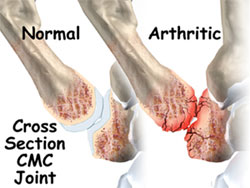 Your doctor may recommend a thumb joint replacement surgery if the non-surgical treatments were not successful to ease the problems of thumb arthritis. In this article, we’ll help you to understand the following:
- Which parts of the thumb are involved?
- How the surgeons perform this surgery?
- What to expect before and after the surgery?
Anatomy-Which parts of the thumb are involved?
The carpometacarpal joint or CMC joint of the thumb is where the metacarpal bone of the thumb attaches to the trapezium bone of the wrist. Sometimes, it is referred as the basal joint of the thumb. The CMC joint allows you to move your thumb into your palm, a motion is called opposition.
Several ligaments hold the joint together to form the joint capsule of the CMC joint. The joint capsule is a watertight sac around the joint. The joint surfaces are covered with a material called as articular cartilage, which is a sticky, spongy material that covers and allows one side of a joint to slide against the other joint surface. When this material wears out, the joint develops osteoarthritis that becomes painful.
Check out the Patient Testimonial, where the patient shares about their success stories from treatments through Joint Replacement Surgery Hospital India.
Hello, my name is Wendy Okonjo from Nigeria. I underwent thumb joint replacement surgery in India with the assistance of your surgery group. Earlier, I suffered with pain due to the arthritic pain in my right hand thumb for about three years. One of my friends had got her knee replacement surgery in India with your surgery group and shared her wonderful experience during her trip. She was impressed with the high quality medical services and care she received at the hospital. I contacted your surgery group and after discussing my medical conditions and sending my reports, I got my surgery fixed with them. The surgeon was well-qualified and knowledgeable. He explained me about the surgery and what I should expect before the surgery. The nurses were so caring and very friendly. My surgery went well and I experienced minimal pain. After about five weeks of surgery, I am still trying to rebuild the strength. I am grateful to your surgery group for the dedicated efforts and wonderful support during this entire journey.
What does the surgeon hope to achieve?
The arthritic joint surfaces can be sources of pain, stiffness and swelling. It is used to replace the damaged joint surfaces so that patients can perform their activities with less pain. Unlike a fusion surgery, which binds the joint together, an arthroplasty can help to take away the pain while allowing the thumb joint to retain the movement.
How should I prepare for the surgery?
The decision to undergo the surgery should be jointly taken by you and your surgeon. You need to understand the procedure and clear your questions and concerns by talking with your surgeon. Once you decide on the surgery, you need to take several steps. You’ll be asked to undergo a complete physical examination by your regular doctor to ensure you are in the best possible condition to undergo the operation.
Secondly, this preoperative visit will prepare you for your surgery. You’ll begin to learn some of the exercises that you’ll use during your recovery. Your therapist will help you anticipate any special needs or problems that you may have at home, once you are discharged from the hospital.
You’ll probably be admitted to the hospital early in the morning on the day of the surgery. You shouldn’t drink or eat anything after midnight, the night before surgery.
What happens during surgery?
Before we describe the procedure, let us look at the artificial thumb joint. The surgeons will have several ways to replace thumb joint surfaces. One method is to attach the ends of a prosthesis implant into the bones of the thumb joint. A newer method uses a small, marble-shaped implant to form the new joint surfaces. The spherical implant works like a ball bearing to give the joint a smooth arc of the movement.
The procedure takes about two hours to complete. The new method using the ball implant takes about 30 to 60 minutes. The surgery may be performed under general anesthesia or local anesthesia. Once you have anesthesia, your surgeon will ensure that the skin of your hand is free of infection by cleaning the skin with a germ-killing solution.
During the prosthesis implant procedure, an incision is made across the base of the thumb while the soft tissues are spread apart with a retractor. Special care is taken not to damage the nearby nerves going to the thumb. The joint capsule is opened, exposing the CMC joint. The ends of the bones forming the CMC joint surfaces are then taken off, forming flat surfaces. A burr is used to make a canal into the bones to form the thumb joint. The surgeon sizes the stem of the prosthesis to ensure a smug fit into the canal and then inserts it. When the new joint is in place, the surgeon then wraps the joint with a strip of the nearby tendon to give the new implants some added stability and protection. Then the skin is stitched together and a splint is applied.
During the Spherical implant method, the thumb joint is used as a spherical implant that looks like a marble. Your surgeon makes a small, one-inch incision at the base of the thumb joint. The ends of the bones form the CMC joint surfaces which to removed to form the flat surfaces. A burr is used to make a small notch or canal at the ends of the two bones. Your surgeon shapes the notch so that the ball-shaped implant will fit smugly in the joint and places between the ends of the shaped bones. The soft tissues are then sewn together and the thumb is splinted and bandaged.
What happens after surgery?
After surgery, your thumb will be bandaged with a well-padded dressing and a splint for support. This splint will keep the thumb in a natural position during healing. Your surgeon will check your hand within five to seven days. The stitches will be removed after 10 to 14 days, though most of the stitches will be absorbed into your body. You will be given pain medication to control discomfort after the surgery. You should keep your hand elevated above the level of your heart for several days to avoid swelling and throbbing. Keep your hand propped up on a stack of pillows while sleeping or sitting up.
Are you looking for Affordable Cost of Thumb Joint Replacement Surgery in India?
Please enquire with us Get a “No Obligation Quote”
What to expect during my rehabilitation?
A physical or occupational therapist will direct your recovery program. The rehabilitation time will depend on the type of procedure used. It may take up to three months after replacement with a prosthesis implant. The patients wear an arm-length cast with the thumb pointing out for about three weeks after this surgery. The patients are able to return back to their normal activity within three to five weeks after the spherical implant surgery. Since the surgery doesn’t require the surgeon to disturb the tendons near the joint so the recovery is faster. You can start the range of motion exercises involving the use of ceramic ball within one week after surgery.
The first few physical therapy treatments will focus on controlling the swelling and pain from the surgery. Your therapist will use a gentle massage and other hands-on treatments to ease the muscle spasm and pain. Strengthening exercises will be used to provide added stability around the thumb joint. You’ll learn to grip and support the items to do your tasks safely and with the least amount of stress on your thumb joint. As with any other surgery, you should refrain doing too much too quickly.
Some of the exercises will be designed to get your hand and thumb working in ways that are similar to your work tasks and daily activities. Your therapist will find better ways to do the tasks that don’t put too much stress on your thumb joint. Before the end of your therapy sessions, your therapist will teach you a number of ways to avoid further problems.
The goal of the therapist is to help you keep the pain under control, regain the fine motor abilities with your hand and thumb and improve the strength and range of motion.
Thumb Joint Replacement Surgery Hospital India
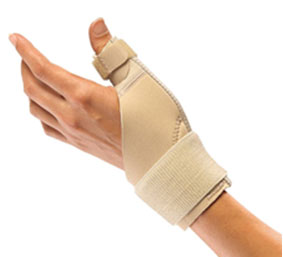
Indian Hospitals are becoming a more important component of medical tourism. India is at the center of this concept. Based in Nagpur, the hospital provides all the amenities and services that one would require to get their health back to normalcy. It is well connected with Mumbai and Pune, two of the travelling behemoths in India, which makes it one of the most accessible hospitals in India.
Thumb joint replacement surgery is one of the most critical surgeries among all, and is mainly required because of arthritis of the thumb joint. There is no medical treatment available for thumb joint arthritis. This arthritis might become painful and decrease the movement of the thumb joint. The only option one has, is cortisone injections, but that too is a limited option, as one cannot take an unlimited amount of cortisone injections. Therefore, one has no other option but to sign up for thumb joint replacement surgery.
We have all the necessary, top of the line machinery and devices that = provide the right kind of support and service to people who sign up with us for medical treatment and medical surgeries. We have some of the most renowned and skilled surgeons and a large number of surgery related resources, which makes it easier to provide all the services that our patients and clients would require. We strive to be a single window service provider for all kinds of surgeries and related services.
Our hospital takes extreme care and concern when it comes to diagnosis of the medical issue that people are facing, to ensure that we, as well as our clients and patients get a clear picture of what they ail from, and how there can be a solution for it. We have a number of experienced and skilled doctors, surgeons and other medical personnel, who have been on our panel for a number of years. These surgeons are well known in the field, and provide only the best kind of service that would be required. With medical tourism, it is becoming a lot easier to travel to India for medical help. It is also the most economical option that is available. We understand the issues that people traveling from foreign countries for medical treatment might face, and therefore provide all the amenities and services – medical as well as non-medical – so that they have a safe and comfortable experience, and strive to be a single window service provider, ensuring that the patients and clients do not face any amount of inconvenience. With our country having diplomatic relations with almost every country, we as a hospital are well equipped to provide you with all the services, amenities and surgeries that you would require for a safe surgery and a healthy and safe future. Contact us today for your medical requirements, and we are sure that we will be able to provide you the best options.
If you are really seeking for Thumb Joint Replacement Surgery, kindly fill up the form for a free consultation with our surgeons. You will be provided with thorough analysis and suggestions regarding the Thumb Joint Replacement Surgery you are seeking.
Listen to the Voices of Our Happy Patients
FAQ’s
That is a decision that is best made between you and your treating physician. Typically, surgery is only considered if conservative treatments fail and the pain from arthritis continues to limit your activity or cause pain that is intolerable.
Most surgeons practice at one or two local hospitals. Find out where your operation will be performed. Have many of the operations you are thinking about having been done in this hospital? Some operations have higher success rates if they are done in hospitals that do many of those procedures. Ask your doctor about the success rate at this hospital. If the hospital has a low success rate for the operation in question, you should ask to have it at another hospital. Until recently, most joint replacement surgery was performed on an inpatient basis and patients stayed in the hospital for 1 or more days. Today, a lot of surgery is done on an outpatient basis in a doctor’s office, a special surgical center, or a day surgery unit of a hospital. Outpatient surgery is less expensive because you do not have to pay for staying in a hospital room. Ask whether your joint replacement surgery will be done in the hospital or in an outpatient setting. If your doctor recommends inpatient surgery for a procedure that is usually done as outpatient surgery, or just the opposite, recommends outpatient surgery that is usually done as inpatient surgery, ask why. You want to be in the right place for your operation.
Anesthesia is used so that surgery can be performed without unnecessary pain. Your surgeon can tell you whether the operation calls for local, regional, or general anesthesia, and why this form of anesthesia is recommended for your procedure.
Local anesthesia numbs only a part of your body for a short period of time, for example, a tooth and the surrounding gum. Not all procedures done with local anesthesia are painless. Regional anesthesia numbs a larger portion of your body, for example, the lower part of your body for a few hours. In most cases, you will be awake with regional anesthesia.
General anesthesia numbs your entire body for the entire time of the surgery. You will be unconscious if you have general anesthesia.
Anesthesia is quite safe for most patients and is usually administered by a specialized physician (anesthesiologist) or nurse anesthetist. Both are highly skilled and have been specially trained to give anesthesia. If you decide to have an operation, ask to meet with the person who will give you anesthesia. Find out what his or her qualifications are. Ask what the side effects and risks of having anesthesia are in your case. Be sure to tell him or her what medical problems you have including allergies and any medications you have been taking, since they may affect your response to the anesthesia.
Your surgeon can tell you how you might feel and what you will be able to do or not do the first few days, weeks, or months after surgery. Ask how long you will be in the hospital. Find out what kind of supplies, equipment, and any other help you will need when you go home. Knowing what to expect can help you cope better with recovery.
Ask when you can start regular exercise again and go back to work. You do not want to do anything that will slow down the recovery process. Lifting a 10 pound bag of potatoes may not seem to be “too much” a week after your operation, but it could be. You should follow your surgeon’s advice to make sure you recover fully as soon as possible.
Health insurance coverage for surgery can vary, and there may be some costs you will have to pay. Before you have the operation, call your insurance company to find out how much of these costs it will pay and how much you will have to pay yourself.
Ask what your surgeon’s fee is and what it covers. Surgical fees often also include several visits after the operation. You also will be billed by the hospital for inpatient or outpatient care and by the anesthesiologist and others providing care related to your operation.
After surgery, there is a significant recovery period. The thumb is casted, with a pin in place for one month, after which physical therapy is essential to regain flexibility and strength.
You can most definitely choose hotels as per your convenience to you and your budget.
You can talk to the doctor and satisfy all your medical queries. You can also send us your queries for answers from the top doctors.
To know about the procedure of getting an Indian Medical Visa, please go to our website where you will find all the details regarding the initial procedure. You can also send us a query regarding the same.
Yes. Many hospitals in India have language translators to help you communicate better and effortlessly with the doctors and medical staff.

Laminoplasty in India: Things to Consider While Going For The Surgery
Planning Your MedicaTrip to India?
Joint Replacement Surgery Hospital India makes it simple:
- Fill in our enquiry form — our executive will contact you shortly.
- Call us anytime: +91-9860432255
- Complete surgery details are available on our website.
What is Laminoplasty?
Laminoplasty is a surgical procedure that is carried out in the cervical region to decompress the spinal cord. In a way it is considered as narrowing down the spinal cord. Laminoplasty in India aims at decompressing the spinal cord along with the spinal curves. This can be done by hinging open the vertebrae at the same time.
How do I know if I am a good candidate for Laminoplasty Procedure?
Laminoplasty in India reviews of patients indicate that several spinal conditions can be treated with this surgery. But the most common ones are the patients who have cervical stenosis. This tends to occur when the spinal cord tends to become narrow. It can also arise due to bone spurs that may arise in the spinal curve.
When the spinal cord becomes narrow, it puts a lot of pressure on the nerves causing a great deal of pain. Some of the common symptoms to look out are
- Shoulder pain or pain in the arms of the legs
- Problems in the bladder or bowel functions
- Numbness or weakness in the neck
Check out the Patient Testimonial, where the patient shares about their success stories from treatments through Joint Replacement Surgery Hospital India.
Hi, I am Kelvin Madaki from Nigeria. I got laminoplasty in India through Joint Replacement Surgery Hospital. I would like to state that the care given by both the doctors and his staff has dramatically improved my life and improved my ability to lead an improved lifestyle. Prior to visiting India for my surgery, I was in constant pain with severe debilitating spasms. After contacting your website, you helped me with the travel and accommodation arrangements in India. I landed at the airport in India and was taken to the hospital. I met my surgeon who cleared all my doubts and made me feel comfortable. I will forever be grateful for the care given by these professional surgeons and his staff. Without your generous and compassionate care. I would like to express their gratitude for the care and compassion received at the hospital. May God bless you and shine his blessings upon you all.
Laminoplasty Procedure & Recovery & Effectiveness
This surgery will be performed at a surgical centre. The surgeon will widen the spinal cord by creating a hinge like movement in the lamina. This tends to reduce the pressure on the spinal canal. The procedure which the doctor will recommend will depend on a number of factors, including the overall health and the location of the problem. The surgery is performed in the front or the back of the neck depending upon the location of the problem. Each process has its own pros and cons and therefore Free Consultation Laminoplasty in India will help you form an accurate idea on how to proceed. It is not necessary that surgery is the only option as non surgical measures can also yield effective results.
Why Opting Laminoplasty is necessary?
Laminoplasty is considered as an alternative to laminectomy which instead of removing the bone, the thinning of the lamina is done and on the other side a door is formed in the form of a hinge. The surgeon can also address the other levels that may be compressed. The beauty of this surgery is that the available space will be increased, but no way it ensures that the spinal canal will be open for the spinal cord.
Are you looking for Affordable Cost of Laminoplasty Surgery in India?
Please enquire with us Get a “No Obligation Quote”
Why to choose an Indian Hospital for your Laminoplasty?
Indian hospitals are considered to the trendsetters in taking medical tourism to greater levels. Not the big cities, event the remote towns of India have much to offer in terms of excellent health care facilities. Affordable Laminoplasty in India is offered in most of the hospitals, where one can done the surgery with their budget. It is not only the cost, but the sure shot results and the quality of the manpower which draws the medical tourists to this part of the world. They are aware of the fact that they are in safe hands when they choose India.
Laminoplasty Cost in India
The cost is on the lesser side when one compares it to the advanced countries of the world. Low cost Laminoplasty in India ensures that you can spend your valuable money on other areas of tourism.
If you are really seeking Laminoplasty, kindly fill up the form for a free consultation with our surgeons. You will be provided with thorough analysis and suggestions regarding the treatments for Laminoplasty you are seeking for.
Faq
A cervical Laminoplasty is a surgical procedure performed on the cervical (neck) region of the spine to help relieve the painful pressure of spinal stenosis. Spinal stenosis is the gradual narrowing of the spinal canal, usually caused by arthritis, bone spurs, or the general wear and tear on the spine that occurs over time. A cervical Laminoplasty creates more space in the canal for the spinal cord and nerve roots, releasing the pressure and eliminating discomfort and numbness, while avoiding fusion and maintaining motion.
Frequent pain and/or numbness in the neck or down the arms are often an indication of spinal stenosis. However, other factors can cause the spinal canal to narrow. Bony growths (spurs) can constrict the pathways through which the nerves must travel. In addition, some people are born with a narrow spinal canal that becomes symptomatic as they age. The narrowing of the spinal canal may eventually cause pressure on the nerves and nerve roots that emerge from the spinal column. This irritation can result in pain and numbness, particularly after sitting or standing for extended lengths of time. A cervical Laminoplasty may be recommended in order to make more room for the nerves or nerve roots.
Surgery is usually the last option considered. If your symptoms are mild, you may not require any treatment at all. Other conservative treatments such as physical therapy, medications, and steroid injections may relieve symptoms for a time; however, they usually do not permanently change the underlying cause of the problem—the narrowing of the spinal canal. In some cases, a cervical Laminoplasty may be the best solution to remove irritation and create more space for the nerves.
Your doctor will use a number of approaches to evaluate and diagnose neck problems such as a herniated disc. These include:
A Detailed History – Your role in providing a detailed history is very important. Your doctor will need to know where and when it hurts, if there was a recent injury or fall, and a description of the pain. Are there positions or activities that make it feel worse? What makes it feel better? All of these details can help your doctor pinpoint the problem.
A Physical Exam – Once your history is given, a thorough exam by a spine expert is another important step in getting a good diagnosis.
Diagnostic Imaging – X rays can show the structure and alignment of the vertebrae, as well as the presence and size of bone spurs or other bony abnormalities.
CT or “computerized tomography” – This is a special kind of X ray machine. Rather than a single X ray, a CT scanner sends out a number of beams at different angles. These images are then read by a computer, producing detailed cross-sections or “slices” that can show the shape and size of the spinal canal and the surrounding structures.
MRI or “magnetic resonance imaging” – MRI is probably the most utilized study for disc evaluation. MRI uses a powerful magnet and radio waves. The images produced are very helpful in visualizing the soft tissues such as the spinal cord, as well as the discs and nerve roots.
Bone Scans – These are useful in revealing certain abnormalities such as infections, fractures, tumors and arthritis. Because bone scans are unable to differentiate between these problems, they are usually performed in conjunction with other diagnostic tests.
The time spent in the hospital after a cervical Laminoplasty depends on several factors, including your overall health and the extent of your particular surgery. Some people may be able to return home the next day while others may spend two to three days in the hospital.
The recovery time after a cervical Laminoplasty varies depending on your particular situation, the number of levels involved, and your general health. The key to a successful recovery is maintaining a positive attitude. You will be able to take short walks while in the hospital, and you should gradually increase the distance and frequency of your walks once at home. You may be asked to wear a neck brace after initial surgery. Physical therapy may be needed after cervical Laminoplasty. Your doctor will give you specific instructions on activity levels, including when you can resume driving and return to work.
You can most definitely choose hotels as per your convenience to you and your budget.
You can talk to the doctor and satisfy all your medical queries. You can also send us your queries for answers from the top doctors.
We accept different methods of payment like, cash, plastic cash, via net banking, etc.
To know about the procedure of getting an Indian Medical Visa, please go to our website where you will find all the details regarding the initial procedure. You can also send us a query regarding the same.
Many hospitals in India have language translators to help you communicate better and effortlessly with the doctors and medical staff.
Joint Replacement Surgery Hospital India offers highest quality bone and joint health care with attentiveness, care and compassion to meet the needs of the patients and their loved ones. The medical team includes board-certified orthopedic surgeons who are familiar with all the aspects of the musculoskeletal system. Our hospital uses the most advanced technologies available for the orthopaedic procedures and has a lower complication rate.
Torn Achilles Tendon In India Things To Consider Going For The Surgery
Planning Your MedicaTrip to India?
Joint Replacement Surgery Hospital India makes it simple:
- Fill in our enquiry form — our executive will contact you shortly.
- Call us anytime: +91-9860432255
- Complete surgery details are available on our website.
Torn Achilles Tendon Overview
The Achilles tendon is an important part of your leg. It is found just behind and above your heel and it joins the heel bone to the half muscles. Its main function is to help you bend your feet downwards at the ankle. Torn Achilles tendon in India is a condition where pain, swelling or stiffness along with weakness is noticed in the Achilles tendon. After each injury the tendon does not heal completely.
How do I know if I am a good candidate for Torn Achilles Tendon?
A Torn Achilles tendon in India reviews of patients indicates that the following are the common candidates:
- When there is overuse of the Achilles Tendon- this is a problem who run regularly and who are into too much dancing.
- Exercise or training wearing the wrong footwear
- Having poor flexibility – for example, having tight or underdeveloped thigh.
- Having a high arched foot.
Check out the Patient Testimonial, where the patient shares about their success stories from treatments through Joint Replacement Surgery Hospital India.
Hi, I am Paul Okafor from Nigeria. I came to India for torn Achilles tendon surgery through Joint Replacement Surgery. I had suffered an injury from a freak accident a year earlier, where my Achilles tendon had partially torn. I was in constant pain and it had limited the functionality in my foot and ankle. My doctor told me to undergo a surgery. So I started searching for quality medical treatment abroad. I went through your website and contacted them. I reached India and was taken to a hospital where the staff gave me a warm welcome. The surgeon was very professional and the nurses were quite compassionate. My surgery went smoothly. I would like to take this opportunity to thank my surgeons, nurses and the team of healthcare group for the excellent support and care I received during my journey. Overall, it has been a wonderful experience for me.
Torn Achilles tendon Procedure & Recovery & Effectiveness
The doctors will first diagnose the symptoms of Achilles tendon and the swelling or the tenderness would first start off things. Some amount of exercises may be recommended to put stress on your Achilles tendon. It may require you to stand on the affected leg and raise your leg above the ground. For most people affected this may increase the pain.
After the initial round of treatment, if nothing fails to yield the desired results, then Free Consultation Torn Achilles Tendon Surgery in India is a must. In most cases than not surgery will be the only option left in such cases. Most people who have undertaken Affordable Torn Achilles Tendon Surgery in India are happy with the results and their pain is relieved. The process involves
- Nodules are made which have developed within the damaged tendon
- Making length ways cut in the tendon which helps to stimulate and encourage healing of the tendon.
Are you looking for Affordable Cost of Torn Achilles Tendon Surgery in India?
Please enquire with us Get a “No Obligation Quote”
Why Opting Torn Achilles Tendon Surgery is necessary?
When the Achilles tendon is torn then it is known as a rupture. The tear can be complete or partial. In case of partial tear the tendon is torn but it is joined to the calf muscle. It is normally torn when there is a high level of stress on it. There are two options for the treatment, that are resorting to non surgical methods and the other is to remove it surgically. The latter is to adopt the conservative methods and it involves being in a brace for six to eight weeks.
Why to choose an Indian Hospital for your Torn Achilles Tendon?
Indian hospitals are on an upward curve with the best of facilities in medical along with surgical care. Most of the surgeons who are part of the hospitals have had their education in the renowned medical institutions of the world and later on come to India to practice their skill sets.
Torn Achilles tendon Cost in India
Low cost Torn Achilles tendon in India is provided by a host of medical tourism companies. Quite often when you visit a country like India, you are stranded for help in terms of culture and what to choose and what not to. This is where the role of medical tourism companies comes into prominence.
If you are really seeking Torn Achilles Tendon Surgery, kindly fill up the form for a free consultation with our surgeons. You will be provided with thorough analysis and suggestions regarding the Torn Achilles Tendon Surgery you are seeking.
Listen to the Voices of Our Happy Patients
FAQ’s
Joint Replacement Surgery Hospital India offers highest quality bone and joint health care with attentiveness, care and compassion to meet the needs of the patients and their loved ones. The medical team includes board-certified orthopedic surgeons who are familiar with all the aspects of the musculoskeletal system. Our hospital uses the most advanced technologies available for the orthopaedic procedures and has a lower complication rate.
The surgery to treat an Achilles tendon rupture involves an incision along the back of the ankle. Usually the incision is made just to the side of midline so shoes will not rub on the site of the scar. The torn ends of the Achilles tendon are identified and strong sutures are placed at both ends of the tendon. These strong sutures are then tied together to repair the tendon.
Achilles tendon rupture is most often treated surgically to reattach the tendon to its normal position. Non-operative management can be undertaken, generally people who live sedentary lifestyles or who may have problems with wound healing. Non surgical treatment of an Achilles tendon rupture is accomplished by casting the Achilles tendon for several months. In these patients, the number of re ruptures is higher compared to those patients who have surgical repair. In patients who have surgery for an Achilles tendon rupture, less than 3% experience a rerupture of the tendon.
Patients will be provided a discharge instructions sheet provided by the surgeon that instructs patients on how to look after their wounds, what activities they should avoid, and which exercises they should do to aid in their recovery. At a follow-up visit the surgeon will inspect the incisions, remove sutures, and discuss the rehabilitation program.
Rehabilitation following Achilles tendon repair is a controversial topic. Traditionally, patients were casted after surgery for a period of 4 to 8 weeks and after that time, patients were allowed to gently move the ankle. More recently, studies have shown that patients do well and heal faster with more rapid mobilization. If a solid repair is attainable, patients may not be casted at all, and allowed to begin motion immediately after surgery. These patients will use a removable boot when walking for several weeks.
The most common and worrisome complications following an Achilles tendon repair are problems with wound healing. The skin over the Achilles tendon, sometimes does not heal well. Therefore, careful wound management is of utmost important following surgical repair of an Achilles tendon rupture. Other potential problems include infection, ankle stiffness, and rerupture of the tendon.
Some swelling is to be expected and it may actually increase gradually for the first two to three days. If the bandage feels tight, you should re-apply it more lightly and elevate the leg to reduce the swelling. Apply ice packs for 20 to 30 minutes every few hours may help to reduce the swelling and act as pain relief as required. If it persists, contact your surgeon if you have any concerns.
Exercises are very important, as most of the ankle’s strength comes from the muscles surrounding it and not from the tendons or ligaments. You will not harm the ankle by doing strengthening exercises as recommended by your surgeon or physiotherapist. These should be performed according to the directions.
Weight bearing is not usually possible after tendon achilles surgery. Crutches or some form of weight support may be recommended by your surgeon depending on the operation. Once the pain eases it is important to gradually increase weight bearing on the leg.
Any sport that involves significant weight-bearing stresses or twisting movements must be avoided until approved by your surgeon. Although cartilage and ligament repair often results in a near normal ankle, the ankle does have an increased likelihood of developing arthritis in the long term, so extreme weight-bearing activities need to be modified. Exercises that have less impact on ankles include swimming, cycling and walking.
Maintaining a normal body weight, low impact exercises and a healthy diet.
It is important that you follow your surgeon’s instructions with regards to exercising the ankle to avoid complications of stiffness in the ankle. Exercises are very important, as most of the ankle’s strength comes from the muscles surrounding it and not from the tendons or ligaments. You will not harm the ankle by doing strengthening exercises as recommended by your surgeon or physiotherapist. These should be performed according to the directions.
You can most definitely choose hotels as per your convenience to you and your budget.
You can talk to the doctor and satisfy all your medical queries. You can also send us your queries for answers from the top doctors.
To know about the procedure of getting an Indian Medical Visa, please go to our website where you will find all the details regarding the initial procedure. You can also send us a query regarding the same.
Many hospitals in India have language translators to help you communicate better and effortlessly with the doctors and medical staff.
Low Cost Toe Joint Replacement Surgery in India
Planning Your MedicaTrip to India?
Joint Replacement Surgery Hospital India makes it simple:
- Fill in our enquiry form — our executive will contact you shortly.
- Call us anytime: +91-9860432255
- Complete surgery details are available on our website.
What is Toe Joint Replacement Surgery?

Orthopaedics is the stream of medicine, which in a way is conferred as the modern surgical mechanism deals with the treatment of the bones and the joints. It involves a detailed analysis of the musculoskeletal system, which depicts the capacity of a human being or an animal to move with the help of their muscles and bone.
In the world of today, due to the trendy lifestyles pain in the joints as well as the muscles are a common phenomenon. The first thing the masses resort to in such a scenario is visit an orthopaedic surgeon. The surgeons have to exercise caution in treating the patients as surgery might not only be the viable option in all the cases. At times non surgical procedures depending on the conditions and symptoms of the disease could do the trick.
Check out the Patient Testimonial, where the patient shares about their success stories from treatments through Joint Replacement Surgery Hospital India.
Hello, my name is Mrs. Martha Thomas from the UK. I underwent toe joint replacement surgery in India with the assistance of your surgery group. For years, I suffered my arthritic joint in my right foot and it took a lot of efforts even for walking. My doctor suggested me to get a replacement surgery. However, the cost of the surgery was beyond my budget. While looking out for a more affordable option, I came across various websites offering quality medical services. I approached these websites and send my inquiry for the surgery. One of my friends, relative had got her surgery through your surgery group and was highly speaking about her experience in India. According to her, the hospital was clean and convenient and the staff made her feel comfortable. Considering her recommendation, I got my appointment fixed in India after contacting them. They helped us with the travel, food and stay arrangements in India. An official received us at the airport and escorted us to the hospital. The surgeon and his staff were true professionals and very kind. The surgery went well. I am still recovering and following the post surgical instructions. I want to thank your group and would recommend you to anyone looking to have toe replacement surgery in India.
What to Expect During the Toe Joint Replacement Surgery?
The Toe Joint Replacement is performed under general anaesthetic. Most patients can go home the day after the surgery.
During this surgery, your surgeon will make a small incision near your big toe joint and examine the current damage to the joint. Any bone spurs or lumps will be shaved smooth. They will use a prosthesis or replacement components made me up of either plastic or metal for replacing the part or your entire toe joint.
The choice of the prosthesis and the extent of the surgery will depend on your medical situation. You should discuss all the options with your consultant.
What to Expect After the Toe Joint Replacement Surgery?
At the completion of your surgery, the wound will be closed with stitches or staples. Your foot will be covered with a dressing. You will receive help to begin walking the day following your surgery. You will be required to use the crutches. You will need a special shoe that will make it easier to avoid putting full weight on your new toe joint. A physiotherapist will visit you to show the exercises that will help you with range of motions.
What to Expect with Recovery at Home?
Take any pain medications that are given by your doctor. You should avoid putting full weight on your foot until 6-8 weeks or you are released to do so. After 10 to 14 days, your stitches and staples will be removed.
You will need to undergo an X-ray to ensure the bone is growing correctly around the new implants. If this is the case, then you are allowed to increase the weight bearing on your foot and gradually return back wearing the normal shoes. You need to continue performing the exercises recommended at the hospital.
Most of the patients are able to resume light exercises at about ten weeks. As with any other surgery, the swelling may persist for several months post surgery.
Are you looking for Affordable Cost of Toe Joint Replacement Surgery in India?
Please enquire with us Get a “No Obligation Quote”
Why Choose an Indian Hospital for Toe Joint Replacement Surgery Hospital?
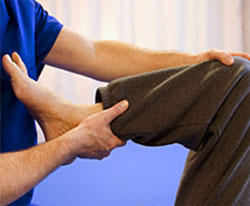
Precise treatments pertaining to the pain in the bones and joints are available in the country. The icing on the cake stems from the fact that certain advanced forms of treatment like Birmingham hip resurfacing technique are present in the country which is not even mentioned in the medical charters of advanced countries like the United States. So the curiosity arises on what is this form of treatment which is a conventional replacement of the hip.
Precise treatments pertaining to the pain in the bones and joints are available in the country. The icing on the cake stems from the fact that certain advanced forms of treatment like Birmingham hip resurfacing technique are present in the country which is not even mentioned in the medical charters of advanced countries like the United States. So the curiosity arises on what is this form of treatment which is a conventional replacement of the hip.
The inflow of foreign patients to India is increasing with every passing day. The efforts and contribution of the surgeons have a huge say in this. They have had their education in the top medical institutions of the country along with practicing their skills among the best medical centres in the world. Even the doctors who practice in the country are of the highest order.
Of late Toe joint replacement surgery has been a revelation in the world of surgery. If the testimonies of the medical tourists coming to the country are an indicator the surgery tops the list. The low cost of treatment, quality health care and a well developed tourist industry are the pillars on which the medical tourism industry survives. “Yesterday’s regret and tomorrow’s hope is Today’s opportunity.
If you are really seeking for Toe Joint Replacement Surgery, kindly fill up the form for a free consultation with our surgeons. You will be provided with thorough analysis and suggestions regarding the Toe Joint Replacement Surgery you are seeking.
Listen to the Voices of Our Happy Patients
FAQ’s
The new generation of prosthetic joints lasts longer than ever. In most cases, prosthetic joints can hold up for longer than your bone and on average our center has seen joints last over 10 years or more.
You should be able to play sports and return to other activities within three to six months of having toe joint replacement. In some cases, physical therapy will be required to aid the recovery process.
Thanks to anesthesia, you should not experience any pain during your toe joint replacement. Some patients experience minimal discomfort after the surgery, but your doctor can help mitigate that with pain medication.
You should rest and keep your foot elevated for the first 3-4 days after having toe joint replacement. After that, you should be able to walk in a cam walker boot with crutch assistance. Your doctor will give you specific instructions about what to do after your procedure.
You may need physical therapy to help fully improve your post operative range of motion. Your doctor will advise you about the type and length of physical therapy required in your case.
You can most definitely choose hotels as per your convenience to you and your budget.
Can I speak with the doctor before I come to India for treatment?
You can talk to the doctor and satisfy all your medical queries. You can also send us your queries for answers from the top doctors.
To know about the procedure of getting an Indian Medical Visa, please go to our website where you will find all the details regarding the initial procedure. You can also send us a query regarding the same.
Yes. Many hospitals in India have language translators to help you communicate better and effortlessly with the doctors and medical staff.