


Category Archives: Joint Pain Disorders

Achilles Tendon Disorders
Achilles Tendon Disorders

Planning your medical trip to India is a very simple process with Joint Replacement Surgery Hospital India
- You just need to fill in our enquiry form and one of our executives will contact you soon.
- +91-9860432255 Call us at the given contact number for any assistance.
- Complete information regarding surgery is provided on our website.
Achilles tendon Disorders: Overview
The Achilles tendon attaches the calf muscles to the heels. This tendon helps you to walk, run and stand on the balls of your feet. Continuous physical activity causes inflammation of the Achilles and this is known as the Achilles tendon. Achilles Tendon Disorders in India can be treated by adopting some home based strategies. However, if it does not yield the desired results, then it is better to consult a doctor.
Causes & Signs and Symptoms of Achilles tendon Disorders
One of the major causes of the Achilles tendon is excessive exercise. Though factors not related to exercise may also contribute to the risk. Any repeated activity which strains the Achilles tendon can contribute to the problem.
The main symptom of the Achilles tendon is swelling or a feeling of pain in your heel as you walk or run. When one has a sneak peek at Achilles Tendon Disorders in India review cases this is the major cause for the disorder. Wearing an old pair of shoes or high heels can aggravate the problem.
Patient Testimonial
Hello, my name is Peter Kabaka from Kenya. I was playing indoor soccer and felt someone kick me from behind and fell over. I was in great pain and went to my local doctor who advised me to undergo Achilles tendon surgery. Lack of basic amenities and infrastructure for medical services in Kenya made me search for my surgery abroad. I found your healthcare company in India offering medical services at such an affordable price. I contacted you with my query and they helped me get through the entire process. I came to India and was taken to a reputed hospital. I met my surgeon who was a gentleman and explained everything prior to the surgery. He made me feel easy and comfortable. The nurses were quite compassionate and caring. My surgery went smoothly. I want to thank everyone, including the healthcare group, my surgeon and nurses for helping me throughout my entire medical tour to India.
Diagnosis & Treatments of Achilles tendon Disorders
Free consultation Achilles Tendon Disorders in India are provided in most of the elite hospitals of the country. To start off the diagnosis process, the doctor will ask you a few questions about the pain and swelling in your heel. One may be asked to stand on the balls of the feet to observe the range of motion and flexibility. Imaging tests may also be undertaken like
• X ray which provides the bones of the foot and the legs
• Ultrasound that shows the bone movement and the related damage
A variety of treatment is prescribed for the treatment of Achilles tendon. This may range from rest, medicines in the form of aspirin to steroids or surgeries. Sometimes conservative treatments may not yield the desired results and then surgery is the evitable option.
Are you looking for Affordable Cost of Achilles Tendon Disorders in India?
Please enquire with us Get a “No Obligation Quote”
Lifestyle Changes after Treatments of Achilles tendon Disorders
To reduce your chances of the Achilles tendon, stretch your calf muscles at the beginning of each day to improve your agility, which will make you less prone to injury. To stretch your Achilles, stand with a straight leg and try to lean forward as you keep the heel on the ground. The expert opinion of a doctor is recommended before you undertake any exercise regime.
Why Choose Indian Hospital for Treating Achilles tendon Disorders?
India has some of the best hospitals for bones and joint disorders. When one compares it to the western world, Low cost Achilles Tendon Treatment in India is a stand out feature. One will be making substantial savings when they undertake the treatment in this part of the world and the quality is a core feature. Most of the hospitals offer free consultation Achilles Tendon Disorders in India, where a prescribed path of treatment is followed. For these excellent services, medical tourism in India has made rapid strides and it is one of the major money spinners for the Indian economy.
If you are really seeking treatments for Achilles Tendon Disorders, kindly fill up the form for a free consultation with our surgeons. You will be provided with thorough analysis and suggestions regarding the treatments for Achilles Tendon Disorders you are seeking.
FAQ’s
One of the surest ways to sustain excessive damage or develop a chronic condition is to continue to use an injured body part as you normally would. With this in mind, it is important to recognize the symptoms of Achilles tendonitis so it does not evolve into a long-term problem.
The primary symptom of this condition is pain above your heel or in the back of your lower leg. This typically starts as a mild ache, but then progressively becomes worse, especially following prolonged physical activity. Sprinting, stair climbing, and even simply running contribute to increasing pain.
Other symptoms of Achilles tendonitis include stiffness and tenderness in the tendon, particularly in the morning. This will typically improve with mild activity as the tendon stretches.
Joint Replacement Surgery Hospital India offers highest quality bone and joint health care with attentiveness, care and compassion to meet the needs of the patients and their loved ones. The medical team includes board-certified orthopedic surgeons who are familiar with all the aspects of the musculoskeletal system. Our hospital uses the most advanced technologies available for the orthopaedic procedures and has a lower complication rate.
Your doctor can tell if you have an Achilles tendon problem by asking questions about your past health and checking the back of your leg for pain and swelling. If your symptoms are severe or don’t improve with treatment, your doctor may want you to get an X-ray, ultrasound scan, or MRI.
Treatment for mild Achilles tendon problems includes rest, over-the-counter pain medicine, and stretching exercises. You may need to wear well-cushioned shoes and change the way you play sports so that you reduce stress on the tendon. Early treatment works best and can prevent more injury. Orthotic shoe devices can also help reduce stress on the tendon.
Even in mild cases, it can take weeks to months of rest for the tendon to repair itself. It’s important to be patient and not return too soon to sports and activities that stress the tendon.
Treatment for severe problems, such as a torn or ruptured tendon, may include surgery or a cast, splint, brace, walking boot, or other device that keeps the lower leg from moving. Exercise, either in physical therapy or in a rehab program, can help the lower leg get strong and flexible again. The tendon will take weeks to months to heal.
The following are the risk factors for the achilles tendon disorders:
1) Sports and physical activity.
2) Sports training errors.
3) Age
4) Weight
5) Footwear
Fibromyalgia in India: Causes, Signs, Symptoms, Diagnosis and Treatment in Indian Hospital
Planning Your MedicaTrip to India?
Joint Replacement Surgery Hospital India makes it simple:
- Fill in our enquiry form — our executive will contact you shortly.
- Call us anytime: +91-9860432255
- Complete surgery details are available on our website.
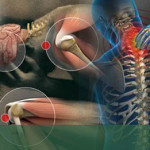
Fibromyalgia: Overview
Fibromyalgia is an unceasing condition characterized by fatigue , widespread pain in the joints and muscles. It is also associated with inflammatory disorders
Causes & Signs and Symptoms of Fibromyalgia
Fibromyalgia in India is also defined by chronic muscular pain and tenderness, but it includes a wide variety of symptoms. As per the Fibromyalgia in India reviews undertaken on various patients the common symptoms are
- Headaches
- Sensitive feeling towards hot or cold
- Stiffness in the mornings
- Sensitiveness to loud noises or any form of bright lights.
- Sensation of tenderness in the fingers
Very little information is available about the exact cause of Fibromyalgia. It is affected with psychiatric disorders. There is a considerable amount of debate on whether Fibromyalgia is an actual disease that can be clearly defined or cured. Some experts are of the opinion that Fibromyalgia could be associated with infections, physical or emotional trauma, genetics or a combination of all these. Some researchers are also of the opinion that Fibromyalgia in India may be due to problems with the autonomic nervous system.
Patient Testimonial
Hi, I am Lizy Novia. I am from Nigeria and came to India for treating fibromyalgia. I was very much involved in my work and family when suddenly one day I was diagnosed with fibromyalgia. While searching online about this condition, I found your website quite informative and contacted you. A nice and kind executive responded back and asked me to send my medical reports which they will discuss with their panel of experts and reply me back with doctor’s opinions. The hospital in India was hygienic and had a world class infrastructure. My surgeon and his staff took care of me and made me feel easy by clearing all my doubts. The staff was awesome and very caring. The surgery was easy and I hardly had to take any pain meds. I wish I would have done this surgery years ago. I would definitely recommend you to anyone needing surgery in India at such reasonable costs.
Diagnosis & Treatments of Fibromyalgia
As far as the diagnosis of Fibromyalia is concerned, doctors undertaken an analysis of the areas of the body to find out the extend of the pain. They also ask on a scale of 0 to 3, on how severe the symptoms are. The main objective of the diagnosis process is to find out whether the symptoms have been consistent for the last 3 months.
Since Fibromyalgia has a variety of symptoms, a combination of treatments is often recommended in addition to medication. Anti seizure drugs like Pregabalin and antidepressants like Cymbalta and Savella are approved by the food and drug administration for treating Fibromyalgia.
Lifestyle Changes after Treatments of Fibromyalgia in India
Some of the lifestyle changes recommended are
- Improve on the intake of water and preferably warm water and foods which aids in the digestion process
- Intake of fresh ginger tea as it is a good digestive
- Exercise- Undertaking regular amount of exercise where the pain in the joints are reduced to a large extent
In the overall context, it is specific to the individual’s constitution, geographical conditions and the nature of work.
Why Choose Indian Hospital for Treating Fibromyalgia?
If one is on the lookout for Low cost Fibromyalgia Treatment in India or Affordable Fibromyalgia in India then the hospitals will not disappoint you for sure. The question which might strike you is how the Indian hospitals are able to provide such high quality of services. The answer to this question is the differential cost in labor has a role to play along with the high standards of education undertaken by the medical staff. Most of them have had their education in the western countries of the world and later on come to India to practice their skills. Free consultation for Fibromyalgia in India is provided by most of the top notch hospitals in the country where you can find out whether surgery is the only option.
If you are really seeking treatments for Fibromyalgia, kindly fill up the form for a free consultation with our surgeons. You will be provided with thorough analysis and suggestions regarding the treatments for Fibromyalgia you are seeking.
Listen to the Voices of Our Happy Patients
FAQ’s
Joint Replacement Surgery Hospital India offers highest quality bone and joint health care with attentiveness, care and compassion to meet the needs of the patients and their loved ones. The medical team includes board-certified orthopedic surgeons who are familiar with all the aspects of the musculoskeletal system. Our hospital uses the most advanced technologies available for the orthopaedic procedures and has a lower complication rate.
For the most part, routine laboratory testing reveals nothing. However, upon physical examination, patients will be sensitive to pressure in certain areas of the body, called tender points. To meet the diagnostic criteria (set forth for research purposes), patients must have widespread pain in all four quadrants of their body for a minimum duration of three months and at least 11 of the 18 specified tender points. The 18 sites used for diagnosis cluster around the neck, shoulder, chest, hip, knee, and elbow regions (more than 90% of these areas are myofascial trigger points). However, if a person has widespread pain, at least six or more tender points and many of the commonly associated symptoms of fibromyalgia (such as disturbed sleep, irritable bowel syndrome, frequent headaches, fatigue, and memory problems), they should still be diagnosed and treated for fibromyalgia. Roughly 75% of chronic fatigue syndrome (CFS)- diagnosed patients will meet the fibromyalgia criteria. If you have been diagnosed with fibromyalgia or chronic fatigue syndrome, but you are unsure about the diagnosis, or you are concerned you have something else that mimics these conditions.
Traditional treatments are geared toward reducing pain and improving the quality of sleep, meaning that a sleep study may aid with individualizing your therapy. Deep level (stage 4) sleep is crucial for many body functions (such as tissue repair, antibody production, and the regulation of various neurotransmitters, hormones, and immune system chemicals). Therefore, the sleep disorders that frequently occur in fibromyalgia patients should probably be treated first because they may aggravate the symptoms of this condition. Ambien, Lunesta, clonazepam, and trazodone are just a few of the medications that may be used to aid sleep. For addressing the pain and the symptoms in general, medications that boost serotonin and norepinephrine (neurotransmitters that modulate sleep, pain, and immune system function) are commonly prescribed in low doses, such as amitriptyline, cyclobenzaprine and Cymbalta. Ultram may help with the pain, although stronger opioids may be needed. Muscle relaxants, anti-epileptics (such as Neurontin and Lyrica) and other drug categories may be prescribed as well.
In addition to medications, most patients will need to use other treatment methods, such as trigger point injections with lidocaine, physical therapy, occupational therapy, acupuncture, acupressure, relaxation/biofeedback techniques, osteopathic manipulation, chiropractic care, therapeutic massage, or a gentle exercise program.
Long term follow-up studies have shown that fibromyalgia is chronic, but the symptoms may wax and wane. The impact that fibromyalgia can have on daily living activities, including the ability to work a full-time job, differs among patients. Overall, studies have shown that fibromyalgia can be as disabling and life-impacting as rheumatoid arthritis.
Lifestyle modifications may help you conserve energy and minimize pain. Learn what factors aggravate your symptoms and avoid them when possible. Many patients find warm water (hot tub or shower) to be soothing. Hot wraps for particularly painful areas are also beneficial. Maintaining a rigid sleep schedule (e.g., ensuring that you receive at least eight hours of sleep per night and that you have a routine for easing you into sleep) is one method endorsed by patients to help minimize daytime fatigue and reduce nighttime sleep difficulties. Gentle movement and stretching exercises will help you maintain your function, which is essential when the body is tired and the muscles hurt.
No, but there are researched treatments that have been shown to be helpful for reducing the symptoms. Patients need to beware of the many bogus cures that are being promoted on the Internet and in the media. Many businesses count on people who are desperate to get rid of chronic, unrelenting pain (such as that produced by fibromyalgia). If a remedy sounds too good to be true, it probably is.
Doctors cannot “see” and may not understand the sources of your pain or fatigue. However, what they do observe is your anxiety and frustration with having to deal with these symptoms around-the-clock, which may wrongfully lead them to conclude that your symptoms are of a psychological nature. Also, the old school of thought regarding pain is that it is produced by tissue injury, and there is no obvious source of tissue injury in patients with fibromyalgia. Regardless, if your doctor does not believe that your symptoms are real, you owe it to yourself to find another doctor who believes in you and will work with you to help reduce your symptoms.
Although some degree of regular exercise is essential for maintaining function, and if done in warm water, it can improve circulation. Yet, exercise alone will not be enough to treat your fibromyalgia. Many studies on the use of exercise to treat fibromyalgia have been published over the years, and while the documented benefits are minimal, these studies are heavily promoted at medical conferences and widely publicized in the medical journals. Exercise is easy to prescribe and doesn’t cost anything, so it tends to be one of the first therapies that a doctor recommends for fibromyalgia. Yet, you have to be careful because over-working any one muscle will cause others to hurt more.
The pain of fibromyalgia has no boundaries. People describe the pain as deep muscular aching, throbbing, shooting, and stabbing. Intense burning may also be present. Quite often, the pain and stiffness are worse in the morning, and you may hurt more in muscle groups that are used repetitively. Read more about muscle stiffness and repetitive activity in fibro.
This symptom can range from mild to incapacitating. The fatigue has been described as “brain fatigue”—patients feel totally drained of energy. Many patients say that they feel as though their arms and legs are tied to concrete blocks, and they have difficulty concentrating (i.e., brain fog). Fibromyalgia fatigue is definitely not just being tired!
Most fibromyalgia patients have an associated sleep disorder called the alpha-EEG anomaly. This condition was uncovered in a sleep lab with the aid of a machine that recorded brain waves of patients during sleep. Researchers found that most fibromyalgia patients could fall asleep without much trouble, but their deep level (or stage 4) sleep was constantly interrupted by bursts of awake-like brain activity. Patients appeared to spend the night with one foot in sleep and the other one out of it.
If you wake up feeling as though you’ve just been run over by a Mack truck—what doctors refer to as “unrefreshing sleep”—it is reasonable for your physician to assume that you have a sleep disorder. However, to pinpoint the types of sleep disturbances present, an overnight sleep study may be warranted. In addition to the alpha-EEG finding, other sleep disorders have been identified in fibromyalgia patients, including sleep apnea (as well as the newly discovered form of interrupted breathing called upper airway resistance syndrome, or UARS), bruxism (teeth grinding), periodic limb movements during sleep (jerking of arms and legs), and restless legs syndrome (difficulty sitting still in the evenings).
Irritable Bowel Syndrome (IBS), which can include constipation, diarrhea, frequent abdominal pain, abdominal gas, and nausea is found in roughly 40 to 70% of fibromyalgia patients. In addition, Gastrointestinal Esophageal Reflux Disease (GERD), is equally common in people with fibromyalgia. This can include heartburn, chest pain, regurgitation, indigestion, and a chronic cough, among other symptoms.
Recurrent migraine or tension-type headaches are seen in about 70% of fibromyalgia patients and can pose a major problem in coping for this group. For some people, aggressive treatment of the migraines also provides tremendous relief of the overall pain of fibromyalgia. Myofascial trigger points, or those knots in your neck and shoulder muscles, are the primary cause of your headaches and they can be treated.
Changes in weather, cold or drafty environments, hormonal fluctuations (premenstrual and menopausal states), stress, depression, anxiety, infections (flu or a cold), and over-exertion can all contribute to symptom flare-ups. Repetitive use of the same muscle group can strain the muscles and lead to more pain.
Fibromyalgia does run in families and there appears to be a strong genetic component. If one parent has this condition, the odds that a child will develop, it is estimated to be 50%. Many research studies are under way to look at the genetic abnormalities that might be linked to various neurotransmitters involved in both pain and sleep regulation.
The best doctor to see is one who has lots of experience treating fibromyalgia patients. There is no specific medical specialty that “owns” this condition, so it is important to inquire about a physician’s level of experience and their general philosophy for treating fibromyalgia.
Studies show that roughly 25% of patients get worse over time, but another 25% get better. Some patients may be likely to improve because they have a good doctor willing to work with them to find which therapies they respond to. Also, as people age, other medical conditions can aggravate the symptoms of fibromyalgia, so it is imperative that patients seek aggressive treatment for age-related conditions, such as arthritis. A preventive medicine program with maintenance exercises and a healthy diet may prove worthwhile.
Balancing work and chronic illness is always a challenge, but most patients with fibromyalgia are able to remain employed. The answer to this question really depends upon one’s job and whether job accommodations can be made to ease the symptoms. Also, the development of other medical conditions may make fibromyalgia symptoms more severe and lead to the need to consider early retirement or disability. Studies show that roughly 25% of fibromyalgia patients receive some form of disability compensation at any given time. If you are experiencing difficulties with work, check out our disability-related articles in the Coping Resources section.
Only a few studies have been conducted on this topic, and most indicate that variations in barometric pressure (which occur when a storm front moves in) may worsen the symptoms. In addition, extreme cold weather and cool drafts can cause you to shiver and this will make your tight, knotted muscles more sore.
No, but a diet full of fruits and vegetables may supply your body with antioxidants, which are known to be useful for protecting your tissues and to minimize the development of “other” sources of pain. Irritable bowel syndrome and acid reflux are both common in people with fibromyalgia, so it is wise to avoid foods that irritate these conditions. Click here to read about how your diet can be affecting your symptoms.

Gout in India: Causes, Signs, Symptoms, Diagnosis and Treatment in Indian Hospital
Planning Your MedicaTrip to India?
Joint Replacement Surgery Hospital India makes it simple:
- Fill in our enquiry form — our executive will contact you shortly.
- Call us anytime: +91-9860432255
- Complete surgery details are available on our website.
Gout: Overview
This disease is a severe form of arthritis that is caused by excessive uric acid in the body. As a result of this, various parts of the body, such as toes, ankles, feet, wrists etc. swell up and become extremely painful for the patients. It is highly important to treat the same at the earliest, else will cause permanent damage to the joints and kidneys.
Causes & Signs and Symptoms of Gout:
The primary cause of this disease is the presence of uric acid in unnecessarily high quantities. Various factors that may make a person more prone to this disease include being overweight, Lead exposure, Having a family history of gout, drinking too much alcohol, having kidney problems, taking certain medications like diuretics or niacin etc.
Symptoms of this disease comprise of intense joint pain that lasts for a few weeks at one time and gradually spreads to other joints as well. Some patients also complain of redness, tenderness and swelling of joints.
Check out the Patient Testimonial, where the patient shares about their success stories from treatments through Joint Replacement Surgery Hospital India.
Hello, my name is Emmanuel Chinasa, Nigeria. I began experiencing increasing warmth and severe pain in my right ankle and toe. After consulting with my doctor, I was diagnosed with gout. A quick research on the internet gave me information about this condition. I started searching for effective treatment plan and came across your website. I filled up your form and got a prompt response from them. I was convinced with their services and gave my confirmation to get treatment in India. An official came to receive me at the airport and took me to a five star hotel. The next day, I was taken to a hospital that was hygienic and had a world class infrastructure. The medical services and facilities were excellent. My surgeon was a kind person who made me feel comfortable. The nurses were wonderful and took care of all my needs. I am thankful to your healthcare group for helping me find a cost-effective treatment in India.
Diagnosis & Treatments of Gout:
The diagnosis begins with your doctor taking some joint fluid out of your body in order to test it for any uric acid crystals. This fluid is called the synovial fluid and is the lubricating liquid. This is what the doctor tests for identification of gout. If the results indicated are positive, the doctor may also test the blood of the concerned patient to confirm the same.
For the treatment, the patient will have to take uric acid lowering drugs. The intake of such medication will gradually help the patient to reduce uric acid levels in the body and therefore manage this disease. It, however, cannot be controlled.
Lifestyle Changes after Treatments of Gout in India
It is only fortunate for the patients that this disease can be easily controlled if along with proper medication, an appropriate routine is adopted by the patients. Ensure regular intake of fluids that are of a non-alcoholic nature and visit your doctor on time. You must also avoid eating any food that has a high quantity of purines.
Lastly, since being overweight can cause this disease, it is highly recommended that the patients adopt a healthy routine and make exercising a part of their daily life. Make a proper plan and stick to it and stay fit.
Why Choose Indian Hospital for Treating Gout?
Since obesity is becoming a rising problem in India, the chances of Gout in India, too have increased manifold. The primary advantage that the patients get is a free consultation for Gout in India. It is owing to the expertise of the doctors and their rich experience that this disease is well treated in India at very reasonable costs and is strikingly affordable. Low cost Gout Treatment in India is also another pro for the patients. Further, Indian hospitals are highly patient oriented and cater to their customers very well. The satisfaction of customers is indicated Gout in India reviews given by the patients.
If you are really seeking treatments for Gout, kindly fill up the form for a free consultation with our surgeons. You will be provided with thorough analysis and suggestions regarding the treatments for Gout you are seeking.
Listen to the Voices of Our Happy Patients
FAQ’s
You should consult an Urologist or a General Physician.
It cannot be completely cured. But it can be prevented by administering medication which can prevent further damage.
If you eat a lot of foods that are rich in purines, you may get gout. Some of these foods are salmon, sardines, liver and herring. You may get gout if you’re
overweight, drink alcohol, or have high cholesterol. Men have gout more often than women do. Women are more likely to have gout after menopause. Some medicines may cause gout, such as certain diuretics (water pills), niacin (a B-complex vitamin), aspirin (taken in low doses), and some drugs used to treat cancer.
Change your diet plan. Avoid the intake of red meats, shellfish, beer, red wine and salt. First, pain relievers such as acetaminophen/Tylenol or other more potent analgesics are used to manage pain.
Secondly, anti-inflammatory agents such as nonsteroidal anti-inflammatory drugs (NSAIDS), colchicine, and corticosteroids are used to decrease joint inflammation.
Common side effects of NSAIDS include irritation of the gastrointestinal system, ulceration of the stomach and intestines, and even intestinal bleeding. Patients who have a history of allergy to aspirin or nasal polyps should avoid NSAIDS because of the risk of an intense allergic (anaphylactic) reaction.
Always take the medication after food or with a glass of milk.
Gout is a painful type of arthritis that develops when uric acid builds up in the body, leading to the formation of uric acid crystals in the joints. The big toe is a common site affected by gout, but it can also affect other joints, including the knees, ankles, heels, or toes. Affected joints are painful, red, swollen, and warm.
Gout is nine times more common in men than in women. It predominantly attacks males after puberty, with a peak age of 75. In women, gout attacks usually occur after menopause.
Uric acid. Uric acid crystals that build up in the joints, causing inflammation, are the cause of the characteristic symptoms of gout. Uric acid deposits can also occur beneath the skin (called tophi), and uric acid can also form kidney stones.
Because alcohol interferes with the body’s ability to remove uric acid, people with gout should avoid drinking alcohol. Alcoholic drinks, drugs, an illness, or even a stressful event can trigger an attack of gout. Attacks usually last for 3-10 days. Another attack may not occur for months to years, but many people with gout experience more frequent and longer attacks over time.
Symptoms of gout generally include the following: Warmth, pain, swelling, and extreme tenderness in a joint, an very red or purplish skin around the affected joint, which may appear to be infected. As the gout attack subsides, the skin around the affected joint may peel and feel itchy.
The most common sign of gout is a nighttime attack of swelling, tenderness, redness, and sharp pain in the big toe. Gout attacks also appear in feet, ankles, knees, fingers, heels, and elbows.
Family history.Gout tends to run in families; between 20-80% of those affected have a family history of the disease. Diets high in purines, male gender, overweight, lead exposure, and alcohol consumption are other risk factors.
In severe gout, dietary changes are usually not enough to prevent repeated attacks, and medications are needed to lower the uric acid. However, if you are not taking medication for your gout, and even if you are, it is reasonable to limit your intake of foods high in purines. For the first six months after starting allopurinol for gout, your diet is especially important in helping to prevent attacks. For more information, send us your query by filling up our free consultation form.
That depends on the type and severity of your gout and how your doctor is treating it. Some patients just have one or two gout attacks; they may be treated only when attacks occur and take no medications when they are doing well. However, many patients need long-term medications, which work only while you are taking them. For example, if your doctor has prescribed colchicine to prevent gout attacks, the attacks will return if you stop the drug. If you are given allopurinol to reduce the uric acid in the blood (to reduce gout attacks) or to reduce the uric acid in the urine (to reduce the risk of uric acid-related kidney stones), the risk returns if you stop the drug. So many patients need to take gout treatments for the rest of their lives. For more information on the different drugs prescribed for gout and how they work, send us your query by filling our form.
Joint Replacement Surgery Hospital India offers highest quality bone and joint health care with attentiveness, care and compassion to meet the needs of the patients and their loved ones. The medical team includes board-certified orthopedic surgeons who are familiar with all the aspects of the musculoskeletal system. Our hospital uses the most advanced technologies available for the orthopaedic procedures and has a lower complication rate.

Morton’s Neuroma in India: Causes, Signs, Symptoms, Diagnosis and Treatment in Indian Hospital
Planning Your MedicaTrip to India?
Joint Replacement Surgery Hospital India makes it simple:
- Fill in our enquiry form — our executive will contact you shortly.
- Call us anytime: +91-9860432255
- Complete surgery details are available on our website.
Morton’s neuroma Overview
The Morton’s neuroma is known by many different names in the medical fields. A neuroma is a growth of the tissue of the nerve. It is not to be confused with the tumors that can be malignant and cancerous as well. Neuroma can also be commonly used to say that there is a swelling. Morton’s neuroma is a condition in the foot where the 3rd and the 4th space cause the neuroma or swelling of the plantar nerve. It can lead to pain, numbness and trouble while walking. The pain is usually relieved by removing footwear. Treatment for Morton’s neuroma in India is highly specialized and affordable.
Causes & Signs and Symptoms of Morton’s neuroma
The neuroma can be caused by anything that could push or compress the nerve. Wearing the wrong shoe over an extended period of time can also lead to the condition. Some foot related deformities can also be a cause for Morton’s neuroma.
The most common sign or symptom that you could have the medical condition is that it pains when you are standing or bearing a weight. One could also experience a tingling sensation or burning. It is important to note the pattern when you feel pain, since removing your shoe or massaging the foot can give temporary respite and lead you to believe nothing is wrong. If you at all feel the pain repeatedly, make sure you visit your doctor for advice and checkup. You can easily get low cost Morton’s Neuroma Treatment in India anywhere.
Check out the Patient Testimonial, where the patient shares about their success stories from treatments through Joint Replacement Surgery Hospital India.
Hello, I am Emmanuel Culter from Zimbabwe. I came to India for treatment of Morton’s Neuroma through Joint Replacement Surgery Hospital. I was experiencing severe pain and numbness while walking. I went to my local doctor and was diagnosed with this condition. The lack of basic amenities and medical facilities made me look for treatment abroad. I came across your website and after following the procedure, I visited India. The hospital where I was treated was world class and hygienic. The doctors were friendly and made me feel relaxed. The nurses were quite supportive and caring. They looked after my needs throughout my stay. The services I received through them was fantastic and value for my money. I would definitely recommend anyone looking for any kind of treatments to get it done through this healthcare group in India.
Diagnosis & Treatments of Morton’s neuroma
If you experience pain, make sure you visit a doctor. He/ she will thoroughly examine your foot and try to access the pain severity by pressing where nerves, foot joints and bones. The aim is to get an accurate idea of where pain is experienced and the extent of the pain. Doctor would recommend an imaging to understand and see the results for accuracy of diagnosis. Non Surgical treatments include, but are not limited to padding, icing, orthotic devices, shoe modifications, or injection therapy.
Lifestyle Changes after Treatments of Morton’s neuroma
If you do not respond to non-surgical treatments, only then does a surgery become a last and only option. Doctor would recommend you a few weeks of rest and time to recover depending on the extent of damage and the ability of your body to recuperate from the disease. It is important to eat healthy and pay attention to doctor advice, a little exercise and physiotherapy also can be of great help.
Are you looking for Affordable Cost of Morton’s Neuroma Treatment in India?
Please enquire with us Get a “No Obligation Quote”
Why Choose an Indian Hospital for Treating Morton’s neuroma?
The world over, expertise, experience and skill of the Indian medical protege and surgeons is well heard of India has a spool of well trained, experienced and learned doctors who are more than willing and able to offer Free consultation Morton’s Neuroma Treatment in India for the patients and guide them in the right direction. Also, the comparative and affordable Morton’s Neuroma Treatment in India, make the worry for medical costs of treatment and post surgery a thing of the past. Morton’s neuroma Treatment in India Review for treatments has been a really positive one.
If you are really seeking treatments for Morton’s Neuroma, kindly fill up the form for a free consultation by our surgeons. You will be provided with thorough analysis and suggestions regarding the treatments for Morton’s Neuroma you are seeking.
FAQ’s
Whilst the term “Morton’s neuroma” is universally used, it is inaccurate as the pathology is more in keeping with an abnormal fibrous reactive thickening of the nerve, rather than of a true tumour of nerve tissue. The term peri-neural fibroma is generally recognised as being accurate. Morton’s neuroma is an entrapment neuropathy, which typically occurs between the 3rd and 4th toes metatarsals, although it also frequently occurs between the 2nd and 3rd toes. The nerve effectively becomes compressed against the intermetatarsal ligament. The relative incidence of neuroma formation between the 2nd and 3rd and 3rd and 4th interspaces varies, however, some studies have shown a greater incidence between the 3rd and 4th interspace.
Morton’s neuroma is perceived to be a common form of foot pain, frequently encountered in podiatric and orthopaedic clinics. However, no formal studies have been undertaken to establish its prevalence within the general population and this remains unknown.
Diagnosing joint injuries and disease begins with a thorough medical history and physical examination. Sometimes X-rays and laboratory tests are required to help diagnose the problem.
Patients will be provided a discharge instruction sheet provided by the surgeon that instructs patients on how to look after their wounds, what activities they should avoid, and which exercises they should do to aid in their recovery. At a follow-up visit the surgeon will inspect the incisions, remove sutures, and discuss the rehabilitation program.
The amount of surgery required and recovery time will depend on the joint problem. Recovery time varies markedly from patient to patient.
Although uncommon, complications do occur occasionally during or following Mortons Neuroma Surgery. They include infection, phlebitis (inflammation of a vein), excessive swelling or bleeding, blood clots, and damage to blood vessels and nerves. There are also risks associated with the anaesthetic, both during its administration and after correction of toe surgery.
Some swelling is to be expected and it may actually increase gradually for the first two to three days. If the bandage feels tight, you should re-apply it more lightly and elevate the leg to reduce the swelling. Apply ice packs for 20 to 30 minutes every few hours may help to reduce the swelling and act as pain relief as required. If it persists, contact your surgeon if you have any concerns.
You can most definitely choose hotels as per your convenience to you and your budget.
You can talk to the doctor and satisfy all your medical queries. You can also send us your queries for answers from the top doctors.
We accept different methods of payment like, cash, plastic cash, via net banking, etc.
To know about the procedure of getting an Indian Medical Visa, please go to our website where you will find all the details regarding the initial procedure. You can also send us a query regarding the same.
Many hospitals in India have language translators to help you communicate better and effortlessly with the doctors and medical staff.
Joint Replacement Surgery Hospital India offers highest quality bone and joint health care with attentiveness, care and compassion to meet the needs of the patients and their loved ones. The medical team includes board-certified orthopedic surgeons who are familiar with all the aspects of the musculoskeletal system. Our hospital uses the most advanced technologies available for the orthopaedic procedures and has a lower complication rate.
Osteoarthritis in India: Causes, Signs, Symptoms, Diagnosis and Treatment in Indian Hospital
Planning Your MedicaTrip to India?
Joint Replacement Surgery Hospital India makes it simple:
- Fill in our enquiry form — our executive will contact you shortly.
- Call us anytime: +91-9860432255
- Complete surgery details are available on our website.
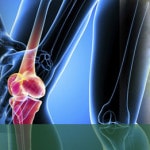
Osteoarthritis: Overview
Osteoarthritis is a common form of arthritis. It is a degenerative and chronic disease which causes the breakdown of the cartilage in the joints.
Causes & Signs and Symptoms of Osteoarthritis
The cartilage is a firm rubbery substance, that covers the end of the bones and acts as a shock absorber between the bone ends. Osteoarthritis in India can be classified as primary and secondary. The cause of the former is unknown, but the later occurs due to ageing. It is also referred to wear and tear form of arthritis.
The symptoms associated with Osteoarthritis include pain, swelling and stiffness. Osteoarthritis in India review points to the common signs which can detect the occurrence of it
- Pain- is the most common symptom of Osteoarthritis. It worsens if some form of weight is placed on the joint.
- Stiffness- of the affected joint is often unnoticed the first thing in the morning, and after resting
- Crepitus- is a sound which is felt when the arthritic joint is removed. This generally occurs when the bone rubs against bone.
Check out the Patient Testimonial, where the patient shares about their success stories from treatments through Joint Replacement Surgery Hospital India.
Hello, my name is Steven Nwafor from Nigeria. I got my treatment for osteoarthritis in India through Joint Replacement Surgery Hospital. I was enduring severe pain, since the treatment that I was undergoing at my native place didn’t seem to improve my condition. I started searching for a quality treatment, but we were deterred by the expensive treatment charges in the US & UK. Luckily, we came across this Indian healthcare group offering treatment at such reasonable charges. We contacted them and after conversation over the phone, we gave our consent to get my treatment done in India. At the airport, an official welcomed us and took to the hospital. The hospital was well-equipped and had state of the art infrastructure. The doctor who was to perform the procedure visited me for discussion and cleared all my doubts. The staff was quite caring and supportive. My overall experience of getting my medical treatment in India was amazing. I extend my gratitude to my doctor, hospital staff and your healthcare group for the care and support you provided me throughout the entire journey.
Diagnosis & Treatments of Osteoarthritis
Osteoarthritis can be diagnosed with the characteristic symptoms of pain, deformity or unrestricted movement. It can be confirmed with an x ray or an MRI scans. The common findings, including narrowing down the joint between the bones, bone spurs or a loss of cartilage.
There is no fixed cure for Osteoarthritis, but the evolution of the disease can be tampered, and the pain as well as the disability reduced. Though the treatment will depend upon the nature and the severity of the condition and it can be administered considering the requirements of each individual.
Lifestyle Changes after Treatments of Osteoarthritis in India
Some of the lifestyle changes recommended after treatment of Osteoarthritis in India are as follows
- Maintaining a healthy body weight- this will help reduce the stress on the arthritic joints
- Exercise- can assist in weight loss, the mobility of the arthritic joints and the maintenance of muscle strength.
- Occupational therapy- if undertaking routine activities, become difficult, then occupational therapists can render suitable advice on home adaptations or the use of special devices.
- Medications – have an important role in the management of pain caused by arthritis. Different classes of medications have proved to be useful.
Why Choose Indian Hospital for Treating Osteoarthritis?
Indian hospitals have carved out a niche for themselves in the medical world. Low cost Osteoarthritis Treatment in India and Affordable Osteoarthritis Treatment in India are the pillars on which the sector of medical tourism strives upon. A testimony to this fact is that every year the number of tourists who come to this part of the world for any form of medical related treatment. The doctors are not on a money making spree and surgery may not be the viable option always. With the option of free consultation Osteoarthritis in India one can decide the course of action as far as the treatment module is concerned.
If you are really seeking treatments for Osteoarthritis, kindly fill up the form for a free consultation with our surgeons. You will be provided with thorough analysis and suggestions regarding the treatments for Osteoarthritis you are seeking.
FAQ’s
The chance of developing osteoarthritis increases with age. It is estimated that 33.6% (12.4 million) of individuals age 65 and older are affected by the disease.
Osteoarthritis affects different people differently. It may progress quickly, but for most people, joint damage develops gradually over years. In some people, osteoarthritis is relatively mild and interferes little with day-to-day life. In others, it causes significant pain and disability.
Osteoarthritis is one of the most frequent causes of physical disability among older adults. Many people with osteoarthritis find their movements or activities limited to some degree because of stiffness, limited range of motion, and pain.
Here are ways to decrease your chances of developing osteoarthritis.
- Maintain a healthy weight- If you are overweight or obese, you should try to lose weight. Weight loss can reduce stress on weight-bearing joints, limit further injury, increase mobility, and reduce the risk of associated health problems. A dietitian can help you develop healthy eating habits. A healthy diet and regular exercise can help reduce weight.
- Avoid injury- Putting too much stress on a joint that has been repeatedly injured may lead to the development of osteoarthritis.
Warning signs of osteoarthritis include:
- Joint pain
- Swelling or tenderness in one or more joints
- Stiffness after getting out of bed or sitting for a long time
- A crunching feeling or sound of bone rubbing on bone.
Not everyone with osteoarthritis develops symptoms. In fact, only a third of people with x-ray evidence of osteoarthritis report pain or other symptoms.
Treating arthritis often requires a multidisciplinary or team approach. Many types of health professionals care for people with arthritis. You may choose a few or more of the following professionals to be part of your health care team.
- Primary care physicians – Doctors who treat patients before they are referred to other specialists in the health care system. Often a primary care physician will be the main doctor to treat your arthritis. Primary care physicians also handle other medical problems and coordinate the care you receive from other physicians and health care providers.
- Rheumatologists – Doctors who specialize in treating arthritis and related conditions that affect joints, muscles, and bones.
- Orthopaedists – Surgeons who specialize in the treatment of, and surgery for, bone and joint diseases.
- Physical therapists – Health professionals who work with patients to improve joint function.
- Occupational therapists – Health professionals who teach ways to protect joints, minimize pain, perform activities of daily living, and conserve energy.
- Dietitians – Health professionals who teach ways to use a good diet to improve health and maintain a healthy weight.
- Nurse educators – Nurses who specialize in helping patients understand their overall condition and implement their treatment plans.
- Physiatrists (rehabilitation specialists) – Medical doctors who help patients make the most of their physical potential.
- Licensed acupuncture therapists – Health professionals who reduce pain and improve physical functioning by inserting fine needles into the skin at specific points on the body.
- Psychologists – Health professionals who seek to help patients cope with difficulties in the home and workplace resulting from their medical conditions.
- Social workers – Professionals who assist patients with social challenges caused by disability, unemployment, financial hardships, home health care, and other needs resulting from their medical conditions.
- Chiropractors – Health professionals who focus treatment on the relationship between the body’s structure — mainly the spine — and its functioning.
- Massage therapists – Health professionals who press, rub, and otherwise manipulate the muscles and other soft tissues of the body. They most often use their hands and fingers, but may use their forearms, elbows, or feet.
No single test can diagnose osteoarthritis. When a person feels pain in his or her joints, it may or may not be osteoarthritis.
The doctor will use a combination of tests to try to determine if osteoarthritis is causing the symptoms. These may include a medical history, a physical examination, x-rays, and laboratory tests. A patient’s attitudes, daily activities, and levels of anxiety or depression have a lot to do with how much the symptoms of osteoarthritis affect day-to-day living.
There is no cure for osteoarthritis and no way to reverse the joint damage once it occurs. However, current treatments can relieve symptoms.
Exercise is one of the best treatments. Exercise can improve mood and outlook, decrease pain, and assist in maintaining a healthy weight. Warm towels, hot packs, or a warm bath or shower can provide temporary pain relief. Medications such as non-steroidal anti-inflammatory drugs, or NSAIDs, help reduce pain and inflammation that result from osteoarthritis.
Yes, exercise is one of the best treatments. Exercise can improve mood and outlook, decrease pain, and assist in maintaining a healthy weight. The amount and form of exercise will depend on which joints are involved, how stable the joints are, whether or not the joint is swollen, and whether a joint replacement has already been done. Ask your doctor or physical therapist what exercises are best for you. The following types of exercise are part of a well-rounded arthritis treatment plan.
- Strengthening exercises. These exercises strengthen muscles that support joints affected by arthritis. They can be performed with weights or with exercise bands, inexpensive devices that add resistance.
- Aerobic activities. These are exercises, such as brisk walking or low-impact aerobics, that get your heart pumping and can keep your lungs and circulatory system in shape.
- Range-of-motion activities. These keep your joints limber.
- Balance and agility exercises. These help you maintain your balance and reduce your risk of falling.
Warm towels, hot packs, or a warm bath or shower can provide temporary pain relief. Medications such as non-steroidal anti-inflammatory drugs, or NSAIDs, help reduce pain and inflammation that result from osteoarthritis. A doctor or physical therapist can recommend if heat or cold is the best treatment. For osteoarthritis in the knee, wearing insoles or cushioned shoes may reduce joint stress.
People with osteoarthritis may find many non-drug ways to relieve pain, they include:
- Heat and Cold
- Transcutaneous electrical nerve stimulation (TENS)
- Massage
- Acupuncture
Nutritional supplements such as glucosamine and chondroitin sulfate
Doctors consider a number of factors when choosing medicines for their patients. In particular, they look at the type of pain the patient may be having and any possible side effects from the drugs. For pain relief, doctors usually start with acetaminophen because the side effects are minimal. If acetaminophen does not relieve pain, then non-steroidal anti-inflammatory drugs such as ibuprofen and naproxen may be used. Some NSAIDs are available over the counter, while more than a dozen others, including a subclass called COX-2 inhibitors, are available only with a prescription.
Corticosteroids, hyaluronic acid, and topical creams are also used. Most medicines used to treat osteoarthritis have side effects, so it is important for people to learn about the medicines they take. For example, people over age 65 and those with any history of ulcers or stomach bleeding should use non-steroidal anti-inflammatory drugs, or NSAIDs, with caution.
There are measures you can take to help reduce the risk of side effects associated with NSAIDs. These include taking medications with food and avoiding stomach irritants such as alcohol, tobacco, and caffeine. In some cases, it may help to take another medication along with an NSAID to coat the stomach or block stomach acids. Although these measures may help, they are not always completely effective.
Protecting and supporting the affected joint or joints is important. Some people may use splints or braces to provide extra support for joints and/ or keep them in proper position during sleep or activity. Splints should be used only for limited periods of time because joints and muscles need to be exercised to prevent stiffness and weakness. If you need a splint, an occupational therapist or a doctor can help you get a properly fitted one. Some people find relief from special footwear and insoles that can reduce pain and improve walking or from using canes to take pressure off painful joints.
For many people, surgery helps relieve the pain and disability of osteoarthritis. Surgery may be performed to achieve one or more of the following.
- Removal of loose pieces of bone and cartilage from the joint if they are causing symptoms of buckling or locking (arthroscopic debridement).
- Repositioning of bones (osteotomy).
- Resurfacing (smoothing out) bones (joint resurfacing).
The decision to use surgery depends on several factors, including the patient’s age, occupation, level of disability, pain intensity, and the degree to which arthritis interferes with his or her lifestyle. After surgery and rehabilitation, the patient usually feels less pain and swelling and can move more easily.
Surgeons may replace affected joints with artificial joints called prostheses. These joints can be made from metal alloys, high-density plastic, and ceramic material. Some prostheses are joined to bone surfaces with special cements. Others have porous surfaces and rely on the growth of bone into that surface (a process called biologic fixation) to hold them in place. The artificial joints can last 10 to 15 years or longer. Surgeons choose the design and components of prostheses according to their patient’s weight, sex, age, activity level, and other medical conditions. Joint replacement advances in recent years have included the ability, in some cases, to replace only the damaged part of the knee joint, leaving undamaged parts of the joint intact, and the ability to perform hip replacement through much smaller incisions than previously possible.
Tibialis Posterior Dysfunction In India: Causes, Signs, Symptoms, Diagnosis and Treatment in Indian Hospital
Planning Your MedicaTrip to India?
Joint Replacement Surgery Hospital India makes it simple:
- Fill in our enquiry form — our executive will contact you shortly.
- Call us anytime: +91-9860432255
- Complete surgery details are available on our website.
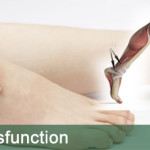
Tibialis posterior dysfunction: Overview
Many of the diseases of problem have a simple reason and a simple treatment or cure. Tibialis posterior dysfunction is one of the most common causes of the problem of flat foot which is acquired in adults. This condition usually leads to people having an outward pointing foot. The problem is treatable and medical expertise and treatment for Tibialis posterior dysfunction in India is one of the best across the globe.
Tibialis posterior Dysfunction: Causes, Signs, Symptoms
Awareness is important for any individual. One has to be attentive to the changes one’s body is undergoing. There are many causes for this condition and there are well recognizable symptoms and signs once the problem sets in motion.
- The foot is supported by a tendon, amongst many others, the posterior tibialis, starting from the lower leg and attaching to the bones in the foot, keeping it in place and keeping the arch. If for any reason, this tendon gets inflamed, it will lead to the problem.
- Arthritis: With age the bones start to deteriorate and inflammation. This can also lead to the problem and flat foot.
- Injury: Sometimes, injuries to tendons and ligaments can also lead to the tibialis posterior dysfunction. It is extremely important to consult a doctor if you face any such problems like pain, trouble in walking after an injury or foot accident.
This problem can lead to extreme pain and swelling in the foot and even more trouble when one is walking.
Considerable change can be noticed in the foot shape as well, as well as a feeling of loss of balance while walking.
Check out the Patient Testimonial, where the patient shares about their success stories from treatments through Joint Replacement Surgery Hospital India.
Hi, I am Eric Numa from Nigeria. My doctor diagnosed with tibialis posterior dysfunction, after I shattered my ankle. Lack of medical facilities and infrastructure at my country forced me to search for quality treatment abroad. I came to know about your healthcare group in India and after contacting gave my consent to get my treatment. I was impressed by the professionalism and care provided by the surgeon and his staff. The nurses were caring and compassionate. The hospital maintained hygienie and had a world class facilities. I want to thank you all for the efforts you guys put in to arrange my treatment at such reasonable price in India. I am happy to get my treatment in India and overall my experience of getting my medical treatment in India was amazing!
Diagnosis & Treatments of Tibialis posterior dysfunction
The first and foremost diagnosis depends on the patient’s ability to understand that something is wrong. If one has any trouble at all in walking and keeping the foot straight, it is best to head to a doctor for advice.
- A simple imaging can help find the root cause and diagnose the problem.
- Swelling in the area indicates an early onset of the problem
- Doctor can ask the patient to perform 10 raises on heel to find out the problem. If the problem is related to tibialis, patient won’t be able to complete the 10 repetitions.
The treatment for the problem, once diagnosed, is very simple and there are no major lifestyle Changes after Treatments of Tibialis posterior dysfunction in India. Many patients feel that once they undergo some therapy, surgery or treatments, the normal function of the foot and life will not be restored but so is not the case.
Are you looking for Affordable Cost of Tibialis Posterior Dysfunction Treatment In India?
Please enquire with us Get a “No Obligation Quote”
Why Choose Indian Hospital for Treating Tibialis posterior dysfunction?
India’s medical expertise and groundbreaking research over the past few years has put it on the forefront of medical developments and research. With some of the most experienced, professional and highly motivated medical staff, one can rest assured for the best Low cost Tibialis Posterior Dysfunction Treatment in India. Many global patients and Indian citizens have been able to successfully recuperate from their once problematic foot and given treatment for Tibialis posterior dysfunction in India review rating of more than satisfactory.
Also, even though India excels in its proficiency when it comes to the treatment for the problem, it is also very affordable Tibialis posterior dysfunction in India that can be availed by people from all walks of life. There are many hospitals, nursing homes and medical centers across the country that offer Free consultation Tibialis posterior dysfunction in India for all patients, irrespective of their background and economic status.
If you are really seeking treatments for Tibialis Posterior Dysfunction, kindly fill up the form for a free consultation with our surgeons. You will be provided with thorough analysis and suggestions regarding the treatments for Tibialis Posterior Dysfunction you are seeking.
FAQ’s
Joint Replacement Surgery Hospital India offers highest quality bone and joint health care with attentiveness, care and compassion to meet the needs of the patients and their loved ones. The medical team includes board-certified orthopedic surgeons who are familiar with all the aspects of the musculoskeletal system. Our hospital uses the most advanced technologies available for the orthopaedic procedures and has a lower complication rate.
Everyone recovers from an injury at a different rate. Return to your activities depends on how soon your injured tendon recovers, not by how many days or weeks it has been since your injury has occurred. In general, the longer you have symptoms before you start treatment, the longer it will take to get better. The goal of rehabilitation is to return you to your normal activities as soon as is safely possible. If you return too soon you may worsen your injury. You may safely return to your activities when, starting from the top of the list and progressing to the end, each of the following is true:
- You have full range of motion in the injured leg and foot compared to the uninjured leg and foot.
- You have full strength of the injured leg and foot compared to the uninjured leg and foot.
- You can walk straight ahead without pain or limping.
Overuse of the posterior tibial tendon is often the cause of PTTD. In fact, the symptoms usually occur after activities that involve the tendon, such as running, walking, hiking, or climbing stairs.
The symptoms may include pain, swelling, a flattening of the arch, and an inward rolling of the ankle. As the condition progresses, the symptoms will change.
Often, the treatment for tibialis posterior dysfunction begins with non-surgical approaches that may include:
- Orthotic devices or bracing: To give your arch the support it needs, your foot and ankle surgeon may provide you with an ankle brace or a custom orthotic device that fits into the shoe.
- Immobilization: Sometimes a short-leg cast or boot is worn to immobilize the foot and allow the tendon to heal, or you may need to completely avoid all weight-bearing for a while.
- Physical therapy: Ultrasound therapy and exercises may help rehabilitate the tendon and muscle following immobilization.
- Medications: Nonsteroidal anti-inflammatory drugs (NSAIDs), such as ibuprofen, help reduce the pain and inflammation.
- Shoe modifications: Your foot and ankle surgeon may advise changes to make with your shoes and may provide special inserts designed to improve arch support.
In cases of tibialis posterior dysfunction that have progressed substantially or have failed to improve with non-surgical treatment, surgery may be required. For some advanced cases, surgery may be the only option. Your foot and ankle surgeon will determine the best approach for you.
You can most definitely choose hotels as per your convenience to you and your budget.
You can talk to the doctor and satisfy all your medical queries. You can also send us your queries for answers from the top doctors.
To know about the procedure of getting an Indian Medical Visa, please go to our website where you will find all the details regarding the initial procedure. You can also send us a query regarding the same.
Many hospitals in India have language translators to help you communicate better and effortlessly with the doctors and medical staff.
All you have to do is send us your medical report and be rest assured. We will choose the best suitable surgeon for you, after consulting the experts.
Chronic Fatigue Syndrome in India: Causes, Signs, Symptoms, Diagnosis and Treatment in Indian Hospital
Planning Your MedicaTrip to India?
Joint Replacement Surgery Hospital India makes it simple:
- Fill in our enquiry form — our executive will contact you shortly.
- Call us anytime: +91-9860432255
- Complete surgery details are available on our website.
Chronic Fatigue Syndrome: Overview
Chronic Fatigue Syndrome in India is a disorder characterized by immense fatigue, which cannot be cured with sleep. Physical and mental activities may cause the symptoms to worsen. When the doctor cannot pinpoint your fatigue to a particular reason, then it is known as Chronic Fatigue Syndrome
Causes & Signs and Symptoms of Chronic Fatigue Syndrome
The exact cause of CFS is unknown. Sometimes it may develop a viral infection of sorts. Viruses that might be linked to CFS are as follows
- Rubella
- Ross river virus
Individuals diagnosed with CFS have weak immune systems, but doctors are not sure on whether it is the main cause for the disease. Those who are overweight or inactive are more likely to affected by CFS.
Check out the Patient Testimonial, where the patient shares about their success stories from treatments through Joint Replacement Surgery Hospital India.
Hello, I am Alice Makasa from Zambia. I came to India through Joint Replacement Surgery Hospital to get treatment for chronic fatigue syndrome. I had this dramatic illness where my muscles ached and I couldn’t sleep. My chronic fatigue was so debilitating that I had no quality life. After taking a shower, I would have to go back to my bed. I couldn’t climb a flight of stairs without stopping from exhaustion. I read from your website and send my query. They responded to me quickly and asked more details so that they could offer me with their expert opinions. After considerations, I decided to get my treatment arranged with them. At the hospital, I met my doctor who has been steadfast in his efforts and determined to improve my health. I want to thank my doctor and his staff for giving me the attention, uplifting attitude and gentle smiles when I thought that all was lost. I feel great to get back to what is normal people’s energy level. I truly feel thankful to your healthcare group for the care and concern you guys showcased throughout my medical journey in India.
Diagnosis & Treatments of Chronic Fatigue Syndrome
Chronic Fatigue Syndrome in India review of patients indicates that the diagnosis of it is a controversial subject. The medical community is still at divided roads on how best to diagnose it. Chronic Fatigue Syndrome in India review of patients indicates that the symptoms vary from patient to patient and depend upon the severity of the condition. For it needs to be diagnosed, fatigue must last for more than six months and may not be curable after proper sleep. Other symptoms include
- Loss of sleep or concentration
- Sore throat
- Muscle pain and headaches.
One may also experience pain illness after their mental or physical activities. This tends to last for more than 24 hours after the activity also. In order to be effectively diagnosed you may at least have a couple of symptoms.
Lifestyle Changes after Treatments of Chronic Fatigue Syndrome in India
Modifying your lifestyle can help you reduce the symptoms. In this regard free consultation Chronic Fatigue Syndrome in India by the well surgeons can provide you an idea on how to go about things. You need to limit or reduce your intake your caffeine and this help you sleep better and reduce the insomnia. Do not try to sleep during the day time. One should have a healthy sleep routine which means that they should sleep at night the same time along with waking up morning at the specified time.
Why Choose Indian Hospital for Treating Chronic Fatigue Syndrome?
When you have decided that India is your next medical destination some amount of preparation needs to be involved. The two things which might spring up to your mind are Affordable Chronic Fatigue Syndrome in India and Low cost Chronic Fatigue Syndrome Treatment in India. So how do you get this in the first place. The obvious answer to this question are the Indian hospitals who have set new standards in the medical horizon. Most of them have some of the renowned surgeons in the world and the technology along with the state of art infrastructure can be compared to the best in the world. Most of the patients who have had surgeries in these hospitals have given their thumbs up. The safety along with the comfort of the patients is topmost on the agenda. Since English continues to the official language of communication most of the patients tend to be at ease. It literally gives them a feeling of home away from home.
If you are really seeking treatments for Chronic Fatigue Syndrome, kindly fill up the form for a free consultation by our surgeons. You will be provided with thorough analysis and suggestions regarding the treatments for Chronic Fatigue Syndrome you are seeking.
Listen to the Voices of Our Happy Patients
FAQ’s
Joint Replacement Surgery Hospital India offers highest quality bone and joint health care with attentiveness, care and compassion to meet the needs of the patients and their loved ones. The medical team includes board-certified orthopedic surgeons who are familiar with all the aspects of the musculoskeletal system. Our hospital uses the most advanced technologies available for the orthopaedic procedures and has a lower complication rate.
Chronic Fatigue Syndrome is a condition in which you feel so tired (mentally & physically) that you won’t be able to perform your normal daily activities. The tiredness will be for at least 6 months or more. The fatigue is different from normal tiredness.
The fatigue:
- does not have any underlying medical cause,
- worsen with physical or mental activity,
- doesn’t improve with rest
There are many other disease conditions that present with fatigue. Following are few conditions that may be one of the reasons causing fatigue:
- Over intake of caffeine or alcohol
- Excessive physical activity
- Lack of sleep
- Unhealthy eating habits
- Stress
- Anxiety
- Depression
- Grief
- Hypothyroidism
- Chronic anaemia
- Heart or Kidney disease
- Obesity
- Diabetes
An in-detail study of your symptoms by your doctor will confirm the diagnosis of the disease.
The exact causes of Chronic Fatigue Syndrome are not known. It is believed to be caused by a combination of internal as well as external factors. Some individuals are:
- believed to be born with a predisposition for CFS.
- a viral infection
- problems with the immune system
- an imbalance of hormones
- psychiatric problems, such as stress and emotional trauma
Currently, there is no single test to diagnose CFS. Doctor makes a diagnosis by excluding all other illnesses after a person has had symptoms continually for six months. To meet the diagnostic criteria of chronic fatigue syndrome, you must have unexplained, persistent fatigue for six months or more, along with at least four of the following signs and symptoms:
- Loss of memory or concentration
- Frequent sore throat
- Enlarged lymph nodes in your neck or armpits
- Unexplained muscle pain
- Pain that moves from one joint to another without swelling or redness
- Headache of a new type, pattern or severity
- Sleep that is not refreshing
- Extreme exhaustion lasting more than 24 hours after physical or mental exercise.
The treatment is primarily based on relieving/managing the most distressing or disruptive symptoms such as:
- Sleep Problems: Sleep medications can be prescribed to help get better sleep at night.
- Pain: Medications to control the pain if it is severe or hampering routine activities.
- Depression and anxiety: Anti-depressant and anti-anxiety medications are prescribed to treat the associated depression or anxiety wherever required.
- An optimal exercise regime can be developed which is neither too stressful nor too easy for the patient. However, care must be taken to avoid extremes.
- Professional counseling is also very helpful to accept the problem and find ways to work around the limitations imposed by the CFS.
- Lifestyle changes such as taking steps to reduce emotional stress, practicing relaxation techniques, improving sleep habits and pacing activities as per the level of distress.
If you notice the above list and go by the conventional medicines you will be taking a minimum of 4 different tablets every single day for each symptom! And you may also have to bear the extra burden of their individual side effects. Homeopathy believes in gentle cure through the use of natural medicines that have been prepared so as to avoid any side effects and yet, bring about a positive change in your health! Live the Happiest Healthiest Life Style & Get a widest range of TOP Rated physicians at your fingertips by sending us your query.
CFS can have a major impact on your relationships with loved ones/family/friends. You may get frustrated due to the exhaustion that reduces your working ability. You may show improvement within a few months or years with proper treatment. Some continue to suffer for longer time. You may have to opt for part time work. It will avoid the over-exertion and worsening of the disease. Memory loss and difficulty in concentration may be troublesome for you. The outlook in children and young people is usually better. The main goal in improvement of symptoms is to adopt certain lifestyle changes, optimal exercise regime, coping techniques such as talking with persons affected/recovered from CFS, etc.
You may not be sick forever. Most patients recover within five years of the beginning of the illness. CFS is a complicated disease which has to be managed with medications by healthcare professional, proper exercise regime by physiotherapist, professional counselling to accept the problem and find ways to work around the limitations. Homeopathy provides a long-term reduction in symptoms and ensures improvement in the general well-being. Homeopathic treatment is a much safer and better mode of treatment without any unwanted side effects and resolves the problem in a harmonious way. Homeopathic medicines help your body’s natural defence system to fight against the disease and alleviate the symptoms. Our experienced physicians assess all of the factors- your physical, emotional, and psychological makeup and administers the most appropriate remedy. Normally, most of the Health Portals have one or two physicians unless it is a hospital or a very big organization. Here you will get the widest range of experienced physicians, with most subtle experiences, at your fingertips, in your comfort zone.
It is wrong to call CSF a psychological condition as researchers have found causative factors associated with the disease. Viral infection, problems with the immune system, an imbalance of hormones can lead to CFS. The World Health Organization has categorised chronic fatigue syndrome as a neurological condition. The sustained exhaustion and reduced working ability sets depression in the individual. Psychological treatment such as cognitive behaviour therapy may be helpful for the depressed/anxiety state.
It is difficult to diagnose fibromyalgia and CFS since there are no confirmatory tests. Your doctor can identify the two disease conditions based on peculiar symptoms. People with fibromyalgia have multiple areas of their body that are painful to touch (tender points). Tenderness or pain in at least 11 of 18 specific tender points when pressure is applied is a criterion for diagnosis of fibromyalgia.
CFS occurs four times more frequently in women than in men, although people of either sex can develop the disease. Most often people in their 40s and 50s, but people of all ages can get CFS. CFS is less common in children than in adults & more common in adolescents than in younger children.
CFS affects the quality of a persons’ life mentally as well as physically. It may start with less severe to severe symptoms of CFS. She may be able to care for herself, but would rest for days. She may have disturbed sleep patterns, reduced mobility. If not treated well or managed appropriately, she might find it difficult to maintain relationships with partners, family members and friends; difficult to concentrate; the loss of independence, economic security and livelihood; the worries about taking care of and raising children. Give your loved one the best care and treatment from our panel of expert Homeopaths. People say “Homeopathy is placebo”. We have many evidence based cases which are available on the portal on multiple clinical conditions right now!!! You are just one click away from restoring your family’s health!
CFS has started to affect your quality of life. If you continue to ignore the disease, some of the following complications can occur:
- Depression and Anxiety. CFS also predispose one to increased suicide risk.
- Obstructive Sleep Apnea: Difficulty in sleeping
- Social isolation due to avoidance of social contact and social interactions as a result of easy fatigue, low stamina and associated depressed mood
- Lifestyle restrictions due to inability to exert oneself physically or mentally, which significantly influences the person’s lifestyle choices
- Increased work absences, especially due to sleep difficulties and low stamina leading to problems with employment and career issues
- You must seek medical advice of a well experienced physician.
There are no known preventive measures. However, some measures that might be helpful are:
- Having a balanced diet
- Having reasonable levels of physical activities
- Managing stress
- Having adequate sleep
CFS is sometimes seen in members of the same family, but that does not indicate that it is contagious. However, there may be a familial or genetic link.
There is no specific lab test or biomarker for CFS. One has to rely on the detailed history and clinical examination by an experienced doctor.
Homeopathy targets the roots of CFS, NOT JUST the fatigue or other superficial symptoms which are merely the outward reflections of the internal illness. Homeopathy significantly reduces the intensity, frequency and duration of the associated symptoms and helps the person lead a fairly normal day-to-day life. Homeopathy literature shows that there are nearly 100 highly effective remedies to successfully conquer this exhausting ailment. The combined skills of our Experts and the modern science of Homeopathy help you reclaim your health and life!
Emotional support and counseling may help you and your loved ones deal with the uncertainties and restrictions of chronic fatigue syndrome.
Perform physical activities at a comfortable pace; avoid overexertion. However, total rest is not advisable as it may make the fatigue worse. Always gradually increase the physical activities.
Maintain healthy social interactions at a comfortable level. Avoid social isolation as it may lead to depression or other illnesses.
Eat a healthy and nutritious diet and try to maintain good health. Take supplements as necessary. Dietary deficiencies can worsen the fatigue and other symptoms.
Resolve emotional stress.
Get adequate sleep.
Learn and practice relaxation techniques such as yoga, vipassana, meditation, etc.
Don’t overexert physically or mentally.
Avoid junk foods loaded with sugar, caffeine, preservatives, colors, etc.
Avoid skipping meals.
Decrease consumption of alcohol and caffeine at night.
Try to find out if you have any food intolerances and then avoid those foods. Eat beans, nuts, seeds that suit you well as they are a good source of protein, healthy fat, fiber and antioxidants. Eat lots of fruits and vegetables to provide enough vitamins, minerals and antioxidants. Eat foods containing omega-3 fatty acids such as mackerels, sardines, salmon, flaxseed, hempseed, walnuts. Omega-3 fatty acids have excellent anti-inflammatory properties and help to ease the pain. Eat adequate amounts of proteins. Drink plenty of water and stay well hydrated. Water helps flush out toxins from the system that cause toxins. Eat whole grains such as wheat, rice, barley, oats, etc.
It is very important that a health care professional to guide you regarding exercises. Since a person with CFS suffers from post-exertion malaise, anaerobic exercises are recommended such as resistance training and stretching. Stop the exercises before you get too tired. Start slow and gradually increase the pace of the activity is the key you must remember. Daily chores such as cleaning, washing should be divided into shorter and less strenuous ones. If you avoid exercises and daily activities with the fear of aggravating your symptoms, it might worsen your disease. Choose a type of exercise/daily activity which works best for you.
You can most definitely choose hotels as per your convenience to you and your budget.
You can talk to the doctor and satisfy all your medical queries. You can also send us your queries for answers from the top doctors.
To know about the procedure of getting an Indian Medical Visa, please go to our website where you will find all the details regarding the initial procedure. You can also send us a query regarding the same.
Many hospitals in India have language translators to help you communicate better and effortlessly with the doctors and medical staff.

Low Cost Surgery For Arthritis in India
Planning Your MedicaTrip to India?
Joint Replacement Surgery Hospital India makes it simple:
- Fill in our enquiry form — our executive will contact you shortly.
- Call us anytime: +91-9860432255
- Complete surgery details are available on our website.
Arthritis: Overview
Arthritis in India is common, but its not well understood. It is an informal way of referring to a joint pain. It is known to cause permanent changes in the joints.
Types, Causes & Signs and Symptoms of Arthritis
Normally there are two major types of arthritis and the causes attributed to it are as follows
- Osteoarthritis- occurs due to the natural breakdown, of the cartilage tissue, which leads to injury or infection of the joints. The chances of contracting it are higher if one has a family history related to the disease
- Rheumatoid- occurs when the immune system of the body attacks the tissues of the body. It leads to a scenario where destruction of cartilage in the joint occurs. Though the precise cause of the immune system attacks has not been discovered.
The symptoms of arthritis gradually appear, but their emergence on a sudden basis cannot be ruled out as well. Arthritis in India review of patients is a testimony to this fact. However the most common symptoms are related to the joints.
Check out the Patient Testimonial, where the patient shares about their success stories from treatments through Joint Replacement Surgery Hospital India.
Hi, I am Mrs. Zarina Bahadur from Uzbekistan. I visited India to get surgery for arthritis through your surgery group. I was experiencing extreme pain and swelling in my right toe. After the initial checkup with my doctor, he diagnosed me with bog toe arthritis and asked me to undergo a surgery. He recommended me this surgery group in India. I send them my inquiry and received a call from them with the reply. They asked me for my medical reports and after discussing it with their experts, offered me some treatment plan. They also explained me about the entire procedure. After being convinced by them, I gave them my consent to fly down to India. I was very pleased with the clear information provided by the surgeon, before the surgery. He also reassured me on the day of operation. The nursing staff were courteous and very helpful. I was treated with the utmost respect and dignity. Overall, my experience has been professional, efficient and caring.
Diagnosis & Treatments of Arthritis
The first step towards the successful treatment of arthritis is diagnosing it. The doctor will evaluate your symptoms; undertake a physical examination to check for the swollen joints. X rays can also be used to diagnosis Arthritis, typically revealing a loss in bone spurs or cartilage.
The treatment of Arthritis includes rest, occupational or physical therapy, exercise, drugs along with surgery to correct the damage. The treatments focus on relieving the pain, and stiffness. The key is to protect your joints and with the help of an occupational therapist you can find out ways to protect the joints.
Are you looking for Affordable Cost of Arthritis Surgery in India?
Please enquire with us Get a “No Obligation Quote”
Lifestyle Changes after Treatments of Arthritis in India
Lifestyle changes can also rally round to reduce arthritis to some extent
- Exercise- it can increase the endurance and strength of the muscles around the joints, which can make you feel more comfortable.
- Use cold and heat to relieve pain- both these mechanisms can help you reduce pain in the joints. Heat relieves stiffness and cold can relieve muscle pain
- Losing weight- being obese increases the amount of stress on your weight bearing joints such as the hips and the knees. Even a small amount of weight loss can make wonders.
Why Choose Indian Hospital for Treating Arthritis?
India is the hub of medical tourism and has some of the renowned hospitals in the world. When you are on the lookout for low cost treatment in India the list of hospitals are endless. Free consultation Arthritis in India is provided by most of the elite medical centers in the country. Affordable Arthritis in India in no means that there is a compromise, but the quality standards is breathless. Most of the hospitals are well equipped with the latest art of technology and the infrastructure is of superior standards.
So considering all the above advantages your next medical destination has to be India.
If you are really seeking Surgery for Arthritis, kindly fill up the form for a free consultation with our surgeons. You will be provided with thorough analysis and suggestions regarding the Surgery for Arthritis you are seeking.
FAQ’s
Joint Replacement Surgery Hospital India offers highest quality bone and joint health care with attentiveness, care and compassion to meet the needs of the patients and their loved ones. The medical team includes board-certified orthopedic surgeons who are familiar with all the aspects of the musculoskeletal system. Our hospital uses the most advanced technologies available for the orthopaedic procedures and has a lower complication rate.
You can most definitely choose hotels as per your convenience to you and your budget.
You can talk to the doctor and satisfy all your medical queries. You can also send us your queries for answers from the top doctors.
To know about the procedure of getting an Indian Medical Visa, please go to our website where you will find all the details regarding the initial procedure. You can also send us a query regarding the same.
The word arthritis literally means joint inflammation (“arthr-” means joint; “-itis” means inflammation). It refers to more than 100 different diseases. These diseases usually affect the area in or around joints such as muscles and tendons. Some of these diseases can also affect other parts of the body, including the skin and internal organs. There are many types of arthritis. Most forms of arthritis are chronic which means they may last a lifetime.
Nearly 40 million Americans, or one in every seven people have arthritis. It affects people of all ages, but it most often comes on as a person gets older.
Arthritis usually causes stiffness, pain and fatigue. The severity varies from person to person and even from day to day. In some people only a few joints are affected and the impact may be small. In other people the entire body system may be affected. The joints of the body are the site of much of the action in arthritis. Many types of arthritis show signs of joint inflammation: swelling, stiffness, tenderness, redness or warmth. These joint symptoms may be accompanied by weight loss, fever or weakness.
When these symptoms last for more than two weeks, inflammatory arthritis, such as rheumatoid arthritis may be the cause. Joint inflammation may also be caused by an infection, which can lead to septic arthritis. Degenerative joint disease (osteoarthritis) is the most common type of arthritis; joint inflammation is not a prominent feature of this condition. While normal joints can support a vast amount of use, mechanical abnormalities of a joint make it susceptible to degeneration.
It is healthy for you to keep active and move your joints. If you do not move a joint regularly, the muscles around it weaken and/or become tight. The joint can stiffen or even freeze. When you do try to move the joint and muscles hurt because they have been still for so long.
Many things affect how your joints and muscles feel. Pain may be caused by swelling, joint damage, muscle tightness or spasm. Muscles hurt after doing exercise or activities you aren’t used to; sometimes when the joint is damaged simple activities stress the joint.
When your joints are inflamed or damaged, you need to take certain precautions as you do all your daily activities. Your doctor or therapist can teach you exercises and the correct use of heat and cold to decrease pain. You can also learn how to use your body with the least stress to your joints for less pain, easier movement and even more energy. Arthritis can make it hard to do the movements you rely on every day for work or taking care of your family.
Numbness is often a symptom of nerve involvement. For instance, numbness in the arm may be related to nerve irritation in the neck. In such a situation, turning or bending the head to the involved side may increase the symptoms. For example, a pinched nerve in the right side of the neck may cause numbness in the arm and hand when a person attempts to look back over the right shoulder. If nerve irritation becomes more severe, the arm and hand may become weak. A physical examination X-rays and an MRI of the neck and electrodiagnostic tests may be useful in establishing the diagnosis.
Joints can make different noises–some are serious and some are not. Some people learn how to “pop their knuckles.” By pushing or pulling a joint in a certain way an air bubble can suddenly appear in the joint with a “pop.” Once the bubble is there the joint cannot be popped again until the air has been reabsorbed. Some joints crack as the ligaments and tendons that pass over them slide past bumps on the bones. Individuals who “crack their neck” make noise in this way. Other joints lock up intermittently–often with a loud pop–because something gets caught in between the joint surfaces. A torn cartilage in the knee or a loose piece of bone or cartilage in the joint can do this. Once a joint is stuck in this way, it may need to be wiggled around to unlock it. This may also cause a pop.
Finally, joints that are arthritic may crack and grind. These noises usually occur each time the joint is moved. This noise is due to the roughness of the joint surface due to loss of the smooth cartilage.
There is no evidence that cracking one’s knuckles can cause arthritis directly. However, repeated injury of a joint or repeatedly causing it to swell can injure the cartilage and potentially lead to degenerative joint disease.
Pain from arthritis can be ongoing or can come and go. It may occur when you’re moving or after you have been still for some time. You may feel pain in one spot or in many parts of your body.
Your joints may feel stiff and be hard to move. You may find that it’s hard to do daily tasks you used to do easily, such as climbing stairs or opening a jar. Pain and stiffness may be more severe during certain times of the day or after you’ve done certain tasks.
Some types of arthritis cause swelling or inflammation. The skin over the joint may appear swollen and red and feel hot to the touch. Some types of arthritis can also cause fatigue.
There are more than 100 different types of arthritis. What causes most types is unknown. Because there are so many different types there are likely to be many different causes.
Scientists are currently researching what roles three major factors play in certain types of arthritis. These include the genetic factors you inherit from your parents, what happens to you during your life and how you live. The importance of these factors varies for every type of arthritis.
It’s important to find out if you have arthritis and what type it is because treatments vary for each type. Early diagnosis and treatment are important to help slow or prevent joint damage that can occur during the first few years for several types.
Only a doctor can tell if you have arthritis and what type it is. When you see your doctor for the first time about arthritis, expect at least three things to happen. Your doctor will ask questions about your symptoms, examine you and take some tests or X-rays. You can help your doctor by writing down information about your symptoms before your appointment. Bring your answers when you see your doctor.
Arthritis may limit how far or how easily you can move a joint. Your doctor may move the joint that hurts or ask you to move it. This is to see how far the joint moves through its normal range of motion. Your doctor may also check for swelling, tender points, skin rashes or problems with other parts of your body.
Finally, your doctor may conduct some laboratory tests. These may include tests of your blood, muscles, urine or joint fluid. They also may include X-rays or scans of your body. The tests will depend on what type of arthritis your doctor suspects. They help confirm what type of arthritis your doctor suspects based on your medical history and physical exam and help rule out other diseases that cause similar symptoms.
The overall results from your medical history, physical exam and tests help your doctor match your symptoms to the pattern for a specific type of arthritis. It may take several visits before your doctor can tell what type of arthritis you have. Symptoms for some types of arthritis develop slowly and may appear similar to other types in early stages. Your doctor may suspect a certain type of arthritis, but may watch how your symptoms develop over time to confirm it.
Part of your treatment plan may involve working with different healthcare specialists. Some common healthcare professionals and their role in your treatment are described below. Most doctors make referrals to one of a group of health professionals with whom they work. But you too can ask your doctor to request medical services you think might help you.
Your family doctor may be an excellent source of medical care for your arthritis. Besides having your medication records, your family doctor already has your medical history, is familiar with your general physical health and knows of any past illnesses or injuries. All these facts will give your family doctor a head start in prescribing a treatment plan most suited to your needs.
If your arthritis affects many joints or other parts of the body or seems resistant to treatment, you may benefit from seeing a rheumatologist. This is a doctor with special training and experience in the field of arthritis. Your family doctor, the local chapter of the Arthritis Foundation or the county medical society can refer you to a rheumatologist. You can also search for a rheumatologist on the American College of Rheumatology website.
Family physicians and general practitioners provide medical care for adults and for children with different types of arthritis. These doctors also can help you find a specialist if necessary. Internists specialize in internal medicine and in the treatment of adult diseases. They provide general care to adults and often help select specialists. Internists should not be confused with interns who are doctors doing a year’s training in a hospital after graduating from medical school.
Rheumatologists and orthopedists specialize in treating people with arthritis or related diseases that affect the joints, muscles, bones, skin and other tissues. Most rheumatologists are internists who have had further training in the care of people with arthritis and related diseases. Some rheumatologists also have training in pediatrics. Orthopedists can offer treatment methods, including surgery. Physiatrists are doctors who specialize in physical medicine and rehabilitation. They may be asked to evaluate your conditions and may direct or prescribe your physical therapy and rehabilitation. Podiatrists are experts in foot care. If arthritis affects your fee,a podiatrist can prescribe special supports and shoes.
Nurses trained in arthritis care assist your doctor with your treatment. They also help teach you about your treatment program and can answer many of your questions. Nurses also provide care during hospitalization. Occupational therapists can teach you how to reduce strain on your joints while doing everyday activities. They can teach you how to manage stress more effectively, recommend and show you how to use self-help devices, suggest ways to make everyday and work activities easier and teach you how to reduce strain on your joints and conserve energy. They may also provide you with splints and other joint protection devices.
Pharmacists fill your prescriptions for medicines and can explain the drugs’ actions and side effects. Pharmacists can tell you how different medicines work together, when and how to take your medications and can answer questions about over-the-counter medicines.
Physical therapists can show you exercises to help keep your muscles strong and your joints from becoming stiff. They can help you learn how to use special equipment to move better. Some physical therapists also are trained to design personal fitness programs, such as prescribed muscle strengthening and range of motion exercises for cardiovascular health maintenance and weight control. They can also show you non-medicinal ways to control pain. If you’ve had surgery, they can give you pre- and post-surgical care and show you the correct use of devices such as walking aids.
Psychologists can help you solve emotional or mental problems. They can offer counselling for individual or family support and help you discover effective ways to cope with the emotional aspects of having arthritis. Social workers are specially trained to understand situations that may be difficult to deal with or to talk about. People often meet with a social worker to discuss personal family, social or financial issues that occur as a result of having arthritis. They often suggest appropriate community resources. Certified dietitians (nutritionists) can help by teaching you about any special dietary programs or about healthier ways to eat. X-ray and laboratory technologists perform tests which help your doctor make a diagnosis or follow the effects of certain medications.
The patient is the most important member of the health care team. The patient plays an important role in his or her medical care. The patient can contribute to the success of a treatment plan by:
- learning about arthritis
- following through with treatment
- reporting progress and setbacks to health team
- keeping a positive attitude
- developing relationships with the rest of the health care team
- Keeping a positive attitude, though sometimes difficult, is an important ingredient in overcoming arthritis. Asking questions and finding out as much as you can about of arthritis and its treatment is important. So talk over your concerns with your doctor. If you still need more information (or if you have difficulty talking to your doctor), ask the nurse, physical therapist, social worker, occupational therapist to help you find answers to your questions.
Arthritis most often affects areas in or around joints. Joints are parts of the body where bones meet, such as your knee. The ends of the bones are covered by cartilage, a spongy material that acts as a shock absorber to keep bones from rubbing together. The joint is enclosed in a capsule called the synovium. The synovium’s lining releases a slippery fluid that helps the joint move smoothly and easily. Muscles and tendons support the joint and help you move. Different types of arthritis can affect one or more parts of a joint. This often results in a change of shape and alignment in the joints.
Certain types of arthritis can also affect other parts of the body, such as the skin and internal organs. There are more than 100 different types of arthritis. It is important to know which type of arthritis you have so you can treat it properly. If you don’t know which type you have, call your doctor or ask during your next visit. Some common types of arthritis are described below.
- Osteoarthritis
- Fibromyalgia
- Rheumatoid arthritis
- Gout
- Low back pain
- Bursitis and tendinitis
There are many more types of arthritis and related diseases, including ankylosing spondylitis, juvenile rheumatoid arthritis, polymyalgia rheumatica and lupus erythematosus.
Bone spurs are of two basic types. One is the kind that arises near a joint with osteoarthritis or degenerative joint disease. In this situation, the cartilage has been worn through and the bone responds by growing extra bone at the margins of the joint surface. These “spurs” carry the formal name “osteophytes.” They are common features of the osteoarthritic shoulder, elbow, hip, knee and ankle. Removing these osteophytes is an important part of joint replacement surgery, but removing them without addressing the underlying arthritis is usually not effective in relieving symptoms.
The second type of bone spur is the kind that occurs when the attachment of ligaments or tendons to bone become calcified. This can occur on the bottom of the foot around the Achilles Tendon and in the coroacoacromial ligament of the shoulder. These spurs often look impressive on X-rays, but because they are in the substance of the ligaments so they rarely cause sufficient problems to merit excision.
There are many things that help reduce pain, relieve stiffness and keep you moving. Your care may involve more than one kind of treatment. Your doctor may recommend medications, but there are many things you can do on your own to help manage pain and fatigue and move easier.
Finding the right treatment takes time. It can involve trial and error until you and your healthcare team or therapist find what works best. Be sure to let your doctor know if a treatment is not working. Your treatment may also change as your arthritis changes.
Treatments for arthritis can be divided into several categories: medication, exercise, heat/cold, pacing, joint protection, surgery and self-help skills. You can do things in each of these areas to help yourself feel better and move easier.
Most people with arthritis will never need surgery. However, surgery can help in some cases when other treatments have failed. It can reduce pain, increase movement and improve physical appearance. Two kinds of surgery help people with arthritis. The first kind repairs the existing joint by removing debris, fusing or correcting bone deformity. The second replaces the joint with an artificial joint. If your doctor suggests surgery, you may want to ask another doctor for a second opinion. Orthopedic surgeons are the doctors who perform most joint replacements. Plastic surgeons may help with hand surgery.
Many hospitals in India have language translators to help you communicate better and effortlessly with the doctors and medical staff.

Plantar Fasciitis in India Causes, Signs, Symptoms, Diagnosis and Treatment in Indian Hospital
Planning Your MedicaTrip to India?
Joint Replacement Surgery Hospital India makes it simple:
- Fill in our enquiry form — our executive will contact you shortly.
- Call us anytime: +91-9860432255
- Complete surgery details are available on our website.
Plantar fasciitis: Overview
Plantar fasciitis tends to cause pain in the bottom of the heel. It is a thin ligament that connects the heel to the front of your foot and the arch present there is important when you walk. Plantar fasciitis in India review of patients point to the fact that it is one of the most common forms of orthopedic complaints. In normal terms these ligaments are shock absorbers that support the arch of the foot.
Causes & Signs and Symptoms of Plantar fasciitis
One is at great risk of developing Plantar fasciitis in India if they are obese or overweight. This is due to the increased pressure on the plantar fasciitis ligaments, especially if you tend to gain weight suddenly. In addition to this if you are a long distance runner or have a job which requires to be active than you have a higher chance of developing this disease.
The major symptoms are pain and stiffness in the heels and this gradually develops over a period of time. Slowly and steadily it tends to affect both the feet, while some may describe the pain as dull, for the others a burn or acne can be felt at the bottom of the heel. The pain is usually worse in the morning when you take out the first steps out of bed or if you are sitting or lying for a considerable amount of time.
Check out the Patient Testimonial, where the patient shares about their success stories from treatments through Joint Replacement Surgery Hospital India.
Hi, I am George Attah from Nigeria. I visited India for plantar fasciitis surgery through Joint Replacement Hospital India. I had problems with plantar fasciitis for about 6 months and had steroid shots to both feet. Though that helped for a month, but the next time I got in the shot, it didn’t help. My doc suggested me for the surgery. I did some research on the surgery and the expensive cost for the surgery in the US was something out of my budget. I found your medical tourism website offering surgery in India within a pocket-friendly price. I was impressed with their services and got my dates confirmed for the surgery in India. I came to India and was taken to a reputed hospital. I met my surgeon who was a gentleman and explained everything prior to the surgery. He made me feel easy and comfortable. The nurses were quite compassionate and caring. My surgery went smoothly. I want to thank everyone, including the healthcare group, my surgeon and nurses for helping me throughout my entire journey in India.
Diagnosis & Treatments of Plantar fasciitis
First and foremost the doctor will perform a physical exam to check out the tenderness in your feet. The exact location of the pain is to be figured out, so that it does not arise due to another foot problem. The doctor will then evaluate the strength of the muscles and the health of the nerves by checking the muscle tone. X ray or MRI scan may be undertaken to find out the exact reason of the muscle pain. The initial form of home treatment includes staying off your feet and apply an ice pack for 15 to 20 minutes.
If the above treatment measures do not yield the desired results, then undertaking free consultation plantar fasciitis in India would not be a bad idea at all. Here injection is directly administered into the damaged section of the ligament. The doctor may use an ultrasonic device to determine the best place of injection
Are you looking for Affordable Cost of Plantar Fasciitis Treatment in India?
Please enquire with us Get a “No Obligation Quote”
Lifestyle Changes after Treatments of Plantar fasciitis in India
In terms of lifestyle changes you need to change your exercise schedule and physical therapy is an important part of the treatment process. The muscles of the lower legs need to be straightened that will aid in the healing of the ligament.
Why Choose an Indian Hospital for Treating Plantar fasciitis?
All over the world, the medical staff of India has scripted a new chapter. If you are looking for Affordable Plantar fasciitis in India then your wait ends here. The low costs in this part of the world are due to the low operating costs along with the low conversion rates. Most of the surgeons in India have a fruitful record when it comes to successful surgeries. So the safety and comfort feeling of the patients is enhanced to the maximum possible extend.
If you are really seeking Plantar Fasciitis Surgery, kindly fill up the form for a free consultation with our surgeons. You will be provided with thorough analysis and suggestions regarding the Plantar Fasciitis Surgery you are seeking
FAQ’s
Plantar fasciitis, pronounced “PLAN-ter fash-ee-I-tis,” is a repetitive stress injury affecting the sturdy band of connective tissue which runs from your heel to the base of your toes. It is characterized by numerous micro-tears along this band, which result in pain ranging from a dull ache to a sharp stabbing feeling. Plantar fasciitis can last for months or even years. However, the condition is highly treatable and may heal much, much faster if its hobbled victim engages in active recovery. This book will guide you through a complete range of active recovery steps.
Heel spurs are calcium deposits which result from the inflamed plantar fascia being pulled and strained where it attaches to the heel. The heel spurs form at the front of the heel and can be felt through palpitation. Heel spurs themselves do not hurt, and do not cause plantar fasciitis. They are instead a symptom of it.
Welcome to the frustrating world of plantar fasciitis. A peculiar and hazardous aspect of the condition is its tendency to subside as you move around during the day, then return with full force in the evening. This short window of relief can actually be a detriment as it gives the victim the illusion that the malady is receding. As a result, the factors which caused plantar fasciitis in the first place may not be addressed, and a person may unwittingly continue to aggravate the condition. Which can result in a more severe case of plantar fasciitis and delayed healing. The guidelines you’ll find will help steer you toward fixing plantar fasciitis and preventing its recurrence – regardless of the present level of soreness you endure. Many sufferers of plantar fasciitis realize a cessation of pain for a while, only to have the condition sinks its talons back into their feet soon after. This book will help you protect yourself from such a recurrence.
You can try it, but it may not work. Plantar fasciitis afflicts a person because of the presence of certain factors, generally several of them, conspiring to form the “perfect storm” against your feet. The trick to conquering the condition is to learn what those factors are and eliminate them. At the same time, you will want to bolster your foot’s defence mechanisms. This book will explain those factors and guide you step by step through the recovery process. It will help you eliminate the pain caused by plantar fasciitis and get your feet back in action in the shortest time possible.
No medication exists that will actually make plantar fasciitis disappear. In some cases a doctor or other health care professional will recommend over-the-counter pain relievers, but these provide only temporary relief at best. To effectively vanquish plantar fasciitis, you’ll want to do more than just delay the pain; you need to address the causes of the condition and take action. And that’s just what this book will help you do.
Seeing a doctor or other health care professional is never a bad idea when you’re stricken with a painful injury like plantar fasciitis. But the healing process generally takes place under a home care setting, whether you see a doctor or not. Many of the steps on the way to recovery involve actions you make part of your daily life. No miracle medicine is available to cure plantar fasciitis, so you won’t be given a prescription for one. A good doctor or other health care professional will probably give constructive suggestions, steer you in the right direction, and start you on the path to recovery with two, three, maybe four actions you can take. But why stop there? Fill up our free consultation form to leave no stone unturned.
Joint Replacement Surgery Hospital India offers highest quality bone and joint health care with attentiveness, care and compassion to meet the needs of the patients and their loved ones. The medical team includes board-certified orthopedic surgeons who are familiar with all the aspects of the musculoskeletal system. Our hospital uses the most advanced technologies available for the orthopaedic procedures and has a lower complication rate.
You can most definitely choose hotels as per your convenience to you and your budget.
You can talk to the doctor and satisfy all your medical queries. You can also send us your queries for answers from the top doctors.
To know about the procedure of getting an Indian Medical Visa, please go to our website where you will find all the details regarding the initial procedure. You can also send us a query regarding the same.
Many hospitals in India have language translators to help you communicate better and effortlessly with the doctors and medical staff.

Lupus in India Causes, Signs, Symptoms, Diagnosis and Treatment in Indian Hospital
Planning Your MedicaTrip to India?
Joint Replacement Surgery Hospital India makes it simple:
- Fill in our enquiry form — our executive will contact you shortly.
- Call us anytime: +91-9860432255
- Complete surgery details are available on our website.
Lupus: Overview
The immune system acts as a protective shield which keeps the dangerous infections and bacteria at bay. Lupus in India is termed as an autoimmune disease and is commonly referred to discoid lupus. Lupus in India review states that the actual number of people who are victims of the disease is less than the figures which indicate it. It is a chronic disease which damages the healthy tissues of the body.
Causes & Signs and Symptoms of Lupus
The exact cause of lupus is not known, but several factors are associated with this disease. It is not linked to a certain gene, but people with lupus often have family members affected with autoimmune conditions. There may be environmental triggers in the form of physical or emotional stress.
The symptoms can vary and change over a period of time. Some common symptoms include
- Swollen or painful joints
- Headaches or several fatigue
- Rash emerging on the noses
- Anaemia or loss of hair
The symptoms of lupus are also the symptoms of other diseases which make their diagnosis a bit tricky. It is better to consult a doctor and rely on their expert opinion before it becomes too late.
Check out the Patient Testimonial, where the patient shares about their success stories from treatments through Joint Replacement Surgery Hospital India.
Hello, my name is Mrs. Zarina Hayit from Uzbekistan. I came to India for Lupus treatments with the help of Joint Replacement Surgery Hospital India. I had muscle and joint pain that troubled me for long. I felt exhausted and tired too soon and would sleep at every opportunity. After visiting my doctor for a checkup, he asked me to undergo a few tests and diagnosed me with Lupus. He recommended me to undergo the treatments, however, I was hesitant to get treatments as this was completely new to me. I went online searching for more information about this condition and came across various medical groups. After going through them, I choose your website and sent my inquiry. They called me back and responded my query. They asked me for my medical reports so that they could offer me the best treatment plan after consulting it with their panel of experts. After a series of conversation with them, I was convinced and got my appointment fixed with them. The surgeon explained me about the procedure and reassured me before the surgery. The nurses were quite friendly and took care of me. I was impressed with their professionalism and was treated with utmost respect and dignity. I want to thank my surgeon, hospital staff and your surgery group for the excellent care and services I got during my treatment in India.
Diagnosis & Treatments of Lupus
The doctor will do a physical exam and check out for the symptoms of lupus. There is no single test available, but screenings can help the doctor to come to an informed decision. Chest X rays and blood tests are commonly undertaken.
The treatment related to lupus is not curative and the goal is to ease the symptoms. Treatments can vary on how severe your symptoms are and which part of your body is affected. The course of treatment may include
- Steroid cream for rashes
- Anti inflammatory medications for joint pain as well as swelling.
Lifestyle Changes after Treatments of Lupus in India
Lupus is known to cause considerable amount of emotional stress. Working with a counsellor can help you maintain positive mental health, reduce stress and manage your illness. One of the most disturbing facts about the disease is fatigue. To prevent the frequent occurrence of it, the patients should regularly see the doctor.
Why Choose Indian Hospital for Treating Lupus?
India has some of the best medical professionals, the fact which the whole world has taken notice of. Low cost Lupus Treatment in India is provided by most of the top notch hospitals with competent medical facilities. Affordable Lupus in India ensures that you do not have to spend a fortune to undertake the treatment here. India works out to be a lucrative destination for medical tourists who do not require any form of emergency treatment. The services of free consultation Lupus in India help the patients to decide the path of action as far as their treatment module is concerned. Surgery might not only be the final choice, as sometimes alternative therapies can yield the desired results. Most of the hospitals have a proven track record which makes them an ideal proposition.
If you are really seeking Surgery for Lupus, kindly fill up the form for a free consultation with our surgeons. You will be provided with thorough analysis and suggestions regarding the Surgery for Lupus you are seeking.
FAQ’s
Joint Replacement Surgery Hospital India offers highest quality bone and joint health care with attentiveness, care and compassion to meet the needs of the patients and their loved ones. The medical team includes board-certified orthopedic surgeons who are familiar with all the aspects of the musculoskeletal system. Our hospital uses the most advanced technologies available for the orthopaedic procedures and has a lower complication rate.
The cause of lupus remains unknown. Who gets lupus and why are two of the major questions researchers are trying to answer.
No, lupus is not contagious. You cannot “catch” it from another person. Lupus is also not a form of AIDS.
Not necessarily. The symptoms of lupus change over time, sometimes getting worse, but at other times getting better. At times, symptoms may disappear entirely. When that happens, the disease is in remission. Even if the disease is in remission or not causing problems, people with lupus should keep their scheduled appointments with their doctors.
The reappearance or sudden worsening of symptoms are known as a flare. It is possible to have a flare and not know it. Different symptoms may continue to appear years after lupus is diagnosed. New health concerns can be addressed at regular health checkups. Regular physical exams and lab work allow your medical team to note any changes and identify and treat flares early.
Lupus is a chronic or long-lasting disease of the immune system and there is currently no cure for lupus. There are effective treatments that can reduce symptoms and prevent complications, allowing people with lupus to live active lives. There is also ongoing research aimed at finding a cure.
One form of lupus, drug-induced lupus, usually disappears over time if the drug causing or inducing the lupus is stopped. It is not always possible to stop, since the drug inducing the lupus may be needed to control irregular heart rhythms or high blood pressure or other health concerns.
Most people with lupus who are old enough to drink alcohol can do so in moderation. Be aware, however, that alcohol can change the way the body uses or metabolizes certain medications, rushing them into the bloodstream. This can intensify both the good and not-so-good effects of medications. Alcohol can also interfere with good nutrition, causing the body to burn up some nutrients too quickly.
Nonsteroidal anti-inflammatory drugs (NSAIDs) can cause stomach and intestinal upset and irritation, and alcohol can make it worse. Avoid drinking alcohol while taking NSAIDs. Women who are pregnant should not drink alcohol.
Yes, in most cases, people with lupus should exercise. You may need to modify exercise activities due to painful joints, fatigue or other lupus symptoms. There are many benefits to a daily exercise program. The physical therapist or occupational therapist at Joint Replacement Surgery Hospital India can assess your current condition and design an exercise program tailor made for you. It is important for you to share your personal physical goals with the therapists and the physicians so the Joint Replacement Surgery Hospital India team can work with you to help you meet your goals. Learn about the types of exercise you can do and tips on exercising effectively and sensibly.
You really shouldn’t. Tanning booths or tanning beds expose you to ultraviolet light (UV). Most people with lupus are very sensitive to ultraviolet light. Getting too much UV can make lupus skin rashes worse or cause new ones to appear. UV can also make other lupus symptoms worse. UV, whether from a tanning bed or from the sun, can also cause skin cancer.
Sexual activity, potency and fertility do not differ among men with lupus and those who do not have lupus. Young men with lupus have normal sexual and reproductive abilities. As men age, they normally experience a drop in their levels of androgens, a hormone that is usually present in high levels in males and lower levels in females. This drop in androgen levels occurs in men who have lupus and those who do not have lupus and can cause reduced sex drive and sexual activity.
Barrier methods of contraception, such as a diaphragm or a condom with spermicidal foam, are considered the safest contraceptive options for people with lupus. Intrauterine devices (IUDs) may increase the risk of infection for women taking immunosuppressive drugs, and the risk of bleeding in women with thrombocytopenia, an abnormally low level of platelets in the blood.
Women may use oral contraceptives (birth control pills) containing estrogen as long as their blood is not overly likely to coagulate or thicken into a mass. Other options include birth control pills that contain only the hormone progesterone or injectable progesterone; for example, medroxyprogesterone acetate (Depo-Provera”) given for up to three months at a time.
Most but not all lupus medications need to be taken every day, at least while the disease is active. Check with your doctor about when and how often your medications should be taken and then take them exactly as instructed.
Some alternative medications and herbal and vitamin supplements may not mix well with medications being used to treat lupus. Always check with your doctor before taking any other medications or supplements. No research studies to date have shown that these alternative medications and dietary supplements have an effect on the disease process or prevent organ damage. Some alternative approaches may help with stress and coping with a chronic disease.
Such approaches may become part of the treatment plan, as long as they do not have other effects that might be considered harmful and you understand that these approaches are to be used with, not instead of, medical treatment. Work together with the Joint Replacement Surgery Hospital India health care team to find the best way to treat your lupus symptoms and maintain the best possible overall health.
Dealing with a lifelong illness such as lupus can be hard. Your friends, family, classmates, teachers, bosses or coworkers may not understand how lupus affects you and what you can do. Members of the Joint Replacement Surgery Hospital India health care team can help you understand the disease and explain it to your family and friends. You can tell them lupus is a chronic disease that changes over time, but it is not contagious. Let them know that lupus and the medications used to treat it can sometimes change your physical appearance, your energy levels, your ability to do certain tasks and your mood.
Talking openly and honestly can help your friends and family understand these changes when they occur. Tell them as much as you think they need to know, when they need to know it. If they want more information, you can refer them to the Joint Replacement Surgery Hospital India. Remember, it is possible to have lupus and have an active, rewarding life. It is important you take control of your illness and not allow it to take control of you. Having a positive attitude will make it easier for your family and friends to relate to you as they did before you were diagnosed with lupus.
You can most definitely choose hotels as per your convenience to you and your budget.
You can talk to the doctor and satisfy all your medical queries. You can also send us your queries for answers from the top doctors.
To know about the procedure of getting an Indian Medical Visa, please go to our website where you will find all the details regarding the initial procedure. You can also send us a query regarding the same.
Many hospitals in India have language translators to help you communicate better and effortlessly with the doctors and medical staff.