


Author Archives: jointsurgery
Low Cost Ankle Cartilage Surgery India

Planning your medical trip to India is a very simple process with Joint Replacement Surgery Hospital India
- You just need to fill in our enquiry form and one of our executives will contact you soon.
- +91-9860432255 Call us at the given contact number for any assistance.
- Complete information regarding surgery is provided on our website.
Ankle fracture (fibula) Introduction-
A fracture is a partial or complete break in a bone. Fractures in the ankle can range from the less serious avulsion injuries (small pieces of bone that have been pulled off) to severe shattering-type breaks of the tibia, fibula, or both.
Ankle fractures are common injuries that are most often caused by the ankle rolling inward or outward. Many people mistake an ankle fracture for an ankle sprain, but they are quite different and therefore require an accurate and early diagnosis. They sometimes occur simultaneously.
The ankle joint is composed of 2 joints: the true ankle joint and the subtalar joint.
The true ankle joint contains the tibia (medial wall), fibula (lateral wall), and talus (the floor upon which the tibia and fibula rest). The true ankle joint allows dorsiflexion and plantar flexion or the “up and down” movement of the ankle. The foot can be made to point toward the floor or toward the ceiling via the true ankle joint.
The subtalar joint consists of the talus and the calcaneus. The subtalar joint allows the foot to be inverted or everted, that is, the sole of the foot can be made to face inward (inverted) or face outward (everted) through the subtalar joint.
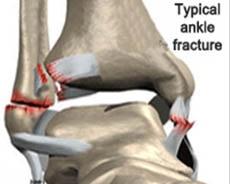
During evaluation of ankle fractures, the mechanism of injury (eg, eversion, inversion, dorsiflexion, plantar flexion), associated injuries (eg. vascular, ligamentous, capsular), the need for immobilization (eg, application of a splint), and the need for referral to a specialist for further treatment or evaluation (eg. additional immobilization, surgery, or rehabilitation) are all important components of care.
Causes –
- “Twisting” or rotating your ankle
- “Rolled” your ankle
- Tripping or falling
- Impact during a car accident
Since there is such a wide range of injuries, there is also a wide range of how people heal after their injury.
Check out the Patient Testimonial, where the patient shares about their success stories from treatments through Joint Replacement Surgery Hospital India.
Hello, I am Mr. Edward from the UK. I came to India for my ankle cartilage surgery through Joint Replacement Surgery Hospital India. After an ankle injury, my doctor recommended me to get my ankle cartilage surgery. However, the long waiting patient list at my native place, made me search for the surgery abroad. A friend of mine recommended me about your surgery group in India. He had a wonderful experience with excellent care and quality of service during his medical journey in India. I contacted them with my inquiry and they guided me with the details. I was impressed with their quick response and concern. The surgeon explained me about the surgery over the phone and soon I gave them consent to get my surgery in India. The hospital had a state of the art infrastructure, the surgeon and his staff were true professionals and very caring. My surgery went smoothly. I take this opportunity to thank your surgery group for the amazing job you guys are doing. God Bless!
Symptoms-
An ankle fracture is accompanied by one or all of these symptoms:
- Pain at the site of the fracture, which in some cases can extend from the foot to the knee
- Significant swelling, which may occur along the length of the leg or may be more localized
- Blisters may occur over the fracture site. These should be promptly treated by a foot and ankle surgeon.
- Bruising that develops soon after the injury
- Inability to walk-however, it is possible to walk with less severe breaks, so never rely on walking as a test of whether a bone has been fractured
- Change in the appearance of the ankle – it will look different from the other ankle
- Bone protruding through the skin-a sign that immediate care is needed. Fractures that pierce the skin require immediate attention because they can lead to severe infection and prolonged recovery.
Diagnosis-
Following an ankle injury, it is important to have the ankle evaluated by a foot and ankle surgeon for proper diagnosis and treatment. If you are unable to do so right away, go to the emergency room and then follow up with a foot and ankle surgeon as soon as possible for a more thorough assessment.
Besides a physical exam, X-rays are the most common way to evaluate an injured ankle. X-rays may be taken of the leg, ankle, and foot to make sure nothing else is injured.
Depending on the type of ankle fracture, the doctor may put pressure on the ankle and take a special X-ray, called a “stress test.” This X-ray is done to see if certain ankle fractures require surgery.
Sometimes, a computed tomography (CT, or CAT) scan is done to further evaluate ankle injuries.
For some ankle fractures, magnetic resonance imaging (MRI) may be done to evaluate the ankle ligaments.
Non-surgical treatment-
Treatment of ankle fractures depends upon the type and severity of the injury. At first, the foot and ankle surgeon will want you to follow the R.I.C.E. protocol:
- Rest: Stay off the injured ankle. Walking may cause further injury.
- Ice: Apply an ice pack to the injured area, placing a thin towel between the ice and the skin. Use ice for 20 minutes and then wait at least 40 minutes before icing again.
- Compression: An elastic wrap should be used to control swelling.
- Elevation: The ankle should be raised slightly above the level of your heart to reduce swelling.
Are you looking for Affordable Cost of Ankle Cartilage Surgery in India?
Please enquire with us Get a “No Obligation Quote”
Additional treatment options include:
- Immobilization. Certain fractures are treated by protecting and restricting the ankle and foot in a cast or splint. This allows the bone to heal.
- Prescription medications. To help relieve the pain, the surgeon may prescribe pain medications or anti-inflammatory drugs.
Surgical treatment-
- Doctors usually place a splint on the injured ankle for a few days to 2 weeks until the swelling decreases around the joint. The type of fracture and the stability of the fractured joint will determine the type of splint that will be used, or whether surgery is needed.
- If the ankle bones are not aligned properly, the doctor may realign them before placing the splint.
- Surgery will also be needed if any bone has broken through the skin. If the bone breaks through the skin, the fracture is then called a compound fracture. This is more serious than a simple fracture.
- Some minor ankle fractures do not require a splint or cast. In these cases the fracture will be managed as an ankle sprain.
- Because these fractures are very small, they heal well with this management.
- With any injured ankle, however, patients should not bear weight until a cast is placed or until the ankle joint is pain free; check with the orthopedist about when weight bearing should be attempted.
- After the swelling decreases and the patient is reexamined, an orthopedic doctor or a primary care doctor may place a better-fitting cast on the ankle. Depending on the type of fracture, the patient may be placed in a walking cast, which can bear some weight, or the patient may need a non-weight-bearing cast that will require the use of crutches to assist with walking.
- Depending on the degree of pain, the doctor may prescribe pain medication. The patient should use the pain medication only as needed. Do not drive or operate heavy machinery while using these medications.
Follow-up care-
Follow-up care for an ankle fracture depends on the severity of the fracture; consultation with an orthopedist is recommended for most fractures. In some instances, a surgeon may need to be consulted, especially if there is any vascular compromise due to the fracture.
The patient may need emergency surgery, next-day follow-up, or follow-up in 1-2 weeks with an orthopedic doctor.
The patient may require follow-up with a family doctor.
- If the patient’s injured ankle was splinted on the initial visit, he or she will probably need to have a cast placed on the ankle during the follow-up visit.
- Recovery time varies depending upon the type of fracture or need for surgery. The average fracture requires 4-8 weeks for the bone to heal.
- With severe ankle injuries, the doctor may recommend physical therapy for rehabilitation after the acute phase of healing.
Why Choose Joint Replacement Surgery Hospital India for Ankle Cartilage Surgery?
Joint Replacement Surgery Hospital India offers highest quality bone and joint health care with attentiveness, care and compassion to meet the needs of the patients and their loved ones. The medical team includes board-certified orthopedic surgeons who are familiar with all the aspects of the musculoskeletal system. Our hospital uses the most advanced technologies available for the orthopaedic procedures and has a lower complication rate.
If you are really seeking for Ankle Cartilage Surgery, kindly fill up the form for a free consultation with our surgeons. You will be provided with thorough analysis and suggestions regarding the Ankle Cartilage Surgery you are seeking.
Listen to the Voices of Our Happy Patients
FAQ’s
It is a minimally-invasive procedure is performed to stimulate the growth of fibrocartilage in an injured joint. This procedure may be performed with general or regional anesthesia. In preparation for the procedure, the patient is positioned and anesthesia is administered. Fluid is injected to expand the ankle to provide a clear view of the joint. The surgeon makes a series of tiny openings in the ankle to access the joint. The surgeon inserts an arthroscopic camera and instruments into these openings. The surgeon locates and inspects the damaged area with the arthroscope. The surgeon uses arthroscopic instruments to clear away the damaged cartilage. This exposes the surface of the bone beneath the injury. This is followed by stimulating the cartilage growth.
When the procedure is complete, the surgeon removes the arthroscope and instruments and closes the openings in the skin. The patient will be able to return home after a short monitoring period. Following surgery, the ankle may be sore and swollen for four to six weeks. Some patients may wear a walking cast or splint. Others may require crutches for a few weeks. The ankle will heal over a period of months. Physical therapy may be needed.
You can most definitely choose hotels as per your convenience to you and your budget.
You can talk to the doctor and satisfy all your medical queries. You can also send us your queries for answers from the top doctors.
To know about the procedure of getting an Indian Medical Visa, please go to our website where you will find all the details regarding the initial procedure. You can also send us a query regarding the same.
Many hospitals in India have language translators to help you communicate better and effortlessly with the doctors and medical staff.
Why You Should Consider Arthrodesis, or Fusion in India
Planning Your MedicaTrip to India?
Joint Replacement Surgery Hospital India makes it simple:
- Fill in our enquiry form — our executive will contact you shortly.
- Call us anytime: +91-9860432255
- Complete surgery details are available on our website.
Arthrodesis, or Fusion Overview
Arthrodesis, Arthrodesis, or Fusion Cost in India is a surgical procedure, where the bones are fumed to form a joint that eliminates the core joint. In some ways this procedure is referred to as joint fusion. Surgeons implant screws, wires or rods to position the bones together until they fuse. Arthrodesis or Fusion in India reviews of patients indicates that it is formed on the wrist or the ankles, but it can be formed on the joints including the thumbs, or fingers
How do I know if I am a good candidate for Arthrodesis, or Fusion Procedure?
Free Consultation Arthrodesis, or Fusion in India with your surgeon reveals that the following are the prime candidates for this surgery whose joints have been damaged so severely and all other pain management techniques have failed to yield the desired results. Depending on which joint is damaged, the patient may opt for this surgery.
Check out the Patient Testimonial, where the patient shares about their success stories from treatments through Joint Replacement Surgery Hospital India.
Hi, I am Esther Butita from Kenya. I underwent Arthrodesis in India with the assistance of your surgery group. I developed excruciating pain in my feet, especially the right foot. Initially, I brushed it off thinking that the pain is due to my association with playing high impact sports. I didn’t even realize that the problem was with toe until the day I went for a checkup at the local hospital. The doctor recommended me to get my surgery in India as they offer high quality medical service at a world class facility. I came to know about your surgery group and contacted them. They responded back and cleared my doubts about the surgery. They told me about the surgery and what I should expect with it. I was impressed with them and got my appointment fixed. They assisted me with the medical visa letter, stay and accommodation throughout my journey. At the hospital, the surgeon and his staff were very professional and caring. My surgery went smoothly. I want to extend my gratitude to your surgery group for assisting me arrange a hassle-free medical journey in India.
Arthrodesis or Fusion Procedure & Recovery & Effectiveness
Arthrodesis is performed in the following manner:
- Bone is taken from one part of the body, and placed in between two bones that stimulate the fusion part. This process is known as a bone graft
- Implants of screws or wires can be used to close the joint and the bones are positioned to one another. Occasionally it is needed to aid healing.
After the surgery is done, a cast will be placed on the joint which underwent arthrodesis. A point to be noted is that this form of surgery has its own set of complications and the scenario of a failed fusion where the joint simply refuses to fuse is pretty common. Though it is a successful procedure and serious complications are rare.
Why Opting Arthrodesis or Fusion is necessary?
The major benefit of Affordable Arthrodesis or Fusion in India is relief of pain in the affected joint. When the joint is eliminated surgically, pain relief is bound to happen, apart from any complications associated with the surgery. The list of positives is as follows
- The joint which is fused is stable
- Pain relief in the shortest juncture
- Patients who face severe arthritis notice an improvement in alignment
Are you looking for Affordable Cost of Arthrodesis Fusion Surgery in India?
Please enquire with us Get a “No Obligation Quote”
Why to choose an Indian Hospital for your Arthrodesis, or Fusion?
Indian hospitals have some of the best medical professionals in the medical world. The pool of doctors, nurses and support staff in these hospitals are known to provide individualized care that can be compared to the best in the world. Even though the country has a diverse culture and a host of languages are spoken, but English is the widely spoken. So the patients are pretty comfortable interacting with the medical team.
Arthrodesis or Fusion Cost in India
A significant amount of price difference is witnessed when one compares the cost of treatment in India and western countries like the UK or USA. Not only Low cost Arthrodesis, or Fusion in India is provided, but the waiting time is almost nil. In short you do not have to wait for your time for your surgery and can get it done at your convenience. So India works out as a lucrative destination for patients who are not looking for some emergency treatment. The main reason for the low cost is the low cost of labor and the emergence of the private sector big time in the medical domain.
If you are really seeking Arthrodesis or Fusion, kindly fill up the form for a free consultation with our surgeons. You will be provided with thorough analysis and suggestions regarding the Arthrodesis or Fusion you are seeking.
FAQ’s
Joint Replacement Surgery Hospital India offers highest quality bone and joint health care with attentiveness, care and compassion to meet the needs of the patients and their loved ones. The medical team includes board-certified orthopedic surgeons who are familiar with all the aspects of the musculoskeletal system. Our hospital uses the most advanced technologies available for the orthopaedic procedures and has a lower complication rate.
Also referred to as a fusion, Arthrodesis is the fusion of two bones over a joint space. This is done when all other methods such as medication, injection, and immobilization have not provided relief. Injuries, severe arthritis, and deformities are some conditions that may warrant Arthrodesis.
Once the ankle has fused, it is quite durable. Many patients work physically demanding jobs, walk long distances, hike, cycle and ski on fused ankles. The fused ankle will never function exactly like a normal ankle, however. Patients are encouraged to discuss specific hopes for return to activity with their physicians. Running and similar activities are not recommended.
Occasionally the plates and screws may be removed if they are close to the skin and cause irritation. They may also need to be removed if an infection develops. Otherwise hardware is not typically removed. There is usually not enough hardware in place to set off metal detectors.
You can most definitely choose hotels as per your convenience to you and your budget.
You can talk to the doctor and satisfy all your medical queries. You can also send us your queries for answers from the top doctors.
To know about the procedure of getting an Indian Medical Visa, please go to our website where you will find all the details regarding the initial procedure. You can also send us a query regarding the same.
Many hospitals in India have language translators to help you communicate better and effortlessly with the doctors and medical staff.
Why You Consider Microfracture in India
Planning Your MedicaTrip to India?
Joint Replacement Surgery Hospital India makes it simple:
- Fill in our enquiry form — our executive will contact you shortly.
- Call us anytime: +91-9860432255
- Complete surgery details are available on our website.
What is Microfracture?
Micro fracture is the surgical technique, which is used for the treatment of chondral effects or for the matter the damaged regions in the particular cartilage of the knee. If there are any holes, spots or the surface of the articular cartilage is damaged, it can have a disastrous impact on the intricate design of the joint. It is bound to minimize and friction arising due to movement.
How do I know if I am a good candidate for Microfracture Procedure?
Microfracture in India reviews indicate that the following candidates are ideal for surgery
- The patient has unstable cartilage, which covers the underlying bones
- Any form of degenerative changes in the knee is observed
- The patient has a loss or full thickness defect of the articular cartilage, which extends down to the bone.
Some of the common symptoms associated with Microfracture in India are as follows
- Locking or catching of the knee
- Swelling and excess pain in the knee
- The knee may be prone to damage when excessive amount of weight is placed on it.
Check out the Patient Testimonial, where the patient shares about their success stories from treatments through Joint Replacement Surgery Hospital India.
Hi, I am Isaac Akintola from Nigeria. I got a microsurgery in India with Joint Replacement Surgery Hospital India. It was quite devastating for me when I injured my knee while playing football. I noticed swelling and was feeling excess pain in my knees. After consultation with the doctor at the local hospital. He suggested your medical group in India for the microfracture surgery. I contacted your medical group, and got a reply from them asking for my medical reports. A well-spoken and kind executive explained me about the surgery and what I should expect. I was still a bit apprehensive to get my surgery, however, I talked with the surgeon over the phone who assured me and made me feel easy and comfortable. I decided to get my surgery done in India. They helped us with medical visas, food, travel and lodging arrangements. After our arrival in India, we were escorted to our lodging and the same day we were taken to the hospital. The hospital staff welcomed us and they very quite compassionate and friendly. I am grateful to your surgery group for the wonderful job you did.
Are you looking for Affordable Cost of Microfracture Surgery in India?
Please enquire with us Get a “No Obligation Quote”
Microfracture Procedure & Recovery & Effectiveness
In this procedure which is undertaken, arthroscopically, the surgeon makes a visual assessment of the defect and performs the surgery with the help of special instruments that are inserted through 3 small incisions in the knee. After a detailed evaluation any unstable cartilage is removed from the exposed bone. Multiple holes about 3mm to 4mm apart are made in the exposed bone.
The rehabilitation program after the surgery has a crucial role in the success of the surgical technique. It is bound to vary from patient to patient and depends upon the
- The region and the size where the defect is located
- Weight bearing capacity
Why Opting Microfracture is necessary?
The articular cartilage covers the bones, and has a smooth as well as slippery surface. This enables the bones of the knee joint to slide over each other without friction. The age and the activity level of the patient should be considered before one decides to go under the knife. Another point to consider is whether the patient has acceptable alignment of the knee.
Why to choose an Indian Hospital for your Microfracture and cost?
If you are on the lookout for Low cost Microfracture in India the list of hospitals is endless. From all around the globe the number of medical tourists coming to India is increasing year after year and Affordable Microfracture in India in no way means a compromise in quality. Most of the surgeons in the country have had their education in the western countries and later on have been practicing in the country. Even the support staff in these hospitals has contributed to the evolution of medical tourism in the country in a big manner. Free Consultation Microfracture in India is offered by most of the elite hospitals of the country. The government has taken notice of the rapid strides made by the sector of medical tourism and all possible support is extended to the evolution of it.
If you are really seeking Microfracture Surgery, kindly fill up the form for a free consultation with our surgeons. You will be provided with thorough analysis and suggestions regarding the Microfracture Surgery you are seeking.
FAQ’s
Joint Replacement Surgery Hospital India offers highest quality bone and joint health care with attentiveness, care and compassion to meet the needs of the patients and their loved ones. The medical team includes board-certified orthopedic surgeons who are familiar with all the aspects of the musculoskeletal system. Our hospital uses the most advanced technologies available for the orthopaedic procedures and has a lower complication rate.
You can most definitely choose hotels as per your convenience to you and your budget.
Microfracture certainly is one of several procedures that are utilized for chondral defects in the knee. The choice of procedure is based on the surgeon’s experience and preference. It is like religion, it is based on how one has been taught and what works for them.
After a Microfracture procedure has healed internally, which can take up to six months, if pain recurs, one should have the knee re-evaluated by an experienced orthopaedic surgeon.
There are currently several different techniques, or variations on the Microfracture technique for chondral lesions within the knee. Most of them give very similar outcomes.
The type of rehabilitation involved with the Microfracture procedure varies from surgeon to surgeon. Dr. Richard Steadman, of the Steadman-Hawkins Clinic in Vail, Colorado, has popularized this procedure and he recommends using a continual passive motion exercise machine for a period of time, followed by partial weight-bearing with crutches for six to 12 weeks.
There are procedures utilized to treat articular cartilage disorders. The main goal is to stimulate cells from the bone marrow to come to the joint surface and allow healing. The cartilage that grows is not identical to the native articular cartilage, but attempts to serve the same functions. Abrasion techniques may also be used. There is no singular way to manage the joint surface. Sometimes a realignment surgery is coupled with treatment of the cartilage in order to decrease the strain on the affected area. Be sure to talk to your doctor about the various options.
You can talk to the doctor and satisfy all your medical queries. You can also send us your queries for answers from the top doctors.
To know about the procedure of getting an Indian Medical Visa, please go to our website where you will find all the details regarding the initial procedure. You can also send us a query regarding the same.
Many hospitals in India have language translators to help you communicate better and effortlessly with the doctors and medical staff.

Rheumatoid Arthritis in India
Planning Your MedicaTrip to India?
Joint Replacement Surgery Hospital India makes it simple:
- Fill in our enquiry form — our executive will contact you shortly.
- Call us anytime: +91-9860432255
- Complete surgery details are available on our website.
What is Rheumatoid Arthritis?
Rheumatoid Arthritis happens to be an autoimmune disease which causes chronic inflammation of the joints. Autoimmune diseases are illness that occurs when the body tissues are mistakenly attacked by their own immune system. Though soreness of the tissue around the joints, and inflammatory arthritis, are characteristic features of Rheumatoid Arthritis, the disease can also cause injury and inflammation in other organs of the body. As it can effect, other organs of the body, this disease is also known as systematic illness.
At What Age Rheumatoid Arthritis Occurs?
Though most diagnosis occurs in individuals between ages 40 to 60, the early signs and symptoms, can occur prior to this, and may easily go unnoticed. But a point to be noted is that it can occur at any age. What is more alarming is women constitute 57 % ratio affected by this disease. In some ways, it usually starts during the middle age, but children can also become the victims of it.
Causes of Rheumatoid Arthritis
The exact cause of Rheumatoid Arthritis is unknown. Though infectious agents like bacteria and fungus have long been suspected, but nothing has emerged as a forerunner. It is believed that if someone has developed Rheumatoid Arthritis in India it may be inherited. The role of certain genes in the evolution of Rheumatoid Arthritis cannot be also ruled out.
Early Signs and Symptoms of Rheumatoid Arthritis
The symptoms associated with Rheumatoid Arthritis fluctuate depending upon the inflammation of the tissue. When the body tissues, are inflamed the disease is active. The return of disease activity and symptoms is called a flare. When the disease, is active, the symptoms of Rheumatoid Arthritis can include loss of energy, fatigue, muscle or joint pain, itches. Joint and muscle stiffness, are usually most notable in the morning and the evening and periods of inactivity. Arthritis is more common when the disease flares up. Also, when the flares occur, the joints tend to become frequently warm, red, painful and tender. Symptoms in the hand include difficulty, with simple tasks of daily living, such as opening jars and door knobs.
Check out the Patient Testimonial, where the patient shares about their success stories from treatments through Joint Replacement Surgery Hospital India.
Hi, my name is Jasmine Bosire from Kenya. I got my treatments for rheumatoid arthritis in India with the assistance of Joint Replacement Surgery Hospital India. My joint pain, stiffness and swelling started interfering with my daily active lifestyle. I went to my local doctor for a consultation who told me that my symptoms were quite similar to RA. He told me to get treatments for it with your surgery group in India. I contacted your group and after having a detailed conversation and discussion over the phones and mails, they explained me what to expect with the treatments. After being convinced by them, I got my appointment fixed with them. On arrival at the airport, an official escorted us to the hospital. I met my surgeon who reassured me before the surgery. This really helped to ease all my worries and anxieties. The staff were compassionate and very caring. Everything went well. I want to thank my surgeon and your surgery group for the professionalism, care and excellent medical services I got back in India. I would recommend you to anyone needing any kind of surgery to get it done through your surgery group in India.
How to Diagnosed Rheumatoid Arthritis?
There is no singular test for diagnosing test, Rheumatoid Arthritis. The diagnosis is based on clinical presentation and it is diagnosed based on the presentation of the joints involved.
To start off things, first and foremost in the diagnosis of Rheumatoid Arthritis is a meeting, between the doctor and the patient. The doctor reviews, the history of the patients, examines the joint for inflammation, swelling and tenderness. Blood and x ray tests are often obtained. The diagnosis to a large extend will depend upon the pattern of tests and based on the tests conducted. Several tests may be undertaken before the exact cause of the disease. The doctor with a special training in arthritis and related diseases is called a rheumatologist.
What are the Differences between Rheumatoid Arthritis & other Arthritis Types?
As already stressed upon the fact that Rheumatoid Arthritis in India is an autoimmune system where the body attacks itself. The target happens to be the soft lining around the tissues, known as the synovium. The immune system views it as a threat which is similar to a bacteria or a fungus. The fluid build up causes inflammation and pain in the joints. It begins in the smaller joints of the body, and as it spreads, the symptoms can develop in the larger joints like the hips or the shoulders. In hindsight, it is a symmetrical disease.
Osteoarthritis which is the most popular form of arthritis is a degenerative disease of the joints. People with breakdown of its experience a collapse in their cartilage that cushions the joints. The wearing down of the cartilage forces the bones to rub against one another paving way for inflammation and muscle pain. The main point of difference with Rheumatoid Arthritis is that it does not involve the immune system. On the other hand, this is not a symmetrical disease and one may experience pain in both the right and the left knee for example. As and when the disease progresses, OA affects the spine and the hips
Prevention and Treatment Management of Rheumatoid Arthritis in India?
Modern medicines are very effective in treating Rheumatoid Arthritis. The pain is reduced in the joints, and the symptoms are also suppressed to a considerable extent. When the disease in the active stages, the patient needs to take a sufficient amount of rest. The symptoms tend to get better with medication and then the patient needs to exercise regularly. There are two major types of medicine, which are an epitome of Affordable Rheumatoid Arthritis in India
- Anti inflammatory painkillers like Brufen, or Celecoxib help in reducing the pain and swelling in the joints. They do not have any role in suppressing the arthritis.
- Disease modifying anti rheumatic drugs not only suppress the arthritis, but also aids in further replaces and occurrence of it. Steroids are usually effective at the early stage in relieving the symptoms, but they are not recommended for long term use due to side effects.
Are you looking for Affordable Cost of Rheumatoid Arthritis Treatment in India?
Please enquire with us Get a “No Obligation Quote”
Why Opting Choosing Rheumatoid Arthritis Surgery is necessary?
The drugs for Rheumatoid Arthritis can slow down the disease. But for someone who already has joint damage, surgery may be something to be considered. Going under the knife is not something which can be taken lightly, but sometimes that may be the only option left. A couple of reasons could be the only resort as far as surgery is concerned
- To get permanent relief from pain.
- To be able to move better.
When there is some form of structural damage to a joint or the tissues around it, surgery may be the evitable option. One should consult an orthopaedic surgeon to find out about how it would help you and what the results are likely. Surgery cannot be a permanent fix and one should have realistic expectations before they get it done.
Since any form of surgery is serious and various complications can arise, Rheumatoid Arthritis in India reviews is a vital clog in the wheel to understand the quality of the medical team. They can let you know when you are ready for it.
Why to choose an Indian Hospital for your Rheumatoid Arthritis?
Indian is regarded as the next medical tourism in the world. Many foreigners choose India as a base for orthopaedic surgery, as the cost is much reasonable and the facilities can be compared to the best in the world. Most of the elite hospitals in the country use the latest state of art, technology and the quality of the support staff in the form of nurses and administrative staff is the best. Free consultation Rheumatoid Arthritis in India is offered by most of the top hospitals in the country. The use of the latest technology confers to the innovations which are set up by the medical industry. For this reason the medical tourism is scaling new heights and a revenue spinner for the economy.
Rheumatoid Arthritis Cost in India
Rheumatoid Arthritis affects 0.5 % population of the country. In fact, the last few years have seen significant advances in the treatment of Rheumatoid Arthritis in India. Low cost Rheumatoid Arthritis in India is available at some of the top notch hospitals in the country.
If you are really seeking Surgery for Rheumatoid Arthritis, kindly fill up the form for a free consultation with our surgeons. You will be provided with thorough analysis and suggestions regarding the Surgery for Rheumatoid Arthritis you are seeking.
Listen to the Voices of Our Happy Patients
FAQ’s
Joint Replacement Surgery Hospital India offers highest quality bone and joint health care with attentiveness, care and compassion to meet the needs of the patients and their loved ones. The medical team includes board-certified orthopedic surgeons who are familiar with all the aspects of the musculoskeletal system. Our hospital uses the most advanced technologies available for the orthopaedic procedures and has a lower complication rate.
Rheumatoid arthritis (RA) is a systemic, inflammatory disease in which joint disease is center-stage, with a background of constitutional and internal manifestations. Systemic means that many parts of the body can be involved. Inflammatory means that the patient presents with redness, warmth, swelling and functional limitation in the joints. This can lead to joint damage, a major focus of the newer therapies for RA. Constitutional and internal manifestations mean that the body’s immune and inflammatory systems of the body are activated, can affect various tissues throughout the body, and can cause fatigue and weight loss.
We now know a great deal about what causes RA and how to control it. While we cannot cure it at present, joint damage can now be prevented — with early use of disease-modifying drugs that are essential in order to avoid joint erosions and limitation in function. The rate at which new advances in care are occurring in RA is mind-boggling!
The actual cause of RA is unknown, but it is thought to be triggered by environmental factors, such as infections with viruses or bacteria, in people with a genetic predisposition to the disease. However, while some patients do remember a viral-type illness when RA began, most do not. To date, no specific infectious agent has been found. (Some antibiotics may improve RA a bit, but their benefits seem to come from their anti-inflammatory action, not their bacteria-killing action.) Genetic factors appear to play as much as a 50% role in the development of RA. But it is the contact with an environmental agent in the genetically-predisposed person that seems to initiate the self-perpetuating inflammation characteristic of RA. While it is clear that genetics are important, if you have RA, this does not at all mean that your child or grandchildren will develop it. Actually, the risk is very small.
Diet may play a role in some patients with RA. However, in most, a well-balanced diet is the correct prescription. Patients should keep a diary to determine whether eating one type of food is commonly associated with a flare of RA. If that is the case, a trial of avoiding that food is reasonable. Optimal weight is always appropriate, especially patients with joint inflammation in the legs.
Patients commonly report that stress, either physical or emotional, was present or severe when their RA began. This is true in other autoimmune disorders as well. Since the mind-body connection is real, most physicians appreciate the linkage between stress and disease onset or exacerbation. Because there are clear interactions between the nervous, immune and endocrine systems, the impact of stress on disease presentation and severity is explainable in physiologic terms. Obviously, life is stressful. Thus, how to employ stress reduction in a therapeutic regimen is up to the individual patient, in concert with the physician.
The immune system plays a major role in development of joint inflammation and damage, fatigue, and the feeling that you have a chronic viral illness. The immune system is made up of body-protecting cells and antibodies. In normal people, these help to fight off invading infectious agents. In RA, however, something goes awry, and immune system appears to be directed against the person’s tissues. Thus, it is called an autoimmune disorder.
The main joint symptoms are related to the state of inflammation and include pain, swelling, redness, warmth and limitation in range of motion of the involved joints The joint pains in RA behave in a specific manner and affect multiple joints on both sides of the body in what is called a symmetric pattern. That is, if your left knee is affected, your right knee will likely also be affected. The joints most likely to be affected are the small joints of the hand and feet, elbows, knees, and ankles. The external signs of inflammation reflect a potentially-damaging disease process that can lead to injury to bone, cartilage, and soft tissues such as tendons. If left untreated, this can cause deformities and limitation in function. Fortunately, today we have excellent treatments that can stop this inflammation and avoid further damage.
Some patients with RA develop more generalized disease in which internal organs can be inflamed and damaged. This is quite rare, and rarer still today with our new therapies. Some of the patients who develop this problem have little nodules under the skin of their forearms. Internal problems can include: lung inflammation; nerve irritation called neuropathy; eye inflammation called scleritis; and dry eyes or dry mouth due to Sjogren’s syndrome. Each of these problems can be treated with many of the newer medications available for RA.
The diagnosis of RA is based on clinical signs and symptoms, but it is supported by laboratory tests. If someone presents with a clinical pattern suggestive of RA, a variety of blood tests and X-rays will be performed.
Today, we are blessed with a deeper understanding of the pathogenesis and characteristics of RA and the availability of safe and effective medications that can alter the natural history of RA and improve function. We start with the premise that RA is eminently controllable, and the goal of our therapies is “no evidence of disease.” That means no signs of redness, warmth, swelling or tenderness and normal function. Since we would not accept uncontrolled illness in angina, chronic obstructive lung disease, hypertension or diabetes, we should similarly not accept it in RA. Luckily, today, we have the therapeutic tools to make this happen. Early treatment with disease-modifying drugs is mandatory in order to prevent joint damage and dysfunction (i.e. within the first two to three months after disease onset). Treatment will continue for at least five years and possibly throughout life. Medications, physical and occupational therapy, and education for patients and their families should be important components of every regimen.
A multidisciplinary team that includes the primary care physician, the rheumatologist, the physical therapist, and other members of the health care system will bring about a coordinated treatment program that is both safe and effective. The primary care physician or internist commonly works in partnership with a rheumatologist. Referral to a specialist in rheumatology most commonly occurs in the following situations:
When the diagnosis is in question;
At the start of therapy, in order to craft the optimal medication and physical therapy regimen;
During the course of the illness to define response to or alteration in the treatment regimen;
In the setting of possible medication side effects;
Progressive disease despite therapy;
A single joint that is leading to significant functional limitation;
The presence of fever, marked fatigue, or weight loss;
Prior to orthopaedic surgery.
You can talk to the doctor and satisfy all your medical queries. You can also send us your queries for answers from the top doctors.
To know about the procedure of getting an Indian Medical Visa, please go to our website where you will find all the details regarding the initial procedure. You can also send us a query regarding the same.
Many hospitals in India have language translators to help you communicate better and effortlessly with the doctors and medical staff.

Morton_s neuroma

Planning your medical trip to India is a very simple process with Joint Replacement Surgery Hospital India
- You just need to fill in our enquiry form and one of our executives will contact you soon.
- +91-9860432255 Call us at the given contact number for any assistance.
- Complete information regarding surgery is provided on our website.
Morton’s neuroma Overview
The Morton’s neuroma is known by many different names in the medical fields. A neuroma is a growth of the tissue of the nerve. It is not to be confused with the tumors that can be malignant and cancerous as well. Neuroma can also be commonly used to say that there is a swelling. Morton’s neuroma is a condition in the foot where the 3rd and the 4th space cause the neuroma or swelling of the plantar nerve. It can lead to pain, numbness and trouble while walking. The pain is usually relieved by removing footwear. Treatment for Morton’s neuroma in India is highly specialized and affordable.
Causes & Signs and Symptoms of Morton’s neuroma
The neuroma can be caused by anything that could push or compress the nerve. Wearing the wrong shoe over an extended period of time can also lead to the condition. Some foot related deformities can also be a cause for Morton’s neuroma.
The most common sign or symptom that you could have the medical condition is that it pains when you are standing or bearing a weight. One could also experience a tingling sensation or burning. It is important to note the pattern when you feel pain, since removing your shoe or massaging the foot can give temporary respite and lead you to believe nothing is wrong. If you at all feel the pain repeatedly, make sure you visit your doctor for advice and checkup. You can easily get low cost Morton’s Neuroma Treatment in India anywhere.
Check out the Patient Testimonial, where the patient shares about their success stories from treatments through Joint Replacement Surgery Hospital India.
Hello, I am Emmanuel Culter from Zimbabwe. I came to India for treatment of Morton’s Neuroma through Joint Replacement Surgery Hospital. I was experiencing severe pain and numbness while walking. I went to my local doctor and was diagnosed with this condition. The lack of basic amenities and medical facilities made me look for treatment abroad. I came across your website and after following the procedure, I visited India. The hospital where I was treated was world class and hygienic. The doctors were friendly and made me feel relaxed. The nurses were quite supportive and caring. They looked after my needs throughout my stay. The services I received through them was fantastic and value for my money. I would definitely recommend anyone looking for any kind of treatments to get it done through this healthcare group in India.
Diagnosis & Treatments of Morton’s neuroma
If you experience pain, make sure you visit a doctor. He/ she will thoroughly examine your foot and try to access the pain severity by pressing where nerves, foot joints and bones. The aim is to get an accurate idea of where pain is experienced and the extent of the pain. Doctor would recommend an imaging to understand and see the results for accuracy of diagnosis. Non Surgical treatments include, but are not limited to padding, icing, orthotic devices, shoe modifications, or injection therapy.
Lifestyle Changes after Treatments of Morton’s neuroma
If you do not respond to non-surgical treatments, only then does a surgery become a last and only option. Doctor would recommend you a few weeks of rest and time to recover depending on the extent of damage and the ability of your body to recuperate from the disease. It is important to eat healthy and pay attention to doctor advice, a little exercise and physiotherapy also can be of great help.
Why Choose an Indian Hospital for Treating Morton’s neuroma?
The world over, expertise, experience and skill of the Indian medical protege and surgeons is well heard of India has a spool of well trained, experienced and learned doctors who are more than willing and able to offer Free consultation Morton’s Neuroma Treatment in India for the patients and guide them in the right direction. Also, the comparative and affordable Morton’s Neuroma Treatment in India, make the worry for medical costs of treatment and post surgery a thing of the past. Morton’s neuroma Treatment in India Review for treatments has been a really positive one.
If you are really seeking treatments for Morton’s Neuroma, kindly fill up the form for a free consultation by our surgeons. You will be provided with thorough analysis and suggestions regarding the treatments for Morton’s Neuroma you are seeking.
Listen to the Voices of Our Happy Patients
FAQ’s
Whilst the term “Morton’s neuroma” is universally used, it is inaccurate as the pathology is more in keeping with an abnormal fibrous reactive thickening of the nerve, rather than of a true tumour of nerve tissue. The term peri-neural fibroma is generally recognised as being accurate. Morton’s neuroma is an entrapment neuropathy, which typically occurs between the 3rd and 4th toes metatarsals, although it also frequently occurs between the 2nd and 3rd toes. The nerve effectively becomes compressed against the intermetatarsal ligament. The relative incidence of neuroma formation between the 2nd and 3rd and 3rd and 4th interspaces varies, however, some studies have shown a greater incidence between the 3rd and 4th interspace.
Morton’s neuroma is perceived to be a common form of foot pain, frequently encountered in podiatric and orthopaedic clinics. However, no formal studies have been undertaken to establish its prevalence within the general population and this remains unknown.
Diagnosing joint injuries and disease begins with a thorough medical history and physical examination. Sometimes X-rays and laboratory tests are required to help diagnose the problem.
Patients will be provided a discharge instruction sheet provided by the surgeon that instructs patients on how to look after their wounds, what activities they should avoid, and which exercises they should do to aid in their recovery. At a follow-up visit the surgeon will inspect the incisions, remove sutures, and discuss the rehabilitation program.
The amount of surgery required and recovery time will depend on the joint problem. Recovery time varies markedly from patient to patient.
Although uncommon, complications do occur occasionally during or following Mortons Neuroma Surgery. They include infection, phlebitis (inflammation of a vein), excessive swelling or bleeding, blood clots, and damage to blood vessels and nerves. There are also risks associated with the anaesthetic, both during its administration and after correction of toe surgery.
Some swelling is to be expected and it may actually increase gradually for the first two to three days. If the bandage feels tight, you should re-apply it more lightly and elevate the leg to reduce the swelling. Apply ice packs for 20 to 30 minutes every few hours may help to reduce the swelling and act as pain relief as required. If it persists, contact your surgeon if you have any concerns.
You can most definitely choose hotels as per your convenience to you and your budget.
You can talk to the doctor and satisfy all your medical queries. You can also send us your queries for answers from the top doctors.
To know about the procedure of getting an Indian Medical Visa, please go to our website where you will find all the details regarding the initial procedure. You can also send us a query regarding the same.
Many hospitals in India have language translators to help you communicate better and effortlessly with the doctors and medical staff.
Joint Replacement Surgery Hospital India offers highest quality bone and joint health care with attentiveness, care and compassion to meet the needs of the patients and their loved ones. The medical team includes board-certified orthopedic surgeons who are familiar with all the aspects of the musculoskeletal system. Our hospital uses the most advanced technologies available for the orthopaedic procedures and has a lower complication rate.

Lupus in India Causes, Signs, Symptoms, Diagnosis and Treatment in Indian Hospital
Planning Your MedicaTrip to India?
Joint Replacement Surgery Hospital India makes it simple:
- Fill in our enquiry form — our executive will contact you shortly.
- Call us anytime: +91-9860432255
- Complete surgery details are available on our website.
Lupus: Overview
The immune system acts as a protective shield which keeps the dangerous infections and bacteria at bay. Lupus in India is termed as an autoimmune disease and is commonly referred to discoid lupus. Lupus in India review states that the actual number of people who are victims of the disease is less than the figures which indicate it. It is a chronic disease which damages the healthy tissues of the body.
Causes & Signs and Symptoms of Lupus
The exact cause of lupus is not known, but several factors are associated with this disease. It is not linked to a certain gene, but people with lupus often have family members affected with autoimmune conditions. There may be environmental triggers in the form of physical or emotional stress.
The symptoms can vary and change over a period of time. Some common symptoms include
- Swollen or painful joints
- Headaches or several fatigue
- Rash emerging on the noses
- Anaemia or loss of hair
The symptoms of lupus are also the symptoms of other diseases which make their diagnosis a bit tricky. It is better to consult a doctor and rely on their expert opinion before it becomes too late.
Check out the Patient Testimonial, where the patient shares about their success stories from treatments through Joint Replacement Surgery Hospital India.
Hello, my name is Mrs. Zarina Hayit from Uzbekistan. I came to India for Lupus treatments with the help of Joint Replacement Surgery Hospital India. I had muscle and joint pain that troubled me for long. I felt exhausted and tired too soon and would sleep at every opportunity. After visiting my doctor for a checkup, he asked me to undergo a few tests and diagnosed me with Lupus. He recommended me to undergo the treatments, however, I was hesitant to get treatments as this was completely new to me. I went online searching for more information about this condition and came across various medical groups. After going through them, I choose your website and sent my inquiry. They called me back and responded my query. They asked me for my medical reports so that they could offer me the best treatment plan after consulting it with their panel of experts. After a series of conversation with them, I was convinced and got my appointment fixed with them. The surgeon explained me about the procedure and reassured me before the surgery. The nurses were quite friendly and took care of me. I was impressed with their professionalism and was treated with utmost respect and dignity. I want to thank my surgeon, hospital staff and your surgery group for the excellent care and services I got during my treatment in India.
Diagnosis & Treatments of Lupus
The doctor will do a physical exam and check out for the symptoms of lupus. There is no single test available, but screenings can help the doctor to come to an informed decision. Chest X rays and blood tests are commonly undertaken.
The treatment related to lupus is not curative and the goal is to ease the symptoms. Treatments can vary on how severe your symptoms are and which part of your body is affected. The course of treatment may include
- Steroid cream for rashes
- Anti inflammatory medications for joint pain as well as swelling.
Lifestyle Changes after Treatments of Lupus in India
Lupus is known to cause considerable amount of emotional stress. Working with a counsellor can help you maintain positive mental health, reduce stress and manage your illness. One of the most disturbing facts about the disease is fatigue. To prevent the frequent occurrence of it, the patients should regularly see the doctor.
Why Choose Indian Hospital for Treating Lupus?
India has some of the best medical professionals, the fact which the whole world has taken notice of. Low cost Lupus Treatment in India is provided by most of the top notch hospitals with competent medical facilities. Affordable Lupus in India ensures that you do not have to spend a fortune to undertake the treatment here. India works out to be a lucrative destination for medical tourists who do not require any form of emergency treatment. The services of free consultation Lupus in India help the patients to decide the path of action as far as their treatment module is concerned. Surgery might not only be the final choice, as sometimes alternative therapies can yield the desired results. Most of the hospitals have a proven track record which makes them an ideal proposition.
If you are really seeking Surgery for Lupus, kindly fill up the form for a free consultation with our surgeons. You will be provided with thorough analysis and suggestions regarding the Surgery for Lupus you are seeking.
FAQ’s
Joint Replacement Surgery Hospital India offers highest quality bone and joint health care with attentiveness, care and compassion to meet the needs of the patients and their loved ones. The medical team includes board-certified orthopedic surgeons who are familiar with all the aspects of the musculoskeletal system. Our hospital uses the most advanced technologies available for the orthopaedic procedures and has a lower complication rate.
The cause of lupus remains unknown. Who gets lupus and why are two of the major questions researchers are trying to answer.
No, lupus is not contagious. You cannot “catch” it from another person. Lupus is also not a form of AIDS.
Not necessarily. The symptoms of lupus change over time, sometimes getting worse, but at other times getting better. At times, symptoms may disappear entirely. When that happens, the disease is in remission. Even if the disease is in remission or not causing problems, people with lupus should keep their scheduled appointments with their doctors.
The reappearance or sudden worsening of symptoms are known as a flare. It is possible to have a flare and not know it. Different symptoms may continue to appear years after lupus is diagnosed. New health concerns can be addressed at regular health checkups. Regular physical exams and lab work allow your medical team to note any changes and identify and treat flares early.
Lupus is a chronic or long-lasting disease of the immune system and there is currently no cure for lupus. There are effective treatments that can reduce symptoms and prevent complications, allowing people with lupus to live active lives. There is also ongoing research aimed at finding a cure.
One form of lupus, drug-induced lupus, usually disappears over time if the drug causing or inducing the lupus is stopped. It is not always possible to stop, since the drug inducing the lupus may be needed to control irregular heart rhythms or high blood pressure or other health concerns.
Most people with lupus who are old enough to drink alcohol can do so in moderation. Be aware, however, that alcohol can change the way the body uses or metabolizes certain medications, rushing them into the bloodstream. This can intensify both the good and not-so-good effects of medications. Alcohol can also interfere with good nutrition, causing the body to burn up some nutrients too quickly.
Nonsteroidal anti-inflammatory drugs (NSAIDs) can cause stomach and intestinal upset and irritation, and alcohol can make it worse. Avoid drinking alcohol while taking NSAIDs. Women who are pregnant should not drink alcohol.
Yes, in most cases, people with lupus should exercise. You may need to modify exercise activities due to painful joints, fatigue or other lupus symptoms. There are many benefits to a daily exercise program. The physical therapist or occupational therapist at Joint Replacement Surgery Hospital India can assess your current condition and design an exercise program tailor made for you. It is important for you to share your personal physical goals with the therapists and the physicians so the Joint Replacement Surgery Hospital India team can work with you to help you meet your goals. Learn about the types of exercise you can do and tips on exercising effectively and sensibly.
You really shouldn’t. Tanning booths or tanning beds expose you to ultraviolet light (UV). Most people with lupus are very sensitive to ultraviolet light. Getting too much UV can make lupus skin rashes worse or cause new ones to appear. UV can also make other lupus symptoms worse. UV, whether from a tanning bed or from the sun, can also cause skin cancer.
Sexual activity, potency and fertility do not differ among men with lupus and those who do not have lupus. Young men with lupus have normal sexual and reproductive abilities. As men age, they normally experience a drop in their levels of androgens, a hormone that is usually present in high levels in males and lower levels in females. This drop in androgen levels occurs in men who have lupus and those who do not have lupus and can cause reduced sex drive and sexual activity.
Barrier methods of contraception, such as a diaphragm or a condom with spermicidal foam, are considered the safest contraceptive options for people with lupus. Intrauterine devices (IUDs) may increase the risk of infection for women taking immunosuppressive drugs, and the risk of bleeding in women with thrombocytopenia, an abnormally low level of platelets in the blood.
Women may use oral contraceptives (birth control pills) containing estrogen as long as their blood is not overly likely to coagulate or thicken into a mass. Other options include birth control pills that contain only the hormone progesterone or injectable progesterone; for example, medroxyprogesterone acetate (Depo-Provera”) given for up to three months at a time.
Most but not all lupus medications need to be taken every day, at least while the disease is active. Check with your doctor about when and how often your medications should be taken and then take them exactly as instructed.
Some alternative medications and herbal and vitamin supplements may not mix well with medications being used to treat lupus. Always check with your doctor before taking any other medications or supplements. No research studies to date have shown that these alternative medications and dietary supplements have an effect on the disease process or prevent organ damage. Some alternative approaches may help with stress and coping with a chronic disease.
Such approaches may become part of the treatment plan, as long as they do not have other effects that might be considered harmful and you understand that these approaches are to be used with, not instead of, medical treatment. Work together with the Joint Replacement Surgery Hospital India health care team to find the best way to treat your lupus symptoms and maintain the best possible overall health.
Dealing with a lifelong illness such as lupus can be hard. Your friends, family, classmates, teachers, bosses or coworkers may not understand how lupus affects you and what you can do. Members of the Joint Replacement Surgery Hospital India health care team can help you understand the disease and explain it to your family and friends. You can tell them lupus is a chronic disease that changes over time, but it is not contagious. Let them know that lupus and the medications used to treat it can sometimes change your physical appearance, your energy levels, your ability to do certain tasks and your mood.
Talking openly and honestly can help your friends and family understand these changes when they occur. Tell them as much as you think they need to know, when they need to know it. If they want more information, you can refer them to the Joint Replacement Surgery Hospital India. Remember, it is possible to have lupus and have an active, rewarding life. It is important you take control of your illness and not allow it to take control of you. Having a positive attitude will make it easier for your family and friends to relate to you as they did before you were diagnosed with lupus.
You can most definitely choose hotels as per your convenience to you and your budget.
You can talk to the doctor and satisfy all your medical queries. You can also send us your queries for answers from the top doctors.
To know about the procedure of getting an Indian Medical Visa, please go to our website where you will find all the details regarding the initial procedure. You can also send us a query regarding the same.
Many hospitals in India have language translators to help you communicate better and effortlessly with the doctors and medical staff.
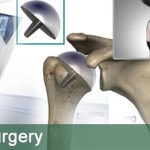
Joint Resurfacing In India Things To Consider Going For The Surgery
Planning Your MedicaTrip to India?
Joint Replacement Surgery Hospital India makes it simple:
- Fill in our enquiry form — our executive will contact you shortly.
- Call us anytime: +91-9860432255
- Complete surgery details are available on our website.
What is Joint Resurfacing?
Joint Resurfacing in India is a procedure, where the joint is relined rather than replacing it. The damaged bone along with the cartilage is removed, which is replaced by a metal prosthesis, similar to what is used in a traditional hip replacement surgery.
How do I know if I am a good candidate for the Joint resurfacing Procedure?
Joint Resurfacing in India reviews indicates that the popular candidates for this form of surgery are someone who is healthy and has strong bones. Though there are some surgeons who consider this form of surgery to be suitable across all age groups and lifestyles. This might be a better choice for young people as the procedure is known to leave more bone intact.
Check out the Patient Testimonial, where the patient shares about their success stories from treatments through Joint Replacement Surgery Hospital India.
Hi, my name is Bakhtiyar from Kazakhstan. I got a hip resurfacing surgery in India through your surgery group. Before the surgery, I started experiencing hip pain to the point that I had discomfort while walking. Eventually, I went for consultation with my doctor who asked me to undergo X-rays and later I was diagnosed with osteoarthritis of the hips. I was told that the only option was hip resurfacing. The expensive treatment cost in my native place, made me look out for an affordable option. One of my friends who got a surgery in India suggested me your surgery group. His overall experience was wonderful during the medical trip in India. I contacted them with my inquiry and got a reply back from them. After a lot of discussion with them over the mails and phone, I gave them my consent for getting my surgery in India. The surgeon and the staff were compassionate and very caring. The surgeon explained me what I should expect before my surgery. My surgery went smoothly. They helped me throughout the journey and also assisted in arranging medical visas. I want to thank everyone for their dedicated efforts, support and love I received during my medical trip in India.
Joint Resurfacing Procedure & Recovery & Effectiveness
During the course of Low cost Joint Resurfacing in India, the main objective is to replace the damaged cartilage and any associated loss of the bone structure. In a way it is a resurfacing of the damaged joint, which relies on the muscles along with ligaments for support and function. Once the joint is in place, the motion and the function aspect can be taken care of by physical therapy. Some of the most common joint surfacing techniques are of the hip, joint and the shoulder.
The recovery process of each of these forms of surgeries tends to vary considerably. But one thing is common that for optimum results to be achieved it may take somewhere in the region of 6 to 12 months. One must continue with the therapy to achieve the timely results. Immense patients have got a new sense of life after undertaking this surgery.
The process of rehabilitation will be progressive and ongoing. It is sometimes important to understand the fact that progress may be slow and results may take some amount of time. The physician will monitor your results on a regular basis.
Why Opting Joint Resurfacing is necessary?
Surgery is the last line of defence when all other treatment mechanism has failed to yield the desired results. They may include medications along with physical therapy, which are advised during Free Consultation Joint Resurfacing in India. Joint resurfacing is known to eliminate the joint pain and the same time correcting along with improving the mobility part. This surgery is also undertaken to treat advanced version of arthritis. While being overweight does not cause arthritis, it may contribute to the gradual progression of the joint problems.
Are you looking for Affordable Cost of Joint Resurfacing Surgery in India?
Please enquire with us Get a “No Obligation Quote”
Why to choose an Indian Hospital for your Joint Resurfacing?
Since post operative care is important during this course of surgery, one has to opt for the best surgeons in the business. So where do you find them? The answer to this question is the fact that the elite class of hospitals in India has them. Most of them have incorporated the latest in technology and the state of art infrastructure can be compared to the best in the business. Even the doctors who practice their skills in India are of the top draw.
Joint Resurfacing Cost in India
Affordable Joint Resurfacing in India ensures that you can combine your medical trip with a journey to the beautiful tourist locations of the country. India has a diverse culture and there are a host of places which one can look to recharge the batteries during their medical trip.
If you are really seeking Joint Resurfacing Surgery, kindly fill up the form for a free consultation with our surgeons. You will be provided with thorough analysis and suggestions regarding the Joint Resurfacing Surgery you are seeking.
FAQ’s
Joint Replacement Surgery Hospital India offers highest quality bone and joint health care with attentiveness, care and compassion to meet the needs of the patients and their loved ones. The medical team includes board-certified orthopedic surgeons who are familiar with all the aspects of the musculoskeletal system. Our hospital uses the most advanced technologies available for the orthopaedic procedures and has a lower complication rate.
You can most definitely choose hotels as per your convenience to you and your budget.
You can talk to the doctor and satisfy all your medical queries. You can also send us your queries for answers from the top doctors.
To know about the procedure of getting an Indian Medical Visa, please go to our website where you will find all the details regarding the initial procedure. You can also send us a query regarding the same.
Joint resurfacing is an attractive alternative to total joint replacement for some patients. It’s a more conservative approach that allows patients to conserve more of their natural bone.
At Joint Replacement Surgery Hospital India, we utilize a method that allows patients under 60 to participate in more strenuous physical activity with an implant that is potentially longer-lasting and more stable than total hip replacements.
Traditionally, treatments begin with over-the-counter pain relievers and the use of devices such as heating pads. Physical therapy and exercise can also be helpful, as can corticosteroid injections.
We do not limit patients from sports participation.
Many hospitals in India have language translators to help you communicate better and effortlessly with the doctors and medical staff.
Arthroscopic acromioplasty In India Things To Consider While Going For The Surgery
Planning Your MedicaTrip to India?
Joint Replacement Surgery Hospital India makes it simple:
- Fill in our enquiry form — our executive will contact you shortly.
- Call us anytime: +91-9860432255
- Complete surgery details are available on our website.
What is Arthroscopic Acrominoplasty?
The arthroscopic Acrominoplasty is a surgical procedure in order to remove the acromion. This essentially means that a small part of the surface of the bone is removed is called as the acromion which remains in contact with the tendon. This small growth causes friction and in turn damage to the tendon. The procedure of Arthroscopic Acrominoplasty in India has become popular over a period of time. This type of surgery is most preferred for the shoulder pain and shoulder replacement. The patient can get Low cost Arthroscopic Acrominoplasty in India.
How do I know if I am a good candidate for Arthroscopic Acrominoplasty Procedure?
When we see the Arthroscopic Acrominoplasty in India reviews you would understand that the shoulder pain is common among those who have chronic arthritis. Those who have suffered an injury also face the problem of pain in the shoulders. In most of the cases the major cause of chronic pain arthritis. The shoulder consists of a ball and a socket in the joint. The hip replacement and knee replacement are very well known surgeries among all of us. In the recent studies the experts have found that there is a positive possibility of getting the shoulder replacement surgery done in order to relieve them from the shoulder pain. The patients who suffer from chronic shoulder pain should go for the replacement surgery by keeping various facts in mind.
Check out the Patient Testimonial, where the patient shares about their success stories from treatments through Joint Replacement Surgery Hospital India.
Hi, I am Johannah from Zimbabwe. I came to India for arthroscopic acrominoplasty through your surgery group. I suffered from shoulder pain for a long time. After consulting with my doctor, he referred me to get my surgery through your surgery group in India. I contacted them with my query and they answered all my queries. I also got to talk with the surgeon before travelling to India. They assisted me with medical visa letters, travel, food and stay arrangements. At the airport, a pleasant guy came to receive us and escorted to a three star hotel. In the evening, we were taken to the hospital, where the surgeon came to meet us and discussed about the surgery. The nurses were amazing and took care of me. I am grateful to your surgery group for the quality of service and care I received throughout my medical trip in India.
Arthroscopic Acrominoplasty Procedure & Recovery & Effectiveness
The shoulder replacement surgery is the procedure of getting the bone and socket of the shoulder replaced. This is done with the help of plastic and metal implants. The surgery is done in order to improve the movement of the shoulders and to ease the pain in the shoulders. For the shoulder surgery, which involves the surrounding muscles and tendons; such as torn muscle tissues then the most recommended surgery is the shoulder arthroscopy. This type of surgery does not call for open surgery, but in the patients where the total replacement surgery is required it has to be an open surgery.
In the shoulder replacement surgery the patient is given the anesthesia. The anesthesia is either a general anesthesia or a regional anesthesia along with the interscalene block. Even before the operation begins the patient is under sedation and practically unconscious. The person is made to sit in the beach chair position in order to start the operation.
Why Opting Arthroscopic Acrominoplasty is necessary?
There are various symptoms which indicate that replacement surgery has become vital for the patient. When the shoulder has a limited flexibility and very less of a movement then there is an urgent need of getting the shoulder replaced. In case there is swelling in the joints of the shoulders it is time to have a replacement surgery. Whenever a person does any activity and experiences a pain while doing so or are not able to do proper movements with their shoulders; the patients who get a feeling of grinding or catchy pain in the shoulder; these are some of the major symptoms which hints that a surgery is vital.
Why to choose an Indian Hospital for your Arthroscopic Acrominoplasty?
You should choose Indian hospitals because you can get Affordable Arthroscopic Acrominoplasty in India besides this you can also get a Free Consultation Arthroscopic Acrominoplasty in India – you get complete knowledge and details about this type of surgery.
Are you looking for Affordable Cost of Arthroscopic acromioplasty in India?
Please enquire with us Get a “No Obligation Quote”
Arthroscopic Acrominoplasty Cost in India
The cost of the arthroscopic Acrominoplasty is very less in India as compared to other countries.
If you are really seeking Arthroscopic Acrominoplasty, kindly fill up the form for a free consultation with our surgeons. You will be provided with thorough analysis and suggestions regarding the Arthroscopic Acrominoplasty you are seeking.
FAQ’s
Joint Replacement Surgery Hospital India offers highest quality bone and joint health care with attentiveness, care and compassion to meet the needs of the patients and their loved ones. The medical team includes board-certified orthopedic surgeons who are familiar with all the aspects of the musculoskeletal system. Our hospital uses the most advanced technologies available for the orthopaedic procedures and has a lower complication rate.
You can most definitely choose hotels as per your convenience to you and your budget.
You can talk to the doctor and satisfy all your medical queries. You can also send us your queries for answers from the top doctors.
To know about the procedure of getting an Indian Medical Visa, please go to our website where you will find all the details regarding the initial procedure. You can also send us a query regarding the same.
Ask your doctor the following questions before undergoing this surgery:
- What guidelines should I follow prior to my procedure? Will I need other tests or evaluations before the procedure?
- Which type of repair will you perform and why is it the appropriate procedure for my condition?
- What will happen if I don’t undergo the procedure now?
- How long will the procedure last and will I be under anesthesia?
- Will I have dressings, bandages, or stitches after surgery? When should they be removed?
- Will I be given medication after surgery? What tips do you have for me to ease discomfort?
- How long of a recovery period can I expect, and what kind of help will I need during my recovery? Are there special instructions for eating, sleeping, or bathing?
- When can I return to work, resume normal activity, drive, and exercise?
- Are the results permanent?
- Will I need physical therapy?
Many hospitals in India have language translators to help you communicate better and effortlessly with the doctors and medical staff.
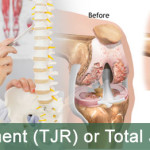
Why You Should Consider Total Joint Replacement (TJR), or Total Joint Arthroplasty in India
Planning Your MedicaTrip to India?
Joint Replacement Surgery Hospital India makes it simple:
- Fill in our enquiry form — our executive will contact you shortly.
- Call us anytime: +91-9860432255
- Complete surgery details are available on our website.
What is Total Joint Replacement (TJR) or Total Joint Arthroplasty?
Total Joint Replacement (TJR) or Total Joint Arthroplasty in India is a surgical procedure, where the damaged joint is removed and replaced with a plastic device known as prosthesis. The prosthesis is formulated to replicate the movement of a normal healthy joint.
How do I know if I am a good candidate for Total Joint Replacement (TJR) or Total Joint Arthroplasty Procedure?
According to Total Joint Replacement (TJR), or Total Joint Arthroplasty in India reviews, several conditions can cause disability and pain that may force the patients to consider total joint replacement. In some cases the joint pain is caused by damage to the cartilage that lines the end of the bones either from arthritis or a fracture. If non surgical methods like medications or physical therapy and changes to your everyday activities do not provide relief from the pain, then this form of surgery is the only option left.
Check out the Patient Testimonial, where the patient shares about their success stories from treatments through Joint Replacement Surgery Hospital India.
Hello, my name is Amanda Dimka, 53 years old from Nigeria. I was infected in the left knee that caused excruciating pain. My doctor recommended me to undergo a total knee replacement surgery. The lack of medical facilities back in my native country was the main reason to search for surgery abroad. We came to know about affordable surgery in India and came across your website. After consultation I got my surgery fixed in India. My surgeon was a nice person and explained me everything before my surgery. The nurses were quite compassionate and took care of me. The medical tourism consultants assisted us with medical visas, food and lodging arrangements during my medical trip to India. I am thankful to the medical tourism company for their assistance throughout the entire process and recommend you to anyone looking for kind kind of surgery.
Total Joint Replacement (TJR) or Total Joint Arthroplasty Procedure & Recovery & Effectiveness
The duration of the surgery lasts for a couple of hours. It is performed as an outpatient procedure or in a hospital. During the process, the bone is removed from the joint and replaced with artificial components like plastic or steel.
Free Consultation Total Joint Replacement (TJR) or Total Joint Arthroplasty in India is the time where the patient along with the surgical team, will spend time preparing for the procedure. Your general health will be checked, and several forms of tests may be required to be undertaken. This could be in the form of blood or cardiogram to help you plan for the surgery.
There are many things which you can do as an individual. You can talk to your doctor and ask them various questions. Intake of the correct form of diet with exercise will also be of help. The first few weeks after the surgery, you can sit in your home and arrange for help. If you plan ahead, you can ensure that you have a smooth and a speedy recovery.
The recovery process will vary from patient to patient. In a way the doctor will encourage you to start using the new joint as soon as possible. Though it can be challenging at times, following the instructions of the doctor will enhance the recovery process. Most of the patients will experience some sort of pain as the surrounding muscles are weak from inactivity.
Why Opting Total Joint Replacement (TJR) or Total Joint Arthroplasty is necessary?
The majority of the patients who have undergone this surgery are known to resume their normal activities. It is a common myth that the benefits of Low cost Total Joint Replacement (TJR) or Total Joint Arthroplasty in India is known to last for several years that provides one with an improved quality of life, along with improved strength and motion that would not have been otherwise possible.
Why to choose an Indian Hospital for your Total Joint Replacement (TJR) or Total Joint Arthroplasty?
The Hospitals of India have scaled the popularity charts and setting new benchmarks with each passing day. The comfort along with the safety of the patient is taken care of and it gives the foreign tourists a feeling of home away from home when they get the surgery done in India.
Total Joint Replacement (TJR) or Total Joint Arthroplasty Cost in India
Affordable Total Joint Replacement (TJR) or Total Joint Arthroplasty in India attracts patients from worldwide. You can save close to 60 % of the cost of surgery when you choose India and almost all the hospitals in India have no waiting lists. So you are just a day away from your surgery.
If you are really seeking Total Joint Replacement (TJR) or Total Joint Arthroplasty, kindly fill up the form for a free consultation with our surgeons. You will be provided with thorough analysis and suggestions regarding the Total Joint Replacement (TJR) or Total Joint Arthroplasty you are seeking.
FAQ’s
Joint Replacement Surgery Hospital India offers highest quality bone and joint health care with attentiveness, care and compassion to meet the needs of the patients and their loved ones. The medical team includes board-certified orthopedic surgeons who are familiar with all the aspects of the musculoskeletal system. Our hospital uses the most advanced technologies available for the orthopaedic procedures and has a lower complication rate.
Also called arthroplasty, total joint replacement is a surgical procedure in which both sides of a joint are removed and replaced by artificial implants (prostheses) that are anchored to the bones.
In osteoarthritis (OA), the soft, movement-easing cartilage at the ends of joint bones breaks down and wears away as the person grows older. Eventually the bones rub directly against each other whenever the joint moves, causing pain and stiffness. The rest of the body’s joint surfaces are covered with a smooth tissue lining called the synovium :
In rheumatoid arthritis (RA), chemical changes in the synovium cause it to destroy cartilage. In post-traumatic arthritis, joint pain and stiffness may develop after injury to the joint; the resulting failure of the bone and cartilage to heal properly causes the roughened joint surfaces to grind together. For more information on arthritis and knee, hip, or shoulder joint pain, go to:
This is a very personal decision that only you can make, with the help of an orthopaedic surgeon’s evaluation of your pain and its effects on your daily life.
When other treatment options no longer provide relief, joint replacement may be recommended — not only to relieve pain, but also to prevent the disability it can cause. For example, experiencing joint pain day after day without relief can lead to “staying off” the joint — which often weakens the muscles around it so it becomes even more difficult to move. Your orthopaedic surgeon will tell you whether you might benefit from joint replacement and explain the reasons why it may, or may not, be right for you at this time.
You’ll need routine blood tests, urinalysis, a physical examination, and, if you’re over 50 or your doctor thinks they’re advisable, an electrocardiogram (ECG) and chest X-Ray as well. Your own doctor or the hospital where you’ll have the surgery may perform these preoperative tests and evaluations. You may also be asked to donate blood pre-operatively or to have a designated donor — usually a family member or relative — do this. Your doctor or orthopaedic surgeon will specify exactly which tests and evaluations you will need and when you should have them. He or she may also recommend that you take an iron supplement before your surgery, and you may be asked to stop taking certain medications — for example, aspirin and other medications that thin the blood. Your doctor or orthopaedic surgeon will also specify how these and any other medication concerns apply to you. Finally, do not eat or drink after midnight on the day your surgery takes place.
Following joint replacement surgery, hospital stays vary depending on insurance coverage and individual medical status; a total of 7 days (including the day of the surgery) is typical. The surgery may take from 1 to 2 hours; you’ll spend about the same amount of time in the recovery room. On the first day after your surgery, expect to begin physical and occupational therapy, typically several brief sessions a day — first steps on your way to getting back into your life and activities! When you’re ready for discharge, the decision will be made concerning whether you can best continue to recover at home (the usual procedure) or in another facility (Nursing Home) where you can receive specialized rehabilitation help. If you do go to another facility, the goal will be to return you to your home, able to move about with a safe level of independence, within 3 to 5 days.
You shouldn’t be surprised if you feel a little shaky and uncertain for the first day or two after you’re discharged. But soon you’ll get a routine going and gain confidence in your new joint — the start of a new life with less pain. (As with any surgery, you’ll probably take pain medication for a few days while you are healing.) Be aware that you’ll probably need a walker and/or crutches for about 6 weeks, then use a cane for another 6 weeks or so. You’ll be in touch with your orthopaedic surgeon as well as your physiotherapis, so you’ll have plenty of opportunities to ask questions or discuss concerns as well as to report your progress.
This is a decision that only you and your orthopaedic surgeon can make. However, there are some general guidelines:
- You’ll practice stair-climbing in the hospital and should be able to do this by the time you leave.
- You should have no restrictions on leaving your home as long as your safety and comfort are assured. Just don’t tire yourself out; a good balance of exercise, rest, and relaxation is best for helping your body heal and gain strength.
- When to resume driving a car, going to work, and/or participating in sports activities are all highly individualized decisions. Be sure to follow your doctor’s or orthopaedic surgeon’s advice and recommendations.
You can most definitely choose hotels as per your convenience to you and your budget.
You can talk to the doctor and satisfy all your medical queries. You can also send us your queries for answers from the top doctors.
To know about the procedure of getting an Indian Medical Visa, please go to our website where you will find all the details regarding the initial procedure. You can also send us a query regarding the same.
Many hospitals in India have language translators to help you communicate better and effortlessly with the doctors and medical staff.
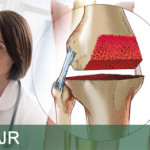
Why You Should Consider Minimally Invasive TJR in India
Planning Your MedicaTrip to India?
Joint Replacement Surgery Hospital India makes it simple:
- Fill in our enquiry form — our executive will contact you shortly.
- Call us anytime: +91-9860432255
- Complete surgery details are available on our website.
Minimally Invasive TJR Overview
The traditional approach to knee replacement uses a long incision in the centre of the knee to view and access the joint. Minimally Invasive TJR in India on the other hand is a variation of this approach and the process uses a shorter incision and a less invasive technique to expose the joint. This form of surgery is not suitable for all patients and the surgeon will discuss the various options with you. Fewer muscles are cut and detached during the course of the surgery.
How do I know if I am a good candidate for Minimally Invasive TJR Procedure?
Minimally Invasive TJR Procedure is not suitable for all patients. The doctor will conduct a thorough evolution and consider several options before arriving at the conclusion on whether the surgery is the right course of action for you. It is more suitable for patients who are overweight and have already undergone some form of knee surgeries in the past.
In other words Free Consultation Minimally Invasive TJR in India of patients reveals the fact that one who has a significant deformity of the knee is suitable for this surgery. Patients who are muscular their healing process may be a touch slow which may hamper the healing process.
Check out the Patient Testimonial, where the patient shares about their success stories from treatments through Joint Replacement Surgery Hospital India.
Hi, this is Nursultan Ibrahim from Kazakhstan. I underwent minimally invasive TJR with the assistance of your medical tourism company. Prior to surgery, I was in extreme pain and my doctor recommended me for the surgery. I was reluctant to undergo the surgery. But seeing me suffer from the pain, my friend recommended me to look for treatments abroad. I started searching for treatments and came to your website. I send my query for a free consultation. I got a call within 48 hours and they asked me to send my reports. I also talked with my surgeon prior to visiting India. At the hospital, the surgeon was a gentleman who made me feel easy and his staff were very caring. I was impressed by their hospitality and professionalism. I am happy to get my surgery fixed with Joint Replacement Surgery India, they assisted me from the start and cared for me throughout my medical journey in India.
Minimally Invasive TJR Procedure & Recovery & Effectiveness
During Affordable Minimally Invasive TJR in India less tissue around the knee is cut. The artificial implants used are the same as regards total joint replacement. Shorter incisions say 4 to 6 inches are used in this surgery. It allows for less disturbance of the tissue.
Over the course of surgery, the duration of the hospital stay is similar to a total joint replacement that ranges from 1 to 4 days. Physical rehabilitation is a significant part of the process of recovery. The surgeon will guide you on the set of exercises that will restore your strength and increase your range of motion.
Why Opting Minimally Invasive TJR is necessary?
According to Minimally Invasive TJR in India reviews of patients, this surgery is an evolving era and long term research on the functionality and durability of the implants needs to be done. The results of the surgery point to the fact that less damage to soft tissues is caused. The recovery period is less painful, which ensures a speedy recovery to your daily activities.
Having said this form of surgery is not free from complications. These complications include injuries to the nerve and the arthritis.
Are you looking for Affordable Cost of Minimally Invasive TJR Surgery in India?
Please enquire with us Get a “No Obligation Quote”
Why to choose an Indian Hospital for your Minimally Invasive TJR?
Indian hospitals are trendsetters in the medical tourism of the country and taking new strides. The medical staff at the hospitals acts as a guide and provides valuable inputs during each stage of your medical journey. The patients also tend to be at ease when interacting with them.
Minimally Invasive TJR Cost in India
The healthcare facilities in India are among the lowest when one compares it to the rest of the world. India has a tropical climate with high temperatures and the best time to visit this place is between the months of May to September. Low cost Minimally Invasive TJR in India makes it a point that the costs are less in stature to the European counterparts, but the facilities are of superior standards.
If you are really seeking Minimally Invasive TJR, kindly fill up the form for a free consultation with our surgeons. You will be provided with thorough analysis and suggestions regarding the Minimally Invasive TJR you are seeking.
FAQ’s
Joint Replacement Surgery Hospital India offers highest quality bone and joint health care with attentiveness, care and compassion to meet the needs of the patients and their loved ones. The medical team includes board-certified orthopedic surgeons who are familiar with all the aspects of the musculoskeletal system. Our hospital uses the most advanced technologies available for the orthopaedic procedures and has a lower complication rate.
Hospital stays generally range from two to five days for total knee replacement and two to six days for total hip replacement. The new minimally invasive procedures being performed by our surgeons typically get our patients out of the hospital sooner, with less pain and a faster overall recovery. On occasion, patients may be admitted to a rehabilitation or skilled nursing facility after being discharged from the hospital. However, our goal is to eliminate the need for such interim care. Through the preoperative education, combined with physical therapy and home health services, most of our patients return to everyday activities within a one or two.
Because of advancements in instrumentation and surgical technique, a vast majority of patients can elect to undergo a small incision joint replacement. There is no weight or size limit, nor an age limit for these procedures. The size of the incision is, to some degree, driven by the size of the implants that are placed at the time of surgery.
Larger bones require larger replacement implants and longer incisions. Obese patients may require larger incisions for exposure of the joint that is being replaced, but the same care is taken to minimize the disruption of soft tissue structures at the joint level.
Depending on your medical conditions and your level of physical fitness before surgery, typically patients undergoing less invasive joint replacement stay 1-2 days before going home. Our Orthopedic Surgeons believe it is usually necessary to stay one night after joint replacement surgery for medical observation for even the most fit and healthy patients. Despite our many advancements in recent years, less invasive joint replacement is still a major orthopaedic surgery and can have significant complications that your medical team will be watching for during your hospital stay. The majority of these complications is observed in the first 1-3 days after surgery.
Most patients can drive safely in as few as 2-6 weeks after surgery. Each patients recovery is different after joint replacement. To be able to safely drive, the patient must discontinue narcotic pain medication and have the strength and reaction time to safely operate their vehicle without endangering others.
As long as it needs to be for your surgeon to safely and accurately perform your surgery. Using less invasive techniques and instruments, the incision is usually 3-4 inches in length. However, if this length of the incision does not allow adequate visualization to do the surgery appropriately, the incision is lengthened. More complicated hip and knee replacements with significant joint deformity, re-do or revision joint replacements require larger incisions. The length of the incision for a traditional approach to hip or knee replacement is 8-12 inches.
It is widely accepted that less invasive approaches to joint replacement are more difficult to perform correctly than standard approaches to hip and knee replacement. It is important to select a surgeon with appropriate training and experience performing these procedures. Specific modifications to surgical instrumentation and technique must be made to safely and reproducible perform a less invasive approach. Simply making a shorter incision without significant adaptations can result in poor surgical results and severe complications. Without appropriate surgical exposure or visualization, errors in alignment and sizing of components, damage to nerves and arteries, and poor soft tissue balancing can compromise the end result for the patient. It is important to talk to your surgeon about their training and experience performing minimally invasive procedures.
Currently there are no long-term studies of minimally invasive joint replacements as the techniques and instruments used to perform these surgeries have been evolving over the last ten years. The orthopaedic literature shows that patients who undergo a less invasive joint replacement enjoy a faster recovery in the first 2-4 weeks after surgery. Studies have documented less blood loss at the time of surgery, less pain and pain medication usage, shorter hospital stays, faster return to walking with a cane or no assist device, and faster return to work. These early advantages are only significant in the first 6-12 weeks after surgery. By 3 months, joint replacement patients have achieved 90% of their ultimate recovery regardless of the approach used at the time of surgery. Long term success of a hip or knee replacement depends on the appropriate selection, sizing, and alignment of the implants.
With appropriate instruments and surgical training, this can be achieved through a minimally invasive or traditional approach to the procedure. Current studies of long-term results of hip and knee replacement suggest a 90-95% survivorship of the reconstructed joint at 20 years follow-up.
The goal is to safely and accurately reconstruct your hip or knee while disrupting as little normal tissue around your joint as possible. This results in faster relief of pain and restoration of normal function, getting you back to life, back to work, and back to the activities that you enjoy most.
A less invasive approach to hip or knee replacement is a much more technically demanding procedure than traditional approaches. Without appropriate training and equipment, and an experienced surgical team, complications can occur that affects the long term function of the reconstructed joint. In addition, most revision (or re-do) replacements and some primary (first time) joint replacements require significantly more exposure of deep joint structures than can be safely accomplished using minimally invasive techniques. Your surgeon can describe what is needed for your specific procedure.
Where were you trained to complete small incision hip and knee replacements? These procedures are fundamentally different than traditional joint replacements in both technique and instrumentation. This technique is not something a surgeon can learn on a weekend course and immediately incorporate into their practice. Without appropriate training, the surgery can lead to poor outcomes with serious complications.
Many surgeons advertise minimally invasive approaches, but change nothing but the size of the skin incision. What really matters to the patient is what is done with the soft tissue (muscles, tendons, ligaments) under the skin. To safely and reproducibly complete these new approaches, a whole new set of instruments and techniques have been developed.
We use a spinal anesthetic when possible, combined with regional techniques that allow patients to participate with therapy right after surgery.
Our Orthopedic Surgeon chooses a family of implants with a proven track record of clinical success. He routinely uses a knee prosthesis that has one of the lowest rates of revision in large total joint registries. The hip implants selected by the surgeons are based on individual variations in anatomy. These are fine tuned to adjust for gender differences and patient size to best recreate a patient’s anatomy. The less invasive techniques he uses do not influence the selection of the correct implant for each patient.
You can most definitely choose hotels as per your convenience to you and your budget.
You can talk to the doctor and satisfy all your medical queries. You can also send us your queries for answers from the top doctors.
To know about the procedure of getting an Indian Medical Visa, please go to our website where you will find all the details regarding the initial procedure. You can also send us a query regarding the same.
Many hospitals in India have language translators to help you communicate better and effortlessly with the doctors and medical staff.