

Category Archives: Shoulder & Elbow Shoulder
جراحة استبدال الكتف منخفضة التكلفة في الهند

يعد التخطيط لرحلتك الطبية إلى الهند عملية بسيطة للغاية مع مستشفى جراحة استبدال المفاصل في الهند
- كل ما عليك فعله هو ملء نموذج الاستفسار الخاص بنا وسيقوم أحد المديرين التنفيذيين لدينا بالاتصال بك قريبًا..
- +91-9860432255 اتصل بنا على رقم الاتصال المحدد للحصول على أي مساعدة.
- يتم توفير المعلومات الكاملة المتعلقة بالجراحة على موقعنا.
ما هي جراحة استبدال الكتف?
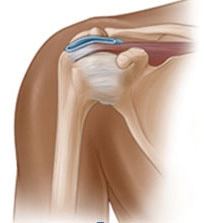
استبدال الكتفهو إجراء جراحي يتم فيه استبدال المفصل الحقاني العضدي بالكامل أو جزء منه بزراعة صناعية. يتم إجراء جراحة استبدال المفاصل بشكل عام لتخفيف آلام التهاب المفاصل أو إصلاح تلف المفاصل الجسدي الشديد.
جراحة استبدال الكتف هو خيار لعلاج التهاب المفاصل الحاد في مفصل الكتف. التهاب المفاصل هو حالة تؤثر على غضروف المفاصل. ومع تآكل بطانة الغضروف، يتم فقدان البطانة الواقية بين العظام. عندما يحدث هذا، يتطور التهاب المفاصل العظمي المؤلم. التهاب المفاصل الحاد في الكتف مؤلم للغاية، ويمكن أن يسبب تقييد الحركة. في حين أنه يمكن تحمل ذلك مع بعض الأدوية وتعديلات نمط الحياة، فقد يأتي وقت يكون فيه العلاج الجراحي ضروريًا.
أعراض-
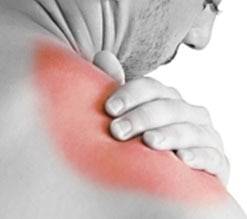
عادة ما يصف المرضى المصابون بالتهاب المفاصل ألمًا عميقًا داخل مفصل الكتف. في البداية، يصبح الألم أسوأ مع الحركة والنشاط، ويخف مع الراحة. مع تقدم التهاب المفاصل، قد يحدث الألم حتى عند الراحة. بحلول الوقت الذي يذهب فيه المريض إلى الطبيب لعلاج آلام الكتف، غالبًا ما يعاني من الألم أثناء الليل. قد يكون هذا الألم شديدًا بدرجة كافية لمنع النوم الجيد ليلاً. قد يصدر كتف المريض أصوات طحن أو صرير عند تحريكه. أو قد يمسك الكتف أو يمسك أو ينغلق أو ينغلق. مع مرور الوقت، قد يلاحظ المريض فقدان الحركة و/أو الضعف في الكتف المصاب. قد تصبح الأنشطة اليومية البسيطة مثل الوصول إلى الخزانة وارتداء الملابس واستخدام المرحاض وغسل الإبط الآخر صعبة بشكل متزايد.
تشمل الأعراض الشائعة لالتهاب مفاصل الكتف:
- الألم أثناء الأنشطة
- نطاق محدود من الحركة
- تصلب الكتف
- تورم المفصل
- الألم حول المفصل
- الشعور بالطحن أو الإمساك داخل المفصل
فيديو – جراحة استبدال الكتف في الهند
مراجعة المريض – يشارك المريض الأفريقي قصص نجاح جراحة استبدال الكتف منخفضة التكلفة في الهند

مرحبًا، أنا أندريه جاكوبس من جنوب أفريقيا. لقد حصلت على جراحة استبدال الكتف في الهند من خلال مستشفى الاستبدال المشترك في الهند. لقد شعرت بألم في كتفي الأيسر أثناء رفع الأثقال والعمل في حديقتي. وبمرور الوقت، تطور هذا الانزعاج إلى ألم وبدأ يتداخل مع أنشطتي اليومية. على الرغم من أنني خضعت للعلاج الطبيعي وتناولت الأدوية، إلا أنه لم ينجح أي شيء. في ذلك الوقت، اقترح عليّ صديق قريبي وهو طبيب بشأن مجموعة الجراحة الخاصة بك في الهند. لقد بحثت عبر الإنترنت عن مزيد من المعلومات وأعجبت بها، وأرسلت استفساري. لقد اتصلوا بي مرة أخرى وأجابوا على جميع استفساراتي. لقد شرحوا لي جيدًا عن الجراحة وما يجب أن أتوقعه منها. كما طلبوا مني تقاريري الطبية وبعد حصولي على أفضل الخيارات العلاجية، قمت بإصلاح جراحتي معهم. لقد مررت بواحدة من التجارب المذهلة خلال رحلتي إلى الهند. استغرق الجراح وقته في إزالة كل شكوكي وجعلني أشعر بالارتياح. كان فريق العمل ودودًا. شكرًا لكم على الرعاية الرائعة وجودة الخدمة التي قدمتموها يا رفاق طوال فترة إقامتي في الهند.
خيارات علاج الكتف-
العلاج غير الجراحي-
يبدأ علاج التهاب الكتف المفصلي بالراحة وممارسة الرياضة وتناول أدوية التهاب المفاصل. إن إراحة الكتف وتطبيق الحرارة الرطبة يمكن أن يخفف الألم الخفيف. بعد النشاط المضني، قد تكون الكمادات الثلجية أكثر فعالية في تقليل الألم والتورم.
قد يكون العلاج الطبيعي مفيدًا عندما يكون التهاب المفاصل في مراحله المبكرة. يساعد في الحفاظ على حركة المفاصل وتقوية عضلات الكتف. يكون العلاج الطبيعي أقل فعالية عندما يتقدم التهاب المفاصل إلى درجة احتكاك العظام بالعظام. في هذه الحالة، قد يؤدي العلاج الطبيعي إلى زيادة ألم الكتف.
يمكن لأدوية التهاب المفاصل، والتي تسمى مضادات الالتهاب غير الستيرويدية (NSAIDs)، السيطرة على آلام التهاب المفاصل. يمكن شراء بعض مضادات الالتهاب غير الستيروئيدية بدون وصفة طبية، بينما يتطلب البعض الآخر وصفة طبية. يمكن أن يوفر حقن الكورتيزون الدوري في مفصل الكتف تخفيفًا مؤقتًا للألم. ومع ذلك، فإن الإفراط في تناول جرعات الكورتيزون يمكن أن يكون له آثار ضارة.
العلاج الجراحي-
في حالة العلاج غير الجراحي، قد تكون هناك حاجة لعملية جراحية لاستبدال الكتف. يتم عادةً إجراء عمليات استبدال الكتف لتخفيف الألم.
هناك عدة أنواع مختلفة من بدائل الكتف. يتضمن الاستبدال الكلي للكتف المعتاد استبدال أسطح المفصل المصاب بالتهاب المفاصل بكرة معدنية مصقولة للغاية متصلة بالساق ومقبس بلاستيكي. المكونات تأتي بأحجام مختلفة. إذا كان العظم ذو نوعية جيدة، فقد يختار الجراح استخدام مكون عضدي غير مثبت أو قابل للضغط. إذا كان العظم ناعمًا، فقد يتم زرع الجزء العضدي باستخدام أسمنت العظم. في معظم الحالات، يتم زرع المكون الحقاني البلاستيكي بالكامل باستخدام الأسمنت العظمي. لا ينصح بزرع المكون الحقاني إذا:
- يحتوي الحقاني على غضروف جيد.
- العظم الحقاني يعاني من نقص شديد.
- تمزق أوتار الكفة المدورة بشكل لا يمكن إصلاحه.
المرضى الذين يعانون من هشاشة العظام على العظام وأوتار الكفة المدورة السليمة هم بشكل عام مرشحون جيدون لاستبدال الكتف الكلي التقليدي. اعتمادًا على حالة الكتف، قد يقوم الجراح باستبدال الكرة فقط. في بعض الأحيان، يتم اتخاذ هذا القرار في غرفة العمليات وقت إجراء الجراحة. يقوم بعض الجراحين باستبدال الكرة عندما تكون مكسورة بشدة ويكون التجويف طبيعيًا.
تحضير-
قد تتطلب بعض المشاكل التنكسية الشديدة في الكتف استبدال الكتف المؤلم بمفصل كتف صناعي. يجب عليك أنت وجراحك اتخاذ القرار بإجراء الجراحة معًا. تحتاج إلى فهم أكبر قدر ممكن من الإجراء. إذا كانت لديك مخاوف أو أسئلة، فيجب عليك التحدث مع جراحك.
بمجرد اتخاذ قرار بشأن الجراحة، عليك اتخاذ عدة خطوات. قد يقترح الجراح إجراء فحص بدني كامل بواسطة طبيبك العادي. يساعد هذا الاختبار على التأكد من أنك في أفضل حالة ممكنة لإجراء العملية.
قد تحتاج أيضًا إلى قضاء بعض الوقت مع المعالج الطبيعي أو المهني الذي سيتولى إدارة إعادة تأهيلك بعد الجراحة. يتيح لك هذا البدء في عملية تعافيك. أحد أغراض هذه الزيارة السابقة للعملية هو تسجيل خط الأساس للمعلومات. سيقوم المعالج الخاص بك بفحص مستويات الألم الحالية لديك، والقدرة على القيام بأنشطتك، وحركة وقوة كل كتف.
الغرض الثاني من الزيارة السابقة للعملية هو إعدادك للجراحة. ستبدأ في تعلم بعض التمارين التي ستستخدمها أثناء فترة تعافيك. ويمكن أن يساعدك معالجك على توقع أي احتياجات أو مشكلات خاصة قد تواجهك في المنزل، بمجرد خروجك من المستشفى.
في يوم الجراحة، من المحتمل أن يتم إدخالك إلى المستشفى في الصباح الباكر. يجب ألا تأكل أو تشرب أي شيء بعد منتصف الليل في الليلة السابقة. تعال مستعدًا للبقاء في المستشفى لعدة ليالٍ. يعتمد طول الوقت الذي ستقضيه في المستشفى عليك كثيرًا.
ما هي تكلفة جراحة استبدال الكتف في الهند؟
تكلفة جراحة استبدال الكتف في الهند يمكن أن تتراوح من حوالي روبية. 4,00,000 ($5,000) إلى روبية. 5,60,000 ($7,000).
Tستعتمد التكلفة على مرحلة التهاب المفاصل، ونوع الجراحة المطلوبة، والتحقيق والتقييم المطلوب، وتخصص الجراح، ورسوم المستشفى، وفئة الغرفة.
أفضل 10 مستشفيات لجراحة استبدال الكتف في الهند
- مستشفى فورتيس، دلهي
- مستشفى ماكس، دلهي
- مستشفى أرتميس، دلهي
- مستشفى BLK، دلهي
- مستشفى نانفاتي، مومباي
- المستشفى العالمي، مومباي
- مستشفى مانيبال، بنغالور
- مستشفى كوكيلابين، مومباي
- مستشفى سيفي، مومباي
- مستشفى ميدانتا، جورجاون
استشر مجانًا مع أفضل جراحي استبدال الكتف في الهند
- د. كوشال ملحان
- د. هاريش مانجالاني
- د. أشوك راجوبال
- د. أديتيا مينون
- دكتور سانجاي ساروب
- د. ساشين بونسل
- د. هارشواردان هيغدي
- د. براديب ب. بهوسال
- د. أنيل آر كارخانيس
- دكتور آي بي إس أوبيريو
يعد التخطيط لعملية جراحية لاستبدال الكتف بأسعار معقولة في الهند عملية سهلة.
شبكة المستشفيات ومجموعة الجراحة لدينا متاحة في 15 مدينة في الهند ليتمكن مرضانا من الوصول إليها. يرجى ملء النموذج للحصول على رأي مجاني من فريق الخبراء لدينا. سيتم تزويدك بتحليل وتوصيات لعملية جراحية. لا يتم فرض أي رسوم.
جميع الخدمات الشاملة الحزم الخاصة المتاحة للمرضى الدوليين
عملية-
يمكن إجراء جراحة استبدال الكتف بإحدى طريقتين. عندما يتآكل غضروف كل من رأس العضد (الكرة) والحقاني (التجويف)، يجب استبدال كلا الجزأين من المفصل. تسمى هذه الجراحة رأب المفاصل، وهو المصطلح المستخدم لإعادة بناء المفاصل.
إذا كان الحقاني لا يزال يحتوي على بعض الغضاريف المفصلية، فقد يستبدل الجراح الرأس العضدي فقط. يُعرف هذا الإجراء باسم رأب المفصل النصفي. (هيمي تعني النصف). يتم استخدام رأب المفصل النصفي بشكل شائع بعد حدوث كسر في الكتف حيث يتضرر تدفق الدم إلى الجزء الكروي (رأس العضد) من عظم العضد. أظهرت الأبحاث أنه عندما يتم استبدال الكتف بسبب التهاب المفاصل، فإن عملية تقويم مفاصل الكتف الكاملة تكون أفضل. يشعر المرضى بألم أقل مباشرة بعد الجراحة، وعلى المدى الطويل يكون أداء الكتف أفضل مع مضاعفات أقل ويكونون أقل عرضة للحاجة إلى عملية جراحية ثانية.
ستحتاج على الأرجح إلى تخدير عام لإجراء جراحة استبدال الكتف. التخدير العام يجعلك تنام. من الصعب تخدير الكتف والذراع فقط بطريقة تجعل مثل هذه الجراحة الكبرى ممكنة.
تتم جراحة استبدال الكتف من خلال شق في الجزء الأمامي من كتفك. وهذا ما يسمى النهج الأمامي. يقوم الجراح بقطع الجلد ومن ثم عزل الأعصاب والأوعية الدموية ونقلها إلى الجانب. يتم أيضًا نقل العضلات إلى الجانب.
يقوم الجراح بإدخال مفصل الكتف نفسه عن طريق قطع محفظة المفصل. وهذا يسمح للجراح برؤية المفصل.
في هذه المرحلة، يمكن للجراح تحضير العظم لربط الأجزاء البديلة. تتم إزالة الجزء الكروي من رأس العضد باستخدام منشار العظام. يتم تحضير التجويف الداخلي لعظم العضد العلوي باستخدام عرموش. يتيح ذلك للجراح تشكيل المساحة لتثبيت الجذع المعدني للمكون العضدي داخل العظم.
إذا تم استبدال الحقاني، يتم تحضيره عن طريق طحن أي غضروف متبقي على السطح. ويتم ذلك باستخدام أداة تسمى لدغ. عادة ما يستخدم الجراح الثقب لحفر ثقوب في عظم لوح الكتف. هذا هو المكان الذي يتم فيه تثبيت جذع المكون الحقاني.
وأخيرًا، يتم إدخال المكون العضدي والمكون الحقاني ويتم تثبيت الكرة العضدية.
بمجرد تثبيت المفصل، يقوم الجراح باختبار الملاءمة المناسبة. عندما يقتنع الجراح بالملاءمة، يتم خياطة كبسولة المفصل معًا. يتم بعد ذلك إعادة العضلات إلى وضعها الصحيح، ويتم خياطة الجلد أيضًا.
سيتم تغطية شقك بضمادة، وسيتم وضع ذراعك في حمالة. سيتم بعد ذلك إيقاظك ونقلك إلى غرفة الإنعاش.
بعد الجراحه-
بعد الجراحة، سيتم نقلك إلى غرفة الإنعاش. سيكون لديك ضمادة ملفوفة على كتفك وستحتاج إلى تغييرها بشكل متكرر خلال الأيام القليلة القادمة. ربما يكون الجراح قد أدخل أنبوب تصريف صغيرًا في مفصل الكتف للمساعدة في منع تراكم الدم والسوائل الزائدة داخل المفصل. سيتم وضع خط وريدي (IV) في ذراعك لإعطائك المضادات الحيوية والأدوية اللازمة.
قد يتم وضع كتفك في آلة الحركة السلبية المستمرة (CPM) مباشرة بعد الجراحة. يساعد CPM الكتف على البدء في التحرك ويخفف من تصلب المفاصل. يتم ربط الآلة بالكتف وتقوم بثني المفصل وتقويمه بشكل مستمر. يُعتقد أن هذه الحركة تقلل من التيبس وتخفف الألم وتمنع تشكل أنسجة ندبية إضافية داخل المفصل. ستستخدم حمالة الكتف لدعم ذراعك عندما لا تستخدم جهاز CPM..
إعادة تأهيل-
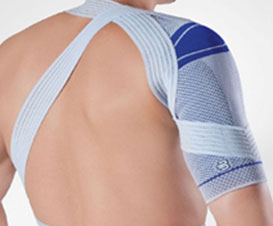
سوف يقابلك أخصائي العلاج الطبيعي أو المهني في اليوم التالي للجراحة لبدء برنامج إعادة التأهيل الخاص بك. ستعمل العلاجات العلاجية على تحسين حركة كتفك تدريجيًا. إذا كنت تستخدم CPM، فسيقوم المعالج الخاص بك بالتحقق من المحاذاة والإعدادات. سيراجع المعالج الخاص بك تمارينك ويتأكد من أنك آمن عند الدخول والنهوض من السرير والتحرك في غرفتك.
عندما تعود إلى المنزل، قد تحصل على زيارات علاجية منزلية. من خلال زيارة منزلك، يمكن للمعالج الخاص بك التأكد من أنك آمن أثناء التجول في منزلك. سيتم أيضًا إجراء العلاجات للمساعدة في تحسين نطاق حركتك وقوتك. في بعض الحالات، قد تحتاج إلى ما يصل إلى ثلاث زيارات في المنزل قبل بدء العلاج في العيادات الخارجية.
ستركز العلاجات القليلة الأولى للمرضى الخارجيين على السيطرة على الألم والتورم. قد تساعد العلاجات بالثلج والتحفيز الكهربائي. قد يستخدم المعالج الخاص بك أيضًا التدليك وأنواع أخرى من العلاجات العملية لتخفيف تشنج العضلات والألم. استمر في استخدام حمالة كتفك كما هو موصوف.
ومع تطور برنامج إعادة التأهيل، يتم اختيار تمارين أكثر تحديًا لتعزيز قوة الكتف ووظيفته بشكل آمن.
وأخيرًا، يمكن استخدام مجموعة مختارة من التمارين لمحاكاة الأنشطة اليومية، مثل تصفيف شعرك أو ارتداء الملابس. يمكن أيضًا اختيار تمارين محددة لمحاكاة متطلبات العمل أو الهوايات.
عندما يتحسن نطاق حركة كتفك وقوتك بدرجة كافية، ستتمكن من العودة تدريجيًا إلى الأنشطة العادية. ومن الناحية المثالية، ستكون قادرًا على القيام بكل ما فعلته من قبل تقريبًا. ومع ذلك، قد تحتاج إلى تجنب حركات الكتف الثقيلة أو المتكررة.
قد تشارك في برنامج إعادة تأهيل تدريجي لمدة شهرين إلى أربعة أشهر بعد الجراحة لضمان أفضل النتائج من المفصل الاصطناعي. في الأسابيع الستة الأولى بعد الجراحة، يجب أن تتوقع رؤية المعالج الخاص بك مرتين إلى ثلاث مرات في الأسبوع. في ذلك الوقت، إذا كان كل شيء لا يزال يسير كما هو مخطط له، فقد تتمكن من التقدم إلى برنامج منزلي. بعد ذلك سوف تقوم فقط بمراجعة المعالج الخاص بك كل بضعة أسابيع.
لماذا تختار الهند لجراحة استبدال الكتف؟
يقدم مستشفى جراحة استبدال المفاصل في الهند رعاية صحية عالية الجودة للعظام والمفاصل مع الاهتمام والرعاية والرحمة لتلبية احتياجات المرضى وأحبائهم. يضم الفريق الطبي جراحي عظام معتمدين من البورد وعلى دراية بجميع جوانب الجهاز العضلي الهيكلي. يستخدم مستشفانا أحدث التقنيات المتاحة لإجراءات جراحة العظام ولديه معدل مضاعفات أقل.
نظرًا لأن جراحة استبدال الكتف هي عملية معقدة، فلدينا فريق جراحي من ذوي الخبرة وغرفة عمليات مجهزة تجهيزًا كاملاً مع بنية تحتية ممتازة للرعاية اللاحقة للعمليات الجراحية وإعادة التأهيل. توفر لك جراحة كسر الكتف، عندما يجريها جراح كبير الحجم في مستشفى كبير الحجم، نتائج أفضل.
هل تبحث عن تكلفة معقولة لجراحة استبدال الكتف في أفضل المستشفيات في الهند؟
من فضلك استفسر معنا واحصل على “عرض أسعار بدون التزام”
إذا كنت تبحث حقًا عن جراحة استبدال الكتف، فيرجى ملء النموذج للحصول على استشارة مجانية مع جراحينا. سيتم تزويدك بتحليل واقتراحات شاملة فيما يتعلق بجراحة استبدال الكتف التي تبحث عنها.
استمع إلى أصوات مرضانا السعداء
شاهد جميع مقاطع الفيديو الخاصة بمرضانا
FAQ’s
Arthritis. Arthritis is the result of the cartilage in a joint being worn out over time. I often describe the arthritis in the shoulder as having a “rusty hinge”. The cartilage in your joint is supposed to be a smooth surface that allows things to move easily; however, when the cartilage wears out as a result of arthritis it becomes a rough surface, or “rusty”.
If you have pain in your shoulder, limited function and difficulty sleeping it is important to try arthritis medications and cortisone injections. If the medication and injections do not relieve your shoulder pain, then it is time to discuss a shoulder replacement.
The typical age group for a shoulder replacement patient is 60-80 years old. I have performed shoulder replacements on patients as old as 88 and as young as the mid-40s. Every patient’s situation is uniquely different and I take that into consideration when discussing a shoulder replacement.
For the most part it is not valuable to do therapy or exercise before a shoulder replacement surgery. Unfortunately the movement further aggravates the shoulder and causes more pain. My preparation advice for shoulder replacement surgery is more focused on the practical things in life… you have to prepare for the fact that you aren’t going to have use of your arm for a matter of weeks, which means you might need some help at home (cooking, showering, driving, etc.). I don’t recommend you drive for at least a couple of weeks following surgery. It is important for patients to plan ahead and understand what the nuts/bolts are regarding their recovery.
Certain foods, more related to nutritional supplements, can cause your blood to be thinned, a similar effect as aspirin or blood thinners. I will go over a list of supplements that could have this effect… I will have you stop taking those items a week prior to your shoulder replacement surgery.
There is some immediate change in regard to the movement of the shoulder being much smoother; however, for a few weeks after surgery it is more painful than before surgery. At about two weeks post-surgery people start to get over the “hump” and it is less painful than prior to surgery. The pain will continue to gradually decrease. At two months the average patient is very happy they had their shoulder replaced.
Most people require, to some degree, oxycodone or hydrocodone. In addition, I supplement anti-inflammatory medications. Each patient is very unique and their pain levels vary, naturally I make those adjustments accordingly.
The first couple of days the pain will be significant, but it can also be controlled with the appropriate medications. Regaining range of motion takes time, patience and persistence it only improves at a certain rate each month.
Yes. The typical stay is somewhere between 24-48 hours: 50% stay one day while 50% stay two days. Rarely do patients stay longer than two days.
Yes, we will prescribe physical therapy. Typically, therapy will last two months following the operation; however, sometimes patients require more.
Most people who develop arthritis on one side develop it on the other side as well. Most often one side hurts worse than the other and so many patients opt for both shoulders to be replaced, but it is usually a couple years between the two operations.
The estimate is around 15 years, but that estimate is variable and we see them last longer in some patients. It is difficult to predict how long each patient’s shoulder replacement will last, specifically because the materials we use now are improved from those 7-8 years ago.
Typically, if you need a shoulder redone, you redo the whole thing (not just parts), but it is rare that we have to do that. For most people, their shoulder will last for as long as they need it; however, that depends on the age that the patient received their replacement.
Infection is always the number one concern. We take a lot of precaution to prevent an infection when it comes to the surgery technique and antibiotics (you get antibiotics around the time of surgery). There is a possibility I can injure a very important nerve in the shoulder that is close to where I am working. If that nerve is injured it can have an impact on your ability to raise your arm above your head. I am very mindful of that nerve during the surgery. From a practical standpoint, wear and tear of the parts over time can cause complications.
Construction worker: 3 months
Desk worker: 2 weeks
Almost everyone has a thorough physical exam with their primary care physician to make sure they are healthy enough to handle the stress of replacement surgery. In addition, the biggest thing to plan for is to have help at home. We also don’t recommend you drive for at least a couple of weeks following surgery.
خدماتنا الخاصة بكل بلد
الصفحات ذات الصلة
منشورات مدونتنا
تجارب المريض الخاص بك
العلامات
ভারতে কম খরচে শোল্ডার রিপ্লেসমেন্ট সার্জারি
জয়েন্ট রিপ্লেসমেন্ট সার্জারি হসপিটাল ইন্ডিয়ার সাথে ভারতে আপনার চিকিৎসা ভ্রমণের পরিকল্পনা করা খুবই সহজ প্রক্রিয়া
- আপনাকে শুধু আমাদের অনুসন্ধান ফর্মটি পূরণ করতে হবে এবং আমাদের একজন নির্বাহী শীঘ্রই আপনার সাথে যোগাযোগ করবেন।
- +91-9860432255 কোনও সাহায্যের জন্য প্রদত্ত যোগাযোগ নম্বরে আমাদের কল করুন।
- আমাদের ওয়েবসাইটে সার্জারি সংক্রান্ত সম্পূর্ণ তথ্য দেওয়া আছে।
শোল্ডার রিপ্লেসমেন্ট সার্জারি কি?
কাঁধ প্রতিস্থাপনএকটি অস্ত্রোপচার পদ্ধতি যেখানে গ্লেনোহুমেরাল জয়েন্টের সমস্ত বা অংশ একটি কৃত্রিম ইমপ্লান্ট দ্বারা প্রতিস্থাপিত হয়। এই ধরনের জয়েন্ট রিপ্লেসমেন্ট সার্জারি সাধারণত বাতের ব্যথা উপশম করতে বা জয়েন্টের গুরুতর শারীরিক ক্ষতি ঠিক করার জন্য করা হয়।
কাঁধ প্রতিস্থাপন সার্জারি কাঁধের জয়েন্টের গুরুতর আর্থ্রাইটিসের চিকিত্সার জন্য একটি বিকল্প। আর্থ্রাইটিস এমন একটি অবস্থা যা জয়েন্টের তরুণাস্থিকে প্রভাবিত করে। তরুণাস্থি আস্তরণটি নষ্ট হয়ে যাওয়ায়, হাড়ের মধ্যে প্রতিরক্ষামূলক আস্তরণ নষ্ট হয়ে যায়। যখন এটি ঘটে, তখন হাড়ের উপর-হাড়ের আর্থ্রাইটিস বিকশিত হয়। গুরুতর কাঁধের বাত বেশ বেদনাদায়ক, এবং গতির সীমাবদ্ধতার কারণ হতে পারে। যদিও এই কিছু সহ্য করা যেতে পারে
ওষুধ এবং জীবনযাত্রার সামঞ্জস্য, এমন একটি সময় আসতে পারে যখন অস্ত্রোপচারের চিকিত্সার প্রয়োজন হয়৷
লক্ষণ-
আর্থ্রাইটিসের রোগীরা সাধারণত কাঁধের জয়েন্টের মধ্যে গভীর ব্যথা বর্ণনা করে। প্রাথমিকভাবে, নড়াচড়া এবং কার্যকলাপের সাথে ব্যথা আরও খারাপ অনুভূত হয় এবং বিশ্রামের সাথে সহজ হয়। আর্থ্রাইটিস বাড়ার সাথে সাথে আপনি বিশ্রাম করলেও ব্যথা হতে পারে। একজন রোগী যখন কাঁধের ব্যথার জন্য একজন চিকিত্সককে দেখেন, তখন তার প্রায়ই রাতে ব্যথা হয়। এই ব্যথা একটি ভাল রাতের ঘুম রোধ করতে যথেষ্ট গুরুতর হতে পারে। রোগীর কাঁধ সরানোর সময় নাকাল বা ঝাঁঝরির শব্দ করতে পারে। অথবা কাঁধ ধরতে পারে, ধরতে পারে, আটকাতে পারে বা লক আপ করতে পারে। সময়ের সাথে সাথে, রোগীর গতি হ্রাস এবং/অথবা প্রভাবিত কাঁধে দুর্বলতা লক্ষ্য করতে পারে। সাধারণ দৈনন্দিন ক্রিয়াকলাপ যেমন আলমারিতে পৌঁছানো, পোশাক পরা, টয়লেট করা এবং বিপরীত বগল ধোয়া ক্রমশ কঠিন হয়ে উঠতে পারে।
কাঁধের আর্থ্রাইটিসের সাধারণ লক্ষণগুলির মধ্যে রয়েছে:
- ক্রিয়াকলাপ সহ ব্যথা
- গতির সীমিত পরিসর
- কাঁধের শক্ততা
- জয়েন্ট ফুলে যাওয়া
- জয়েন্টের চারপাশে কোমলতা
- জয়েন্টের মধ্যে নাকাল বা ধরার অনুভূতি
ভিডিও – ভারতে শোল্ডার রিপ্লেসমেন্ট সার্জারি
রোগীর পর্যালোচনা – আফ্রিকান রোগী সাফল্যের গল্প শেয়ার করে
ভারতে কম খরচে কাঁধ প্রতিস্থাপন সার্জারির
হ্যালো, আমি দক্ষিণ আফ্রিকার আন্দ্রে জ্যাকবস। জয়েন্ট রিপ্লেসমেন্ট হসপিটাল ইন্ডিয়ার মাধ্যমে আমি ভারতে আমার কাঁধ প্রতিস্থাপন সার্জারি করি। ওজন উত্তোলন এবং আমার উঠানে কাজ করার সময় আমি আমার বাম কাঁধে ব্যথা অনুভব করেছি। সময়ের সাথে সাথে, এই অস্বস্তি ব্যথায় পরিণত হয় এবং আমার দৈনন্দিন কাজকর্মে হস্তক্ষেপ করতে থাকে। যদিও আমি শারীরিক থেরাপি করেছি এবং ওষুধ গ্রহণ করেছি, কিন্তু কিছুই কাজ করে বলে মনে হচ্ছে না। তখনই, আমার আত্মীয়ের একজন বন্ধু যিনি ডাক্তার, আমাকে ভারতে আপনার সার্জারি গ্রুপ সম্পর্কে পরামর্শ দিয়েছিলেন। আমি আরও তথ্যের জন্য অনলাইনে গিয়েছিলাম এবং এতে মুগ্ধ হয়ে আমি আমার তদন্ত পাঠাই। তারা আমাকে ফিরে ডেকেছিল এবং আমার সমস্ত প্রশ্নের উত্তর দিয়েছে। তারা আমাকে অস্ত্রোপচার সম্পর্কে ভালভাবে ব্যাখ্যা করেছে এবং এর সাথে আমার কী আশা করা উচিত। তারা আমার মেডিকেল রিপোর্টের জন্য আমাকে জিজ্ঞাসা করেছিল এবং সর্বোত্তম চিকিত্সার বিকল্পগুলি পাওয়ার পরে, আমি তাদের সাথে আমার অস্ত্রোপচারটি ঠিক করেছি। ভারতে আমার ভ্রমণের সময় আমার একটি আশ্চর্যজনক অভিজ্ঞতা ছিল। শল্যচিকিৎসক আমার সমস্ত সন্দেহ দূর করে এবং আমাকে স্বাচ্ছন্দ্য দান করার জন্য তার সময় নিয়েছিলেন। পুরো স্টাফ বন্ধুত্বপূর্ণ ছিল। আমার ভারতে থাকার সময় আপনি যে চমৎকার যত্ন এবং পরিষেবার গুণমান প্রদান করেছেন তার জন্য আপনাকে ধন্যবাদ।
কাঁধের চিকিৎসার বিকল্প-
ননসার্জিক্যাল চিকিৎসা-
আর্থরাইটিস কাঁধের চিকিৎসা বিশ্রাম, ব্যায়াম এবং বাতের ওষুধ গ্রহণের মাধ্যমে শুরু হয়। কাঁধে বিশ্রাম নেওয়া এবং আর্দ্র তাপ প্রয়োগ করা হালকা ব্যথা কমাতে পারে। কঠোর কার্যকলাপের পরে, একটি আইস প্যাক ব্যথা এবং ফোলা কমাতে আরও কার্যকর হতে পারে।
আর্থ্রাইটিস প্রাথমিক পর্যায়ে থাকলে শারীরিক থেরাপি সহায়ক হতে পারে। এটি জয়েন্টের গতি বজায় রাখতে এবং কাঁধের পেশীকে শক্তিশালী করতে সহায়তা করে। শারীরিক থেরাপি কম কার্যকর হয় যখন আর্থ্রাইটিস এমন পর্যায়ে চলে যায় যে হাড়ের উপর হাড় ঘষে। যখন এটি হয়, তখন শারীরিক থেরাপি কাঁধে আরও ব্যথা করতে পারে।
বাতের ওষুধ, ননস্টেরয়েডাল অ্যান্টি-ইনফ্ল্যামেটরিস (এনএসএআইডি) নামে পরিচিত, বাতের ব্যথা নিয়ন্ত্রণ করতে পারে। কিছু NSAIDs ওভার-দ্য-কাউন্টার কেনা হতে পারে, অন্যদের একটি প্রেসক্রিপশন প্রয়োজন। কাঁধের জয়েন্টে পর্যায়ক্রমিক কর্টিসোন ইনজেকশনগুলি অস্থায়ী ব্যথা উপশম প্রদান করতে পারে। অত্যধিক কর্টিসোন শট বিরূপ প্রভাব ফেলতে পারে, যাইহোক।
সার্জিক্যাল চিকিৎসা-
অপারেটিভ চিকিৎসা না হলে, কাঁধ প্রতিস্থাপনের অস্ত্রোপচারের প্রয়োজন হতে পারে। কাঁধ প্রতিস্থাপন সাধারণত ব্যথা উপশমের জন্য করা হয়।
কাঁধ প্রতিস্থাপনের বিভিন্ন প্রকার রয়েছে। সাধারণ মোট কাঁধের প্রতিস্থাপনের সাথে বাতের জয়েন্টের উপরিভাগগুলিকে একটি স্টেমের সাথে সংযুক্ত একটি উচ্চ পালিশ করা ধাতব বল এবং একটি প্লাস্টিকের সকেট দিয়ে প্রতিস্থাপন করা জড়িত। উপাদানগুলি বিভিন্ন আকারে আসে। হাড় ভালো মানের হলে, আপনার সার্জন একটি নন-সিমেন্টেড বা প্রেস-ফিট হিউমারাল উপাদান ব্যবহার করতে পারেন। হাড় নরম হলে, হিউমারাল উপাদান হাড়ের সিমেন্ট দিয়ে রোপণ করা যেতে পারে। বেশিরভাগ ক্ষেত্রে, একটি অল-প্লাস্টিকের গ্লেনয়েড উপাদান হাড়ের সিমেন্টের সাথে রোপণ করা হয়। একটি গ্লেনয়েড উপাদান রোপনের পরামর্শ দেওয়া হয় না যদি:
- গ্লেনয়েডের ভাল তরুণাস্থি আছে।
- গ্লেনয়েড হাড়ের মারাত্মক ঘাটতি।
- রোটেটর কাফ টেন্ডন অপূরণীয়ভাবে ছিঁড়ে গেছে।
হাড়ের উপর-হাড়ের অস্টিওআর্থারাইটিস এবং অক্ষত রোটেটর কাফ টেন্ডন সহ রোগীরা সাধারণত প্রচলিত মোট কাঁধ প্রতিস্থাপনের জন্য ভাল প্রার্থী। কাঁধের অবস্থার উপর নির্ভর করে, আপনার সার্জন শুধুমাত্র বল প্রতিস্থাপন করতে পারে। কখনও কখনও, অস্ত্রোপচারের সময় অপারেটিং রুমে এই সিদ্ধান্ত নেওয়া হয়। কিছু সার্জন বলটি প্রতিস্থাপন করেন যখন এটি মারাত্মকভাবে ফ্র্যাকচার হয় এবং সকেট স্বাভাবিক থাকে।
প্রস্তুতি-
কাঁধের কিছু গুরুতর অবক্ষয়জনিত সমস্যার জন্য একটি কৃত্রিম কাঁধের জয়েন্ট দিয়ে বেদনাদায়ক কাঁধ প্রতিস্থাপনের প্রয়োজন হতে পারে। আপনার এবং আপনার সার্জনের একসাথে অস্ত্রোপচারের সাথে এগিয়ে যাওয়ার সিদ্ধান্ত নেওয়া উচিত। আপনাকে যতটা সম্ভব পদ্ধতি সম্পর্কে বুঝতে হবে। আপনার উদ্বেগ বা প্রশ্ন থাকলে, আপনার সার্জনের সাথে কথা বলা উচিত।
আপনি একবার অস্ত্রোপচারের সিদ্ধান্ত নিলে, আপনাকে বেশ কিছু পদক্ষেপ নিতে হবে। আপনার সার্জন আপনার নিয়মিত ডাক্তার দ্বারা সম্পূর্ণ শারীরিক পরীক্ষার পরামর্শ দিতে পারেন। এই পরীক্ষাটি নিশ্চিত করতে সাহায্য করে যে আপনি অপারেশন করার জন্য সম্ভাব্য সর্বোত্তম অবস্থায় আছেন।
আপনাকে শারীরিক বা পেশাগত থেরাপিস্টের সাথেও সময় কাটাতে হতে পারে যিনি অস্ত্রোপচারের পরে আপনার পুনর্বাসন পরিচালনা করবেন। এটি আপনাকে আপনার পুনরুদ্ধারের শুরু করতে দেয়। এই প্রি-অপারেটিভ ভিজিটের একটি উদ্দেশ্য হল তথ্যের একটি বেসলাইন রেকর্ড করা। আপনার থেরাপিস্ট আপনার বর্তমান ব্যথার মাত্রা, আপনার কার্যকলাপ করার ক্ষমতা এবং প্রতিটি কাঁধের নড়াচড়া এবং শক্তি পরীক্ষা করবেন।
প্রি-অপারেটিভ ভিজিটের দ্বিতীয় উদ্দেশ্য হল আপনাকে অস্ত্রোপচারের জন্য প্রস্তুত করা। আপনি আপনার পুনরুদ্ধারের সময় ব্যবহার করবেন এমন কিছু ব্যায়াম শিখতে শুরু করবেন। এবং আপনার থেরাপিস্ট আপনাকে হাসপাতাল থেকে ছাড়া পাওয়ার পরে বাড়িতে আপনার যে কোনো বিশেষ প্রয়োজন বা সমস্যা হতে পারে তা অনুমান করতে সাহায্য করতে পারে৷
আপনার অস্ত্রোপচারের দিন, আপনাকে সম্ভবত খুব সকালে হাসপাতালে ভর্তি করা হবে। আগের রাতে মধ্যরাতের পর কিছু খাওয়া বা পান করা উচিত নয়। বেশ কয়েক রাত হাসপাতালে থাকার জন্য প্রস্তুত হয়ে আসুন। আপনি হাসপাতালে কতটা সময় কাটাবেন তা অনেকটাই আপনার উপর নির্ভর করে।
ভারতে কাঁধ প্রতিস্থাপন সার্জারি খরচ কি?
ভারতে শোল্ডার রিপ্লেসমেন্ট সার্জারির খরচ আনুমানিক Rs থেকে শুরু করে হতে পারে। 4,00,000 ($5,000) to Rs. 5,60,000 ($7,000).
আর্থ্রাইটিসের পর্যায়, অস্ত্রোপচারের ধরন, প্রয়োজনীয় তদন্ত ও মূল্যায়ন, সার্জনের বিশেষত্ব, হাসপাতালের ফি এবং রুম ক্যাটাগরির উপর নির্ভর করে খরচ হবে।
ভারতে শীর্ষ 10টি কাঁধ প্রতিস্থাপন সার্জারি হাসপাতাল
- ফর্টিস হাসপাতাল, দিল্লি
- ম্যাক্স হাসপাতাল, দিল্লি
- আর্টেমিস হাসপাতাল, দিল্লি
- BLK হাসপাতাল, দিল্লি
- নানবতী হাসপাতাল, মুম্বাই
- গ্লোবাল হাসপাতাল, মুম্বাই
- মনিপাল হাসপাতাল, ব্যাঙ্গালোর
- কোকিলাবেন হাসপাতাল, মুম্বাই
- সাইফি হাসপাতাল, মুম্বাই
- মেদান্ত হাসপাতাল, গুরগাঁও
ভারতের সেরা কাঁধ প্রতিস্থাপন সার্জনদের সাথে বিনামূল্যে পরামর্শ করুন
- ড. কৌশল মালহান
- ড. হরেশ মঙ্গলানি
- ড. অশোক রাজগোপাল
- ড. আদিত্য মেনন
- ড. সঞ্জয় সরুপ
- ড. শচীন ভোঁসলে
- ড. হর্ষবর্ধন হেগড়ে
- ড. প্রদীপ বি. ভোসলে
- ড. অনিল আর কারখানিস
- ড. আইপিএস ওবেরিও
ভারতে আপনার সাশ্রয়ী মূল্যের কাঁধ প্রতিস্থাপন সার্জারির পরিকল্পনা করা একটি সহজ প্রক্রিয়া।
আমাদের হাসপাতাল নেটওয়ার্ক এবং সার্জারি গ্রুপ ভারতের 15টি শহরে আমাদের রোগীদের অ্যাক্সেসের জন্য উপলব্ধ। আমাদের বিশেষজ্ঞ দল থেকে একটি বিনামূল্যে মতামতের জন্য দয়া করে ফর্ম পূরণ করুন. আপনার অস্ত্রোপচারের জন্য আপনাকে একটি বিশ্লেষণ এবং সুপারিশ প্রদান করা হবে। কোন চার্জ আরোপ করা হয়নি।
বিশেষ সমস্ত পরিষেবা অন্তর্ভুক্ত আন্তর্জাতিক রোগীদের জন্য উপলব্ধ প্যাকেজ
অপারেশন-
কাঁধ প্রতিস্থাপন সার্জারি দুটি উপায়ের মধ্যে একটিতে করা যেতে পারে। হিউমেরাল হেড (বল) এবং গ্লেনয়েড (সকেট) উভয়ের তরুণাস্থি যখন জীর্ণ হয়ে যায়, তখন জয়েন্টের উভয় অংশই প্রতিস্থাপন করতে হবে। এই অস্ত্রোপচারকে আর্থ্রোপ্লাস্টি বলা হয়, যা জয়েন্ট পুনর্গঠনের জন্য ব্যবহৃত শব্দ।
যদি গ্লেনয়েডের এখনও কিছু আর্টিকুলার কার্টিলেজ থাকে, আপনার সার্জন শুধুমাত্র হিউমারাল হেড প্রতিস্থাপন করতে পারেন। এই পদ্ধতিটি হেমিয়ারথ্রোপ্লাস্টি নামে পরিচিত। (হেমি মানে অর্ধেক।) হেমি-আর্থোপ্লাস্টি সবচেয়ে বেশি ব্যবহৃত হয় কাঁধের ফ্র্যাকচারের পরে যেখানে হিউমারাসের বলের অংশে (হিউমারাল হেড) রক্ত সরবরাহ ক্ষতিগ্রস্ত হয়। গবেষণায় দেখা গেছে যে আর্থ্রাইটিসের জন্য যখন কাঁধ প্রতিস্থাপন করা হয়, তখন সম্পূর্ণ কাঁধের আর্থ্রোপ্লাস্টি ভালো করে। অস্ত্রোপচারের পরপরই রোগীদের ব্যথা কম হয় এবং দীর্ঘমেয়াদে কম জটিলতা সহ কাঁধ ভালোভাবে কাজ করে এবং দ্বিতীয় অপারেশনের প্রয়োজন হওয়ার সম্ভাবনা কম থাকে।
কাঁধ প্রতিস্থাপনের অস্ত্রোপচারের জন্য আপনার সম্ভবত সাধারণ অ্যানেস্থেশিয়ার প্রয়োজন হবে। সাধারণ এনেস্থেশিয়া আপনাকে ঘুমাতে দেয়। শুধুমাত্র কাঁধ এবং বাহু এমনভাবে অসাড় করা কঠিন যে এই ধরনের একটি বড় অস্ত্রোপচার সম্ভব করে তোলে।
আপনার কাঁধের সামনের অংশে একটি ছেদের মাধ্যমে কাঁধ প্রতিস্থাপনের অস্ত্রোপচার করা হয়। এটি একটি অগ্রবর্তী পদ্ধতি বলা হয়। সার্জন ত্বকের মাধ্যমে কেটে ফেলে এবং তারপর স্নায়ু এবং রক্তনালীগুলিকে বিচ্ছিন্ন করে এবং তাদের পাশে নিয়ে যায়। পেশীগুলিও পাশে সরানো হয়।
সার্জন জয়েন্ট ক্যাপসুল কেটে নিজেই কাঁধের জয়েন্টে প্রবেশ করেন। এটি সার্জনকে জয়েন্ট দেখতে দেয়।
এই মুহুর্তে, সার্জন প্রতিস্থাপন অংশ সংযুক্ত করার জন্য হাড় প্রস্তুত করতে পারেন। হিউমেরাল মাথার বল অংশ একটি হাড় করাত দিয়ে সরানো হয়। উপরের হিউমারাসের ভিতরের ফাঁপা একটি রাস্প ব্যবহার করে প্রস্তুত করা হয়। এটি আপনার সার্জনকে হাড়ের অভ্যন্তরে হিউমারাল উপাদানের ধাতব স্টেমকে নোঙ্গর করার জন্য স্থানটি ছাঁচ করতে দেয়।
যদি গ্লেনয়েড প্রতিস্থাপন করা হয়, তবে এটি পৃষ্ঠের অবশিষ্ট তরুণাস্থিগুলিকে পিষে প্রস্তুত করা হয়। এটি একটি burr নামক একটি যন্ত্র দিয়ে করা হয়। সার্জন সাধারণত স্ক্যাপুলার হাড়ের মধ্যে গর্ত ড্রিল করার জন্য বুর ব্যবহার করে। এখানে গ্লেনয়েড উপাদানের স্টেম নোঙর করা হয়।
অবশেষে, হিউমেরাল কম্পোনেন্ট এবং গ্লেনয়েড কম্পোনেন্ট ঢোকানো হয় এবং হিউমারাল বল সংযুক্ত করা হয়।
জয়েন্টটি নোঙর করার পরে, সার্জন সঠিক ফিটের জন্য পরীক্ষা করে। সার্জন ফিট করে সন্তুষ্ট হলে, জয়েন্ট ক্যাপসুল একসাথে সেলাই করা হয়। পেশীগুলি তারপরে তাদের সঠিক অবস্থানে ফিরে আসে এবং ত্বকটিও সেলাই করা হয়।
আপনার ছেদটি একটি ব্যান্ডেজ দিয়ে ঢেকে দেওয়া হবে এবং আপনার বাহুটি একটি স্লিংয়ে রাখা হবে। তারপর আপনাকে ঘুম থেকে উঠিয়ে পুনরুদ্ধার কক্ষে নিয়ে যাওয়া হবে।
সার্জারির পরে-
অস্ত্রোপচারের পর, আপনাকে পুনরুদ্ধার কক্ষে নিয়ে যাওয়া হবে। আপনার কাঁধে একটি ড্রেসিং আবৃত থাকবে যা পরবর্তী কয়েকদিনে ঘন ঘন পরিবর্তন করতে হবে। আপনার সার্জন কাঁধের জয়েন্টে একটি ছোট ড্রেনেজ টিউব ঢোকিয়ে থাকতে পারে যাতে জয়েন্টের ভিতরে অতিরিক্ত রক্ত এবং তরল জমা হতে না পারে। আপনাকে প্রয়োজনীয় অ্যান্টিবায়োটিক এবং ওষুধ দেওয়ার জন্য আপনার বাহুতে একটি ইন্ট্রাভেনাস লাইন (IV) স্থাপন করা হবে।
অস্ত্রোপচারের পরপরই আপনার কাঁধ একটি ক্রমাগত প্যাসিভ মোশন (সিপিএম) মেশিনে রাখা হতে পারে। সিপিএম কাঁধকে নড়াচড়া শুরু করতে সাহায্য করে এবং জয়েন্টের শক্ততা দূর করে। মেশিনটি কাঁধে স্ট্র্যাপ করে এবং জয়েন্টটিকে ক্রমাগত বাঁকিয়ে সোজা করে। এই গতি দৃঢ়তা কমাতে, ব্যথা কমাতে এবং জয়েন্টের অভ্যন্তরে অতিরিক্ত দাগের টিস্যু তৈরি করা থেকে বিরত রাখে বলে মনে করা হয়। আপনি যখন CPM মেশিন ব্যবহার করছেন না তখন আপনার হাতকে সমর্থন করার জন্য আপনি একটি কাঁধের স্লিং ব্যবহার করবেন৷
পুনর্বাসন-
আপনার পুনর্বাসন প্রোগ্রাম শুরু করার জন্য অস্ত্রোপচারের পরের দিন একজন শারীরিক বা পেশাগত থেরাপিস্ট আপনাকে দেখতে পাবেন। থেরাপি চিকিত্সা ধীরে ধীরে আপনার কাঁধের নড়াচড়া উন্নত করবে। আপনি যদি CPM ব্যবহার করেন, আপনার থেরাপিস্ট সারিবদ্ধকরণ এবং সেটিংস পরীক্ষা করবেন। আপনার থেরাপিস্ট আপনার ব্যায়ামগুলি দেখবেন এবং নিশ্চিত করবেন যে আপনি বিছানায় ওঠা এবং আপনার ঘরে চলাফেরা করা নিরাপদ৷
যখন আপনি বাড়িতে যান, আপনি হোম থেরাপি ভিজিট পেতে পারেন। আপনার বাড়িতে গিয়ে, আপনার থেরাপিস্ট পরীক্ষা করে দেখতে পারেন যে আপনি আপনার বাড়িতে নিরাপদে আছেন। আপনার গতি এবং শক্তির পরিসর উন্নত করতে সাহায্য করার জন্য চিকিত্সাগুলিও করা হবে। কিছু ক্ষেত্রে, বহির্বিভাগের রোগীদের থেরাপি শুরু করার আগে আপনার বাড়িতে তিনবার পর্যন্ত পরিদর্শনের প্রয়োজন হতে পারে।
প্রথম কয়েকটি বহিরাগত রোগীর চিকিত্সা ব্যথা এবং ফোলা নিয়ন্ত্রণে ফোকাস করবে। বরফ এবং বৈদ্যুতিক উদ্দীপনা চিকিত্সা সাহায্য করতে পারে। আপনার থেরাপিস্ট পেশীর খিঁচুনি এবং ব্যথা কমাতে ম্যাসেজ এবং অন্যান্য ধরণের হ্যান্ডস-অন চিকিত্সাও ব্যবহার করতে পারেন। নির্ধারিত হিসাবে আপনার কাঁধের স্লিং ব্যবহার করা চালিয়ে যান।
পুনর্বাসন কর্মসূচির বিকাশের সাথে সাথে কাঁধের শক্তি এবং কার্যকারিতাকে নিরাপদে এগিয়ে নিতে আরও চ্যালেঞ্জিং ব্যায়াম বেছে নেওয়া হয়।
অবশেষে, আপনার চুল সাজানো বা পোশাক পরার মতো প্রতিদিনের ক্রিয়াকলাপগুলিকে অনুকরণ করতে ব্যায়ামের একটি নির্বাচিত গ্রুপ ব্যবহার করা যেতে পারে। কাজ বা শখের চাহিদা অনুকরণ করার জন্য নির্দিষ্ট ব্যায়ামও বেছে নেওয়া যেতে পারে।
যখন আপনার কাঁধের গতি এবং শক্তি যথেষ্ট উন্নত হবে, আপনি ধীরে ধীরে স্বাভাবিক কার্যকলাপে ফিরে যেতে সক্ষম হবেন। আদর্শভাবে, আপনি প্রায় সবকিছুই করতে সক্ষম হবেন যা আপনি আগে করেছিলেন। যাইহোক, আপনাকে ভারী বা বারবার কাঁধের কাজ এড়াতে হতে পারে।
আপনার কৃত্রিম জয়েন্ট থেকে সর্বোত্তম ফলাফল নিশ্চিত করতে আপনি অস্ত্রোপচারের পর দুই থেকে চার মাসের জন্য একটি প্রগতিশীল পুনর্বাসন কর্মসূচিতে জড়িত থাকতে পারেন। অস্ত্রোপচারের পর প্রথম ছয় সপ্তাহে, আপনার থেরাপিস্টকে সপ্তাহে দুই থেকে তিনবার দেখার আশা করা উচিত। সেই সময়ে, যদি সবকিছু এখনও পরিকল্পনা অনুযায়ী চলতে থাকে, তাহলে আপনি একটি হোম প্রোগ্রামে অগ্রসর হতে পারবেন। তারপর আপনি প্রতি কয়েক সপ্তাহে আপনার থেরাপিস্টের সাথে চেক ইন করবেন।
কেন কাঁধ প্রতিস্থাপন সার্জারির জন্য ভারত বেছে নিবেন?
জয়েন্ট রিপ্লেসমেন্ট সার্জারি হসপিটাল ইন্ডিয়া রোগীদের এবং তাদের প্রিয়জনদের চাহিদা মেটাতে মনোযোগ, যত্ন এবং সহানুভূতি সহ সর্বোচ্চ মানের হাড় এবং জয়েন্ট স্বাস্থ্যসেবা প্রদান করে। মেডিকেল টিমে বোর্ড-প্রত্যয়িত অর্থোপেডিক সার্জন রয়েছে যারা পেশীবহুল সিস্টেমের সমস্ত দিকগুলির সাথে পরিচিত। আমাদের হাসপাতাল অর্থোপেডিক পদ্ধতির জন্য উপলব্ধ সবচেয়ে উন্নত প্রযুক্তি ব্যবহার করে এবং জটিলতার হার কম।
যেহেতু কাঁধ প্রতিস্থাপনের অস্ত্রোপচার একটি জটিল অপারেশন, তাই আমাদের কাছে একটি অভিজ্ঞ অস্ত্রোপচার দল রয়েছে এবং অপারেশন থিয়েটার-পরবর্তী যত্ন এবং পুনর্বাসনের জন্য চমৎকার পরিকাঠামো সহ সম্পূর্ণ সজ্জিত অপারেশন থিয়েটার সুবিধা রয়েছে। একটি উচ্চ-ভলিউম হাসপাতালের অধীনে একটি উচ্চ-ভলিউম সার্জন দ্বারা সঞ্চালিত কাঁধের ফ্র্যাকচার সার্জারি আপনাকে একটি ভাল ফলাফল প্রদান করে।
আপনি কি ভারতের শীর্ষ হাসপাতালে কাঁধ প্রতিস্থাপন সার্জারির সাশ্রয়ী মূল্যের ব্যয় খুঁজছেন?
অনুগ্রহ করে আমাদের সাথে অনুসন্ধান করুন একটি “কোন বাধ্যবাধকতা নেই”
আপনি যদি সত্যিই কাঁধ প্রতিস্থাপন সার্জারির জন্য খুঁজছেন, দয়া করে আমাদের সার্জনদের সাথে বিনামূল্যে পরামর্শের জন্য ফর্মটি পূরণ করুন৷ আপনি যে কাঁধ প্রতিস্থাপন সার্জারি চাইছেন সেই বিষয়ে আপনাকে পুঙ্খানুপুঙ্খ বিশ্লেষণ এবং পরামর্শ প্রদান করা হবে।
আমাদের সুখী রোগীদের কণ্ঠস্বর শুনুন
আমাদের সমস্ত রোগীর ভিডিও দেখুন
FAQ’s
Arthritis. Arthritis is the result of the cartilage in a joint being worn out over time. I often describe the arthritis in the shoulder as having a “rusty hinge”. The cartilage in your joint is supposed to be a smooth surface that allows things to move easily; however, when the cartilage wears out as a result of arthritis it becomes a rough surface, or “rusty”.
If you have pain in your shoulder, limited function and difficulty sleeping it is important to try arthritis medications and cortisone injections. If the medication and injections do not relieve your shoulder pain, then it is time to discuss a shoulder replacement.
The typical age group for a shoulder replacement patient is 60-80 years old. I have performed shoulder replacements on patients as old as 88 and as young as the mid-40s. Every patient’s situation is uniquely different and I take that into consideration when discussing a shoulder replacement.
For the most part it is not valuable to do therapy or exercise before a shoulder replacement surgery. Unfortunately the movement further aggravates the shoulder and causes more pain. My preparation advice for shoulder replacement surgery is more focused on the practical things in life… you have to prepare for the fact that you aren’t going to have use of your arm for a matter of weeks, which means you might need some help at home (cooking, showering, driving, etc.). I don’t recommend you drive for at least a couple of weeks following surgery. It is important for patients to plan ahead and understand what the nuts/bolts are regarding their recovery.
Certain foods, more related to nutritional supplements, can cause your blood to be thinned, a similar effect as aspirin or blood thinners. I will go over a list of supplements that could have this effect… I will have you stop taking those items a week prior to your shoulder replacement surgery.
There is some immediate change in regard to the movement of the shoulder being much smoother; however, for a few weeks after surgery it is more painful than before surgery. At about two weeks post-surgery people start to get over the “hump” and it is less painful than prior to surgery. The pain will continue to gradually decrease. At two months the average patient is very happy they had their shoulder replaced.
Most people require, to some degree, oxycodone or hydrocodone. In addition, I supplement anti-inflammatory medications. Each patient is very unique and their pain levels vary, naturally I make those adjustments accordingly.
The first couple of days the pain will be significant, but it can also be controlled with the appropriate medications. Regaining range of motion takes time, patience and persistence it only improves at a certain rate each month.
Yes. The typical stay is somewhere between 24-48 hours: 50% stay one day while 50% stay two days. Rarely do patients stay longer than two days.
Yes, we will prescribe physical therapy. Typically, therapy will last two months following the operation; however, sometimes patients require more.
Most people who develop arthritis on one side develop it on the other side as well. Most often one side hurts worse than the other and so many patients opt for both shoulders to be replaced, but it is usually a couple years between the two operations.
The estimate is around 15 years, but that estimate is variable and we see them last longer in some patients. It is difficult to predict how long each patient’s shoulder replacement will last, specifically because the materials we use now are improved from those 7-8 years ago.
Typically, if you need a shoulder redone, you redo the whole thing (not just parts), but it is rare that we have to do that. For most people, their shoulder will last for as long as they need it; however, that depends on the age that the patient received their replacement.
Infection is always the number one concern. We take a lot of precaution to prevent an infection when it comes to the surgery technique and antibiotics (you get antibiotics around the time of surgery). There is a possibility I can injure a very important nerve in the shoulder that is close to where I am working. If that nerve is injured it can have an impact on your ability to raise your arm above your head. I am very mindful of that nerve during the surgery. From a practical standpoint, wear and tear of the parts over time can cause complications.
Construction worker: 3 months
Desk worker: 2 weeks
Almost everyone has a thorough physical exam with their primary care physician to make sure they are healthy enough to handle the stress of replacement surgery. In addition, the biggest thing to plan for is to have help at home. We also don’t recommend you drive for at least a couple of weeks following surgery.
আমাদের দেশের নির্দিষ্ট পরিষেবা
সম্পর্কিত পাতা
আমাদের ব্লগ পোস্ট
আমাদের রোগীর অভিজ্ঞতা
ট্যাগ
Chirurgie de remplacement de l’épaule à faible coût en Inde
Planifier votre voyage médical en Inde est un processus très simple avec l’hôpital de chirurgie de remplacement articulaire en Inde
- Il vous suffit de remplir notre formulaire de demande et l’un de nos responsables vous contactera bientôt.
- +91-9860432255 Appelez-nous au numéro de contact indiqué pour toute assistance.
- Des informations complètes concernant la chirurgie sont fournies sur notre site Web.
Qu’est-ce que la chirurgie de remplacement de l’épaule ?
Le remplacement de l’épaule est une intervention chirurgicale dans laquelle tout ou partie de l’articulation glénohumérale est remplacée par un implant prothétique. Une telle chirurgie de remplacement articulaire est généralement effectuée pour soulager les douleurs arthritiques ou réparer de graves lésions articulaires physiques.
La chirurgie de remplacement de l’épaule est une option pour le traitement de l’arthrite grave de l’articulation de l’épaule. L’arthrite est une maladie qui affecte le cartilage des articulations. À mesure que la muqueuse cartilagineuse s’use, la couche protectrice entre les os disparaît. Lorsque cela se produit, une arthrite douloureuse os sur os se développe. L’arthrite sévère de l’épaule est très douloureuse et peut entraîner une restriction des mouvements. Bien que cela puisse être toléré avec certains médicaments et ajustements du mode de vie, il peut arriver un moment où un traitement chirurgical soit nécessaire.
Symptômes-
Les patients souffrant d’arthrite décrivent généralement une douleur profonde au niveau de l’articulation de l’épaule. Au début, la douleur s’aggrave avec le mouvement et l’activité, et s’atténue avec le repos. À mesure que l’arthrite progresse, la douleur peut survenir même lorsque vous vous reposez. Lorsqu’un patient consulte un médecin pour une douleur à l’épaule, il ressent souvent des douleurs la nuit. Cette douleur peut être suffisamment intense pour empêcher une bonne nuit de sommeil. L’épaule du patient peut émettre des bruits de grincement ou de grincement lorsqu’elle est déplacée. Ou bien l’épaule peut s’accrocher, s’agripper, claquer ou se bloquer. Au fil du temps, le patient peut remarquer une perte de mouvement et/ou une faiblesse de l’épaule affectée. Des activités quotidiennes simples comme fouiller dans un placard, s’habiller, aller aux toilettes et laver l’aisselle opposée peuvent devenir de plus en plus difficiles.
Les symptômes courants de l’arthrite de l’épaule comprennent :
- Douleur lors des activités
- Amplitude de mouvement limitée
- Raideur de l’épaule
- Gonflement de l’articulation
- Tendresse autour de l’articulation
- Une sensation de grincement ou d’accrochage dans l’articulation
VIDÉO – CHIRURGIE DE REMPLACEMENT DE L’ÉPAULE EN INDE
Examen des patients – Des patients africains partagent des histoires de réussite de la chirurgie de remplacement de l’épaule à faible coût en Inde
Bonjour, je suis Andre Jacobs d’Afrique du Sud. J’ai subi une arthroplastie de l’épaule en Inde par l’intermédiaire du Joint Remplacement Hospital India. J’avais ressenti des douleurs à l’épaule gauche en soulevant des poids et en travaillant dans mon jardin. Au fil du temps, cet inconfort s’est transformé en douleur et a commencé à interférer avec mes activités quotidiennes. Même si j’ai suivi une thérapie physique et pris des médicaments, rien ne semblait fonctionner. C’est alors qu’un ami de mon parent qui est médecin m’a suggéré votre groupe de chirurgie en Inde. Je suis allé en ligne pour chercher plus d’informations et impressionné, j’envoie ma demande. Ils m’ont rappelé et ont répondu à toutes mes questions. Ils m’ont bien expliqué l’opération et ce à quoi je devais m’attendre. Ils m’ont également demandé mes rapports médicaux et après avoir obtenu les meilleures options de traitement, j’ai fait réparer mon opération chirurgicale avec eux. J’ai vécu l’une des expériences incroyables lors de mon voyage en Inde. Le chirurgien a pris son temps pour dissiper tous mes doutes et me mettre à l’aise. L’ensemble du personnel était sympathique. Merci pour les merveilleux soins et la qualité du service que vous avez rendus tout au long de mon séjour en Inde.
Options de traitement de l’épaule-
Traitement non chirurgical-
Le traitement d’une épaule arthritique commence par du repos, de l’exercice et la prise de médicaments contre l’arthrite. Reposer l’épaule et appliquer de la chaleur humide peut soulager une légère douleur. Après une activité intense, un sac de glace peut être plus efficace pour réduire la douleur et l’enflure.
La thérapie physique peut être utile lorsque l’arthrite en est à ses débuts. Il aide à maintenir le mouvement des articulations et à renforcer les muscles des épaules. La physiothérapie est moins efficace lorsque l’arthrite a progressé au point que les os frottent sur les os. Lorsque tel est le cas, la thérapie physique peut rendre l’épaule encore plus douloureuse.
Les médicaments contre l’arthrite, appelés anti-inflammatoires non stéroïdiens (AINS), peuvent contrôler la douleur arthritique. Certains AINS peuvent être achetés en vente libre, tandis que d’autres nécessitent une ordonnance. Des injections périodiques de cortisone dans l’articulation de l’épaule peuvent procurer un soulagement temporaire de la douleur. Des injections excessives de cortisone peuvent cependant avoir des effets indésirables.
Surgical Treatment-
En cas de traitement non opératoire, une arthroplastie de l’épaule peut être nécessaire. Les remplacements d’épaule sont généralement effectués pour soulager la douleur.
Il existe plusieurs types différents d’arthroplasties de l’épaule. Le remplacement total habituel de l’épaule consiste à remplacer les surfaces articulaires arthritiques par une bille métallique hautement polie fixée à une tige et une douille en plastique. Les composants sont disponibles en différentes tailles. Si l’os est de bonne qualité, votre chirurgien peut choisir d’utiliser un composant huméral non cimenté ou pressé. Si l’os est mou, le composant huméral peut être implanté avec du ciment osseux. Dans la plupart des cas, un composant glénoïde entièrement plastique est implanté avec du ciment osseux. L’implantation d’un composant glénoïde est déconseillée si :
- La glène a un bon cartilage.
- L’os glénoïde est gravement déficient.
- Les tendons de la coiffe des rotateurs sont irrémédiablement déchirés.
Les patients souffrant d’arthrose os sur os et de tendons de la coiffe des rotateurs intacts sont généralement de bons candidats pour une arthroplastie totale conventionnelle de l’épaule. Selon l’état de l’épaule, votre chirurgien pourra remplacer uniquement la balle. Parfois, cette décision est prise en salle d’opération au moment de l’intervention chirurgicale. Certains chirurgiens remplacent la boule lorsqu’elle est gravement fracturée et que l’emboîture est normale.
Préparation-
Certains problèmes dégénératifs graves de l’épaule peuvent nécessiter le remplacement de l’épaule douloureuse par une articulation artificielle de l’épaule. Vous et votre chirurgien devez prendre la décision de procéder ensemble à l’intervention chirurgicale. Vous devez en comprendre le plus possible sur la procédure. Si vous avez des inquiétudes ou des questions, vous devriez en parler à votre chirurgien.
Une fois que vous avez décidé de recourir à la chirurgie, vous devez suivre plusieurs étapes. Votre chirurgien peut suggérer un examen physique complet par votre médecin habituel. Cet examen permet de garantir que vous êtes dans les meilleures conditions possibles pour subir l’opération.
Vous devrez peut-être également passer du temps avec le physiothérapeute ou l’ergothérapeute qui gérera votre rééducation après la chirurgie. Cela vous permet de prendre une longueur d’avance sur votre rétablissement. L’un des objectifs de cette visite préopératoire est d’enregistrer une base d’informations. Votre thérapeute vérifiera votre niveau de douleur actuel, votre capacité à faire vos activités, ainsi que le mouvement et la force de chaque épaule.
Un deuxième objectif de la visite préopératoire est de vous préparer à l’intervention chirurgicale. Vous commencerez à apprendre certains des exercices que vous utiliserez pendant votre récupération. Et votre thérapeute peut vous aider à anticiper tout besoin particulier ou problème que vous pourriez avoir à la maison, une fois que vous aurez quitté l’hôpital.
Le jour de votre opération, vous serez probablement admis à l’hôpital tôt le matin. Vous ne devriez rien manger ni boire après minuit la veille. Préparez-vous à rester plusieurs nuits à l’hôpital. La durée que vous passerez à l’hôpital dépend beaucoup de vous.
Quel est le coût d’une chirurgie de remplacement de l’épaule en Inde ?
Le coût de la chirurgie de remplacement de l’épaule en Inde peut varier d’environ Rs. 4 000 000.4,00,000 ($5,000) to Rs. 5,60,000 ($7,000).
Le coût dépendra du stade de l’arthrite, du type de chirurgie requis, de l’enquête et de l’évaluation requises, de la spécialité du chirurgien, des frais d’hôpital et de la catégorie de chambre.
Top 10 des hôpitaux de chirurgie de remplacement de l’épaule en Inde
- Hôpital Fortis, Delhi
- Hôpital Max, Delhi
- Hôpital Artemis, Delhi
- Hôpital BLK, Delhi
- Hôpital Nanvati, Mumbai
- Hôpital mondial de Mumbai
- Hôpital Manipal, Bangalore
- Hôpital Kokilaben, Mumbai
- Hôpital Saifee, Mumbai
- Hôpital Medanta, Gurgaon
Consultation gratuite avec les meilleurs chirurgiens de remplacement de l’épaule en Inde
- Dr. Kaushal Malhan
- Dr. Haresh Mangalani
- Dr. Ashok Rajgopal
- Dr. Aditya Menon
- Dr. Sanjay Sarup
- Dr. Sachin Bhonsle
- Dr. Harshwardhan Hegde
- Dr. Pradeep B. Bhosale
- Dr. Anil R. Karkhanis
- Dr. IPS Oberio
Planifier votre chirurgie de remplacement de l’épaule abordable en Inde est un processus simple.
Notre réseau d’hôpitaux et notre groupe de chirurgie sont disponibles dans 15 villes d’Inde pour que nos patients puissent y accéder. Veuillez remplir le formulaire pour obtenir un avis gratuit de notre équipe d’experts. Vous recevrez une analyse et des recommandations pour votre chirurgie. AUCUN FRAIS PRÉLEVÉ.
Forfaits spéciaux TOUS LES SERVICES INCLUS disponibles pour les PATIENTS INTERNATIONAUX
Opération-
L’arthroplastie de l’épaule peut être réalisée de deux manières. Lorsque le cartilage de la tête humérale (la boule) et de la glène (l’alvéole) est usé, les deux parties de l’articulation doivent être remplacées. Cette chirurgie s’appelle arthroplastie, terme utilisé pour désigner la reconstruction articulaire.
Si la glène présente encore du cartilage articulaire, votre chirurgien pourra remplacer uniquement la tête humérale. Cette procédure est connue sous le nom d’hémiarthroplastie. (Hemi signifie moitié.) L’hémi-arthroplastie est le plus souvent utilisée après une fracture de l’épaule où l’apport sanguin à la partie sphérique (la tête humérale) de l’humérus est endommagé. Des recherches ont montré que lorsque l’épaule est remplacée pour cause d’arthrite, l’arthroplastie complète de l’épaule fonctionne mieux. Les patients ressentent moins de douleur immédiatement après la chirurgie et, à long terme, ont une épaule qui fonctionne mieux avec moins de complications et sont moins susceptibles d’avoir besoin d’une deuxième opération.
Vous aurez probablement besoin d’une anesthésie générale pour une arthroplastie de l’épaule. L’anesthésie générale vous endort. Il est difficile d’engourdir uniquement l’épaule et le bras de manière à rendre possible une intervention chirurgicale aussi importante.
La chirurgie de remplacement de l’épaule se fait par une incision sur le devant de votre épaule. C’est ce qu’on appelle une approche antérieure. Le chirurgien incise la peau, puis isole les nerfs et les vaisseaux sanguins et les déplace sur le côté. Les muscles sont également déplacés sur le côté.
Le chirurgien pénètre dans l’articulation de l’épaule elle-même en coupant la capsule articulaire. Cela permet au chirurgien de voir l’articulation.
À ce stade, le chirurgien peut préparer l’os pour la fixation des pièces de remplacement. La partie sphérique de la tête humérale est retirée avec une scie à os. Le creux intérieur de l’humérus supérieur est préparé à l’aide d’une râpe. Cela permet à votre chirurgien de modeler l’espace pour ancrer la tige métallique du composant huméral à l’intérieur de l’os.
Si la glène doit être remplacée, elle est préparée en éliminant tout cartilage restant à la surface. Cela se fait avec un instrument appelé une fraise. Le chirurgien utilise généralement la fraise pour percer des trous dans l’os de l’omoplate. C’est là que la tige du composant glénoïde est ancrée.
Enfin, le composant huméral et le composant glénoïde sont insérés et la boule humérale est fixée.
Une fois l’articulation ancrée, le chirurgien teste son bon ajustement. Lorsque le chirurgien est satisfait de l’ajustement, la capsule articulaire est recousue. Les muscles sont ensuite remis dans leur position correcte et la peau est également recousue.
Votre incision sera recouverte d’un bandage et votre bras sera placé en écharpe. Vous serez ensuite réveillé et conduit à la salle de réveil.
Après l’opération-
Après l’opération, vous serez transporté à la salle de réveil. Vous aurez un pansement enroulé sur votre épaule qui devra être changé fréquemment au cours des prochains jours. Votre chirurgien a peut-être inséré un petit tube de drainage dans l’articulation de l’épaule pour empêcher l’excès de sang et de liquide de s’accumuler à l’intérieur de l’articulation. Une ligne intraveineuse (IV) sera placée dans votre bras pour vous administrer les antibiotiques et les médicaments dont vous avez besoin.
Votre épaule peut être placée dans un appareil à mouvement passif continu (CPM) immédiatement après la chirurgie. Le CPM aide l’épaule à commencer à bouger et soulage la raideur articulaire. La machine s’attache à l’épaule et plie et redresse continuellement l’articulation. On pense que ce mouvement réduit la raideur, soulage la douleur et empêche la formation de tissu cicatriciel supplémentaire à l’intérieur de l’articulation. Vous utiliserez une bandoulière pour soutenir votre bras lorsque vous n’utilisez pas la machine CPM.
Rééducation-
Un physiothérapeute ou un ergothérapeute vous verra le lendemain de l’intervention chirurgicale pour commencer votre programme de réadaptation. Les traitements thérapeutiques amélioreront progressivement le mouvement de votre épaule. Si vous utilisez le CPM, votre thérapeute vérifiera l’alignement et les paramètres. Votre thérapeute passera en revue vos exercices et s’assurera que vous pouvez entrer et sortir du lit et vous déplacer en toute sécurité dans votre chambre.
Lorsque vous rentrerez chez vous, vous pourrez bénéficier de visites de thérapie à domicile. En visitant votre domicile, votre thérapeute peut vérifier que vous vous déplacez en toute sécurité dans votre maison. Des traitements seront également effectués pour vous aider à améliorer votre amplitude de mouvement et votre force. Dans certains cas, vous pouvez avoir besoin de jusqu’à trois visites à domicile avant de commencer un traitement ambulatoire.
Les premiers traitements ambulatoires se concentreront sur le contrôle de la douleur et de l’enflure. Les traitements de glace et de stimulation électrique peuvent aider. Votre thérapeute peut également utiliser des massages et d’autres types de traitements pratiques pour soulager les spasmes et les douleurs musculaires. Continuez à utiliser votre bandoulière comme prescrit.
As the rehabilitation program evolves, more challenging exercises are chosen to safely advance the shoulder’s strength and function.
Enfin, un groupe sélectionné d’exercices peut être utilisé pour simuler des activités quotidiennes, comme se coiffer ou s’habiller. Des exercices spécifiques peuvent également être choisis pour simuler les exigences du travail ou des loisirs.
Lorsque l’amplitude de mouvement et la force de vos épaules se seront suffisamment améliorées, vous pourrez reprendre progressivement vos activités normales. Idéalement, vous serez capable de faire presque tout ce que vous faisiez auparavant. Cependant, vous devrez peut-être éviter les actions d’épaule lourdes ou répétées.
Vous pouvez participer à un programme de rééducation progressive pendant deux à quatre mois après la chirurgie afin de garantir les meilleurs résultats de votre articulation artificielle. Au cours des six premières semaines suivant la chirurgie, vous devez vous attendre à voir votre thérapeute deux à trois fois par semaine. À ce moment-là, si tout se passe comme prévu, vous pourrez peut-être passer à un programme à domicile. Ensuite, vous ne consulterez votre thérapeute que toutes les quelques semaines.
Pourquoi choisir l’Inde pour une chirurgie de remplacement de l’épaule ?
L’hôpital indien de chirurgie de remplacement des articulations offre des soins de santé des os et des articulations de la plus haute qualité avec attention, soin et compassion pour répondre aux besoins des patients et de leurs proches. L’équipe médicale comprend des chirurgiens orthopédistes certifiés qui connaissent tous les aspects du système musculo-squelettique. Notre hôpital utilise les technologies les plus avancées disponibles pour les procédures orthopédiques et a un taux de complications plus faible.
Étant donné que l’arthroplastie de l’épaule est une opération complexe, nous disposons d’une équipe chirurgicale expérimentée et d’une salle d’opération entièrement équipée avec une excellente infrastructure pour les soins postopératoires et la rééducation. L’intervention chirurgicale pour fracture de l’épaule, lorsqu’elle est pratiquée par un chirurgien à grand volume dans un hôpital à grand volume, vous offre de meilleurs résultats.
Recherchez-vous un coût abordable pour une chirurgie de remplacement de l’épaule dans les meilleurs hôpitaux de l’Inde ?
Veuillez nous contacter. Obtenez un « Devis sans engagement”
Si vous recherchez vraiment une chirurgie de remplacement de l’épaule, veuillez remplir le formulaire pour une consultation gratuite avec nos chirurgiens. Vous recevrez une analyse approfondie et des suggestions concernant la chirurgie de remplacement de l’épaule que vous recherchez.
Écoutez les voix de nos patients heureux
Voir toutes les vidéos de nos patients
FAQ’s
Arthritis. Arthritis is the result of the cartilage in a joint being worn out over time. I often describe the arthritis in the shoulder as having a “rusty hinge”. The cartilage in your joint is supposed to be a smooth surface that allows things to move easily; however, when the cartilage wears out as a result of arthritis it becomes a rough surface, or “rusty”.
If you have pain in your shoulder, limited function and difficulty sleeping it is important to try arthritis medications and cortisone injections. If the medication and injections do not relieve your shoulder pain, then it is time to discuss a shoulder replacement.
The typical age group for a shoulder replacement patient is 60-80 years old. I have performed shoulder replacements on patients as old as 88 and as young as the mid-40s. Every patient’s situation is uniquely different and I take that into consideration when discussing a shoulder replacement.
For the most part it is not valuable to do therapy or exercise before a shoulder replacement surgery. Unfortunately the movement further aggravates the shoulder and causes more pain. My preparation advice for shoulder replacement surgery is more focused on the practical things in life… you have to prepare for the fact that you aren’t going to have use of your arm for a matter of weeks, which means you might need some help at home (cooking, showering, driving, etc.). I don’t recommend you drive for at least a couple of weeks following surgery. It is important for patients to plan ahead and understand what the nuts/bolts are regarding their recovery.
Certain foods, more related to nutritional supplements, can cause your blood to be thinned, a similar effect as aspirin or blood thinners. I will go over a list of supplements that could have this effect… I will have you stop taking those items a week prior to your shoulder replacement surgery.
There is some immediate change in regard to the movement of the shoulder being much smoother; however, for a few weeks after surgery it is more painful than before surgery. At about two weeks post-surgery people start to get over the “hump” and it is less painful than prior to surgery. The pain will continue to gradually decrease. At two months the average patient is very happy they had their shoulder replaced.
Most people require, to some degree, oxycodone or hydrocodone. In addition, I supplement anti-inflammatory medications. Each patient is very unique and their pain levels vary, naturally I make those adjustments accordingly.
The first couple of days the pain will be significant, but it can also be controlled with the appropriate medications. Regaining range of motion takes time, patience and persistence it only improves at a certain rate each month.
Yes. The typical stay is somewhere between 24-48 hours: 50% stay one day while 50% stay two days. Rarely do patients stay longer than two days.
Yes, we will prescribe physical therapy. Typically, therapy will last two months following the operation; however, sometimes patients require more.
Most people who develop arthritis on one side develop it on the other side as well. Most often one side hurts worse than the other and so many patients opt for both shoulders to be replaced, but it is usually a couple years between the two operations.
The estimate is around 15 years, but that estimate is variable and we see them last longer in some patients. It is difficult to predict how long each patient’s shoulder replacement will last, specifically because the materials we use now are improved from those 7-8 years ago.
Typically, if you need a shoulder redone, you redo the whole thing (not just parts), but it is rare that we have to do that. For most people, their shoulder will last for as long as they need it; however, that depends on the age that the patient received their replacement.
Infection is always the number one concern. We take a lot of precaution to prevent an infection when it comes to the surgery technique and antibiotics (you get antibiotics around the time of surgery). There is a possibility I can injure a very important nerve in the shoulder that is close to where I am working. If that nerve is injured it can have an impact on your ability to raise your arm above your head. I am very mindful of that nerve during the surgery. From a practical standpoint, wear and tear of the parts over time can cause complications.
Construction worker: 3 months
Desk worker: 2 weeks
Almost everyone has a thorough physical exam with their primary care physician to make sure they are healthy enough to handle the stress of replacement surgery. In addition, the biggest thing to plan for is to have help at home. We also don’t recommend you drive for at least a couple of weeks following surgery.
Our Country Specific Services
Pages connexes
Nos articles de blog
Expériences de nos patients
- Chirurgie réussie de la dysplasie pédiatrique de la hanche d’un patient international
- Histoire de réussite d’une arthroplastie du genou d’un patient nigérian en Inde
- Chirurgie de remplacement de la hanche réussie avec le meilleur soutien et les meilleurs conseils
- Surmonter les symptômes douloureux grâce à une chirurgie réussie de resurfaçage de la hanche en Inde
Mots clés
НИЗКАЯ СТОИМОСТЬ операции по замене плеча в Индии
Планирование медицинской поездки в Индию — очень простой процесс с Больницей хирургии замены суставов в Индии.
- Вам просто нужно заполнить форму запроса, и один из наших руководителей скоро свяжется с вами.
- +91-9860432255 Позвоните нам по указанному контактному номеру для получения любой помощи.
- Полная информация об операции представлена на нашем сайте.
Что такое операция по замене плеча?
Замена плеча — это хирургическая процедура, при которой весь или часть плечевого сустава заменяется протезным имплантатом. Такая операция по замене сустава обычно проводится для облегчения боли при артрите или устранения серьезных физических повреждений суставов.
Операция по замене плечевого сустава – вариант лечения тяжелого артрита плечевого сустава. Артрит – это заболевание, поражающее хрящи суставов. По мере изнашивания хрящевой оболочки защитная оболочка между костями теряется. Когда это происходит, развивается болезненный артрит костей на костях. Тяжелый артрит плеча весьма болезнен и может привести к ограничению движений. Хотя с некоторыми это можно терпеть
лекарств и корректировки образа жизни, может наступить момент, когда потребуется хирургическое лечение.
Симптомы-
Пациенты с артритом обычно описывают глубокую боль в плечевом суставе. Первоначально боль усиливается при движении и активности и ослабевает в состоянии покоя. По мере прогрессирования артрита боль может возникать даже во время отдыха. К тому времени, когда пациент обращается к врачу по поводу боли в плече, он или она часто испытывает боль по ночам. Эта боль может быть достаточно сильной, чтобы помешать хорошему ночному сну. Плечо пациента при движении может издавать скрежет или скрип. Или плечо может зацепиться, схватиться, щелкнуть или заблокироваться. Со временем пациент может заметить потерю подвижности и/или слабость в пораженном плече. Простые повседневные действия, такие как залезть в шкаф, одеваться, ходить в туалет и мыть противоположную подмышку, могут становиться все более трудными.
Общие симптомы артрита плечевого сустава включают:
- Боль при занятиях
- Ограниченный диапазон движений.
- Жесткость плеча.
- Отек сустава.
- Болезненность вокруг сустава.
- Ощущение скрежетания или защемления в суставе.
ВИДЕО – ОПЕРАЦИЯ ПО ЗАМЕНЕ ПЛЕЧА В ИНДИИ
Отзывы пациентов – истории успеха африканских пациентов
недорогой операции по замене плеча в Индии
Здравствуйте, я Андре Джейкобс из Южной Африки. Мне сделали операцию по замене плеча в Индии через Больницу замены суставов в Индии. Я почувствовал боль в левом плече, когда поднимал тяжести и работал во дворе. Со временем этот дискомфорт перерос в боль и начал мешать моей повседневной деятельности. Хоть я и проходил физиотерапию и принимал лекарства, но ничего не помогало. Именно тогда друг моего родственника-врача посоветовал мне посетить вашу хирургическую группу в Индии. Я зашел в Интернет в поисках дополнительной информации и, впечатленный ею, отправил свой запрос. Мне перезвонили и ответили на все мои вопросы. Они хорошо объяснили мне об операции и о том, чего мне следует от нее ожидать. Они также попросили меня предоставить мои медицинские заключения, и, получив лучшие варианты лечения, я договорился с ними о операции. Во время моего путешествия по Индии я пережил одно из удивительных событий. Хирург нашел время, развеяв все мои сомнения и успокоив меня. Весь персонал был дружелюбным. Спасибо вам за прекрасную заботу и качество обслуживания, которое вы оказывали на протяжении всего моего пребывания в Индии.
Варианты лечения плеча —
Нехирургическое лечение-
Лечение артрита плеча начинается с отдыха, физических упражнений и приема лекарств от артрита. Отдых плечу и применение влажного тепла могут облегчить легкую боль. После напряженной деятельности пакет со льдом может быть более эффективным средством уменьшения боли и отека.
Физическая терапия может быть полезна, когда артрит находится на ранних стадиях. Это помогает поддерживать подвижность суставов и укреплять мышцы плеч. Физиотерапия менее эффективна, когда артрит достиг такой степени, что кость трется о кость. В этом случае физиотерапия может усилить боль в плече.
Лекарства от артрита, называемые нестероидными противовоспалительными средствами (НПВП), могут контролировать боль при артрите. Некоторые НПВП можно приобрести без рецепта, другие требуют рецепта. Периодические инъекции кортизона в плечевой сустав могут временно облегчить боль. Однако чрезмерное введение кортизона может иметь побочные эффекты.
Хирургическое лечение-
При консервативном лечении может потребоваться операция по замене плечевого сустава. Замену плеча обычно проводят для облегчения боли.
Существует несколько различных типов замены плеча. Обычная полная замена плечевого сустава включает замену пораженных артритом поверхностей сустава полированным металлическим шариком, прикрепленным к ножке, и пластиковым гнездом. Компоненты бывают разных размеров. Если кость хорошего качества, ваш хирург может выбрать использование нецементированного или прессованного плечевого компонента. Если кость мягкая, плечевой компонент можно имплантировать с помощью костного цемента. В большинстве случаев полностью пластиковый гленоидный компонент имплантируется костным цементом. Имплантация гленоидного компонента не рекомендуется, если:
- Гленоид имеет хороший хрящ.
- Гленоидная кость сильно повреждена.
- Сухожилия вращательной манжеты непоправимо разорваны.
Пациенты с остеоартритом кость-к-кости и неповрежденными сухожилиями вращательной манжеты, как правило, являются хорошими кандидатами на традиционное тотальное эндопротезирование плечевого сустава. В зависимости от состояния плеча хирург может заменить только мяч. Иногда это решение принимается в операционной во время операции. Некоторые хирурги заменяют шар, если он сильно сломан и лунка в норме.
Подготовка-
Некоторые серьезные дегенеративные проблемы плеча могут потребовать замены болезненного плеча искусственным плечевым суставом. Решение о проведении операции вы и ваш хирург должны принять вместе. Вам необходимо знать как можно больше о процедуре. Если у вас есть опасения или вопросы, вам следует поговорить со своим хирургом.
После того как вы решились на операцию, вам необходимо сделать несколько шагов. Ваш хирург может предложить пройти полное медицинское обследование у вашего обычного врача. Этот осмотр поможет убедиться, что вы находитесь в наилучшем состоянии для операции.
Вам также может потребоваться провести время с физиотерапевтом или эрготерапевтом, который будет руководить вашей реабилитацией после операции. Это позволит вам ускорить процесс выздоровления. Одной из целей этого предоперационного визита является запись исходной информации. Ваш терапевт проверит ваш текущий уровень боли, способность выполнять свою деятельность, а также движение и силу каждого плеча.
Вторая цель предоперационного визита — подготовить вас к операции. Вы начнете изучать некоторые упражнения, которые будете использовать во время восстановления. А ваш терапевт может помочь вам предвидеть любые особые потребности или проблемы, которые могут возникнуть у вас дома после выписки из больницы.
В день операции вас, вероятно, положат в больницу рано утром. Не следует ничего есть и пить после полуночи накануне вечером. Приходите готовыми остаться в больнице на несколько ночей. Продолжительность пребывания в больнице во многом зависит от вас.
Какова стоимость операции по замене плеча в Индии?
Стоимость операции по замене плеча в Индии может варьироваться примерно от рупий. 4,00,000 ($5,000) to Rs. 5,60,000 ($7,000).
Стоимость будет зависеть от стадии артрита, типа необходимой операции, требуемого исследования и оценки, специальности хирурга, стоимости госпитализации и категории палаты.
10 лучших больниц по замене плечевого сустава в Индии
- Больница Фортис, Дели
- Больница Макс, Дели
- Больница Артемида, Дели
- Больница BLK, Дели
- Больница Нанвати, Мумбаи
- Глобальная больница, Мумбаи
- Больница Манипал, Бангалор
- Больница Кокилабен, Мумбаи
- Больница Сайфи, Мумбаи
- Больница Меданта, Гургаон
Бесплатная консультация с лучшими хирургами по замене плечевого сустава в Индии
- Доктор. Каушал Малхан
- Доктор. Хареш Мангалани
- Доктор. Ашок Раджгопал
- Доктор. Адитья Менон
- Доктор. Санджай Саруп
- Доктор. Сачин Бхонсле
- Доктор. Харшвардхан Хегде
- Доктор. Прадип Б. Бхосале
- Доктор. Анил Р. Карханис
- Доктор. ИПС Оберио
Планирование доступной операции по замене плеча в Индии — простой процесс.
Наша сеть больниц и хирургическая группа доступны для наших пациентов в 15 городах Индии. Пожалуйста, заполните форму, чтобы получить бесплатное мнение нашей команды экспертов. Вам предоставят анализ и рекомендации по поводу операции. Сборы не взимаются.
Специальные ВСЕ УСЛУГИ ВКЛЮЧЕНЫ Пакеты доступны для МЕЖДУНАРОДНЫХ ПАЦИЕНТОВ
Операция-
Операцию по замене плеча можно провести одним из двух способов. При изнашивании хряща головки плечевой кости (шарика) и суставной впадины (гнезда) обе части сустава подлежат замене. Эта операция называется артропластикой, то есть реконструкцией суставов.
Если в гленоиде все еще есть суставной хрящ, ваш хирург может заменить только головку плечевой кости. Эта процедура известна как гемиартропластика. (Хеми означает половину.) Гемиартропластика чаще всего используется после перелома плеча, когда нарушается кровоснабжение шаровой части (головки плечевой кости) плечевой кости. Исследования показали, что при замене плечевого сустава при артрите полное эндопротезирование плечевого сустава дает лучшие результаты. Пациенты испытывают меньше боли сразу после операции, и в долгосрочной перспективе плечо функционирует лучше, с меньшим количеством осложнений и с меньшей вероятностью потребуется повторная операция.
Для операции по замене плеча, скорее всего, вам понадобится общая анестезия. Общая анестезия усыпляет. Трудно обезболить только плечо и руку, чтобы сделать такую серьезную операцию возможной.
Операция по замене плеча проводится через разрез на передней части плеча. Это называется передним доступом. Хирург прорезает кожу, затем изолирует нервы и кровеносные сосуды и перемещает их в сторону. Мышцы также сдвинуты в стороны.
Хирург проникает в сам плечевой сустав, разрезая капсулу сустава. Это позволяет хирургу увидеть сустав.
На этом этапе хирург может подготовить кость для прикрепления запасных частей. Шаровидную часть головки плечевой кости удаляют костной пилой. Полость внутри верхней плечевой кости препарируется с помощью рашпиля. Это позволит вашему хирургу сформировать пространство для фиксации металлического стержня плечевого компонента внутри кости.
Если гленоид будет заменен, его подготавливают путем шлифования остатков хряща на поверхности. Это делается с помощью инструмента, называемого бором. Хирург обычно использует фрезу, чтобы просверлить отверстия в кости лопатки. Здесь крепится ножка гленоидного компонента.
Наконец, плечевой компонент и гленоидный компонент вставляются и прикрепляется плечевой шарик.
После фиксации сустава хирург проверяет правильность прилегания. Когда хирург удовлетворен посадкой, капсула сустава сшивается. Затем мышцы возвращают в правильное положение, а также зашивают кожу.
Ваш разрез будет закрыт повязкой, а ваша рука будет перевязана. Затем вас разбудят и отвезут в послеоперационную палату.
После операции-
После операции вас перевезут в послеоперационную палату. На плечо вам наденут повязку, которую вам придется часто менять в течение следующих нескольких дней. Ваш хирург, возможно, вставил небольшую дренажную трубку в плечевой сустав, чтобы предотвратить скопление лишней крови и жидкости внутри сустава. Вам в руку поставят внутривенный катетер (IV) для введения необходимых антибиотиков и лекарств.
Ваше плечо можно поместить в аппарат непрерывного пассивного движения (CPM) сразу после операции. CPM помогает плечу начать двигаться и снижает скованность суставов. Машина крепится к плечу и непрерывно сгибает и выпрямляет сустав. Считается, что это движение уменьшает скованность, облегчает боль и предотвращает образование лишней рубцовой ткани внутри сустава. Вы будете использовать плечевой ремень для поддержки руки, когда не используете тренажер CPM.
Реабилитация-
На следующий день после операции вас примет физиотерапевт или эрготерапевт, чтобы начать программу реабилитации. Терапевтические процедуры постепенно улучшат подвижность плеча. Если вы используете CPM, ваш терапевт проверит выравнивание и настройки. Ваш терапевт проконтролирует ваши упражнения и позаботится о том, чтобы вы могли безопасно вставать и вставать с постели, а также передвигаться по комнате.
Когда вы вернетесь домой, вас могут посетить домашние терапевты. Посещая ваш дом, ваш терапевт может проверить, безопасно ли вы передвигаетесь по дому. Также будут проводиться процедуры, которые помогут улучшить диапазон движений и силу. В некоторых случаях вам может потребоваться до трех посещений дома, прежде чем начать амбулаторное лечение.
Первые несколько амбулаторных процедур будут направлены на устранение боли и отека. Могут помочь ледяные и электростимуляционные процедуры. Ваш терапевт может также использовать массаж и другие виды ручных процедур, чтобы облегчить мышечный спазм и боль. Продолжайте использовать плечевой ремень, как предписано.
По мере развития программы реабилитации выбираются более сложные упражнения для безопасного развития силы и функции плеча.
Наконец, определенную группу упражнений можно использовать для имитации повседневных действий, например причесывания или одевания. Также можно выбрать специальные упражнения, имитирующие работу или хобби.
Когда диапазон движений и сила ваших плеч значительно улучшится, вы сможете постепенно вернуться к нормальной деятельности. В идеале вы сможете делать почти все, что делали раньше. Однако вам, возможно, придется избегать тяжелых или повторяющихся движений плечами.
Вы можете участвовать в программе прогрессивной реабилитации в течение двух-четырех месяцев после операции, чтобы обеспечить наилучшие результаты от использования искусственного сустава. В первые шесть недель после операции вам следует посещать своего терапевта два-три раза в неделю. В это время, если все пойдет по плану, вы сможете перейти к домашней программе. Тогда вы будете посещать своего терапевта только раз в несколько недель.
Почему выбирают Индию для операции по замене плеча?
Больница хирургии замены суставов в Индии предлагает высококачественную медицинскую помощь костям и суставам с вниманием, заботой и состраданием для удовлетворения потребностей пациентов и их близких. В состав медицинской команды входят сертифицированные хирурги-ортопеды, знакомые со всеми аспектами опорно-двигательного аппарата. В нашей больнице используются самые передовые технологии, доступные для ортопедических процедур, и уровень осложнений ниже.
Поскольку операция по замене плечевого сустава является сложной операцией, у нас есть опытная хирургическая команда и полностью оборудованный операционный зал с отличной инфраструктурой для послеоперационного ухода и реабилитации. Операция по перелому плеча, выполняемая высококвалифицированным хирургом в условиях крупной больницы, дает лучший результат.
Вы ищете доступную стоимость операции по замене плеча в лучших больницах Индии?
Пожалуйста, свяжитесь с нами. Получите Ценовое предложение без каких-либо обязательств.”
Если вы действительно ищете операцию по замене плеча, заполните форму для бесплатной консультации с нашими хирургами. Вам будет предоставлен тщательный анализ и предложения относительно операции по замене плеча, которую вы ищете.
Прислушайтесь к голосам наших счастливых пациентов
Посмотрите все видео наших пациентов
FAQ’s
Arthritis. Arthritis is the result of the cartilage in a joint being worn out over time. I often describe the arthritis in the shoulder as having a “rusty hinge”. The cartilage in your joint is supposed to be a smooth surface that allows things to move easily; however, when the cartilage wears out as a result of arthritis it becomes a rough surface, or “rusty”.
If you have pain in your shoulder, limited function and difficulty sleeping it is important to try arthritis medications and cortisone injections. If the medication and injections do not relieve your shoulder pain, then it is time to discuss a shoulder replacement.
The typical age group for a shoulder replacement patient is 60-80 years old. I have performed shoulder replacements on patients as old as 88 and as young as the mid-40s. Every patient’s situation is uniquely different and I take that into consideration when discussing a shoulder replacement.
For the most part it is not valuable to do therapy or exercise before a shoulder replacement surgery. Unfortunately the movement further aggravates the shoulder and causes more pain. My preparation advice for shoulder replacement surgery is more focused on the practical things in life… you have to prepare for the fact that you aren’t going to have use of your arm for a matter of weeks, which means you might need some help at home (cooking, showering, driving, etc.). I don’t recommend you drive for at least a couple of weeks following surgery. It is important for patients to plan ahead and understand what the nuts/bolts are regarding their recovery.
Certain foods, more related to nutritional supplements, can cause your blood to be thinned, a similar effect as aspirin or blood thinners. I will go over a list of supplements that could have this effect… I will have you stop taking those items a week prior to your shoulder replacement surgery.
There is some immediate change in regard to the movement of the shoulder being much smoother; however, for a few weeks after surgery it is more painful than before surgery. At about two weeks post-surgery people start to get over the “hump” and it is less painful than prior to surgery. The pain will continue to gradually decrease. At two months the average patient is very happy they had their shoulder replaced.
Most people require, to some degree, oxycodone or hydrocodone. In addition, I supplement anti-inflammatory medications. Each patient is very unique and their pain levels vary, naturally I make those adjustments accordingly.
The first couple of days the pain will be significant, but it can also be controlled with the appropriate medications. Regaining range of motion takes time, patience and persistence it only improves at a certain rate each month.
Yes. The typical stay is somewhere between 24-48 hours: 50% stay one day while 50% stay two days. Rarely do patients stay longer than two days.
Yes, we will prescribe physical therapy. Typically, therapy will last two months following the operation; however, sometimes patients require more.
Most people who develop arthritis on one side develop it on the other side as well. Most often one side hurts worse than the other and so many patients opt for both shoulders to be replaced, but it is usually a couple years between the two operations.
The estimate is around 15 years, but that estimate is variable and we see them last longer in some patients. It is difficult to predict how long each patient’s shoulder replacement will last, specifically because the materials we use now are improved from those 7-8 years ago.
Typically, if you need a shoulder redone, you redo the whole thing (not just parts), but it is rare that we have to do that. For most people, their shoulder will last for as long as they need it; however, that depends on the age that the patient received their replacement.
Infection is always the number one concern. We take a lot of precaution to prevent an infection when it comes to the surgery technique and antibiotics (you get antibiotics around the time of surgery). There is a possibility I can injure a very important nerve in the shoulder that is close to where I am working. If that nerve is injured it can have an impact on your ability to raise your arm above your head. I am very mindful of that nerve during the surgery. From a practical standpoint, wear and tear of the parts over time can cause complications.
Construction worker: 3 months
Desk worker: 2 weeks
Almost everyone has a thorough physical exam with their primary care physician to make sure they are healthy enough to handle the stress of replacement surgery. In addition, the biggest thing to plan for is to have help at home. We also don’t recommend you drive for at least a couple of weeks following surgery.
Наши услуги для конкретной страны
Похожие страницы
Наши сообщения в блоге
Опыт нашего пациента
- Успешная хирургия детской дисплазии тазобедренного сустава у международного пациента
- История успеха замены коленного сустава нигерийскому пациенту в Индии
- Успешная операция по замене тазобедренного сустава с лучшей поддержкой и руководством
- Преодоление болезненных симптомов с помощью успешной операции по шлифовке бедра в Индии
Теги
LOW COST Shoulder Replacement Surgery in India
Planning Your MedicaTrip to India?
Joint Replacement Surgery Hospital India makes it simple:
- Fill in our enquiry form — our executive will contact you shortly.
- Call us anytime: +91-9860432255
- Complete surgery details are available on our website.
What is Shoulder replacement Surgery?
Shoulder replacementis a surgical procedure in which all or part of the glenohumeral
joint is replaced by a prosthetic implant. Such joint replacement surgery generally is conducted to relieve arthritis pain or fix severe physical joint damage.
Shoulder replacement surgery is an option for treatment of severe arthritis of the shoulder joint. Arthritis is a condition that affects the cartilage of the joints. As the cartilage lining wears away, the protective lining between the bones is lost. When this happens, painful bone-on-bone arthritis develops. Severe shoulder arthritis is quite painful, and can cause restriction of motion. While this may be tolerated with some
medications and lifestyle adjustments, there may come a time when surgical treatment is necessary.
Symptoms-
Patients with arthritis typically describe a deep ache within the shoulder joint. Initially, the pain feels worse with movement and activity, and eases with rest. As the arthritis progresses, the pain may occur even when you rest. By the time a patient sees a physician for the shoulder pain, he or she often has pain at night. This pain may be severe enough to prevent a good night’s sleep. The patient’s shoulder may make grinding or grating noises when moved. Or the shoulder may catch, grab, clunk or lock up. Over time, the patient may notice loss of motion and/or weakness in the affected shoulder. Simple daily activities like reaching into a cupboard, dressing, toileting and washing the opposite armpit may become increasingly difficult.
Common Symptoms of Shoulder Arthritis include:
- Pain with activities
- Limited range of motion
- Stiffness of the shoulder
- Swelling of the joint
- Tenderness around the joint
- A feeling of grinding or catching within the joint
VIDEO – SHOULDER REPLACEMENT SURGERY IN INDIA
Patient Review – African Patient share Success Stories
of Low Cost Shoulder Replacement Surgery in India
Hello, I am Andre Jacobs from South Africa. I got my shoulder replacement surgery in India through Joint Replacement Hospital India. I had experienced soreness in my left shoulder while lifting weights and working in my yard. Over time, this discomfort progressed into pain and started interfering with my daily activities. Though I underwent the physical therapy and took medications, but nothing seemed to work out. It was then, that a friend of my relative who is doctor suggested me about your surgery group in India. I went online searching for more information and impressed with it, I send my inquiry. They called me back and replied to all my queries. They explained me well about the surgery and what I should expect with it. They also asked me for my medical reports and after getting the best treatment options, I got my surgery fixed with them. I had one of the amazing experiences during my trip in India. The surgeon took his time clearing all my doubts and putting me at ease. The whole staff was friendly. Thank you for the wonderful care and quality of service you guys rendered throughout my stay in India.
Shoulder Treatment Options-
Nonsurgical Treatment-
Treatment of an arthritic shoulder starts with rest, exercise and taking arthritis medications. Resting the shoulder and applying moist heat can ease mild pain. After strenuous activity, an ice pack may be more effective at decreasing pain and swelling.
Physical therapy may be helpful when arthritis is in early stages. It helps maintain joint motion and strengthen the shoulder muscles. Physical therapy is less effective when the arthritis has advanced to the point that bone rubs on bone. When this is the case, physical therapy may make the shoulder hurt more.
Arthritis medications, called nonsteroidal anti-inflammatories (NSAIDs), can control arthritis pain. Certain NSAIDs may be purchased over-the-counter, while others require a prescription. Periodic cortisone injections into the shoulder joint can provide temporary pain relief. Excessive cortisone shots can have adverse effects, however.
Surgical Treatment-
If nonoperative treatments fail, shoulder replacement surgery may be needed. Shoulder replacements are usually done to relieve pain.
There are several different types of shoulder replacements. The usual total shoulder replacement involves replacing the arthritic joint surfaces with a highly polished metal ball attached to a stem, and a plastic socket. The components come in various sizes. If the bone is of good quality, your surgeon may choose to use a non-cemented or press-fit humeral component. If the bone is soft, the humeral component may be implanted with bone cement. In most cases, an all-plastic glenoid component is implanted with bone cement. Implantation of a glenoid component is not advised if:
- The glenoid has good cartilage.
- The glenoid bone is severely deficient.
- The rotator cuff tendons are irreparably torn.
Patients with bone-on-bone osteoarthritis and intact rotator cuff tendons are generally good candidates for conventional total shoulder replacement. Depending on the condition of the shoulder, your surgeon may replace only the ball. Sometimes, this decision is made in the operating room at the time of the surgery. Some surgeons replace the ball when it is severely fractured and the socket is normal.
Preparation-
Some severe degenerative problems of the shoulder may require replacement of the painful shoulder with an artificial shoulder joint. You and your surgeon should make the decision to proceed with surgery together. You need to understand as much about the procedure as possible. If you have concerns or questions, you should talk to your surgeon.
Once you decide on surgery, you need to take several steps. Your surgeon may suggest a complete physical examination by your regular doctor. This exam helps ensure that you are in the best possible condition to undergo the operation.
You may also need to spend time with the physical or occupational therapist who will be managing your rehabilitation after surgery. This allows you to get a head start on your recovery. One purpose of this pre-operative visit is to record a baseline of information. Your therapist will check your current pain levels, ability to do your activities, and the movement and strength of each shoulder.
A second purpose of the pre-operative visit is to prepare you for surgery. You’ll begin learning some of the exercises you’ll use during your recovery. And your therapist can help you anticipate any special needs or problems you might have at home, once you’re released from the hospital.
On the day of your surgery, you will probably be admitted to the hospital early in the morning. You shouldn’t eat or drink anything after midnight the night before. Come prepared to stay in the hospital for several nights. The length of time you will spend in the hospital depends a lot on you.
What is the Shoulder Replacement Surgery Cost in India?
The Cost of Shoulder Replacement Surgery in India can range from approximately Rs. 4,00,000 ($5,000) to Rs. 5,60,000 ($7,000).
The cost will be depending upon the Stage of Arthritis, Type of Surgery required, Investigation & evaluation required, Specialty of Surgeon, Hospital Fee, and Room Category.
Top 10 Shoulder Replacement Surgery Hospitals in India
- Fortis Hospital, Delhi
- Max Hospital, Delhi
- Artemis Hospital, Delhi
- BLK Hospital, Delhi
- Nanvati Hospital, Mumbai
- Global Hospital, Mumbai
- Manipal Hospital, Bangalore
- Kokilaben Hospital, Mumbai
- Saifee Hospital, Mumbai
- Medanta Hospital, Gurgaon
10 Best Shoulder Replacement Surgeons in India
- Dr. Kaushal Malhan
- Dr. Haresh Mangalani
- Dr. Ashok Rajgopal
- Dr. Aditya Menon
- Dr. Sanjay Sarup
- Dr. IPS Oberio
- Dr. Sachin Bhonsle
- Dr. Harshwardhan Hegde
- Dr. Pradeep B. Bhosale
- Dr. Anil R Karkhanis
Planning Your Affordable Shoulder Replacement Surgery in India is an Easy Process.
Our Hospitals Network and Surgery Group is available in 15 cities of India for our patients to access. Kindly fill up the form for a free opinion from our expert team. You will be provided with an analysis and recommendations for your surgery. NO CHARGES LEVIED.
Special ALL SERVICES INCLUSIVE Packages available for INTERNATIONAL PATIENTS
Operation-
Shoulder replacement surgery can be done in one of two ways. When the cartilage of both the humeral head (the ball) and the glenoid (the socket) is worn away, both parts of the joint must be replaced. This surgery is called arthroplasty, which is the term used for joint reconstruction.
If the glenoid still has some articular cartilage, your surgeon may replace only the humeral head. This procedure is known as a hemiarthroplasty. (Hemi means half.) The hemi-arthroplasty is most commonly used after a fracture of the shoulder where the blood supply to the ball portion (the humeral head) of the humerus is damaged. Research has shown that when the shoulder is being replaced for arthritis, the complete shoulder arthroplasty performs better. Patients have less pain immediately after surgery and in the long run have a better functioning shoulder with less complication and are less likely to need a second operation.
You will most likely need general anesthesia for shoulder replacement surgery. General anesthesia puts you to sleep. It is difficult to numb only the shoulder and arm in a way that makes such a major surgery possible.
Shoulder replacement surgery is done through an incision on the front of your shoulder. This is called an anterior approach. The surgeon cuts through the skin and then isolates the nerves and blood vessels and moves them to the side. The muscles are also moved to the side.
The surgeon enters the shoulder joint itself by cutting into the joint capsule. This allows the surgeon to see the joint.
At this point, the surgeon can prepare the bone for attaching the replacement parts. The ball portion of the humeral head is removed with a bone saw. The hollow inside of the upper numerus is prepared using a rasp. This lets your surgeon mold the space to anchor the metal stem of the humeral component inside the bone.
If the glenoid will be replaced, it is prepared by grinding away any remaining cartilage on the surface. This is done with an instrument called a burr. The surgeon usually uses the burr to drill holes into the bone of the scapula. This is where the stem of the glenoid component is anchored.
Finally, the humeral component and the glenoid component are inserted and the humeral ball is attached.
Once the joint is anchored, the surgeon tests for proper fit. When the surgeon is satisfied with the fit, the joint capsule is stitched together. The muscles are then returned to their correct positions, and the skin is also stitched up.
Your incision will be covered with a bandage, and your arm will be placed in a sling. You will then be woken up and taken to the recovery room.
After surgery-
After surgery, you’ll be transported to the recovery room. You will have a dressing wrapped over your shoulder that will need to be changed frequently over the next few days. Your surgeon may have inserted a small drainage tube into the shoulder joint to help keep extra blood and fluid from building up inside the joint. An intravenous line (IV) will be placed in your arm to give you needed antibiotics and medication.
Your shoulder may be placed in a continuous passive motion (CPM) machine immediately after surgery. CPM helps the shoulder begin to move and alleviates joint stiffness. The machine straps to the shoulder and continuously bends and straightens the joint. This motion is thought to reduce stiffness, ease pain, and keep extra scar tissue from forming inside the joint. You’ll use a shoulder sling to support your arm when you’re not using the CPM machine.
Rehabilitation-
A physical or occupational therapist will see you the day after surgery to begin your rehabilitation program. Therapy treatments will gradually improve the movement in your shoulder. If you are using CPM, your therapist will check the alignment and settings. Your therapist will go over your exercises and make sure you are safe getting in and out of bed and moving about in your room.
When you go home, you may get home therapy visits. By visiting your home, your therapist can check to see that you are safe getting around in your home. Treatments will also be done to help improve your range of motion and strength. In some cases, you may require up to three visits at home before beginning outpatient therapy.
The first few outpatient treatments will focus on controlling pain and swelling. Ice and electrical stimulation treatments may help. Your therapist may also use massage and other types of hands-on treatments to ease muscle spasm and pain. Continue to use your shoulder sling as prescribed.
As the rehabilitation program evolves, more challenging exercises are chosen to safely advance the shoulder’s strength and function.
Finally, a select group of exercises can be used to simulate day-to-day activities, like grooming your hair or getting dressed. Specific exercises may also be chosen to simulate work or hobby demands.
When your shoulder range of motion and strength has improved enough, you’ll be able to gradually get back to normal activities. Ideally, you’ll be able to do almost everything you did before. However, you may need to avoid heavy or repeated shoulder actions.
You may be involved in a progressive rehabilitation program for two to four months after surgery to ensure the best results from your artificial joint. In the first six weeks after surgery, you should expect to see your therapist two to three times a week. At that time, if everything is still going as planned, you may be able to advance to a home program. Then you will only check in with your therapist every few weeks.
Why Choose India for Shoulder Replacement Surgery?
Joint Replacement Surgery Hospital India offers highest quality bone and joint health care with attentiveness, care and compassion to meet the needs of the patients and their loved ones. The medical team includes board-certified orthopedic surgeons who are familiar with all the aspects of the musculoskeletal system. Our hospital uses the most advanced technologies available for the orthopedic procedures and has a lower complication rate.
Since the shoulder replacement surgery is a complex operation, we have an experienced surgical team and fully equipped operation theatre facility with excellent infrastructure for the post-operative care and rehabilitation. The shoulder fracture surgery when performed by a high-volume surgeon under a high-volume hospital provides you a better outcome.
Are you looking for Affordable Cost of Shoulder Replacement Surgery in Top Hospitals of India?
Please enquire with us Get a “No Obligation Quote”
If you are really seeking for Shoulder Replacement Surgery, kindly fill up the form for a free consultation with our surgeons. You will be provided with thorough analysis and suggestions regarding the Shoulder Replacement Surgery you are seeking.
Listen to the Voices of Our Happy Patients
FAQ’s
Arthritis. Arthritis is the result of the cartilage in a joint being worn out over time. I often describe the arthritis in the shoulder as having a “rusty hinge”. The cartilage in your joint is supposed to be a smooth surface that allows things to move easily; however, when the cartilage wears out as a result of arthritis it becomes a rough surface, or “rusty”.
If you have pain in your shoulder, limited function and difficulty sleeping it is important to try arthritis medications and cortisone injections. If the medication and injections do not relieve your shoulder pain, then it is time to discuss a shoulder replacement.
The typical age group for a shoulder replacement patient is 60-80 years old. I have performed shoulder replacements on patients as old as 88 and as young as the mid-40s. Every patient’s situation is uniquely different and I take that into consideration when discussing a shoulder replacement.
For the most part it is not valuable to do therapy or exercise before a shoulder replacement surgery. Unfortunately the movement further aggravates the shoulder and causes more pain. My preparation advice for shoulder replacement surgery is more focused on the practical things in life… you have to prepare for the fact that you aren’t going to have use of your arm for a matter of weeks, which means you might need some help at home (cooking, showering, driving, etc.). I don’t recommend you drive for at least a couple of weeks following surgery. It is important for patients to plan ahead and understand what the nuts/bolts are regarding their recovery.
Certain foods, more related to nutritional supplements, can cause your blood to be thinned, a similar effect as aspirin or blood thinners. I will go over a list of supplements that could have this effect… I will have you stop taking those items a week prior to your shoulder replacement surgery.
There is some immediate change in regard to the movement of the shoulder being much smoother; however, for a few weeks after surgery it is more painful than before surgery. At about two weeks post-surgery people start to get over the “hump” and it is less painful than prior to surgery. The pain will continue to gradually decrease. At two months the average patient is very happy they had their shoulder replaced.
Most people require, to some degree, oxycodone or hydrocodone. In addition, I supplement anti-inflammatory medications. Each patient is very unique and their pain levels vary, naturally I make those adjustments accordingly.
The first couple of days the pain will be significant, but it can also be controlled with the appropriate medications. Regaining range of motion takes time, patience and persistence it only improves at a certain rate each month.
Yes. The typical stay is somewhere between 24-48 hours: 50% stay one day while 50% stay two days. Rarely do patients stay longer than two days.
Yes, we will prescribe physical therapy. Typically, therapy will last two months following the operation; however, sometimes patients require more.
Most people who develop arthritis on one side develop it on the other side as well. Most often one side hurts worse than the other and so many patients opt for both shoulders to be replaced, but it is usually a couple years between the two operations.
The estimate is around 15 years, but that estimate is variable and we see them last longer in some patients. It is difficult to predict how long each patient’s shoulder replacement will last, specifically because the materials we use now are improved from those 7-8 years ago.
Typically, if you need a shoulder redone, you redo the whole thing (not just parts), but it is rare that we have to do that. For most people, their shoulder will last for as long as they need it; however, that depends on the age that the patient received their replacement.
Infection is always the number one concern. We take a lot of precaution to prevent an infection when it comes to the surgery technique and antibiotics (you get antibiotics around the time of surgery). There is a possibility I can injure a very important nerve in the shoulder that is close to where I am working. If that nerve is injured it can have an impact on your ability to raise your arm above your head. I am very mindful of that nerve during the surgery. From a practical standpoint, wear and tear of the parts over time can cause complications.
Construction worker: 3 months
Desk worker: 2 weeks
Almost everyone has a thorough physical exam with their primary care physician to make sure they are healthy enough to handle the stress of replacement surgery. In addition, the biggest thing to plan for is to have help at home. We also don’t recommend you drive for at least a couple of weeks following surgery.
Our Country Specific Services
Related Pages
Our Blog Posts
Our Patient’s Experiences
Tags
Total Arthroplasty In India Things To Consider While Going For The Surgery
Planning Your MedicaTrip to India?
Joint Replacement Surgery Hospital India makes it simple:
- Fill in our enquiry form — our executive will contact you shortly.
- Call us anytime: +91-9860432255
- Complete surgery details are available on our website.
Total Arthroplasty Overview
The process of arthroplasty is the orthopedic surgical procedure where the musculoskeletal joint is replaced. It is also remodeled or realigned if required according to the injury caused. The arthroplasty is a procedure which is known as an elective procedure which is done in order to relieve the pain and also to restore the functioning of the joints. The joint replacement is considered when there is a severe damage to the joints, bones, tissues or the surrounding muscles. The joint replacement is only suggested after all types of orthopedic treatment fails. In most of the cases the surgical intervention is the last resort where the pain increases and movements of the person is restricted. There are many medical colleges and institutes which provide the facility of Total arthroplasty in India.
How do I know if I am a good candidate for Total arthroplasty Procedure?
If you are suffering from osteoarthritis – this essentially means pain in the joints, especially knees, ankles, hips, shoulders and finger joints. The joints of the body have worn down because of the pain, then you should consider joint replacement surgery. In most of the cases the joint replacement surgery has a high success rate provided the necessary precautions are taken after the surgery. In India there are many well-known hospitals that conduct the joint replacement surgery, which is Affordable Total arthroplasty in India.
Check out the Patient Testimonial, where the patient shares about their success stories from treatments through Joint Replacement Surgery Hospital India.
Hello, I am Felix Birgen from Nigeria. I got total arthroplasty in India through Joint Replacement Surgery India. I was experiencing excruciating pain in my knee and after consultation with my doctor, I was asked to undergo the surgery. While researching, I came across this healthcare consultant and after a series of conversation over the phone and mails, got my appointment fixed with them. I flew down to India and a young and pleasant executive came to receive me. I was taken to the hospital, where I met my surgeon who made me easy and comfortable by clearing my doubts. The nurses and the hospital staff were efficient and very caring. I really appreciate the efforts put in by your team for arranging my surgery at such reasonable price. My surgery went well. I would recommend you to anyone looking to get surgery at pocket-friendly prices.
Total arthroplasty Procedure & Recovery & Effectiveness
The most common surgery seen is hip surgery is a procedure where the hip joint of a person is replaced with a prosthetic implant. The hip surgery can be performed either for the whole of the hip or a portion of it. These types of joint replacements are done to relieve the arthritis pain or to fix any damages which have occurred in the joints due to any accidents. The hip surgery is the most common orthopedic surgery but the results are varied in patients. Some may get cured fast and few may take time for recovery.
Are you looking for Affordable Cost of Total Arthroplasty in India?
Please enquire with us Get a “No Obligation Quote”
Why Opting Total arthroplasty is necessary?
All the Joint Replacement Surgery have an excellent success rate; but one should keep in mind that joint replacement is a major surgery. Proper post operation care should be taken so that the patient can continue for a longer time with the joint replacement. There are some risks which are to be kept in mind after the surgery is done, which can be understood with the Free Consultation Total arthroplasty in India. They are – infection in the body of the person; dislocation of the joint; nerve damage, urinary tract infections, rejection of the graft and pneumonia. Besides these risks some of the most severe risks would be heart attacks, embolisms and strokes. If a person has just recovered from any kind of major illness or surgery, or any injury then they should not immediately consider getting joint replacement done. Those patients who have serious heart ailments should not opt for joint replacement. Those patients who are prone to infections faster also should take extra care while going for joint replacement surgery.
Why to choose an Indian Hospital for your Total arthroplasty?
The hospital also provides free details about various science research activities. According to the Total arthroplasty in India reviews they also provide essential details on finger joint replacement surgery, which is useful for people who intend to get their surgery done.
Total arthroplasty Cost in India
There are many patients who come from various corners of the world since you can get Low cost Total arthroplasty in India as compared to other countries. The overall expenses of the operation and post-operative care are very low and reasonable.
If you are really seeking Total Arthroplasty, kindly fill up the form for a free consultation with our surgeons. You will be provided with thorough analysis and suggestions regarding the Total Arthroplasty you are seeking.
FAQ’s
Joint Replacement Surgery Hospital India offers highest quality bone and joint health care with attentiveness, care and compassion to meet the needs of the patients and their loved ones. The medical team includes board-certified orthopedic surgeons who are familiar with all the aspects of the musculoskeletal system. Our hospital uses the most advanced technologies available for the orthopaedic procedures and has a lower complication rate.
Success is difficult to assess. The most important factor relates to your expectation of success. Total joint replacement is one of the most successful operations when performed in the right patient. While total joints have seen great advancement they are still not better, than your native joint prior to arthritis. 98% of patients will answer yes to the following three questions 1 year after surgery:
- Are you glad you had the surgery?
- Did it fulfil your expectations?
- Would you do it again?
There will be individual variations in recovery time. Most will be able to walk without an assist device (crutches, cane, walker) in a few weeks and return to normal function by 3 months. Wearing in and improvement may occur over the first year.
While some centers are attempting to make joint replacement an outpatient procedure (I do offer outpatient arthroplasty procedure in appropriate candidates), I feel most patients will require 1-2 days of hospitalization. Pre-existing medical conditions (heart problems, diabetes, hypertension, kidney problems, pulmonary problems) may lengthen your hospital stay. Patients will be discharged home when their pain is well controlled on oral medications and they have been cleared by physical therapy.
Most will be discharged home and participate in an outpatient physical therapy program. Most insurance programs do not recognize total joint replacement as criteria for admission to a rehabilitation facility unless extenuating medical conditions exist. If social or health issues prevent discharge home, you may be transferred to a skilled nursing facility with therapy. Please note that if you are considering a rehabilitation unit after surgery, it would be advisable to visit prior to surgery.
For surgery on the right leg it is recommended that you not drive for 4 weeks. You may drive thereafter if you feel comfortable applying enough force to brake suddenly and you are no longer taking narcotics for pain control. For left leg surgery, you may drive as soon as you feel comfortable and are no longer taking narcotics.
As soon as you feel comfortable. It is recommended that you stretch and walk each hour during long trips to prevent blood clots in your legs (deep venous thrombosis).
For a sedentary job (ex. Deskwork) you may return in 2-4 weeks. For more labor intensive work you should plan on at least 3 months. Average time to return to work across all jobs is just under 9 weeks.
You may return to all low-impact activities when you feel comfortable (walking, golf, swimming, bicycling, skiing). You should avoid high impact activities such as running and jumping.
The literature reports a 0.5-1% chance of requiring additional surgery each year. So at 10 years, 90-95% are functioning normally and at 20 years 80-85% remain normal. After 20 years the success declines more rapidly. There is promising data that the newer components may exceed these expectations.
Knee replacements rarely notice any real or functional differences. For hip replacements a leg length discrepancy may occur requiring the use of a shoe lift. The chance of this occurring is increased by a prior leg length difference, severe hip arthritis, and/or severe back issues. For hip replacements, achieving stability of the hip joint super-cedes exact equalization of leg lengths.
I feel it is very beneficial to see or at a minimum notify your primary physician to ensure that your health status is optimized prior to surgery. If you do not have a primary physician then we will assist you in obtaining one for evaluation.
Ordinarily no. If however you suspect you have a dental infection, have poor dental hygiene, or have not had a dental check up in 12 months then it would be advisable to proceed with a formal dental examination.
Complication rates vary. The most important risk of complications is related to the health status of the patient. Patients with health issues are at greater risk of complications. Some of the most important include, but are not limited to; diabetes, heart disease, pulmonary disease, kidney disease, rheumatoid arthritis, vascular disease and obesity. Diabetics should have optimum blood glucose control and those whose HbA1c are elevated will likely be postponed. A patient who is found to have active infections or illnesses should delay surgery until the issue is resolved. The risk of infection at our facility is below the national average. A national average being between 1-2%.
Ultimately that decision is made between you and the anesthesiologist. I however, strongly recommend you consider a spinal anesthetic. Spinal anesthesia is associated with less blood loss, lower risk of blood clots, lower risk of stroke, less post-operative nausea, less pain, and faster recovery (many of these claims are debated).
Most patients receive a Foley catheter that remains in place until the day after surgery. There are some rare exceptions.
Having IV access for the first day is important for the rapid administration of medications. The patient will receive IV antibiotics 1 hour prior to surgery and usually no longer than 24 hours after surgery.
National statistics are 12% need for transfusion for knee replacements and 19% for hip replacements. Our facility employs tactics to decrease the need for blood transfusion. Our transfusion rate is well below 5%. We can usually identify who might require a transfusion before surgery (persons who are anemic prior to surgery or who have more complicated medical or surgical issues).
I prefer starting out with narcotics and then decreasing their use based on patient comfort. I have had patients not use narcotics, but it is very important that the patients pain be well controlled so that they may participate and progress with therapy. Playing “catch up” on pain control is not ideal. Some patients do react poorly to narcotics and final pain medication treatment will be tailored post-operatively. Patients who have been on narcotics leading up to surgery may experience increased difficulties with pain control.
Once a waterproof dressing is applied you may shower. Typically the day after surgery. You should keep a dressing on the incision for at least 1 week.
Typically 3-4 weeks after surgery. I favor closer to 4 weeks just to be on the safe side.
Often I use an absorbable suture placed below the skin and Dermabond (super glue for the skin) on top and therefore there are no sutures/staples to remove. If, however, your skin condition required sutures/staples they are typically removed by 10-14 days.
It is common to require pain medication for up to 2-3 months. Initially you will be taking a narcotic. You may choose to switch to an over-the-counter medication such as ibuprofen or acetaminophen as soon as you are comfortable. Most discontinue narcotic by 4-6 weeks. Requiring narcotics beyond 3 months is unusual.
For knee surgery the duration is 10-14 days. For hip surgery the duration is 21-35 days. I typically use Xarelto which is an oral pill. It is easy to monitor and administer and has a very high safety margin. The medication is expensive, but it is necessary. An alternative is an injectable anti-coagulant but it too is expensive.
Coumadin (Warfarin) is a much cheaper option but is difficult to manage and requires regular blood draws to monitor its effectiveness. I typically reserve its use for persons who are on it for another reason. Recently the AAOS has demonstrated that Aspirin therapy may be safe in select individuals, but I feel our elevation precludes its routine use. I do recommend patients consider Aspirin 325mg daily after completing the Xarelto or other chosen agent for 60 days unless you have a contraindication to its use. Your specific anti-coagulant and duration of use will be based on your risk of developing clots against your risk of having a bleeding event.
If you are taking coumadin you should avoid alcohol. Only very modest consumption should occur if you are taking narcotics (I do allow for a glass of alcohol when in the hospital). Beyond this, you may consume in moderation at your own discretion.
I no longer recommend iron post-operatively as its benefit has been called into question and it can contribute to constipation, which is common after surgery and while taking narcotics.
Initially, ice is most effective at reducing swelling. After 2 weeks you may use whichever makes you most comfortable.
I prefer the use of the compressive stockings (TED hose) until the first postoperative visit (2 weeks). After discontinuing, if your ankles swell, then you should use them until this normalizes. For long trips they are recommended for 3 months following surgery.
I recommend going upstairs leading with your non-operative leg and going down stairs lead with your operative leg. “Good leg up, bad leg down.” This will be taught to you by our therapy team.
As a matter of habit I use formal therapy, but in select situations you may not need therapy. Initially they may need to come to you until you are able to present to an outpatient program. Therapy can be essential to short and long term improvement. Typical duration 6-8 weeks.
For knee replacement and anterior hip replacement as soon as you are comfortable. For posterior hip replacement you should wait for at least 6 weeks and focus on your hip precautions.
It is not uncommon. Factors such as pain, narcotic usage, increased dependency on others, and limitations in mobility can contribute to mild depression. These feelings usually subside as you recover. If these feelings are pervasive or persistent please bring them up to me or your primary physician.
This is a very common complaint. Over-the-counter Benadryl or Melatonin may be effective. If not you may require a prescription medication.
It is very common. A stool softener (Colace over-the-counter) is recommended. Drink plenty of water. Our hospital provides a post-operative plan to assist with constipation. It is very important that if you have painful constipation that you cease all narcotic consumption and notify us or present to an emergency department. If a long acting narcotic is prescribed it is the first agent that should be stopped until constipation is improved.
Wallet cards indicating surgical implants are no longer recognized. You will have to inform the security officer of your surgery and may be asked to demonstrate the incision so wear appropriate apparel. Over 1 million total joint replacements are performed each year, so you are not alone.
Avoid any invasive procedures for 6 weeks after surgery. For simple dental cleaning, antibiotics are not required. For invasive procedures it has been recommended to take antibiotics prior to the procedure for 2 years after surgery. The most recent update states antibiotics are not required unless the patients immune status is compromised. I recommend antibiotics for dentistry of any form for the first two years and then at patient discretion. If your dentist has a recommendation, then you should take that into consideration as well.
Simple “nicks” do not require antibiotics, but if you have an injury that is obviously infected or requires medical assistance then you should seek medical attention and notify the provider that you have a joint replacement. Viral conditions do not require antibiotic coverage. If you have a bacterial infection you should consult your primary physician.
You can most definitely choose hotels as per your convenience to you and your budget.
You can talk to the doctor and satisfy all your medical queries. You can also send us your queries for answers from the top doctors.
To know about the procedure of getting an Indian Medical Visa, please go to our website where you will find all the details regarding the initial procedure. You can also send us a query regarding the same.
Many hospitals in India have language translators to help you communicate better and effortlessly with the doctors and medical staff.

Why You Should Opt For Elbow Replacement In India
Planning Your MedicaTrip to India?
Joint Replacement Surgery Hospital India makes it simple:
- Fill in our enquiry form — our executive will contact you shortly.
- Call us anytime: +91-9860432255
- Complete surgery details are available on our website.
What is Elbow replacement?
If any injury has harmed your elbow or you are the victim of rheumatoid arthritis, surgery to the joint may be recommended so that the pain is reduced and you move freely. During Elbow replacement in India the surgeon replaces the elbow with an artificial joint, which is made of two implants that attach your bones in the arm. The procedure in a lot of ways is similar to the hip and knee replacement.
How do I know if I am a good candidate for Elbow replacement Procedure?
This surgery is recommended in the following cases
- The patient is healthy enough to undertake this surgery
- There is sufficient tendon and bone to permit the surgery
- The surgeon has sufficient amount of experience to handle such a surgery
- Arthritis is a major problem which is affecting the patient
Free Consultation Elbow replacement in India will determine on whether you are the correct candidate for this form of surgery. This will not be the viable option as non surgical methods can also yield the desired results.
Check out the Patient Testimonial, where the patient shares about their success stories from treatments through Joint Replacement Surgery Hospital India.
Hi, I am Betty Makoto from Zambia. About a few years ago, I realized that my elbow was hurting. Initially, I dismissed it as an age-related problem, but soon it started hurting badly.
My doctor asked me to undergo the elbow replacement surgery. He referred me to your healthcare services in India. After contacting you with my query and they helped me get through the entire process. I came to India and was taken to a reputed hospital. I met my surgeon who was a gentleman and explained everything prior to the surgery. He made me feel easy and comfortable. The nurses were quite compassionate and caring. My surgery went smoothly. I extend my hearty thanks to everyone including the healthcare group, my surgeon and nurses for helping me throughout my entire medical tour to India.
Elbow replacement Procedure & Recovery
The surgery roughly takes somewhere in the region of 2 to 4 hours and you will be under a dose of anesthesia. One has to stay in the hospital for close to 4 days. After the operation you will have stitches and bandages on the new elbow. One may also need to keep the arm under the splint to keep it stable when it heals.
Elbow replacement in India reviews of patients indicates since it involves cutting the skin, and the bone, you will need a strong medications after the surgery. One will also take pain medicines after you go from the hospital. One has to take into account that getting used to the new elbow will take some amount of time and you will not be able to lift more than a cup of coffee 6 weeks after surgery.
You have to undertake simple exercises and physical therapy to get the arm stronger and move better. You will have to do a range of motion exercises such as bending and strengthening the arm. Affordable Elbow replacement in India ensures that the pain in the elbows is reduced and you are able to move better.
Last but not the least; you need to avoid activities which cause further injury, such as playing sports or lifting heavy weights. With good care the new elbow is bound to serve you for a long time.
How effective is Elbow replacement?
Elbow replacement surgery provides an ideal chance for people to regain much of the lost comfort and function in an arthritic elbow. In experienced hands, it can address the restricting scar tissue and the surgery can improve the mechanics of the elbow. After the surgery, it can make take some time, before the normal movement is restored.
The effectiveness of the procedure depends upon the health and the motivation of the patient, expertise of the surgeon and the condition of the elbow. When it is performed by an experienced surgeon it contributes to the comfort and function. The greatest achievement of such a surgery is the ability to sleep and resume the normal activities of life.
Why Choosing Elbow replacement is necessary?
Individuals, who is affected by elbow pain, usually notice stiffness and loss of the ability to use their elbow for their routine activities. They also have difficulty in sleeping and experience loss of motion of the arm. The pain with the passage of time gets worse, but the rate of progression tends to vary considerably.
Are you looking for Affordable Cost of Elbow Replacement in India?
Please enquire with us Get a “No Obligation Quote”
Elbow replacement Exercises
If exercises are not painful, it may be helpful in maintaining the flexibility and strength of the joints, with arthritis. In most of the cases it can be done by the patient with minimum amount of equipment. The elbow cases can be performed on a daily basis with minimum amount of discomfort.
Why to choose an Indian Hospital for your Elbow replacement?
Indian hospitals have scaled the popularity charts as far Affordable Elbow replacement in India is concerned. You can get the treatment done at the best price without compromise on the quality part. Cashing in on the medical boom, a lot of medical tourism companies have set up base in this part of the world. You just need to drop in a query and they will get back to you with the details. Right from the accommodation, to the hospital where you need to do the surgery all is taken care off. In return for their level of services this company levies a charge.
But on a word of caution, when you choose a medical tourism company do a systematic research. A lot of companies have flown by night operations and take you for a ride. So opt for one which has a proven track record or you could look up to the reference of someone who has had the treatment in the past. The testimonies of patients would be a respectable indicator in this regard.
Elbow replacement Cost in India
The cost of surgery is relatively low, and the patients can combine their medical trip with a visit to the wonderful tourist spots of the country. India has a diverse culture and the places has strong roots which reveal a lot about the place.
If you are really seeking Joint Revision Surgery, kindly fill up the form for a free consultation with our surgeons. You will be provided with thorough analysis and suggestions regarding the treatments for Joint Revision Surgery you are seeking.
FAQ’s
The bones in a joint are covered with a tough, lubricating tissue called cartilage to help provide smooth, pain-free motion to the joint. As the layer of cartilage wears away, bone begins to rub against bone, causing the irritation, swelling, stiffness, and discomfort commonly associated with arthritis.
Total elbow replacement involves removing the diseased bone and cartilage and resurfacing it with orthopedic implants. The implants are designed to create a new, smoothly functioning joint that prevents painful bone-on-bone contact.
A total joint implant’s longevity will vary from patient to patient. All implants have a limited life expectancy depending on an individual’s age, weight, activity level, and medical condition. It is important to remember that an implant is a medical device that is subject to wear, which may lead to mechanical failure. Following all of your surgeon’s recommendations after surgery may enhance longevity, there is no guarantee that your particular implant will last for any specific length of time.
Since implants are mechanical devices, they are subject to conditions that can lead to mechanical failure. The most common reason for implant failure in elbow replacements is implant loosening or implant wear that leads to loosening. Implant wear particles can react with the bone, causing thinning of the bone that can lead to implant loosening. In most cases, failed implants can be revised successfully to provide good results.
Exercise or physical therapy can strengthen the muscles around the affected joint(s), possibly providing relief from pain while improving mobility and function. Medical management, including nonsteroidal anti-inflammatory medications or steroid injections may assist in reducing painful joint inflammation and restoring function.
Your surgeon will evaluate your health history, perform a physical examination, and take x-rays to decide if you are a candidate for this surgery. You must then decide if your discomfort, pain or stiffness, and overall loss of quality of life justify undergoing surgery. Generally, there is no harm in waiting to have surgery if conservative, non-surgical treatments are effective.
Age is not a problem if you are in reasonably good health and have the desire to continue living a productive, active life. You may ask to see your personal physician for an opinion about your general health and readiness for surgery.
Operation- approximately 1 to 2 hours. Hospitalization- usually 1 to 3 days. Rehabilitation-usually 3 to 4 months of regular exercise at home. This will vary with each patient and with each surgeon.
After surgery, patients usually gain additional range of motion previously lost to the diseased joint. It is important to remember that the soft tissues play an important role in elbow movement. Damaged or unrepairable soft tissues in the elbow will have an effect on unrestricted movement of the elbow after surgery. Proper preoperative and postoperative physical therapy will also affect the desired surgical outcome. It is important to talk with your physician prior to surgery so he or she can evaluate your condition and give you a better understanding of what you can expect after the surgical experience.
The incision is approximately 5 to 7 inches long, across the back or side of the elbow to gain access to the joint.
Yes, you may have some numbness on the outside of the scar. The area around the scar may feel warm. You may also notice some clicking when you move your elbow as a result of the artificial surfaces coming together.
While uncommon, complications can occur during and after surgery. Some complications include infection, blood clots, implant breakage, malalignment, and premature wear. Although implant surgery is extremely successful in most cases, some patients still experience stiffness and pain. No implant will last forever and factors such as the patient’s post-surgical activities and weight can affect longevity. Be sure to discuss these and other risks with your surgeon. There are many things that your surgeon may do to minimize the potential for complications. Your surgeon may have you see a medical physician before surgery to obtain tests. You may also need to have your dental work up to date and may be shown how to prepare your home to avoid falls.
Proper preparation and a great attitude are the best ways to accomplish a rapid recovery from joint replacement. With the help of a physical therapist, get yourself as physically fit as you can before surgery. Proper nutrition and optimal medical condition can help avoid complications. See your physician prior to surgery to ensure your blood pressure, heart, and lungs are in good shape. Be prepared to continue with your exercise program after surgery.
Exercise is necessary for proper healing. The arm is typically immobilized for comfort in a long-arm dressing and a protective splint for the first 3 to 5 days. Range of motion exercises may be started after the dressing and splint are removed, allowing for some return to light activities of daily living. At 10 to 14 days, the sutures are removed. Strengthening usually begins 6 weeks after surgery. A regular exercise program at home to promote strengthening and mobility will continue up to 12 months following surgery. It is important to follow your surgeon’s prescribed recovery outline. Do not attempt exercises that are not prescribed by your surgeon, and do not attempt to alter your exercise schedule without contacting your surgeon.
Although elbow replacement is designed to restore motion and decrease pain, it does not return your elbow to “normal.” Like any mechanical device, it can wear out with use. Activities like heavy lifting or manual labor can cause early wear and failure of the elbow implant. Many activities should not begin until the soft tissues around the elbow heal, which can take 3 to 6 weeks. All postoperative activities should be cleared with your surgeon.
Patients with total elbow replacement typically require several weeks before returning to any type of lifting or repetitive movement activities. Driving can normally be resumed in 4 to 6 weeks after surgery, but only if your doctor indicates and you are not taking any pain medication. Talk to your doctor before participating in an activity that may place excess stress or movement on your elbow. Consult with your surgeon or therapist for advice on acceptable activities.
The surgeon will set a follow-up schedule for the first year after surgery to evaluate your progress. Usually these follow-ups occur three, six and nine months after the surgery. Annual visits may be required thereafter. Complications can occur with implants, so seeing the surgeon when you notice a change in symptoms can assist in evaluating any changes that may occur with your new joint.
Joint Replacement Surgery Hospital India offers highest quality bone and joint health care with attentiveness, care and compassion to meet the needs of the patients and their loved ones. The medical team includes board-certified orthopedic surgeons who are familiar with all the aspects of the musculoskeletal system. Our hospital uses the most advanced technologies available for the orthopaedic procedures and has a lower complication rate.
Collar Bone Pinning in India: Things to Consider While Going for The Surgery
Planning Your MedicaTrip to India?
Joint Replacement Surgery Hospital India makes it simple:
- Fill in our enquiry form — our executive will contact you shortly.
- Call us anytime: +91-9860432255
- Complete surgery details are available on our website.
What is Collar Bone Pinning?
This is a type of fracture that affects the shoulder and is also known as the clavicle fracture. It may occur in persons of any age and is primarily caused by a direct blow/ shock to the shoulder that may happen due to a fall, collision, etc. In babies, however, this fracture is the caused mainly while the baby is being passed down through the birth canal. For the purpose of repairing this collar bone, it is important that you pin it and not merely sling it. Collar bone pinning is also used to fix poorly treated and repaired again.
How do I know if I am a good candidate for Collar Bone Pinning Procedure?
A fracture in the shoulder of an individual can be extremely painful and is set to interrupt the daily life of that patient. This fracture leads to a sagged shoulder that does not allow the patient to life his/ her arm. The patient is usually subjected to Bruising, swelling, and/or tenderness over the collarbone. Well, you know you are a fit candidate when you are facing all of the above.
Patient Testimonial
Hello, my name is Kanayo Abeni from Nigeria. I got my collar bone pinning done in India through Joint Replacement Surgery Hospital. I broke my collarbone and had to endure great pain, since the treatment that I was undergoing at my native place didn’t seem to improve my condition. My wife and me started searching for a quality treatment, but we were deterred by the expensive treatment charges in the US & UK. Luckily we came across this Indian healthcare group offering treatment at such reasonable charges. We contacted them and after conversation over the phone, we gave our consent to get my treatment done in India. At the airport, an official welcomed us and took to the hospital. The hospital was well-equipped and had state of the art infrastructure. The doctor who was to perform the procedure visited me for discussion and cleared all my doubts. The staff was quite caring and supportive. My overall experience of getting my medical treatment in India was amazing. I would like to thank my doctor, hospital staff and your healthcare group for the care and support you provided me throughout the entire journey.
Collar Bone Pinning Procedure & Recovery & Effectiveness
Surgery will allow the bone to heal in an efficient manner. There will be screws and plates that will be used in the surgery by the surgeon. These also stay in the body post surgery unless some kind of discomfort is being caused to the patient. Its main aim is to ensure that the fracture stays in a good position during the process. Lastly, the recovery phase will require you to perform certain exercises so as to ensure quick recovery. These exercises will be strengthened over time. In normal circumstances, it takes about four to six weeks for the fracture to heal. However, it may take more time depending on the circumstances and the complication of the situation.
Why Opting Collar Bone Pinning is necessary?
Collar bone Pinning is one of the most effective and an efficient method of having your shoulder treated. Various other methods may also be used, however, are quite traditional. In fact, the sling method is also quite inefficient when compared to pinning.
Are you looking for Affordable Cost of Collar Bone Pinning Surgery in India?
Please enquire with us Get a “No Obligation Quote”
Why to choose an Indian Hospital for your Collar Bone Pinning?
Indian hospitals house the best of surgeons and doctors that are patient oriented. Their experience and expertise is a dire necessity for you for a well-performed operation. There are various hospitals in India that for the benefit of their patients in addition to Affordable Collar Bone Pinning surgeries in India, also offer Free Consultation Collar Bone Pinning in India.
You might be wondering about why India as your next medical destination? India has a well trained pool of manpower in terms of medical and support staff. Most of them speak English which tends to make the foreign patients at ease. It gives them a feeling of home away from home.
Collar Bone Pinning Cost in India
Collar Bone Pinning in Indiais an extremely suitable option for not only is the quality of service a surety, but the Low cost Collar Bone Pinning in India is also an inducement to have this surgery performed here.
Previous Collar Bone Pinning in India reviews has long ago established the reliability of Indian doctors. Even after taking into consideration the accommodation and the cost of travel expenses one ends up making substantial savings in cost if they get the surgery done in India.
If you are really seeking Collar Bone Pinning, kindly fill up the form for a free consultation by our surgeons. You will be provided with thorough analysis and suggestions regarding the Collar Bone Pinning you are seeking.
Listen to the Voices of Our Happy Patients
FAQ’s
Joint Replacement Surgery Hospital India offers highest quality bone and joint health care with attentiveness, care and compassion to meet the needs of the patients and their loved ones. The medical team includes board-certified orthopedic surgeons who are familiar with all the aspects of the musculoskeletal system. Our hospital uses the most advanced technologies available for the orthopaedic procedures and has a lower complication rate.
The collarbone (clavicle) is located between the ribcage (sternum) and the shoulder blade (scapula), and it connects the arm to the body. The clavicle lies above several important nerves and blood vessels.
You can most definitely choose hotels as per your convenience to you and your budget.
You can talk to the doctor and satisfy all your medical queries. You can also send us your queries for answers from the top doctors.
We accept different methods of payment like, cash, plastic cash, via net banking, etc.
- To know about the procedure of getting an Indian Medical Visa, please go to our website where you will find all the details regarding the initial procedure. You can also send us a query regarding the same.
Many hospitals in India have language translators to help you communicate better and effortlessly with the doctors and medical staff.

Why You opt Wrist Tendonitis in India
Planning Your MedicaTrip to India?
Joint Replacement Surgery Hospital India makes it simple:
- Fill in our enquiry form — our executive will contact you shortly.
- Call us anytime: +91-9860432255
- Complete surgery details are available on our website.
Wrist Tendonitis Overview
Tendons are fibrous bands of tissue, tough; flexible that connects the muscle to the bones. When it becomes inflamed or irritated the condition is known as Tendonitis. They are small, delicate tiny bands in the hand. The exact cause of Wrist Tendonitis in India is unknown. In fact, if the cause can be identified it can be for a couple of reasons which are
- Overuse- A particular body motion is repeated very often
- Overload- a level of activity such as weight lifting is increased very quickly
How do I know if I am a good candidate for Wrist Tendonitis Procedure?
In general, symptoms it causes pain in the tissue surrounding the joints, especially when the joint is at too much work or play. In some cases the joint may feel weak and the area may be red. Some precautions can also be taken for the prevention of Wrist Tendonitis. This could be in the form of warming up before exercise or if you want to increase your exercise level, do it slowly.
Check out the Patient Testimonial, where the patient shares about their success stories from treatments through Joint Replacement Surgery Hospital India.
Hi, I am John A Lewis Jr. from Liberia. I had tendonitis and my doctor back at my native place asked me to undergo surgery. However, the lack of basic medical facilities at my country made me search for treatment abroad. I came across many websites along with your healthcare consultants in India. I send my query for free consultation and got a response within 48 hours. The executive sounded friendly and explained me about the entire process. I gave them my consent to get my surgery in India. I was taken to a reputed hospital where I met my surgeon who was a gentleman and explained everything prior to the surgery. He was very professional and was quite humorous. The nurses were quite compassionate and took care of me during my stay at the hospital. My surgery went well. I was thankful to my surgeon and his staff as well your healthcare consultant for doing such a fantastic job! God Bless You All.
Wrist Tendonitis Procedure & Recovery & Effectiveness
The doctor reviews your medical history, which includes any previous joint injuries and the doctor during Free Consultation Wrist Tendonitis in India will throw a couple of questions.
- How does your pain feel like?
- Do you have numbness or any form of weakness?
Apart from physical exam the doctor may ask you to perform certain activities like lifting your arms or bending your wrist to figure out the exact area which is affected. In certain cases, blood tests may also be conducted to determine the exact cause of inflammation around the joint. MRI scans may also be used to evaluate the tendon damage.
Wrist Tendonitis in India reviews points out that the sooner it is treated; one will gain flexibility and quick strength. The doctor may also recommend you to apply ice packs for 20 minutes three to 4 times a day. Depending upon the severity of Tendonitis one may need temporary splinting or bracing.
Are you looking for Affordable Cost of Wrist Tendonitis in India?
Please enquire with us Get a “No Obligation Quote”
Why Opting Wrist Tendonitis is necessary?
Opting for Affordable Wrist Tendonitis in India is necessary when you notice significant pain, redness, swelling or loss of joint function. You need to call on the doctor if less severe joint is persistent.
Why to choose an Indian Hospital for your Wrist Tendonitis?
Medical tourism is one of the fastest growing sectors in India. It is expected to grow at an annual rate of 30 % per year, which will convert it from a million to a billion dollar industry in the present year. Because of the Low cost Wrist Tendonitis in India more and more westerns are feeling it appealing to choose the country as the ultimate destination for all the medical needs.
Wrist Tendonitis Cost in India
Low cost treatment does not mean compromise on the health standards in any way. There are close t0 21 accredited hospitals in India and the number is on a steady rise. For a patient travelling to India he has to get the perfect doctor patient combination. After the surgery, the patient has the option of staying back in the hospital or shifting to an accommodation nearby for the post recovery period.
If you are really seeking Wrist Tendonitis Surgery, kindly fill up the form for a free consultation with our surgeons. You will be provided with thorough analysis and suggestions regarding the Wrist Tendonitis Surgery you are seeking.
Listen to the Voices of Our Happy Patients
FAQ’s
Symptoms include:
- difficulty moving wrist
- pain in area of inflammation
- swelling of surrounding soft tissue
Wrist tendonitis is most often diagnosed by looking for the characteristic symptoms. Symptoms are universal, but a more specific analysis is required to determine the precise location of the inflammation. A trained physician can perform stretch tests to determine exactly which tendon is the source of discomfort. One form of wrist tendonitis, called ‘DeQuervain’s tenosynovitis’, is the inflammation of the tendon at the base of the thumb. This form of tendonitis most commonly afflicts new mothers and is diagnosed using a specific test called ‘Finkelstein’s’ test’. This is just one example of the many forms of wrist tendonitis.
Depending on the specific source of pain, there are a number of different treatment options available.
- Immobilization: Splinting the wrist is the first step towards treating wrist tendonitis. By restricting the tendon and allowing it to rest, inflammation and pain should decrease.
- Anti-inflammatory Medications: Anti-inflammatory medications are effective at decreasing inflammation and swelling in the soft tissue, which is the primary cause of the pain. This treatment, however effective, is not a permanent solution to an ongoing problem.
- Cortisone Injection: Cortisone is a powerful anti-inflammatory that is administered through injection directly at the source of pain. Again, this treatment may be only temporary and can weaken the tendons over time.
- Surgery: If the previously listed methods of treatment were deemed ineffective and the problem is recurring a doctor might recommend a surgical procedure. Through surgery, areas of the tendon and inflammatory tissue can be removed, allowing the tendon to move freely.
If you are experiencing wrist pain it is highly recommended that you visit an orthopedic surgeon immediately. They can correctly diagnose your condition and recommend the correct treatment plan for your specific issue. For the most respected orthopedic surgeons in India contact us to get your individualized treatment plan.
Joint Replacement Surgery Hospital India offers highest quality bone and joint health care with attentiveness, care and compassion to meet the needs of the patients and their loved ones. The medical team includes board-certified orthopedic surgeons who are familiar with all the aspects of the musculoskeletal system. Our hospital uses the most advanced technologies available for the orthopaedic procedures and has a lower complication rate.
You can most definitely choose hotels as per your convenience to you and your budget.
You can talk to the doctor and satisfy all your medical queries. You can also send us your queries for answers from the top doctors.
We accept different methods of payment like, cash, plastic cash, via net banking, etc.
To know about the procedure of getting an Indian Medical Visa, please go to our website where you will find all the details regarding the initial procedure. You can also send us a query regarding the same.
Many hospitals in India have language translators to help you communicate better and effortlessly with the doctors and medical staff.
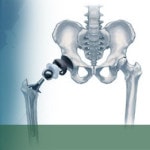
Hemiarthroplasty in India: Things to Consider While Going for The Surgery
Planning Your MedicaTrip to India?
Joint Replacement Surgery Hospital India makes it simple:
- Fill in our enquiry form — our executive will contact you shortly.
- Call us anytime: +91-9860432255
- Complete surgery details are available on our website.
Hemiarthroplasty overview
This surgical procedure is conducted to treat a damaged hip that is fractured and is strikingly similar to a complete hip replacement. The only difference between the two is that the former is concerning only the affected portion of the hip while the latter is done on the entire hip. Hemiarthroplasty is conducted not in the socket portion, but on the ball portion of the hip joint. The complete hip surgery, also involves the removal of the socket, however, hemiarthroplasty does not.
How do I know if I am a good candidate for hemiarthroplasty procedure?
If you have been subject to severe pain due to a fracture in the hip bone, this is the most appropriate procedure for you. It is highly recommended that you consult your doctor and get yourself operated before things get worse. The doctor will enquire into your drug history and ascertain whether you allergenic to something and will draw a most appropriate plan for you.
Check out the Patient Testimonial, where the patient shares about their success stories from treatments through Joint Replacement Surgery Hospital India.
Hi, I am Stephen Akatsa from Kenya. I got my hemiarthroplasty with the assistance of Joint Replacement Surgery Hospital India. I’d been always active, bicycling and working out. At 40, I was diagnosed with osteoarthritis in my hip became more painful and less mobile. Though my doctor prescribed anti- inflammatory medicines, but my pain kept coming back. He recommended me to undergo a surgery, but I was a bit reluctant due to the cost as well as lack of basic medical facilities. I started searching online for affordable treatments and contacted your website. They replied back within 48 hours and asked me to send my medical reports. I came to India for my surgery. The doctor and his staff were warm & welcoming. My surgery went extremely well. Though the recovery was a bit difficult but they kept on checking with me over the phone about my progress and problems. I am happy with the prompt service and would highly recommend anyone looking for any kind of treatment to get it done through this healthcare consultant.
Hemiarthroplasty procedure & recovery & effectiveness:
This surgery is performed to remove the femoral head. The hip consists of two parts- the ball and the socket. The operation starts with the surgeon making various incisions to get clear access to the hip bone. These are made on the side of the thighs of the patients. Different surgeons may use different approaches to go about the surgery. However, in any case, once access to the hip bone is obtained, the next step involves the removal of the femoral head from the acetabulum.
The hollow femur bone in the thigh is then shaped in a manner that is satisfactory to the surgeon. He will then proceed to insert the stem into the femoral canal and ensure that it holds its place using an uncemented variety of the femoral component.
Post-surgery, the patient is required to act with special care. Special pads are provided to the patient so as to prevent the formation of any blood clots, etc. You may be required to spend four to six days in the hospital after the surgery and will be allowed to go home once you can walk about fifty to seventy-five inches with crutches or otherwise.
Are you looking for Affordable Cost of Hemiarthroplasty in India?
Please enquire with us Get a “No Obligation Quote”
Why opting hemiarthroplasty is necessary?
The patient due to a hip fracture undergoes unprecedented amount of pain and if not undertaken or delayed, can cause further complications and damage the hip altogether. Moreover, the risk factors involved are fairly less; the patient can undergo the surgery without any second thoughts on the subject.
Why to choose an Indian hospital for your hemiarthroplasty?
Doctors in India are known for their capabilities and experience. Further, the quality of pre, during and post service is exceptional on part of the hospital staff. You can also avail Free Consultation Hemiarthroplasty in India at various hospitals. You can also view and study the reviews of previous customers to base your decision on the Hemiarthroplasty in India reviews by previous patients.
Hemiarthroplasty cost in India:
Hemiarthroplasty in India is an extremely feasible affair. It is reasonably Affordable in India and the Low cost Hemiarthroplasty in India under all circumstances is an incentive along with everything else that the hospitals here have to offer to you.
If you are really seeking Hemiarthroplasty, kindly fill up the form for a free consultation by our surgeons. You will be provided with thorough analysis and suggestions regarding the Hemiarthroplasty you are seeking.
Listen to the Voices of Our Happy Patients
FAQ’s
Hemiarthroplasties are favored as a treatment for hip fractures in the following situations:
1) The fracture has disrupted the blood supply to the femoral head: in this case even if the fracture heals, the head of the femur will crumble. This is known as avascular necrosis and will lead to the hip joint failing.
2) Severe osteoporosis: if the bone is too brittle, other methods of fracture treatment will not be successful
3) A fracture that has been present for several days
Some tests that may be ordered to check that you’re fit for surgery include:
- Blood tests
- Chest X-Ray
- Urine test
- ECG
The anaesthetic team will see you and decide the type of anaesthetic that’s best for you. The different types of anaesthesia include:
General Anaesthetic: This type of anaesthetic puts you asleep during the whole procedure and a machine controls your breathing.
Spinal Anaesthetic: An injection is placed into your back to numb your hip and legs. You will be awake during the procedure, however a sedative can be given to you to help you doze off.
Nerve Blocks: This special injection is used to help with your pain after the operation and often used in conjunction with a general anaesthetic.
Patients are usually able to go home after spending 4 – 7 days in the hospital. You are ready to go home when you can safely get in and out of bed, walk up to 20 meters with your crutches or walker, go up and down stairs safely, and understand your hip precautions. Patients who still need extra care may be sent to a different hospital ward for further rehabilitation before they go home.
- Breathing: To avoid lung problems after surgery, you will be asked to breathe deeply and cough frequently. This will help avoid pneumonia and lung collapse.
- Walking: Walking and light activity are important to your recovery and will begin the day of or the day after your surgery. Most patients who undergo total hip replacement begin standing and walking with the help of a walking support and a physiotherapist the day after surgery.
The physiotherapist will teach you specific exercises to strengthen your hip and restore movement for walking and other normal daily activities.
It is important to keep your wound as dry as possible. Most patients are discharged home with a waterproof dressing, which can be left on for showering. During the first 24 hours, it is normal to have some minor bleeding. After being discharged home, there should be no discharge, redness or bleeding around the wound. If there is redness, discharge or a foul odour, please seek medical attention as soon as possible.
There are a number of ways your wounds may be closed those include either with the non-absorbable stitches, absorbable stitches or surgical staples. The stitches or staples are usually removed 10-14 days after surgery.
There are usually no specific diet or extra vitamins / nutrients needed to recover from a total hip operation. It is important to have a normal healthy, balanced diet and plenty of nonalcoholic fluids.
One of the possible complications of hip replacement surgery is dislocation. Dislocation is most common during the first year after surgery, but can occur at any time.
There are certain positions and precautions that must be avoided.
- Do not cross your legs.
- Do not bend your hips more than a right angle (90°).
- Do not turn your feet excessively inward or outward.
- Do not twist on your operated leg when turning
- Do not bend down to pick things up off the floor
Joint Replacement Surgery Hospital India offers highest quality bone and joint health care with attentiveness, care and compassion to meet the needs of the patients and their loved ones. The medical team includes board-certified orthopedic surgeons who are familiar with all the aspects of the musculoskeletal system. Our hospital uses the most advanced technologies available for the orthopaedic procedures and has a lower complication rate.
You can most definitely choose hotels as per your convenience to you and your budget.
You can talk to the doctor and satisfy all your medical queries. You can also send us your queries for answers from the top doctors.
To know about the procedure of getting an Indian Medical Visa, please go to our website where you will find all the details regarding the initial procedure. You can also send us a query regarding the same.
Many hospitals in India have language translators to help you communicate better and effortlessly with the doctors and medical staff.