


Category Archives: Foot and Ankle
Low Cost Ankle Replacement In India
Planning Your MedicaTrip to India?
Joint Replacement Surgery Hospital India makes it simple:
- Fill in our enquiry form — our executive will contact you shortly.
- Call us anytime: +91-9860432255
- Complete surgery details are available on our website.
Ankle replacement Overview
Ankle replacement surgery, also referred to as the Ankle Arthroplasty is undertaken to treat ankle arthritis that is unaffected by intake of medication and drugs. This surgical procedure results in relieving the patient of all the pain that is caused due to arthritis is the joints. This arthritis may occur in patients in two cases- either in cases of wear and tear of his/her daily life or as a result of an injury or accident that broke the ankle or dislocated it. Ultimately, the consequences of this problem involve severe pain in the joints, weakening the cartilages, deformities or loss of cartilages altogether.
How do I know if I am a good candidate for Ankle replacement Procedure?
As a general answer to this question, this procedure can be performed only on non-diabetic patients. It is usually undertaken in a scenario wherein the medication and drugs fail to provide any relief to an arthritis patient.
For the patients being able to undergo this surgery must have enough skin covering over his part to be operated. The patient’s body shall be free of any kind of infection and must have a normal sense of muscle control of the ankle. However, your physician/ surgeon will be a better guide for you in this respect. Ankle replacement in India reviews of patients indicates that the best results are achieved by consulting a doctor.
Patient Testimonial
Hello, my name is Kevin Bostock, Kenya. I visited India for my ankle replacement surgery in India with the assistance of Joint Replacement Surgery Hospital India. I was experiencing tremendous pain in my ankle due to arthritis that badly affected my quality of life. I contacted you for getting a free consultation. I was impressed with the high quality medical services offered at reasonable price. I gave them my confirmation and flew down to India. They helped me arrange my medical visa and also made arrangements for my attendant. They assisted us with food and lodging arrangements in India. The expertise of the surgeon and the nursing staff resulted in a very successful operation. The high standard of hygiene and after care at the hospital gave me great confidence. My overall experience of getting my medical treatment in India was amazing. I would like to thank my doctor, hospital staff and your healthcare group for the care and support you provided me throughout the entire journey.
Ankle replacement Procedure & Recovery:
This surgery usually extends over a period of two to three hours on an average. The patient is admitted to the hospital after due consolation with your primary caretaker. Prior to the initiation of the operation, the patient is given general anesthesia.
Various incisions are then made of the ankle joint in order to expose it to the surgeon. To facilitate the same, tendons, nerves and vessels are carefully detached. Once it is convenient for the surgeon to operate, he removes the affected portion and replaces it in an appropriate manner. Finally, post the replacement, the layers are closed and dressed. This surgery is a complex procedure that is best performed by a surgeon who specializes in foot and ankle surgery. Post the surgery, medication is given to the patient for a period of five to seven days. The patient will suffer some mild pain in the initial days but this too will subside eventually.
Ankle Replacement Vs Ankle Fusion:
Both the above treatments are aimed at reducing or eliminating the pains in the joints of the patients who has been suffering from arthritis. Ankle fusion requires the surgeons to use in the surgery pins, screws, bone grafts and plates to lastingly joint the tibia, or shin bone to the talus. The primary purpose in to cease the bone-on-bone grinding and ease the mobility of this joint. This variation in the joint ideally lasts a lifetime, but causes a variation in the dynamics of the foot.
Ankle replacement on the other hand, requires the surgeon to completely and absolutely remove the part that has been affected and replace it with a new and fresh piece altogether.
How effective is Ankle replacement?
It may be noted by that not each and every patient is fit for this surgery. Patients with problems such as obesity, diabetes, etc. that hamper the blood supply of the individual and whose ankles are severely deformed or unstable are not it for this procedure.
This procedure is performed on patients, on whom the medication is not working any more. This has proved to be an effective solution to the medical problem of arthritis. The effect of this lasts for an average period of 10-20 years; however, is dependent on various factors such as the type of implant used, lifestyle of the patient, level of activity etc.
Are you looking for Affordable Cost of Ankle Replacement in India?
Please enquire with us Get a “No Obligation Quote”
Why Opting Ankle replacement in India is necessary?
This surgery is performed by doctors in India regularly on multiple patients. Their expertise in the field will be greatly helpful in covering the risk factors such as nerve injury, vessel injury, tendon injury, bone injury, infection, failure and persistent pain during the operation. Further, Ankle Replacement in India is a favorable option keeping in mind the affordable and low cost of the concerned surgery.
The doctors and surgeons prior to the initiation of their practice undergo rigorous training and are subject to practice on various patients under the guidance and supervision of a senior doctor.
Why to choose an Indian Hospital for your Ankle replacement?
The hospitals in India are committed to providing you with exceptional quality of services. Low cost ankle Replacement cost in India if compared to other countries, is much lower. In light of the cost along with the exemplary services, this option is widely adopted by patients in India and abroad. There are various hospitals that for the interest of their patients provide Free Consultation Ankle replacement in India.
If you are really seeking for Ankle Replacement, kindly fill up the form for a free consultation with our surgeons. You will be provided with thorough analysis and suggestions regarding the Ankle Replacement you are seeking.
Listen to the Voices of Our Happy Patients
FAQ’s
- After obtaining medical evaluation from your primary care provider you are admitted to the hospital for elective surgery. An anesthetic is placed and the ankle joint is exposed by careful separation of the tendons, vessels and nerves in front of the joint. The diseased portion of the ankle is precisely removed and the replacement is impacted into position. The layers are closed and a dressing is applied. Additional procedures may be performed at the same time as necessary. The procedure lasts 2 to 3 hours.
When compared to the other major joints, arthritis of the ankle is uncommon. Many people know of someone who has found pain relief from hip or knee replacement, but few know someone who has had an ankle replacement. It is true that ankle replacement is not as common as hip and knee replacement, but the number of procedures is growing fast.
- As with any surgical procedure, experience matters. Ankle replacement is a complex procedure, and is best performed by a surgeon who specializes in foot and ankle surgery, and not just knee and hip replacement.
The typical patient spends one or two nights in the hospital after ankle replacement. However, the length of the hospital stay can depend on many other factors. Your surgeon will advise you on what he/she believes is likely for your specific situation.
A foot and ankle surgeon who is experienced in ankle replacement surgery can evaluate your particular situation and determine whether you are a candidate for the procedure. All patients must exhaust other non-surgical treatment methods prior to proceeding with ankle replacement. No age limits have been established for the ankle replacement, but the performance of a prosthetic joint and how long it will last depends on many factors, including the type of implant used, your physical condition, bone quality, activity level and lifestyle.
It is very important that your surgeon be aware of all medications that you are taking, especially, steroids and blood thinners. You will be advised if you need to make any changes in your medication schedule. Generally, patients are advised to stop taking prescription or over the counter anti-inflammatory medication, including aspirin or ibuprofen five days before surgery. These medications thin the blood and can lead to excessive bleeding during surgery.
The arthritic ankle is expected to be less swollen but not completely normal. Also, there will be a visible scar on the front of the ankle from the incision.
There are several components that make up the ankle replacement device. All of the parts are made from highly biocompatible materials, including titanium and cobalt chrome metals on the tibial and talus sides of the joint. Between those two components, a third component made of a biocompatible plastic called polyethylene is attached to the tibial component to help the components glide against each other. These are identical materials to those used in hip and knee replacements. All of the materials have a long and successful track record for use in human joint replacements.
Advances in technology and materials have made ankle replacement more and more reliable. An increasing number of foot and ankle surgeons are using ankle replacement surgery with confidence to relieve pain and restore mobility in patients with compromised ankle function.
Although still a small niche segment, the ankle replacement market is growing rapidly. In 2009, about 2,300 procedures were performed in the US alone.
How long an ankle replacement lasts depends on many factors, including the type of implant used, and the patient’s physical condition, activity level and lifestyle.
While prosthetic joints can provide increased mobility and pain relief for many years, it is a fact that they are mechanical bearings and may not last for the rest of the patient’s life. Most patients can expect their ankle replacement to last 10-20 years.
The components used for ankle replacement are not different for men and women specifically; what differs is simply the size of the components based on the patient’s anatomy. During the procedure, the surgeon carefully chooses the components that best match your ankle joint. The implants are available in a range of sizes and combinations for a customized fit.
Sedentary patients may be better served by an ankle fusion. Increased body mass index (BMI) is just one factor that will be carefully considered by your surgeon. Increased BMI can be associated with mechanical failure of the implant.
As with any surgery, there is always a risk of complications. Risks include nerve injury, vessel injury, tendon injury, bone injury, infection, failure and persistent pain.
All patients will experience some level of pain after surgery. Many patients are off prescription pain medication five to seven days after surgery. After the initial pain from the surgery subsides, you should not have any chronic pain as a result of the implant. You may have some soreness, but that will begin to improve in the weeks and months following surgery. Call your physician if you have any increased pain, swelling, fever or abnormal incision drainage.
Although the recovery program varies by patient and surgeon preference, many patients are in the hospital for 1 to 3 nights. The stitches used to close the incision are removed between 10 and 21 days after surgery. Once stitches are removed the patient is allowed to move the ankle. Bearing weight on the ankle is allowed 6 weeks after surgery, at that time, physical therapy is started to accelerate the resolution of swelling, pain and stiffness and to eventually improve strength and coordination. Protective devices such as a cast boot or brace, along with physical therapy, are discontinued 12 weeks after surgery. Your physician will schedule regular follow-up appointments with you during that time.
Physical therapy is critical to the success of your new ankle. Your rehabilitation program often begins as early as the day of your surgery, when your health care team advises about the rehabilitation process. You will be instructed in the exercises to perform at home, which are designed to gradually increase the use of your ankle. It is important to follow your doctor’s instructions exactly and do your exercises regularly. In general, initial therapy involves stretching to help regain the normal ankle range of motion. Later, strengthening exercises are added if necessary. Your surgeon will provide you with any specific restrictions based upon your individual situation. It is important to follow those restrictions closely.
Most people are able to return to normal everyday activities such as dressing themselves and grooming within the first 2 weeks after successful ankle replacement surgery. Your ambulation will be restricted for 6-8 weeks until you start your rehabilitation therapy. Your doctor will advise you on specific limitations, including the amount of walking you can do on the ankle that was operated on. Many surgeons restrict their patient’s ambulation for a period of time. Your doctor will also let you know when you can begin ambulating more freely, and when you can return to other activities. Contact sports may be restricted in the long term.
- Once you return home, it’s a good idea to have a family member or friend available to help you with daily activities such as washing, dressing and preparing meals.
This is especially important during the first week or two following surgery. If you do not have home support, ask your health care provider about an agency or facility that may be able to provide the help you need.
You must be off all pain medication before you consider returning to driving. Patients with minimal discomfort and access to a vehicle with an automatic transmission can usually return to driving about two months following surgery.
The decision to return to work is individualized and is influenced by your job, your employer and your post-operative course. In most circumstances, patients can return to office work in 2 to 3 weeks if accommodations are made for transportation, parking, office access, rest and foot elevation. Patients that perform physical work may return to work once they recover endurance for standing and walking, this is at least three to four months after surgery.
The recovery of full ankle function may take up to 6 months, provided you followed the recommended physical therapy regimen. Most improvements are maximized by six months after surgery and residual swelling persists for 6 to 12 months.
People who have had an ankle replacement are generally advised to avoid contact sports and to refrain from repetitive impact activities that will accelerate wear of the implant, as these can place too much strain on your ankle implant. Consult your physician about the specific activities that might affect your new ankle.
It is impossible to state how much motion will recover after ankle replacement. However, patients with severely restricted motion that has been present for many years may be unable to achieve full motion despite a properly performed operation and dedicated physical therapy.
Ankle replacement surgery can help you return to normal daily activities that were previously limited by the ankle disease. Even though the ankle replacement addresses the most likely pain source, other sources of pain remain in the ankle and foot. Pain is likely to be reduced but it is not always eliminated.
When ankle arthritis pain begins limiting your daily activities, causing you to lose sleep, and is not responding to other treatment alternatives, it may be time to consider ankle replacement surgery. By waiting too long, your range of motion can become severely limited, making the surgery more difficult and the results less certain. It is a good idea to discuss your condition early on with a foot and ankle surgeon, and learn about the options and timing that might be right for you.
Early recommendations for arthritis treatment may include rest, walking with a cane in the opposite hand, over the counter or prescription anti-inflammatory medications, and medication for pain relief. Physical therapy may be prescribed in the early stages, although this can become less effective and even damaging as the arthritis advances. Cortisone injections can provide temporary relief of pain, although this is not generally considered a long-term solution. Occasionally, arthroscopic surgery is used to remove bone spurs and debris from the joint. When these solutions are not effective, your foot and ankle surgeon may discuss surgical alternatives with you, such as ankle fusion or ankle replacement surgery.

Hammer Toe In India: Things To Consider Going For The Surgery

Planning your medical trip to India is a very simple process with Joint Replacement Surgery Hospital India
- You just need to fill in our enquiry form and one of our executives will contact you soon.
- +91-9860432255 Call us at the given contact number for any assistance.
- Complete information regarding surgery is provided on our website.
Hammer Toe Overview
Hammer Toe in India is a disorder which causes the toe to become bend upward that resembles the shape of a hammer. Hammer Toe in India reviews of patients indicates that it occurs in conjunction with other problems of the toe. It can be stiff or flexible and depending upon the flexibility of the toe and the preference of an orthopedic surgeon, several different surgeries can be performed.
How do I know if I am a good candidate for Hammer toe procedure?
The main objective of this surgery is to treat the pain that has not yielded the desired results with non-surgical treatment. If you have pain in wearing your pair of shoes, then Affordable Hammer Toe in India surgery is the only option.
Check out the Patient Testimonial, where the patient shares about their success stories from treatments through Joint Replacement Surgery Hospital India.
Hi, my name is Simon Makala from Zambia. I visited India to get a hammer toe surgery with the assistance of Joint Replacement Surgery Hospital. Before the surgery, I was in a lot of pain and wasn’t able to walk at all. I couldn’t even find shoes that would fit my feet. My doctor diagnosed me with hammer toes and recommended me for surgery. There was inadequate medical facilities and amenities and that lead me to search for surgery abroad. The cost of surgery was too expensive in US. I searched for low cost surgery and found your website. After consultation, I was more than happy to give my confirmation to fly down to India for treatment. My surgeon was a nice gentleman who made me feel easy and comfortable. The nurses and hospital staff were very caring and compassionate. My surgery went well. The surgery wasn’t painful at all and after the surgery, I have no pain at all. Its been an amazing experience. If you are thinking to have surgery, I would highly recommend having surgery through your healthcare consultants in India.
Hammer Toe Procedure & Recovery & Effectiveness
Most often this surgery is undertaken as an outpatient procedure. This makes it a point that you can go home the same day the surgery is done. The surgery can be undertaken when you are fully asleep, or it can be done also when you are awake that makes the feet go numb temporarily.
Techniques used for treatment of hammer toe:
- Flexible hammer toe- if the hammer toe is flexible, and the toe can be straightened then a tender transfer procedure can be undertaken. This procedure involves retouting the tendons from the bottom.
- Fixed hammer toe- if the hammer toe has become fixed, then there are two options for treatment. Joint resection can be used and in this process an incision is made over the top of the toe. In addition to this fusion can also be used to treat the fixed hammer toe. Pins or screws can be used to fix the toe.
After the surgery is done, you will be given a special shoe which aids in your walking. Recovery normally can take a few weeks depending upon the type of surgery which is undertaken. Some form of exercise may be prescribed by your surgeon after the surgery is undertaken. It is normal to have some amount of swelling after the surgery, which may take a few years before the swelling resolves.
Are you looking for Affordable Cost of Hammer Toe Surgery in India?
Please enquire with us Get a “No Obligation Quote”
Why Opting Hammer Toe is necessary?
In some cases, when the hammer toes have gone on to become more rigid and painful, or for the matter an open sore has developed then surgery is the only option which is left. Often patients with hammer toe have foot deformities at the same time
Why to choose an Indian Hospital for your Hammer Toe?
India is a forerunner in the domain of medical tourism. A lot has got to do with the evolution of top quality hospitals. Most of them offer Free Consultation Hammer Toe in India which gives a point to the patient that whether there are alternative courses of treatment. Surgery is a life time decision and has a considerable amount of bearing on the mental make up of an individual.
Hammer Toe Cost in India
Low cost Hammer Toe in India ensures that the surgery is undertaken at a fraction of a cost when one compares it to the western countries. Since it is an elective form of surgery, most of the insurance companies do not cover it and hence getting it in India works out to be beneficial.
If you are really seeking Hammer Toe Surgery, kindly fill up the form for a free consultation with our surgeons. You will be provided with thorough analysis and suggestions regarding the Hammer Toe Surgery you are seeking.
Listen to the Voices of Our Happy Patients
FAQ’s
It is possible that after surgery, your hammertoe may come back. If this happens and you have discomfort in the toe, an additional surgery may be needed to address the pain.
Depending on the specific surgery used, you may or may not be able to bend your toe once it has healed. Ask your orthopaedic surgeon what type of surgery is needed for your hammertoe.
Before you leave the hospital, your toes will be wrapped in bandages to hold them in place and you will receive instructions on maintaining those dressings and on wearing a special post-surgical shoe to protect your foot. You may need to use a cane or crutches for the first several days and to be careful about putting weight on your foot. You should try to keep your foot elevated and treated with ice as directed for several days. While your stitches may be removed in a couple of weeks, you will continue to need to utilize the bandages and shoe for as long as eight weeks. You should plan on wearing athletic shoes or soft leather shoes — and no high heels — for several months once your bandages have been removed. Your doctor may prescribe exercises to improve the range-of-motion of your toes, such as stretching them and picking up objects such as marbles and handkerchiefs with them.
Wear roomier shoes
- Seek out shoes that conform to the shape of your feet as much as possible and provide plenty of room in the toe box, ensuring that your toes are not pinched or squeezed.
- Make sure that, while standing, there is a half inch of space for your longest toe at the end of each shoe.
- Make sure the ball of your foot fits comfortably in the widest part of the shoe.
- Since feet normally swell during the course of the day, shop for shoes at the end of the day, when your feet are at their largest.
- Don’t be vain about your shoe size — sizes vary by brand, so concentrate on making certain your shoes are comfortable.
- Remember that your two feet are very likely to be different sizes and fit your shoe size to the larger foot.
Don’t wear high-heel shoes
- Avoid high heels, which shift all your body weight onto your toes, increasing the pressure on your toes and their joints tremendously.
- Wear shoes with low (less than two inches) or flat heels that fit your foot comfortably.
You can most definitely choose hotels as per your convenience to you and your budget.
You can talk to the doctor and satisfy all your medical queries. You can also send us your queries for answers from the top doctors.
To know about the procedure of getting an Indian Medical Visa, please go to our website where you will find all the details regarding the initial procedure. You can also send us a query regarding the same.
Many hospitals in India have language translators to help you communicate better and effortlessly with the doctors and medical staff.
Joint Replacement Surgery Hospital India offers highest quality bone and joint health care with attentiveness, care and compassion to meet the needs of the patients and their loved ones. The medical team includes board-certified orthopedic surgeons who are familiar with all the aspects of the musculoskeletal system. Our hospital uses the most advanced technologies available for the orthopaedic procedures and has a lower complication rate.
Low Cost Toe Joint Replacement Surgery in India
Planning Your MedicaTrip to India?
Joint Replacement Surgery Hospital India makes it simple:
- Fill in our enquiry form — our executive will contact you shortly.
- Call us anytime: +91-9860432255
- Complete surgery details are available on our website.
What is Toe Joint Replacement Surgery?

Orthopaedics is the stream of medicine, which in a way is conferred as the modern surgical mechanism deals with the treatment of the bones and the joints. It involves a detailed analysis of the musculoskeletal system, which depicts the capacity of a human being or an animal to move with the help of their muscles and bone.
In the world of today, due to the trendy lifestyles pain in the joints as well as the muscles are a common phenomenon. The first thing the masses resort to in such a scenario is visit an orthopaedic surgeon. The surgeons have to exercise caution in treating the patients as surgery might not only be the viable option in all the cases. At times non surgical procedures depending on the conditions and symptoms of the disease could do the trick.
Check out the Patient Testimonial, where the patient shares about their success stories from treatments through Joint Replacement Surgery Hospital India.
Hello, my name is Mrs. Martha Thomas from the UK. I underwent toe joint replacement surgery in India with the assistance of your surgery group. For years, I suffered my arthritic joint in my right foot and it took a lot of efforts even for walking. My doctor suggested me to get a replacement surgery. However, the cost of the surgery was beyond my budget. While looking out for a more affordable option, I came across various websites offering quality medical services. I approached these websites and send my inquiry for the surgery. One of my friends, relative had got her surgery through your surgery group and was highly speaking about her experience in India. According to her, the hospital was clean and convenient and the staff made her feel comfortable. Considering her recommendation, I got my appointment fixed in India after contacting them. They helped us with the travel, food and stay arrangements in India. An official received us at the airport and escorted us to the hospital. The surgeon and his staff were true professionals and very kind. The surgery went well. I am still recovering and following the post surgical instructions. I want to thank your group and would recommend you to anyone looking to have toe replacement surgery in India.
What to Expect During the Toe Joint Replacement Surgery?
The Toe Joint Replacement is performed under general anaesthetic. Most patients can go home the day after the surgery.
During this surgery, your surgeon will make a small incision near your big toe joint and examine the current damage to the joint. Any bone spurs or lumps will be shaved smooth. They will use a prosthesis or replacement components made me up of either plastic or metal for replacing the part or your entire toe joint.
The choice of the prosthesis and the extent of the surgery will depend on your medical situation. You should discuss all the options with your consultant.
What to Expect After the Toe Joint Replacement Surgery?
At the completion of your surgery, the wound will be closed with stitches or staples. Your foot will be covered with a dressing. You will receive help to begin walking the day following your surgery. You will be required to use the crutches. You will need a special shoe that will make it easier to avoid putting full weight on your new toe joint. A physiotherapist will visit you to show the exercises that will help you with range of motions.
What to Expect with Recovery at Home?
Take any pain medications that are given by your doctor. You should avoid putting full weight on your foot until 6-8 weeks or you are released to do so. After 10 to 14 days, your stitches and staples will be removed.
You will need to undergo an X-ray to ensure the bone is growing correctly around the new implants. If this is the case, then you are allowed to increase the weight bearing on your foot and gradually return back wearing the normal shoes. You need to continue performing the exercises recommended at the hospital.
Most of the patients are able to resume light exercises at about ten weeks. As with any other surgery, the swelling may persist for several months post surgery.
Are you looking for Affordable Cost of Toe Joint Replacement Surgery in India?
Please enquire with us Get a “No Obligation Quote”
Why Choose an Indian Hospital for Toe Joint Replacement Surgery Hospital?
Precise treatments pertaining to the pain in the bones and joints are available in the country. The icing on the cake stems from the fact that certain advanced forms of treatment like Birmingham hip resurfacing technique are present in the country which is not even mentioned in the medical charters of advanced countries like the United States. So the curiosity arises on what is this form of treatment which is a conventional replacement of the hip.
Precise treatments pertaining to the pain in the bones and joints are available in the country. The icing on the cake stems from the fact that certain advanced forms of treatment like Birmingham hip resurfacing technique are present in the country which is not even mentioned in the medical charters of advanced countries like the United States. So the curiosity arises on what is this form of treatment which is a conventional replacement of the hip.
The inflow of foreign patients to India is increasing with every passing day. The efforts and contribution of the surgeons have a huge say in this. They have had their education in the top medical institutions of the country along with practicing their skills among the best medical centres in the world. Even the doctors who practice in the country are of the highest order.
Of late Toe joint replacement surgery has been a revelation in the world of surgery. If the testimonies of the medical tourists coming to the country are an indicator the surgery tops the list. The low cost of treatment, quality health care and a well developed tourist industry are the pillars on which the medical tourism industry survives. “Yesterday’s regret and tomorrow’s hope is Today’s opportunity.
If you are really seeking for Toe Joint Replacement Surgery, kindly fill up the form for a free consultation with our surgeons. You will be provided with thorough analysis and suggestions regarding the Toe Joint Replacement Surgery you are seeking.
Listen to the Voices of Our Happy Patients
FAQ’s
The new generation of prosthetic joints lasts longer than ever. In most cases, prosthetic joints can hold up for longer than your bone and on average our center has seen joints last over 10 years or more.
You should be able to play sports and return to other activities within three to six months of having toe joint replacement. In some cases, physical therapy will be required to aid the recovery process.
Thanks to anesthesia, you should not experience any pain during your toe joint replacement. Some patients experience minimal discomfort after the surgery, but your doctor can help mitigate that with pain medication.
You should rest and keep your foot elevated for the first 3-4 days after having toe joint replacement. After that, you should be able to walk in a cam walker boot with crutch assistance. Your doctor will give you specific instructions about what to do after your procedure.
You may need physical therapy to help fully improve your post operative range of motion. Your doctor will advise you about the type and length of physical therapy required in your case.
You can most definitely choose hotels as per your convenience to you and your budget.
Can I speak with the doctor before I come to India for treatment?
You can talk to the doctor and satisfy all your medical queries. You can also send us your queries for answers from the top doctors.
To know about the procedure of getting an Indian Medical Visa, please go to our website where you will find all the details regarding the initial procedure. You can also send us a query regarding the same.
Yes. Many hospitals in India have language translators to help you communicate better and effortlessly with the doctors and medical staff.
Our Blog Posts
Our Patient’s Experiences
Tags
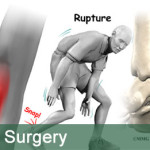
Torn Achilles Tendon In India Things To Consider Going For The Surgery
Planning Your MedicaTrip to India?
Joint Replacement Surgery Hospital India makes it simple:
- Fill in our enquiry form — our executive will contact you shortly.
- Call us anytime: +91-9860432255
- Complete surgery details are available on our website.
Torn Achilles Tendon Overview
The Achilles tendon is an important part of your leg. It is found just behind and above your heel and it joins the heel bone to the half muscles. Its main function is to help you bend your feet downwards at the ankle. Torn Achilles tendon in India is a condition where pain, swelling or stiffness along with weakness is noticed in the Achilles tendon. After each injury the tendon does not heal completely.
How do I know if I am a good candidate for Torn Achilles Tendon?
A Torn Achilles tendon in India reviews of patients indicates that the following are the common candidates:
- When there is overuse of the Achilles Tendon- this is a problem who run regularly and who are into too much dancing.
- Exercise or training wearing the wrong footwear
- Having poor flexibility – for example, having tight or underdeveloped thigh.
- Having a high arched foot.
Check out the Patient Testimonial, where the patient shares about their success stories from treatments through Joint Replacement Surgery Hospital India.
Hi, I am Paul Okafor from Nigeria. I came to India for torn Achilles tendon surgery through Joint Replacement Surgery. I had suffered an injury from a freak accident a year earlier, where my Achilles tendon had partially torn. I was in constant pain and it had limited the functionality in my foot and ankle. My doctor told me to undergo a surgery. So I started searching for quality medical treatment abroad. I went through your website and contacted them. I reached India and was taken to a hospital where the staff gave me a warm welcome. The surgeon was very professional and the nurses were quite compassionate. My surgery went smoothly. I would like to take this opportunity to thank my surgeons, nurses and the team of healthcare group for the excellent support and care I received during my journey. Overall, it has been a wonderful experience for me.
Torn Achilles tendon Procedure & Recovery & Effectiveness
The doctors will first diagnose the symptoms of Achilles tendon and the swelling or the tenderness would first start off things. Some amount of exercises may be recommended to put stress on your Achilles tendon. It may require you to stand on the affected leg and raise your leg above the ground. For most people affected this may increase the pain.
After the initial round of treatment, if nothing fails to yield the desired results, then Free Consultation Torn Achilles Tendon Surgery in India is a must. In most cases than not surgery will be the only option left in such cases. Most people who have undertaken Affordable Torn Achilles Tendon Surgery in India are happy with the results and their pain is relieved. The process involves
- Nodules are made which have developed within the damaged tendon
- Making length ways cut in the tendon which helps to stimulate and encourage healing of the tendon.
Are you looking for Affordable Cost of Torn Achilles Tendon Surgery in India?
Please enquire with us Get a “No Obligation Quote”
Why Opting Torn Achilles Tendon Surgery is necessary?
When the Achilles tendon is torn then it is known as a rupture. The tear can be complete or partial. In case of partial tear the tendon is torn but it is joined to the calf muscle. It is normally torn when there is a high level of stress on it. There are two options for the treatment, that are resorting to non surgical methods and the other is to remove it surgically. The latter is to adopt the conservative methods and it involves being in a brace for six to eight weeks.
Why to choose an Indian Hospital for your Torn Achilles Tendon?
Indian hospitals are on an upward curve with the best of facilities in medical along with surgical care. Most of the surgeons who are part of the hospitals have had their education in the renowned medical institutions of the world and later on come to India to practice their skill sets.
Torn Achilles tendon Cost in India
Low cost Torn Achilles tendon in India is provided by a host of medical tourism companies. Quite often when you visit a country like India, you are stranded for help in terms of culture and what to choose and what not to. This is where the role of medical tourism companies comes into prominence.
If you are really seeking Torn Achilles Tendon Surgery, kindly fill up the form for a free consultation with our surgeons. You will be provided with thorough analysis and suggestions regarding the Torn Achilles Tendon Surgery you are seeking.
Listen to the Voices of Our Happy Patients
FAQ’s
Joint Replacement Surgery Hospital India offers highest quality bone and joint health care with attentiveness, care and compassion to meet the needs of the patients and their loved ones. The medical team includes board-certified orthopedic surgeons who are familiar with all the aspects of the musculoskeletal system. Our hospital uses the most advanced technologies available for the orthopaedic procedures and has a lower complication rate.
The surgery to treat an Achilles tendon rupture involves an incision along the back of the ankle. Usually the incision is made just to the side of midline so shoes will not rub on the site of the scar. The torn ends of the Achilles tendon are identified and strong sutures are placed at both ends of the tendon. These strong sutures are then tied together to repair the tendon.
Achilles tendon rupture is most often treated surgically to reattach the tendon to its normal position. Non-operative management can be undertaken, generally people who live sedentary lifestyles or who may have problems with wound healing. Non surgical treatment of an Achilles tendon rupture is accomplished by casting the Achilles tendon for several months. In these patients, the number of re ruptures is higher compared to those patients who have surgical repair. In patients who have surgery for an Achilles tendon rupture, less than 3% experience a rerupture of the tendon.
Patients will be provided a discharge instructions sheet provided by the surgeon that instructs patients on how to look after their wounds, what activities they should avoid, and which exercises they should do to aid in their recovery. At a follow-up visit the surgeon will inspect the incisions, remove sutures, and discuss the rehabilitation program.
Rehabilitation following Achilles tendon repair is a controversial topic. Traditionally, patients were casted after surgery for a period of 4 to 8 weeks and after that time, patients were allowed to gently move the ankle. More recently, studies have shown that patients do well and heal faster with more rapid mobilization. If a solid repair is attainable, patients may not be casted at all, and allowed to begin motion immediately after surgery. These patients will use a removable boot when walking for several weeks.
The most common and worrisome complications following an Achilles tendon repair are problems with wound healing. The skin over the Achilles tendon, sometimes does not heal well. Therefore, careful wound management is of utmost important following surgical repair of an Achilles tendon rupture. Other potential problems include infection, ankle stiffness, and rerupture of the tendon.
Some swelling is to be expected and it may actually increase gradually for the first two to three days. If the bandage feels tight, you should re-apply it more lightly and elevate the leg to reduce the swelling. Apply ice packs for 20 to 30 minutes every few hours may help to reduce the swelling and act as pain relief as required. If it persists, contact your surgeon if you have any concerns.
Exercises are very important, as most of the ankle’s strength comes from the muscles surrounding it and not from the tendons or ligaments. You will not harm the ankle by doing strengthening exercises as recommended by your surgeon or physiotherapist. These should be performed according to the directions.
Weight bearing is not usually possible after tendon achilles surgery. Crutches or some form of weight support may be recommended by your surgeon depending on the operation. Once the pain eases it is important to gradually increase weight bearing on the leg.
Any sport that involves significant weight-bearing stresses or twisting movements must be avoided until approved by your surgeon. Although cartilage and ligament repair often results in a near normal ankle, the ankle does have an increased likelihood of developing arthritis in the long term, so extreme weight-bearing activities need to be modified. Exercises that have less impact on ankles include swimming, cycling and walking.
Maintaining a normal body weight, low impact exercises and a healthy diet.
It is important that you follow your surgeon’s instructions with regards to exercising the ankle to avoid complications of stiffness in the ankle. Exercises are very important, as most of the ankle’s strength comes from the muscles surrounding it and not from the tendons or ligaments. You will not harm the ankle by doing strengthening exercises as recommended by your surgeon or physiotherapist. These should be performed according to the directions.
You can most definitely choose hotels as per your convenience to you and your budget.
You can talk to the doctor and satisfy all your medical queries. You can also send us your queries for answers from the top doctors.
To know about the procedure of getting an Indian Medical Visa, please go to our website where you will find all the details regarding the initial procedure. You can also send us a query regarding the same.
Many hospitals in India have language translators to help you communicate better and effortlessly with the doctors and medical staff.
Low Cost Ankle Cartilage Surgery India

Planning your medical trip to India is a very simple process with Joint Replacement Surgery Hospital India
- You just need to fill in our enquiry form and one of our executives will contact you soon.
- +91-9860432255 Call us at the given contact number for any assistance.
- Complete information regarding surgery is provided on our website.
Ankle fracture (fibula) Introduction-
A fracture is a partial or complete break in a bone. Fractures in the ankle can range from the less serious avulsion injuries (small pieces of bone that have been pulled off) to severe shattering-type breaks of the tibia, fibula, or both.
Ankle fractures are common injuries that are most often caused by the ankle rolling inward or outward. Many people mistake an ankle fracture for an ankle sprain, but they are quite different and therefore require an accurate and early diagnosis. They sometimes occur simultaneously.
The ankle joint is composed of 2 joints: the true ankle joint and the subtalar joint.
The true ankle joint contains the tibia (medial wall), fibula (lateral wall), and talus (the floor upon which the tibia and fibula rest). The true ankle joint allows dorsiflexion and plantar flexion or the “up and down” movement of the ankle. The foot can be made to point toward the floor or toward the ceiling via the true ankle joint.
The subtalar joint consists of the talus and the calcaneus. The subtalar joint allows the foot to be inverted or everted, that is, the sole of the foot can be made to face inward (inverted) or face outward (everted) through the subtalar joint.
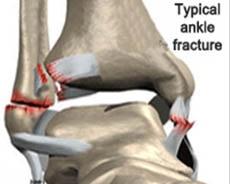
During evaluation of ankle fractures, the mechanism of injury (eg, eversion, inversion, dorsiflexion, plantar flexion), associated injuries (eg. vascular, ligamentous, capsular), the need for immobilization (eg, application of a splint), and the need for referral to a specialist for further treatment or evaluation (eg. additional immobilization, surgery, or rehabilitation) are all important components of care.
Causes –
- “Twisting” or rotating your ankle
- “Rolled” your ankle
- Tripping or falling
- Impact during a car accident
Since there is such a wide range of injuries, there is also a wide range of how people heal after their injury.
Check out the Patient Testimonial, where the patient shares about their success stories from treatments through Joint Replacement Surgery Hospital India.
Hello, I am Mr. Edward from the UK. I came to India for my ankle cartilage surgery through Joint Replacement Surgery Hospital India. After an ankle injury, my doctor recommended me to get my ankle cartilage surgery. However, the long waiting patient list at my native place, made me search for the surgery abroad. A friend of mine recommended me about your surgery group in India. He had a wonderful experience with excellent care and quality of service during his medical journey in India. I contacted them with my inquiry and they guided me with the details. I was impressed with their quick response and concern. The surgeon explained me about the surgery over the phone and soon I gave them consent to get my surgery in India. The hospital had a state of the art infrastructure, the surgeon and his staff were true professionals and very caring. My surgery went smoothly. I take this opportunity to thank your surgery group for the amazing job you guys are doing. God Bless!
Symptoms-
An ankle fracture is accompanied by one or all of these symptoms:
- Pain at the site of the fracture, which in some cases can extend from the foot to the knee
- Significant swelling, which may occur along the length of the leg or may be more localized
- Blisters may occur over the fracture site. These should be promptly treated by a foot and ankle surgeon.
- Bruising that develops soon after the injury
- Inability to walk-however, it is possible to walk with less severe breaks, so never rely on walking as a test of whether a bone has been fractured
- Change in the appearance of the ankle – it will look different from the other ankle
- Bone protruding through the skin-a sign that immediate care is needed. Fractures that pierce the skin require immediate attention because they can lead to severe infection and prolonged recovery.
Diagnosis-
Following an ankle injury, it is important to have the ankle evaluated by a foot and ankle surgeon for proper diagnosis and treatment. If you are unable to do so right away, go to the emergency room and then follow up with a foot and ankle surgeon as soon as possible for a more thorough assessment.
Besides a physical exam, X-rays are the most common way to evaluate an injured ankle. X-rays may be taken of the leg, ankle, and foot to make sure nothing else is injured.
Depending on the type of ankle fracture, the doctor may put pressure on the ankle and take a special X-ray, called a “stress test.” This X-ray is done to see if certain ankle fractures require surgery.
Sometimes, a computed tomography (CT, or CAT) scan is done to further evaluate ankle injuries.
For some ankle fractures, magnetic resonance imaging (MRI) may be done to evaluate the ankle ligaments.
Non-surgical treatment-
Treatment of ankle fractures depends upon the type and severity of the injury. At first, the foot and ankle surgeon will want you to follow the R.I.C.E. protocol:
- Rest: Stay off the injured ankle. Walking may cause further injury.
- Ice: Apply an ice pack to the injured area, placing a thin towel between the ice and the skin. Use ice for 20 minutes and then wait at least 40 minutes before icing again.
- Compression: An elastic wrap should be used to control swelling.
- Elevation: The ankle should be raised slightly above the level of your heart to reduce swelling.
Are you looking for Affordable Cost of Ankle Cartilage Surgery in India?
Please enquire with us Get a “No Obligation Quote”
Additional treatment options include:
- Immobilization. Certain fractures are treated by protecting and restricting the ankle and foot in a cast or splint. This allows the bone to heal.
- Prescription medications. To help relieve the pain, the surgeon may prescribe pain medications or anti-inflammatory drugs.
Surgical treatment-
- Doctors usually place a splint on the injured ankle for a few days to 2 weeks until the swelling decreases around the joint. The type of fracture and the stability of the fractured joint will determine the type of splint that will be used, or whether surgery is needed.
- If the ankle bones are not aligned properly, the doctor may realign them before placing the splint.
- Surgery will also be needed if any bone has broken through the skin. If the bone breaks through the skin, the fracture is then called a compound fracture. This is more serious than a simple fracture.
- Some minor ankle fractures do not require a splint or cast. In these cases the fracture will be managed as an ankle sprain.
- Because these fractures are very small, they heal well with this management.
- With any injured ankle, however, patients should not bear weight until a cast is placed or until the ankle joint is pain free; check with the orthopedist about when weight bearing should be attempted.
- After the swelling decreases and the patient is reexamined, an orthopedic doctor or a primary care doctor may place a better-fitting cast on the ankle. Depending on the type of fracture, the patient may be placed in a walking cast, which can bear some weight, or the patient may need a non-weight-bearing cast that will require the use of crutches to assist with walking.
- Depending on the degree of pain, the doctor may prescribe pain medication. The patient should use the pain medication only as needed. Do not drive or operate heavy machinery while using these medications.
Follow-up care-
Follow-up care for an ankle fracture depends on the severity of the fracture; consultation with an orthopedist is recommended for most fractures. In some instances, a surgeon may need to be consulted, especially if there is any vascular compromise due to the fracture.
The patient may need emergency surgery, next-day follow-up, or follow-up in 1-2 weeks with an orthopedic doctor.
The patient may require follow-up with a family doctor.
- If the patient’s injured ankle was splinted on the initial visit, he or she will probably need to have a cast placed on the ankle during the follow-up visit.
- Recovery time varies depending upon the type of fracture or need for surgery. The average fracture requires 4-8 weeks for the bone to heal.
- With severe ankle injuries, the doctor may recommend physical therapy for rehabilitation after the acute phase of healing.
Why Choose Joint Replacement Surgery Hospital India for Ankle Cartilage Surgery?
Joint Replacement Surgery Hospital India offers highest quality bone and joint health care with attentiveness, care and compassion to meet the needs of the patients and their loved ones. The medical team includes board-certified orthopedic surgeons who are familiar with all the aspects of the musculoskeletal system. Our hospital uses the most advanced technologies available for the orthopaedic procedures and has a lower complication rate.
If you are really seeking for Ankle Cartilage Surgery, kindly fill up the form for a free consultation with our surgeons. You will be provided with thorough analysis and suggestions regarding the Ankle Cartilage Surgery you are seeking.
Listen to the Voices of Our Happy Patients
FAQ’s
It is a minimally-invasive procedure is performed to stimulate the growth of fibrocartilage in an injured joint. This procedure may be performed with general or regional anesthesia. In preparation for the procedure, the patient is positioned and anesthesia is administered. Fluid is injected to expand the ankle to provide a clear view of the joint. The surgeon makes a series of tiny openings in the ankle to access the joint. The surgeon inserts an arthroscopic camera and instruments into these openings. The surgeon locates and inspects the damaged area with the arthroscope. The surgeon uses arthroscopic instruments to clear away the damaged cartilage. This exposes the surface of the bone beneath the injury. This is followed by stimulating the cartilage growth.
When the procedure is complete, the surgeon removes the arthroscope and instruments and closes the openings in the skin. The patient will be able to return home after a short monitoring period. Following surgery, the ankle may be sore and swollen for four to six weeks. Some patients may wear a walking cast or splint. Others may require crutches for a few weeks. The ankle will heal over a period of months. Physical therapy may be needed.
You can most definitely choose hotels as per your convenience to you and your budget.
You can talk to the doctor and satisfy all your medical queries. You can also send us your queries for answers from the top doctors.
To know about the procedure of getting an Indian Medical Visa, please go to our website where you will find all the details regarding the initial procedure. You can also send us a query regarding the same.
Many hospitals in India have language translators to help you communicate better and effortlessly with the doctors and medical staff.

Hallux Rigidus in India: Causes, Signs, Symptoms, Diagnosis and Treatment in Indian Hospital
Planning Your MedicaTrip to India?
Joint Replacement Surgery Hospital India makes it simple:
- Fill in our enquiry form — our executive will contact you shortly.
- Call us anytime: +91-9860432255
- Complete surgery details are available on our website.
What is Hallux Rigidus?
Hallux Rigidus In India is arthritis of the big joint of the toe. It is the second most common condition of the toe and next only to hallux valgus which is a condition associated with the big toe. This condition is more common in individuals in the age group of 30 to 60 years.
How do I know if I am a good candidate for Hallux Rigidus?
It is known to affect people who are pretty active and agile. The stiffness of the toe is especially noticeable on the upward bending caused by running or walking. This stiffness is known to cause considerable amount of pain. As a result of pain and stiffness a bump is created on top of the big toe.
Check out the Patient Testimonial, where the patient shares about their success stories from treatments through Joint Replacement Surgery Hospital India.
Hi, my name is Joseph Adeyemi, 43 years old from Nigeria. I have suffered from Hallux Rigidus on both feet for a few years. The restriction in my movements has become extremely painful to a point where any bending of the toe during walking was quite excruciating. Eventually, I was referred by my GP to an orthopaedic surgeon in India. I started searching about the Indian surgeons and hospitals, and came across your website. After initial consultation, I was convinced with everything and followed the procedure, I visited India. The hospital where I was treated was world class and hygienic. The doctors were friendly and made me feel relaxed. The nurses were quite supportive and caring. They looked after my needs throughout my stay. The services I received through them was fantastic and value for my money. I would definitely recommend anyone looking for any kind of treatments to get it done through this healthcare group in India.
Hallux RigidusProcedure & Recovery & Effectiveness
Hallux Rigidus in India reviews of patients indicate that the diagnosis is a trifle difficult. In some cases a physical examination by the physician will be more than enough. They will examine the foot for any form of bone spurs and then check the MTP joint by moving it up and down and in the process checking on how much motion is available without pain. X rays can be further done to identify complete damage.
The recovery depends on the type of surgery, which is conducted. The swelling in the toe is there for 2 to 3 months after the surgery and the complete healing may take around 6 months.
Why Opting Hallux Rigidusis necessary?
Stiffness and pain are the common symptoms, which may tend to worsen as the degeneration proceeds. In the early stages pain medication and injections may be of help. Mild forms of Hallux Rigidusis can be treated with removal of bone spurs. More advanced stages can be treated with joint replacement as a procedure of last resort with a joint fusion leaving your joint permanently stiff. Free Consultation Hallux Rigidus in India will enable you to go about the right course of treatment.
Are you looking for Affordable Cost of Hallux Rigidus Surgery in India?
Please enquire with us Get a “No Obligation Quote”
Why to choose an Indian Hospital for your Hallux Rigidus?
Each year a number of patients travel to India for medical related treatment. The hospitals have a huge say in the evolution of medical tourism in the country. Low cost Hallux Rigidus in India, though does not mean low quality of service, but one can compare it to the rest of the world. In these hospitals one would come across surgeons who have been part of several successful surgeries. When it becomes to the aspect of surgery safety and comfort of the patient is of utmost importance. Hence people resort to India. The surgeons tend to use non-invasive procedures to aid in the speed recovery and reduce pain. The surgery along with the recovery of the patient is on top of the agenda.
Hallux Rigidus Cost in India
Affordable Hallux Rigidus in India ensures that when you choose India as your next medical destination you tend to make significant savings in cost. When you get the surgery done in the western countries, you have to encounter a long waiting list which seldom happens in a country like India. You can get admitted and do the surgery the same day in India. In addition to this the support staff is friendly which lends a new spectrum to the course of treatment.
If you are really seeking treatments for Hallux Rigidus, kindly fill up the form for a free consultation with our surgeons. You will be provided with thorough analysis and suggestions regarding the treatments for Hallux Rigidus you are seeking.
Listen to the Voices of Our Happy Patients
FAQ’s
“Hallux” mean big toe and “Rigidus” mean stiff. It is a medical term, describing degeneration of the joint at the base of the big toe – called metatarsophalangeal, or MTP joint. It is the most common site of arthritis in the foot region. It is an important joint, as it has to bend every time you walk and propelling your body forward. Walking can be painful or limited as it is degenerated and stiffened. Most of the time, a bony overgrow (osteophyte) can cause a painful bump over the dorsal base of the big toe, resulted in painful impinging shoe-wear.
Hallux rigidus usually develops in adults at the ages between 30 and 60 years. No exact cause is agreed so far. It can be secondary to previous trauma, or due to the underlying abnormal foot anatomy, abnormal joint surface, surrounding soft tissue imbalance that increases stress on the joint. It is more common in distant runner or dancer who have repeatedly exert hyperextension of the big toe.
The patient may experience pain in the joint when you walk, especially as you push-off on the toes when walking up/ down stair. There is swelling around the base of the big toe, especially over the dorsum (top) of the big toe with an associated bony bump. The joint will be stiff at a late stage due to the degeneration and the dorsal bony bump.
History: pain, stiff, dorsal bunion
Examination: Limited big toe bending, especially on upward movement, bump over the top of the base of the big toe. The physician will try to differentiate if the symptom is arising from the bony bump, or the joint so as to decide the type of surgery if indicated.
X-ray: Narrowing of the MTP joint due to wear of joint cartilage, bony spurs (osteophyte). They are clinically graded into early stage (with the joint still preserved) and late stage (with the joint being obliterated).
Non-surgical treatment
- Non-steriodal anti-inflammatory drug (NSAID) such as ibuprofen may help reduce the active swelling and pain relief.
- Ice packs or taking contrast baths may help for a short period of time.
- Shoe modification with a widen toe box to accommodate the bump, stiff-soled shoe with a rocker bottom design may help to prevent bending force on the joint. Orthotic with a steel shank or metal brace in the sole can be measured with similar action. These are not effective to stop the condition from progressing but just symptomatic relief.
- Injections – a. Steroid, b. hyaluronic acid.
Surgical treatment: Different types of surgical treatment are commonly practiced depending on the clinical examination and radiological grading of degeneration.
- Cheilectomy operation: This is a simple operation to remove the osteophytes that limit the range of motion. It improves range of motion for wearing higher heel shoes or for running, and, though it often reduces pain, this is not guaranteed. It takes 3 months to recover 80% and 6 months to fully recover. Naturally, this does not alter the natural history of the underlying problem of arthritis; it merely reduces the pain from impingement of the osteophytes, which are caused by the arthritis. The potential problem is risk of further joint degeneration and require further surgical procedure, it is however a buy-time procedure.
- Autologous interposition arthroplasty: It is using a free ipsilateral gracilis tendon graft is for patients with severe hallux rigidus with moderate to high activity levels and who do not wish to undergo fusion.
- Fusion operation. This is a procedure to remove the joint and join the bones of the foot and toe together. This reliably removes pain and allows one to return to running.This is a procedure indicated for those with pain due to both bony spur and the joint. It is a more assuring procedure as the diseased joint is converted to a stable one-piece bone. The trade-off is the big toe become stiff, but we usually fused it in a physiological position for walking. A plate and screws are used to stabilize the fixation for the bone surface to heal by 6-8weeks.
- Arthroplasty (excision of the whole joint +/- replacing with a spacer or an artificial prosthesis) is a joint replacement, which significantly reduces pain and allows good function. It may have a limited life of approximately 10 years and require revision or a fusion operation later. This is an alternative procedure to arthrodesis for those older people who place few functional demands on the feet. It is not well accepted as the potential risk of prosthesis complications eg. wear, dislocation, loosening, etc.
Surgery is usually done under general / spinal / regional anaesthesia. This includes a general risk of anaesthetic drug and specific risks which our anaesthetist will explain to you before the operation accordingly. General surgical risk includes infection, nerve injury, tourniquet risk, swelling and stiffness
- Specific risk for Cheilectomy: recurrence / progression of symptom
- Specific risk for Arthrodesis: stiff joint, implant loosening, impingement, non-union, delayed union. Shortening of big toe.
- Specific risk for Arthroplasty: prosthesis dislocation / loosening
Steriod injection is done by some GP / Surgeon, but it is only a temporary effect and potential risk of infection, bony necrosis. Minimal invasive with percutaneous screw fixation is advocated but only short-term and small series report.
Cheilectomy: Since there is no joint procedure done, but only bone spur excision, immediate return to normal walking is allowed. The wound will usually take 10-14 days to heal. Early passive big toe movement is advised to prevent the joint stiffness is the main physiotherapy recommended. Takes months to settle.
Arthrodesis: This requires longer rehabilitation as it involves timing for stable bone growth, which usually takes 6-8 weeks. Patient will be protected with cast immediate post-operation and educated for non-weight bearing walking during initial 6 weeks. Radiological check will make at around 6 weeks to confirm if full weight bearing walking is advisable. Patient will be unable to wear high-heeled shoes due to the stiffened big toe (or we sometimes modify the position of fusion so as to tailor the patient’s reasonable need in terms of shoewear).
Arthroplasty: The rehabilitation is similar as arthrodesis, but early mobilization is essential to keep with the surgical benefit. Weight bearing is avoided for soft tissue stabilization, which usually takes 4-6 weeks.
It depends on the type of procedure as well as the occupation requirement of the individual. 2 – 6 weeks as mentioned under different procedures.
Yes with both cheilectomy and arthrodesis, but with limited big toe flexibility in the later case.
You can most definitely choose hotels as per your convenience to you and your budget.
You can talk to the doctor and satisfy all your medical queries. You can also send us your queries for answers from the top doctors.
To know about the procedure of getting an Indian Medical Visa, please go to our website where you will find all the details regarding the initial procedure. You can also send us a query regarding the same.
Many hospitals in India have language translators to help you communicate better and effortlessly with the doctors and medical staff.
Joint Replacement Surgery Hospital India offers highest quality bone and joint health care with attentiveness, care and compassion to meet the needs of the patients and their loved ones. The medical team includes board-certified orthopedic surgeons who are familiar with all the aspects of the musculoskeletal system. Our hospital uses the most advanced technologies available for the orthopaedic procedures and has a lower complication rate.
Ankle Arthritis Causes, Symptoms, Diagnosis & Treatments in India
Planning Your MedicaTrip to India?
Joint Replacement Surgery Hospital India makes it simple:
- Fill in our enquiry form — our executive will contact you shortly.
- Call us anytime: +91-9860432255
- Complete surgery details are available on our website.
Ankle Arthritis Overview:
Arthritis can be an unnerving condition to bear for the obvious reasons the inflammation found in the joints. It causes pinching pain along with the stiffness in the joints over our body. Unfortunately, this medical ailment is among the most common ailments found in the same small joints over ankle and foot. As per experts, three are more than thousand forms of arthritis and most of them deal with the pain related to ankle and foot. All these kinds can really make things difficult to walk and carry out a number of activities you enjoy.
Causes:
The real cause of ankle arthritis is not often known, however the ones caused due to trauma or with any underlying medical condition, it is termed as primary ankle arthritis. These simply account for not less than 10 percent of the ankle arthritis cases. A number of people with this issue simply tend to fall under the old age group, so age is also one of the common causes of ankle arthritis along with other issues like obesity and family history.
Symptoms
The symptoms of arthritis can vary from one patient to the other as per the joints affected with this ailment. In a number of cases, these are inflamed and painful. Some of the common symptoms are under:
- Pain along with motion
- Pain getting flared up with extreme activities
- Tenderness with applied pressure over the joint
- Joint swelling, redness and warmth
- Increased amount of pain swelling during the morning time after resting or sitting
- Difficult while walking and getting any of the above discussed symptoms
Check out the Patient Testimonial, where the patient shares about their success stories from treatments through Joint Replacement Surgery Hospital India.
Hello, I am Mr. Ayodele from Nigeria. I came to India for the ankle arthritis surgery with the help of a leading medical group in India. The pain and swelling in the ankle was beyond endurance when I visited the doctor at my native place. He suggested to get the X-rays and after studying the results, diagnosed me with ankle arthritis. He asked me to undergo the surgery. The lack of quality medical services and facilities made me search for a better treatment option abroad. Luckily, I came across this medical group and after consultation, that included sending my medical reports and getting the details of the treatment plan, I decided to get my surgery in India. They helped us procure the medical visas for travelling down to India and also made arrangements for our stay during the medical trip in India. At the hospital, I met my surgeon who was a very nice person and cleared my questions before the surgery. The nurses were very friendly and caring. I was impressed with the outstanding services I received at the hospital. My surgery went smoothly. I take this opportunity to thank my surgeons, staff and the team of your medical group for their professionalism, hospitality and care I received throughout the entire trip.
Diagnosis
The diagnosis of ankle arthritis can be carried out with a combination of physical examination X rays or several other imaging tests. The diagnostic tests can include X rays, MRI/CT Scan for any unusual condition. On having ankle arthritis systemic condition, blood tests can be used for the diagnosis. At times, a bone scan is also carried out, while the other tests include injection over the joints.
Treatment Options: -Nonsurgical Options:
1) Oral anti-inflammatory medication
The Oral anti-inflammatory medications are one of the treatment options for ankle arthritis, which can help in reducing the swelling and thus relieve the pain. Also, cortisone can be called an effective anti-inflammatory agent, which can be easily injected over the affected arthritic joints. You may find a relief, but more often it is temporary.
2) Physical therapy
There are certain exercises that can help in boosting up the motion range along with the flexibility and empowering the muscles over your ankle and foot. Your doctor/physical therapist can really help in developing a personal exercise program as per meeting up the lifestyle requirements.
3) Custom foot orthotics
These are custom made inserts for your shoes that are developed to address a number of foot and lower body conditions. These are meant to absorb the wear and tear over the foot and prevent the soft tissue denegation. These help in reducing the back pain, issues in the knee and diabetic ulcers.
4) Custom ankle brace
Braces help in managing the symptoms of ankle arthritis along with managing the acute conditions of arthritis. This can reduce the motion over the joint and thus off load even some amount of stress in it.
5) Custom ankle foot orthotic
It is a custom made device, which help in regulating excessive amount of supination and pronation while you carry out a number of physical activities like running, cycling and walking. These devices help in controlling the stabilizing the mechanics of your body.
6) Cortisone injection
These powerful medications are consumed by the patients of this ailment via injections and thus getting quicker relief at the tendons, bursa and inflamed joints. These often give a good amount of pain relief with a little bit of discomfort.
7) PRP injection
The PRP injections are nothing but medication, which hep in adding up more platelets than the usual found in our blood. By doing this, you can eventually help in reducing the symptoms of ankle arthritis.
Are you looking for Affordable Cost of Ankle Arthritis Treatment in India?
Please enquire with us Get a “No Obligation Quote”
Surgical Options
There are basically two types of surgical procedures, which are further classified into further options:
1) Joint Sparing Procedure:
- i) Arthroscopic Debridement: This surgical procedure simply helpful in treating the ankle arthritis in the initial stage. This procedure helps in removing the loose cartilage, the inflamed synovial tissues, along with the bone spurs from over the joint.
- ii) Exostectomy: It is among fruitful procedures and fit for the significantly less obese kind of person giving quicker results.
iii) Arthrodiastasis: This procedure helps in fusing a number of bones found in the joint completely and thus making it continuous bone among the two or more bones. This procedure helps in reducing the pain by reducing the motion over the arthritic joints.
2) Joint Destructive Procedures:
- i) Ankle Fusion (Ankle Arthrodesis): This surgical procedure is fit for people with a condition known as degenerative arthritis, which helps in reducing the symptoms of the same.
- ii) Ankle Replacement: This surgery helps in replacing the damaged bone along with the cartilages of ankle joints. The artificial joint parts are often used to replace your the bones.
Why Choose an Indian Hospital for Ankle Arthritis Surgery?
India has become one of the best destinations for medical tourists coming for various ailments, which certainly include Ankle arthritis surgery. Thanks to the best hospitals in India which are known to have one of the best and high end machines and facilities that help in treating and carrying out surgical procedures the best. The orthopaedic surgeries in these Indian hospitals are at par in terms of experience and skill sets that are known for higher success rates tolling to 99 percent.
Ankle Arthritis Surgery Cost in India
One of the striking feature of Ankle Arthritis Surgery in India is the reasonably lower cost compared to the ones carried out in the US or UK. The considerably low cost Ankle Arthritis Surgery in India helps the patients across the globe to make considerable savings when they choose India to get all their medical needs.
If you are really seeking for Ankle Arthritis Surgery, kindly fill up the form for a free consultation with our surgeons. You will be provided with thorough analysis and suggestions regarding the Ankle Arthritis Surgery you are seeking.
FAQ’s
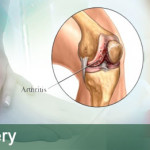
Ankle Arthritis is a condition where the ankle joint cartilage becomes degenerated. The ankle cartilage, which is supposed to be a smooth gliding surface, becomes eroded, coarse and stiff. The ankle joint can become enlarged and full of bone spurs. The ankle joint is responsible for up and down motion of the foot, and is made up of the two leg bones (tibia and fibula) and one foot bone (talus). Ankle arthritis can be painful and interferes with everyday life.
Patients with ankle arthritis have varying degrees of symptoms, which often correlate with the extent of the arthritic degeneration. Typically the symptoms involve pain, swelling and stiffness. Arthritic pain may flare after periods of inactivity (such as getting out of bed in the morning, or after a standing up after a sitting for a while). As the joint loosen up with activity, the pain may decrease as the day progresses. The pain may be deep and intense to superficial and achy.
Movement of an arthritic ankle joint can result in a clicking or grinding sensation, medically known as crepitus. In more advanced cases, the ankle joint develops bone spurs (aka arthritic bone spurs) – which is the body’s mechanism for blocking the painful arthritic motion.
Patients with ankle arthritis seek treatment for some, if not all, of the following reasons: pain, interfering with simple walking, affecting activities, grinding sensation in ankle, enlargement of the ankle, swelling, and/or a change in the structural architecture of the ankle and/or foot.
Depending on your overall health, symptoms and severity of the ankle arthritis, treatment can be conservative and/or with surgery.
You can most definitely choose hotels as per your convenience to you and your budget.
You can talk to the doctor and satisfy all your medical queries. You can also send us your queries for answers from the top doctors.
To know about the procedure of getting an Indian Medical Visa, please go to our website where you will find all the details regarding the initial procedure. You can also send us a query regarding the same.
Many hospitals in India have language translators to help you communicate better and effortlessly with the doctors and medical staff.

Metatarsal Surgery-Things to Consider While Undergoing This Surgery in India
Planning Your MedicaTrip to India?
Joint Replacement Surgery Hospital India makes it simple:
- Fill in our enquiry form — our executive will contact you shortly.
- Call us anytime: +91-9860432255
- Complete surgery details are available on our website.
Metatarsal Surgery Overview
Any injury or deformity found in one of the five metatarsal bones (the big size bones seen behind on your each toe) can give you certain pinching pain, which in turn make the walking a difficult thing to do along with finding a number of other symptoms. Once you find the problems do not really responding to a number of non invasive treatment options including the physical therapy or any kind of therapeutic foot supports then the surgical options like metatarsal surgery becomes the mandatory treatment choice for one and all. This surgery also involves re-setting a number of metatarsal bones, pinning a number of bones over the place along with allowing the surgical site to get healed. Once you find the foot getting healed from this surgery, the patients are often seen as experiencing the relief from the pain and thus improving upon the functionality of the foot.
Reasons for Metatarsal Surgery
The metatarsal surgery is carried out for a number of reasons; however, it is more done for fixing the following conditions and problems found in the foot, which are as under:
- Fixing the Bunion deformities
- Calluses found over the bottom seen over the foot or the ball found in your foot.
- Fix all the foot problems that bring in due to the ailment of rheumatoid arthritis, diabetes, and several other kinds of diseases.
- Fixing a number of Metatarsal fractures
Check out the Patient Testimonial, where the patient shares about their success stories from treatments through Joint Replacement Surgery Hospital India.
Hello, I am Mike from the USA. I got a metatarsal surgery through Joint Replacement Surgery in India. I was in trouble with the bike pinning my foot underneath that lead to severe swelling and purple color in my leg. The doctor at my native place reviewed my X-rays and explained me the necessity to undergo the surgery to repair my injuries. However, I was skeptical to undergo this surgery due to its expensiveness. My daughter started searching for an affordable priced treatment and came to know about this surgery group in India. After contacting them and availing their free consultation, we had the discussions over the phones and mails, including the exchange of detailed information about the treatment plan. They helped with travel arrangements and medical visa letters. We were escorted to the hospital from the airport by an official who came to receive us. The surgeon once again explained me about the surgery. He was a compassionate and caring person. His staff was well-trained, considerate and quite friendly. My surgery went well and I am still recuperating. I want to appreciate the efforts, care and support of your surgery group, during my entire trip.
Metatarsal Surgery Procedure & Recovery
This Metatarsal Surgery is usually carried out using outpatient procedure when the patient is given anaesthesia, which is generally through general anaesthesia or intravenous sedation. After the patient is given the general anaesthesia, the surgeon is seen starting up the procedure by incision over the skin simply behind the toe, thereby simply accessing the metatarsal bone. He is then seen incising the bone; the places are seen in the proper position and the pins over the place using a metal screw or pin. Finally the surgeon is seen carrying out the incisions. The surgeon may be seen removing any kind of foot calluses and thus correcting any kind of issues if it required. After the surgery a number of patients have to wear a cast and thus seen using crutches for around 6-8 weeks and the skin and bone tissues are recovered. The patients can resume a number of normal activities once you find the surgical site is recovered completely. If you are diagnosed with any kind of metatarsal condition or injury, better consult a competent doctor to get things done the right.
Are you looking for Affordable Cost of Metatarsal Surgery in India?
Please enquire with us Get a “No Obligation Quote”
Why Choose an Indian Hospital for Metatarsal Surgery?
When it comes to choosing the best destination for healthcare services, India is at the top for a number of medical treatments including Metatarsal surgery. Thanks to the high end Indian hospitals, catering Metatarsal surgical procedures. These hospitals and medical centres are equipped with one of the best and state of the art facilities, which play a vital role in fixing the medical ailment with ease and professionalism. These Indian hospitals, catering Metatarsal surgery and other treatments have one of the best surgeons and doctors who are competent enough to fix things right. These medical professionals are highly competitive in terms of experience and expertise, which make the difference in fixing the medical ailment once for all.
Metatarsal Surgery Cost in India
When it comes to the cost of Metatarsal Surgery in India, no other developed nations can beat it. In fact The Metatarsal Surgery Cost in India has been one of the important USPs once you compare it with the developed countries. The Metatarsal Surgery Cost in India is comparatively lower than the cost for the same surgery in the developed nations.
If you are really seeking for Metatarsal Surgery, kindly fill up the form for a free consultation with our surgeons. You will be provided with thorough analysis and suggestions regarding the Metatarsal Surgery you are seeking.
Listen to the Voices of Our Happy Patients
FAQ’s
Patients with rheumatoid arthritis may require surgery of the metatarsals.
The time required to be off work will vary with the demands of the person’s job. A minimum of one week off work would be advisable with the patient staying at home with the foot elevated above the heart.
You can most definitely choose hotels as per your convenience to you and your budget.
You can talk to the doctor and satisfy all your medical queries. You can also send us your queries for answers from the top doctors
To know about the procedure of getting an Indian Medical Visa, please go to our website where you will find all the details regarding the initial procedure. You can also send us a query regarding the same.
Many hospitals in India have language translators to help you communicate better and effortlessly with the doctors and medical staff.
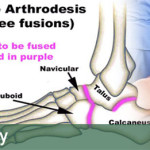
Triple Fusion or Arthrodesis What To Expect While Undergoing This Procedure in India
Planning Your MedicaTrip to India?
Joint Replacement Surgery Hospital India makes it simple:
- Fill in our enquiry form — our executive will contact you shortly.
- Call us anytime: +91-9860432255
- Complete surgery details are available on our website.
What is Triple Fusion (Arthrodesis)?
Triple Fusion (Arthrodesis) is a surgical operation, which is mean to address a number of foot pain and deformity. This procedure simply fuses their joints over the back of the foot. All these joints are the talonavicular, subtalar and calcaneocuboid. The surgeons often avoid the fusions, however, considering the severe kind of deformity and pain, the triple fusion in considered along with getting the better alignment. The procedure of triple fusions also helps in improving upon the stability and thus allow for simpler and easier standing and walking. The triple fusion is among the time tested and durable procedures found to fix the pain and deformity found in the legs.
Types of Triple Fusion
There are two types of triple fusion, which are as under:
1) Open Fusion: In this procedure, two cuts are made, one over the outer side of the foot, while the other is over the inner side. Generally, these are about 4 to 5 cm in length. Each of the three joints are seen opened up along with the joint surfaces that are removed in required.
2) Arthroscopic Fusion: In this procedure, the joints are often prepared over the keyhole fashion. This procedure is not often a feasible option in most of the cases, but come along with low risks or complications.
What Signs Indicates the Need of this Procedure?
Triple fusion can be considered like a salvage surgical option and is considered only after other options are not required. The basic objective of this surgery is to reduce the pain, fix the underlying deformities and get back a stable platform for ambulation. In conditions wherein fewer fusions/soft tissue procedures can suffice, the procedure of triple fusion is avoided. This is due to the presence of long term complications attached to it. The basic indications for the procedure are as under:
- Valgus foot deformities that fail to get adequately braced
- The failing Pes planovalgus deformity
- Advanced tibialis posterior tendon dysfunction
- Tarsal coalition
- Rheumatoid arthritis
- Degenerative arthritis
- Post traumatic arthritis
- Chronic pain
- Varus foot deformities that cannot be adequately braced
- Cavus and cavovarus
- Talipes equinovarus
- The Joint instability
- Neuromuscular disease
Check out the Patient Testimonial, where the patient shares about their success stories from treatments through Joint Replacement Surgery Hospital India.
Hi, my name is Charles from Nigeria. I got triple fusion or arthrodesis through Joint Replacement Surgery Hospital in India. My doctor referred me to India for this surgery due to the post traumatic arthritis. I appreciate the surgeon and his staff in India for their dedication in fixing my foot. I felt very comfortable in your care. I appreciate your calls to see how things were going and also helping us with the travel issues of being so far away. I am completely impressed with the treatment and care I received at the hospital in India. The surgery went well. My recovery progressed just as it was explained to me and the office staff were knowledgeable and patient. I would recommend him to anyone.
Triple Fusion (Arthodesis) Procedure
This procedure comprises of a surgical fusion of the three joints found in foot, which include the talocalcaneal (TC), calcaneocuboid (CC) and talonavicular (TN). One of the basic objectives of this procedure is to get rid of the pain due to this condition and fix the unstable joints. The surgery involves removing the degenerative joints and thus fixes these joints in a right way together with an objective that bone would grow all over the fused joints. All the joints would then be seen rigid without having any pain. This is really vital as it helps in reducing the normal movement, though this can be often being lost owing to the arthritis. The surgery is carried out by making an incision of 7 cm either side of the ankle and hind foot. The arthritis joint surfaces are simply cut out while the joints are fixed in a right ways using the screws. The surgery takes around two hours to complete.
Recovery
After the surgery, the leg of the patient would be immobilised over the backslap for around two weeks. The elevation of your foot for around ten days and is very much vital for infection prevention. You would need small walks and standing postures, however, you shouldn’t lift weights for at least for six weeks. The back slab is removed and then the stitches are taken out after two weeks. After three months, you need to go for a review with your surgeon, which will be carried out with X rays. If everything goes perfect, then you are free to walk and get back to your usual activities. However, if any problem is noticed, you would take time to fix them.
Are you looking for Affordable Cost of Triple Arthrodesis Surgery in India?
Please enquire with us Get a “No Obligation Quote”
Why Choose an Indian Hospital for Triple Fusion (Arthodesis) Procedure?
The Triple Fusion (Arthodesis) Procedure Speciality hospitals in India are competent in terms of treating the patients suffering from this ailment the best. These hospitals are equipped with ultra modern facilities comprising of one of the most modern kind of operating chambers and labs that helps in giving the best prevention measures and surgical options for these ailments. The hospital staff comprising of doctors, surgeons and nursing staff are highly competitive and known for their skills and experience in treating a wide range of ailments with professionalism and care. All these factors propel the influx of medical tourists coming to India for Triple Fusion (Arthodesis) Procedure in India along with other medical ailments.
Triple Fusion (Arthodesis) Procedure Cost in India
In terms of cost, India is simply the best. The Triple Fusion (Arthodesis) Procedure Cost in India is economically priced as compared to the cost for the same in the US. The huge cost difference gives the global patients enough reason to flock to India for the Triple Fusion and other treatment options.
If you are really seeking for Triple Fusion or Arthrodesis, kindly fill up the form for a free consultation with our surgeons. You will be provided with thorough analysis and suggestions regarding the Triple Fusion or Arthrodesis you are seeking.
Listen to the Voices of Our Happy Patients
FAQ’s
Yes, you can expect some degree of stiffness in your foot as a result of the surgery. You will maintain up-and-down motion, but side-to-side motion will become limited. This will be most noticeable on uneven surfaces but is usually a good trade-off for reasonable pain relief, improved stability and/or deformity correction.
You can generally expect to return to most activities in life, but the stiffness in side-to-side motion will limit sports participation.
A significant amount of healing will occur in the first three months. However, it takes about one year for maximum improvement.
As one part of the foot is made stiffer, other structures are forced to accept more stress, which increases the chances that they may wear out. This often takes many years or decades to become noticeable.
Generally, showering is allowed once all wounds have healed. This usually takes place within the first two to four weeks depending on swelling and soft-tissue health.
Typically, patients fit into a shoe after surgery better than before surgery.
Partial weight bearing typically is allowed once the incisions have healed. Full weight bearing generally takes between two and four months.
You can most definitely choose hotels as per your convenience to you and your budget.
You can talk to the doctor and satisfy all your medical queries. You can also send us your queries for answers from the top doctors.
To know about the procedure of getting an Indian Medical Visa, please go to our website where you will find all the details regarding the initial procedure. You can also send us a query regarding the same.
Many hospitals in India have language translators to help you communicate better and effortlessly with the doctors and medical staff.

Why You Should Consider Bunion Removal Surgery in India
Planning Your MedicaTrip to India?
Joint Replacement Surgery Hospital India makes it simple:
- Fill in our enquiry form — our executive will contact you shortly.
- Call us anytime: +91-9860432255
- Complete surgery details are available on our website.
What is Bunion Removal Surgery in India?
A bunion can be called as a bony bump, which forms over the base of your big size toe wherein it forms in a group having a foot bone known as the first metatarsal. You big size toe simply points out excessively towards your second tow while you have a bunion. The bunion can be called as a foot deformity, which comprises of both soft and bone tissues. These can be really chronic, which are only caused due to wearing constantly the too narrow shoes. Continue reading