
 +91-9860432255
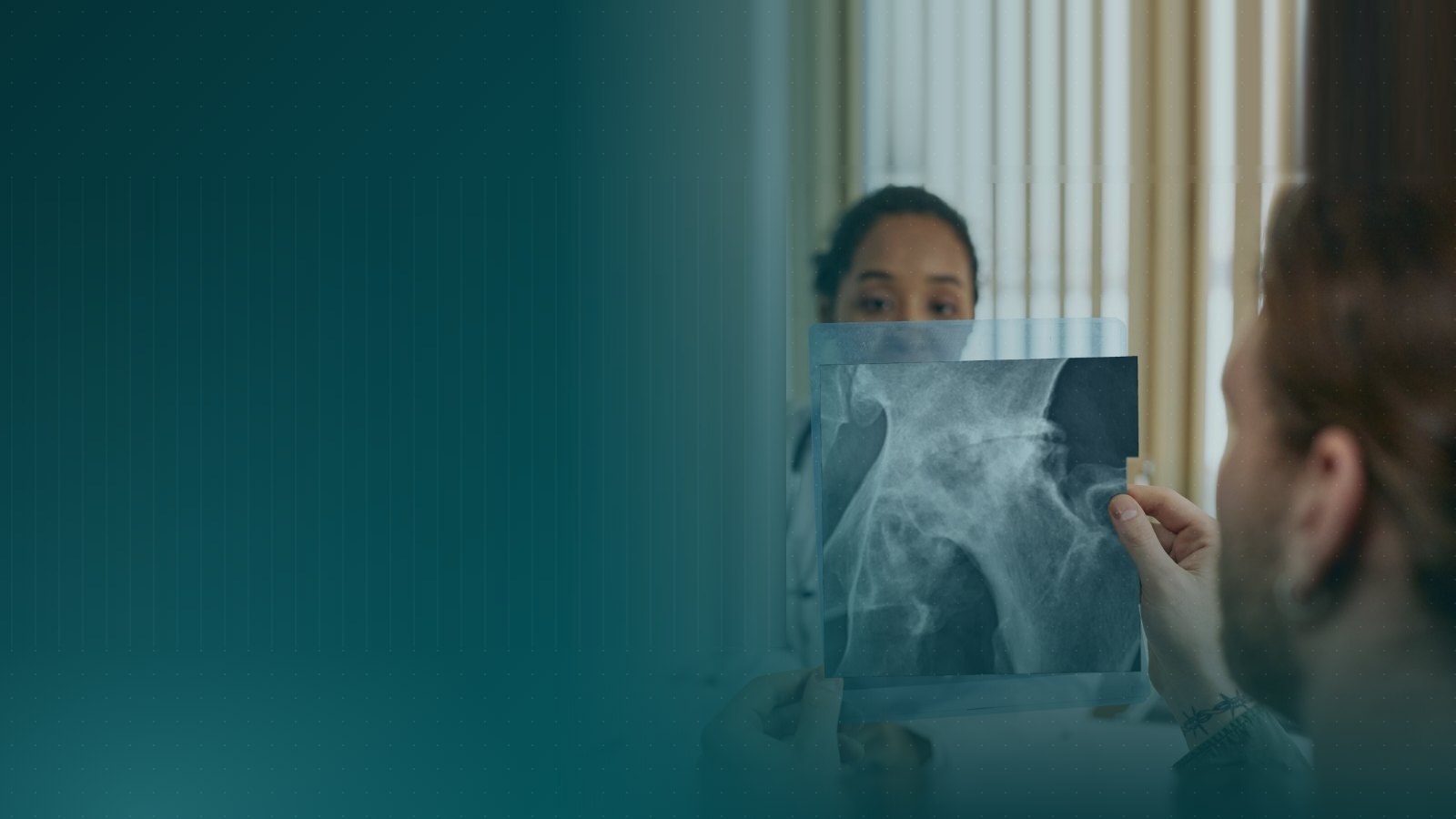
Because shoulder pain can arise from the rotator cuff, labrum, biceps tendon, cartilage, capsule, acromioclavicular joint, fractures or nerves, accurate diagnosis is essential before choosing an operation. Many shoulder disorders improve without surgery. Physiotherapy, activity modification, medication and selected injections can be effective when there is no urgent structural problem. Surgery becomes more relevant when a repairable tendon or labral injury remains disabling, instability recurs, fracture anatomy requires reconstruction, arthritis causes severe pain and loss of function, or previous surgery has failed. For an international patient considering India, the key decision is therefore not simply whether a procedure can be done arthroscopically. The surgeon should explain the pain generator, tissue quality, repairability, bone loss, arthritis severity, implant requirement, rehabilitation duration and realistic functional goals before travel. If you have been told that you need shoulder surgery, or that a joint replacement is the next step, you may be weighing a major decision with limited information. This guide is designed to help you understand which operation matches which problem, ask sharper questions, compare quotations fairly and plan the whole journey, including the months of rehabilitation that follow, so that your decision rests on your diagnosis and not on a price or a technology label.
Short Answer: Is India a Good Option for Shoulder Surgery?
For well-selected patients, yes. Major Indian hospitals offer experienced shoulder and sports surgeons, advanced arthroscopy, 3D planning and modern replacement implants, often at a fraction of private self-pay prices in the USA, UK and Australia (see the cost table later in this guide). But the right operation depends entirely on the diagnosis: a small arthroscopic procedure cannot reverse end-stage arthritis, and a joint replacement should not be used for a repairable tendon or instability problem. Shoulder surgery is also only half the job; rehabilitation over several months decides the result, so you need a written protocol and a plan for physiotherapy at home. The best first step is a remote review of your MRI or CT images before you book any travel.
Shoulder surgery covers a wide spectrum of problems, from minimally invasive arthroscopic repair in young athletes to complex reverse shoulder replacement and revision reconstruction in older patients.
Table of Contents(Quick Browse)
- Part 1: Why India, and understanding the shoulder
- Part 2: Diagnosis, examination and imaging
- Part 3: Rotator cuff, biceps and labral problems
- Part 4: Shoulder instability
- Part 5: AC joint, frozen shoulder, arthritis and replacement
- Part 6: Fractures and sports injuries
- Part 7: Surgical technique, implants, technology and anaesthesia
- Part 8: Hospital stay, rehabilitation and outcomes
- Part 9: Risks, revision surgery and optimisation
- Part 10: Choosing your surgeon, hospital and city
- Part 11: Cost, packages and quotations
- Part 12: Your journey: records, travel, visa and going home
- Part 13: Tools: questions, candidacy, FAQ and checklist
- Frequently Asked Questions
- Checklist
- Sources
Quick Facts - Shoulder Surgery for International Patients in India
| Topic | International-Patient Planning Point |
|---|---|
| Common operations | Rotator cuff repair, Bankart repair, Latarjet, labral/biceps surgery, decompression, fracture fixation and shoulder replacement |
| Arthroscopy | Useful for many cuff, labral, instability and biceps procedures; not a solution for end-stage joint arthritis |
| Replacement types | Anatomic total shoulder replacement, reverse shoulder replacement and selected hemiarthroplasty |
| Anatomic vs reverse | Anatomic replacement generally needs a functional rotator cuff; reverse replacement can restore function when the cuff is irreparable or in selected complex cases |
| Key imaging | X-rays plus ultrasound/MRI for soft tissues; CT/3D planning when bone loss or replacement anatomy requires it |
| Hospital stay | Often day care/1-2 nights for arthroscopy; roughly 2-5 days for replacement or complex reconstruction |
| India stay | Often 10-21 days after arthroscopy and 2-4 weeks after replacement, individualized |
| Rehabilitation | Critical; tendon and labral healing can require months even when pain improves early |
| India planning cost | Arthroscopy commonly about US$3,000-6,000; cuff/instability reconstruction US$4,000-8,000; replacement about US$7,000-12,000+ |
| Records to send | DICOM MRI/CT, X-rays, reports, injury/surgery history, operative notes and implant details for revision cases |
| Major Indian hubs | Delhi NCR, Mumbai, Bengaluru, Chennai, Hyderabad and other major cities with specialist shoulder programmes |
| Companion | Advisable: one arm is usually immobilized, which makes dressing, bathing and luggage difficult |
Key principle: Shoulder surgery should be matched to the pathology. A small arthroscopic procedure cannot reverse end-stage arthritis, while a joint replacement should not be used for a repairable isolated tendon or instability problem.
How This Guide Is Organised
- Part 1 - Why India, and understanding the shoulder
- Part 2 - Diagnosis, examination and imaging
- Part 3 - Rotator cuff, biceps and labral problems
- Part 4 - Shoulder instability
- Part 5 - AC joint, frozen shoulder, arthritis and replacement
- Part 6 - Fractures and sports injuries
- Part 7 - Surgical technique, implants, technology and anaesthesia
- Part 8 - Hospital stay, rehabilitation and outcomes
- Part 9 - Risks, revision surgery and optimisation
- Part 10 - Choosing your surgeon, hospital and city
- Part 11 - Cost, packages and quotations
- Part 12 - Your journey: records, travel, visa and going home
- Part 13 - Tools: questions, candidacy, FAQ and checklist
Why India, and Understanding the Shoulder
Why Do International Patients Choose India for Shoulder Surgery?
Patients travel for shoulder surgery for practical reasons, and the strongest ones are about reaching an experienced, diagnosis-specific surgeon and an appropriate implant at a price that does not force a compromise on quality:
- Significantly lower cost. Private Indian hospitals often quote a fraction of self-pay prices in the USA, UK, Australia and other high-cost markets (see the cost sections later in this guide, and compare like with like).
- Specialist shoulder and arthroplasty programmes. Major cities have hospitals with sports and arthroscopy surgeons, shoulder replacement teams, advanced imaging and physiotherapy departments.
- Full range of operations. The same centre can usually offer arthroscopic repair, bone-block instability surgery, fracture fixation, anatomic and reverse replacement and revision, so the recommendation is not limited to one technique.
- Modern implants and planning tools. Imported replacement systems, suture-anchor systems and CT-based 3D planning are available at major centres.
- Timely access. Patients whose home system has long waits for elective shoulder surgery can often be scheduled once medically cleared.
- International patient support and English-speaking teams. Major hospitals typically help with appointments, hospital letters for visas, airport pick-up and accommodation guidance.
- One planned journey. A good programme combines remote review, in-person examination, surgery, protected rehabilitation and a handover plan for physiotherapy at home.
Emergencies Are Different
An acute fracture-dislocation, a cold or pulseless hand, rapidly progressive weakness or numbness, or a suspected joint infection needs urgent local treatment. Do not delay emergency care to arrange international travel for an elective operation.
Patient Tip: Low cost should be the beginning of your evaluation, not the end of it. The sections that follow explain how to judge the diagnosis, the repair or implant, the team and the package so that savings do not come at the expense of safety or long-term function.
How Does India Compare with Other Medical Travel Destinations?
Many patients also look at other popular medical-travel destinations before deciding. There is no single best country for every patient; the right choice depends on where you live, your diagnosis and what you can verify about the surgeon and hospital. These are the factors worth comparing:
| Factor | What to compare | How India generally fares |
|---|---|---|
| Cost | The full itemized package, including anchors, grafts or implants, imaging and physiotherapy, not the headline price | Often substantially lower than self-pay pricing in Western countries; compare like with like |
| Surgeon experience | Experience with the exact operation (for example Latarjet, reverse replacement or revision), not just general shoulder work | Major Indian centres treat high volumes; always verify experience with your specific procedure |
| Implants and anchors | Brand, model, number of anchors or components, approvals and revision pathway | Imported systems are widely used; insist on the exact details in writing |
| Rehabilitation | Whether a structured, procedure-specific protocol is provided and who supervises it | Available at major centres; confirm the protocol and your home physiotherapy plan before you commit |
| Language | Whether doctors, nurses and physiotherapists communicate easily with you | English is widely used by medical teams in major Indian hospitals |
| Distance and flight time | Length of the return flight and number of connections, with one arm possibly in a sling | Depends on where you live: relatively close for patients from South Asia, the Middle East and East Africa, and a long-haul journey from the Americas and parts of Europe |
| Visa | Visa type, processing time and attendant rules | India has a dedicated medical visa system with an attendant category; always confirm current rules for your nationality |
| Follow-up | Time zones, teleconsultation and where X-rays or ultrasound will be done at home | Depends on the team; ask for a defined follow-up plan before you commit |
A Fair Way to Compare Destinations
- Ask every destination for the same itemized written estimate (procedure, anchors or implant, graft, hospital nights, physiotherapy, exclusions).
- Compare the clinical plan first and the price second.
- Compare the total trip cost - treatment, flights, accommodation, companion, local transport and a contingency buffer.
- Judge the surgeon and hospital, not just the country or the technology.
- Compare the rehabilitation and follow-up plan: who will supervise your recovery in the months after surgery?
Understanding the Shoulder
The shoulder combines the glenohumeral joint, rotator cuff, labrum, biceps tendon, capsule, scapula and acromioclavicular joint. Its exceptional mobility depends on coordinated soft-tissue stability. Pain location alone does not reliably identify which structure is responsible.
When Shoulder Surgery Is Considered
Surgery is considered when symptoms remain disabling despite appropriate non-operative treatment, when recurrent instability threatens function, when an acute repairable tendon tear needs timely treatment, or when arthritis/fracture has a structural indication for reconstruction. The timing differs greatly between diagnoses.
When Surgery May Not Be the First Step
Many atraumatic cuff disorders, impingement-type symptoms, frozen shoulder and early arthritis improve with rehabilitation and symptom control. Imaging abnormalities can be present in asymptomatic adults. A scan should not be treated instead of the patient.
Matching the Operation to the Problem
As a rough orientation (your surgeon will refine this for your own anatomy), the table shows how the main shoulder problems relate to the main operations discussed in this guide:
| Problem | Operations that may be considered | Key deciding factors |
|---|---|---|
| Repairable rotator cuff tear | Arthroscopic or open cuff repair | Tear size, retraction, muscle quality, age, symptoms |
| Irreparable cuff tear | Partial repair, SCR, tendon transfer, balloon spacer, reverse replacement | Age, arthritis, remaining function |
| Recurrent dislocation | Bankart repair, remplissage, Latarjet | Glenoid and humeral bone loss, sport, recurrence risk |
| Stiff shoulder that does not settle | Manipulation under anaesthesia, arthroscopic capsular release | Duration, severity, response to physiotherapy |
| Arthritis with a working cuff | Anatomic total shoulder replacement | Glenoid bone, cuff integrity |
| Arthritis or arthropathy with a poor cuff | Reverse shoulder replacement | Cuff, bone, age, diagnosis |
| Proximal humerus fracture | Non-operative care, ORIF, reverse or hemiarthroplasty | Age, bone quality, tuberosity anatomy, head viability |
Diagnosis, Examination and Imaging
Clinical Examination
Range of motion, strength, instability, scapular mechanics and specific provocative tests help distinguish cuff, labral, arthritic and neurological problems. Neck disease can mimic shoulder symptoms. A high-quality examination remains important even when MRI is available.
Shoulder X-Rays
X-rays show arthritis, joint-space loss, humeral-head position, fractures, calcification and some bone loss. Specialized views may be required for instability or replacement planning. Standing or standardized shoulder views complement MRI.
Ultrasound
High-quality ultrasound can assess rotator cuff tears, biceps pathology and dynamic impingement and is useful when performed by an experienced operator. It is less comprehensive for some labral, cartilage and bone-loss questions.
MRI and MR Arthrography
MRI evaluates the rotator cuff, muscle quality, labrum, biceps, cartilage and bone marrow. MR arthrography can improve assessment of selected labral or subtle instability lesions. Actual images should be reviewed, not only the written report.
CT and 3D Planning
CT defines glenoid/humeral bone loss, fracture anatomy and version. Three-dimensional planning is increasingly used for shoulder replacement and complex instability reconstruction. Patient-specific guides or navigation can be used in selected replacement workflows.
Which Test Answers Which Question?
| Test | Best at showing | Limitations |
|---|---|---|
| X-ray | Arthritis, joint-space loss, fractures, humeral-head position, calcification | Does not show tendon or labrum |
| Ultrasound | Cuff tears, biceps, dynamic impingement | Operator dependent; less complete for labrum, cartilage and bone loss |
| MRI / MR arthrogram | Cuff, muscle quality, labrum, biceps, cartilage | Findings can be age-related and symptomless |
| CT / 3D CT | Glenoid and humeral bone loss, fracture anatomy, version | Radiation; soft tissue detail is limited |
Patient Tip: Before you travel, ask the surgeon which of your existing scans will be accepted and which will need repeating in India. Sending the images (DICOM) rather than only the reports often avoids duplicate imaging.
Take the First Step Today
Start with your scans, not a flight booking.
Send your records to: enquiry@
Rotator Cuff, Biceps and Labral Problems
Rotator Cuff Tears
The rotator cuff can tear through degeneration or trauma. Symptoms include pain, weakness and loss of overhead function, but some tears are asymptomatic. Treatment depends on age, symptoms, tear size, retraction, muscle quality, chronicity and functional demand.
When Rotator Cuff Repair Is Considered
Repair is more strongly considered for symptomatic full-thickness tears, traumatic tears in active patients, progressive weakness or persistent symptoms despite rehabilitation. Massive chronic tears with advanced muscle degeneration may not be repairable. Early review is useful after acute traumatic weakness.
Arthroscopic Rotator Cuff Repair
Through small portals, the tendon is mobilized and reattached to the humeral head with suture anchors. Single-row, double-row or other constructs are chosen according to tear pattern and tissue quality. The biological tendon-to-bone healing period is more important than incision size.
Partial-Thickness Rotator Cuff Tears
Treatment ranges from rehabilitation and injections to debridement or repair depending on depth, location, symptoms and failure of conservative treatment. Not every partial tear requires repair.
Massive and Irreparable Rotator Cuff Tears
Options can include partial repair, debridement/biceps procedures, tendon transfer, superior capsular reconstruction, balloon spacer in selected settings or reverse shoulder replacement depending on age, arthritis and function. No single procedure is appropriate for every irreparable tear.
Superior Capsular Reconstruction
SCR uses graft tissue to restore superior stability in selected irreparable cuff tears without advanced arthritis. Results depend on patient selection, graft integrity and remaining muscle function. It is not a substitute for reverse replacement when cuff-tear arthropathy is advanced.
Tendon Transfer
Latissimus dorsi or lower trapezius transfer and other techniques can restore selected force couples in younger active patients with irreparable cuff deficiency and preserved joint cartilage. These are specialized reconstructions with prolonged rehabilitation.
Subacromial Decompression
Acromioplasty or decompression may be performed as part of selected procedures, but routine decompression for nonspecific impingement pain without a clear structural indication is not automatically beneficial. The primary pathology should drive surgery.
Biceps Tendon Surgery
Biceps tenotomy releases the tendon; tenodesis re-fixes it to the humerus. These procedures can treat selected biceps pathology or accompany cuff/labral surgery. Age, activity, cosmetic concerns and cramping risk influence the choice.
SLAP Tears
Superior labral tears require careful interpretation because MRI changes can be age-related and asymptomatic. Young overhead athletes differ from middle-aged patients with degenerative labral changes. Repair, biceps tenodesis or non-operative treatment is selected according to age and pathology.
Shoulder Instability
Recurrent Shoulder Dislocation
Repeated dislocation can damage the labrum and produce glenoid or humeral bone loss. The probability of recurrence is particularly important in young contact athletes. Treatment must quantify bone loss rather than simply repair the labrum.
Bankart Lesion and Arthroscopic Repair
A Bankart lesion is detachment of the anterior-inferior labrum after anterior instability. Arthroscopic Bankart repair can restore soft-tissue stability when bone loss and other risk factors are acceptable. Significant bone loss can make soft-tissue repair alone inadequate.
Hill-Sachs Lesion
A Hill-Sachs lesion is an impaction defect of the humeral head caused by dislocation. Its size and relationship to the glenoid track help determine whether additional treatment is needed. Engaging/off-track lesions can increase recurrence risk.
Remplissage
Remplissage fills a selected Hill-Sachs defect using posterior capsule/infraspinatus to reduce engagement. It is often combined with Bankart repair in appropriate instability patterns. It can slightly affect external rotation in some patients.
Glenoid Bone Loss
Substantial anterior glenoid bone loss increases failure risk after isolated Bankart repair. CT with 3D reconstruction can help quantify loss. Bone-restoring procedures may be required.
Latarjet Procedure
The Latarjet transfers the coracoid with attached tendons to the anterior glenoid, providing bone augmentation and dynamic stability. It is widely used for recurrent instability with significant bone loss or high-risk failure patterns. It is technically demanding and has graft, nerve and hardware-specific risks.
Choosing Between Instability Operations for International Patients in India
| Operation | Typically considered when | Points to discuss |
|---|---|---|
| Arthroscopic Bankart repair | Labral detachment with acceptable bone loss and lower-risk pattern | Recurrence risk in young contact athletes |
| Bankart plus remplissage | Engaging or off-track Hill-Sachs lesion | Possible slight loss of external rotation |
| Latarjet | Significant glenoid bone loss or high-risk failure pattern | Graft, nerve and hardware risks; specialist technique |
Patient Tip: If you have had dislocations, bring a written dislocation history (how many, how they were reduced, any sport involved) together with a CT if bone loss is suspected. This is often the single most useful piece of information for deciding between a soft-tissue repair and a bone-block procedure.
AC Joint, Frozen Shoulder, Arthritis and Replacement
AC Joint Problems
Acromioclavicular arthritis, osteolysis and traumatic separation can cause localized superior shoulder pain. Distal clavicle excision or stabilization is reserved for selected persistent or unstable problems. Many AC injuries are treated non-operatively.
Frozen Shoulder
Adhesive capsulitis causes painful progressive stiffness and often resolves gradually. Physiotherapy, injections and time are first-line in most cases. Manipulation under anaesthesia or arthroscopic capsular release is considered for persistent severe stiffness.
Arthroscopic Capsular Release
The contracted capsule is released to restore movement in resistant frozen shoulder. Early postoperative physiotherapy is essential to maintain the gained motion. Surgery is not usually the first treatment.
Shoulder Arthritis
Glenohumeral arthritis causes pain, stiffness and loss of function. When symptoms become severe despite conservative care, replacement can provide substantial relief. The rotator cuff and glenoid bone determine which replacement is appropriate.
Anatomic Total Shoulder Replacement
Anatomic replacement resurfaces the humeral head and glenoid while preserving normal ball-and-socket orientation. It generally requires a functional rotator cuff. It is commonly used for primary osteoarthritis with suitable cuff and bone.
Reverse Shoulder Replacement
Reverse replacement switches the geometry so the deltoid can elevate the arm with less dependence on the rotator cuff. It is used for cuff-tear arthropathy, many irreparable cuff situations, selected fractures, revisions and other complex conditions. It has transformed treatment for previously difficult shoulder problems but has its own complication profile.
Anatomic vs Reverse Replacement
The choice is driven by rotator-cuff integrity, glenoid/humeral bone, deformity, age, instability and diagnosis. Reverse replacement should not be chosen merely because it is newer. Preoperative CT planning is often valuable in complex glenoid anatomy.
| Feature | Anatomic replacement | Reverse replacement |
|---|---|---|
| Geometry | Normal ball-and-socket orientation preserved | Ball and socket switched so the deltoid can elevate the arm |
| Rotator cuff | Generally needs a functional cuff | Less dependent on the cuff |
| Typical use | Primary osteoarthritis with suitable cuff and bone | Cuff-tear arthropathy, irreparable cuff, selected fractures, revisions, complex conditions |
| Characteristic risks | Subscapularis or cuff failure, glenoid loosening | Scapular notching, acromial/scapular-spine stress fracture, instability |
| Rehabilitation | Protects subscapularis healing | Different protocol; relies on the deltoid |
Hemiarthroplasty
Hemiarthroplasty replaces the humeral side only. Its role has narrowed as total and reverse replacement have evolved but it remains useful in selected fractures and other situations. The untreated glenoid can remain a source of pain in arthritis.
Shoulder Resurfacing
Resurfacing preserves more humeral bone in selected patients but does not address all glenoid or cuff pathology. Its role is limited and case-specific. Long-term revision strategy should be considered.
Fractures and Sports Injuries
Proximal Humerus Fractures
Fractures near the shoulder range from minimally displaced injuries treated without surgery to complex displaced patterns requiring fixation or replacement. Age, bone quality, tuberosity anatomy and head viability determine treatment.
ORIF for Proximal Humerus Fracture
Open reduction and internal fixation uses plates/screws or other constructs to restore anatomy when the fracture is reconstructable. Osteoporotic bone and complex patterns increase fixation failure risk. Not every displaced fracture benefits from surgery.
Reverse Replacement for Fracture
Reverse shoulder arthroplasty is increasingly used for selected complex proximal humerus fractures in older patients when reliable fixation/healing is doubtful. Tuberosity healing can still influence rotation and function.
Shoulder Fracture-Dislocation
Combined fracture and dislocation requires urgent specialist assessment because of nerve, vascular and humeral-head viability concerns. Treatment may range from fixation to replacement depending on damage.
Time Matters After an Acute Injury
For a fresh fracture or fracture-dislocation, treat the first priority as safe local emergency care. If you are considering India for definitive surgery, send your imaging for remote review early, because timing can influence the choice of treatment.
Sports Injuries
Throwing, swimming, racquet and contact sports create different instability, labral and cuff patterns. Surgery should be tailored to sport-specific demands and return-to-play goals. Athletes need rehabilitation beyond simple pain relief.
Surgical Technique, Implants, Technology and Anaesthesia
Arthroscopic Shoulder Surgery
Arthroscopy allows visualization and treatment through small portals. It is useful for cuff repair, instability, labral/biceps procedures, stiffness and selected cartilage problems. Small incisions do not mean the internal repair has healed quickly.
Open Shoulder Surgery
Open surgery remains appropriate for replacement, fracture reconstruction, Latarjet in many programmes, tendon transfers and complex revision. Some procedures can be performed open or arthroscopically. Approach should be chosen for safety and reproducibility rather than cosmetic incision size.
Implants and Suture Anchors
Arthroscopic repairs use anchors and high-strength sutures; replacement uses humeral and glenoid components. Implant material and fixation differ by manufacturer. Patients should receive implant records before returning home.
Cemented vs Press-Fit Fixation
Shoulder replacement components may use cemented or uncemented fixation depending on implant, bone quality and anatomy. Hybrid combinations are common. Fixation strategy should be individualized rather than selected by age alone.
Glenoid Bone Loss in Replacement
Severe glenoid erosion complicates replacement and may require augmented components, bone graft, customized planning or reverse reconstruction. CT-based 3D planning is especially useful.
Computer Planning and Patient-Specific Guides
Three-dimensional software can simulate component position and select implant size. Patient-specific guides may transfer the plan to surgery. Planning technology improves execution but does not replace correct implant indication.
Navigation and Mixed Reality / Robotics
Navigation and emerging guidance technologies can assist glenoid component positioning in selected centres. Shoulder robotics is less established than knee/hip robotics and availability varies. Technology should be evaluated by clinical value, not branding.
Regional Anaesthesia
Interscalene nerve block can provide excellent postoperative analgesia for many shoulder procedures. It may temporarily affect the diaphragm and is used cautiously in patients with limited respiratory reserve. General anaesthesia is often combined with regional techniques.
Choosing and Documenting Your Implants and Anchors for International Patients in India
Because the details of what is placed in your shoulder matter for future care, ask the surgical team to record them in writing:
- The type, brand and number of suture anchors used in a repair
- The graft or bone-block material, if one is used
- For replacement, the brand, model, size and fixation (cemented or press-fit) of each component, and whether any augment or bone graft was needed
- Whether CT-based planning or patient-specific guides were used
- Implant stickers and an implant card, plus a copy of the operative report, to take home
These records make any future revision, imaging or airport-security query much simpler.
Hospital Stay, Rehabilitation and Outcomes for International Patients in India
Hospital Stay
Many arthroscopic procedures are day-care or require one night; complex repair can require longer. Replacement commonly requires around 2-5 days depending on protocol and medical status. International patients may remain near the hospital after discharge.
Sling Use
A sling protects tendon, labral or replacement tissues during early healing. Duration depends on the procedure and tissue quality. Excessive immobilization can contribute to stiffness, so the rehabilitation protocol balances protection and movement.
Rehabilitation After Rotator Cuff Repair for International Patients in India
Passive motion often begins before active strengthening, with progression determined by tear size and repair security. Tendon healing takes months. Feeling better early does not mean the repair is ready for heavy lifting.
Rehabilitation After Instability Surgery for International Patients in India
Early motion is restricted to protect the labrum or bone block, followed by progressive range, strength and sport-specific training. Return to collision sport is substantially later than return to daily activities. Recurrent instability risk depends on healing and sport exposure.
Rehabilitation After Shoulder Replacement for International Patients in India
Patients begin protected motion early, then progress to active movement and strengthening according to implant type and soft-tissue repair. Reverse and anatomic protocols differ. Subscapularis healing is important after many anatomic approaches.
Preparing Your Shoulder and Yourself Before Surgery (Prehab)
Good preparation before travel can make early recovery smoother. Check each item with your surgeon, because the right preparation depends on your diagnosis:
- Keep the joint as mobile as is comfortable. Gentle range-of-motion work, as advised by your physiotherapist, can limit stiffness before surgery.
- Keep the rest of the body active. Walking and general conditioning help circulation and recovery, particularly before a long flight.
- Stop nicotine in all forms well before surgery, as it impairs tendon-to-bone healing and wound biology.
- Optimise diabetes, blood pressure and other conditions with your own doctor, and share your medicine list, including blood thinners and anti-inflammatory tablets.
- Practise one-armed living. Rehearse dressing, bathing, eating and sleeping semi-upright with the arm supported, so the first weeks are less of a shock.
- Organise help. Arrange a companion in India and practical help at home for the weeks after you return.
- Line up your home physiotherapist and share the protocol with them before you travel if possible.
Around the Operation: What to Expect
| Stage | What usually happens |
|---|---|
| Arrival and assessment | In-person examination, review of images, any updated imaging, medical and anaesthetic clearance, and final consent discussion |
| Surgery day | Anaesthesia, often general combined with an interscalene block; the shoulder is operated on, and a sling is fitted |
| Hospital stay | Pain control, wound checks, first physiotherapy instructions; day care or 1-2 nights for many arthroscopic procedures, around 2-5 days for replacement or complex reconstruction |
| First weeks in India | Protected rehabilitation, wound review, post-operative imaging where relevant and guided early movement according to the protocol |
| Before leaving | Fit-to-fly clearance, written protocol, implant and anchor record, medication plan and follow-up schedule |
Daily Living With One Arm Protected
- Sleeping semi-upright, with the arm supported, is often more comfortable early on
- Loose, front-opening clothing is easier to put on and take off
- Do not lift suitcases, bags or children with the operated arm
- Skin care under the sling and axilla matters; follow the wound instructions you receive
- Ask when driving, desk work and bathing are safe for your specific operation
Expected Outcomes After Rotator Cuff Repair for International Patients in India
Pain and function often improve substantially when a repair heals, but structural re-tear risk rises with larger tears, older age and poor muscle/tendon quality. A re-tear does not always mean clinical failure, but it can affect strength.
Expected Outcomes After Instability Surgery
Successful stabilization can markedly reduce recurrent dislocation and restore confidence, but recurrence risk is higher in young contact athletes and when bone loss is under-treated. Procedure selection is central to outcome.
Expected Outcomes After Shoulder Replacement
Replacement can provide major pain relief and functional improvement. Anatomic replacement relies more on the cuff; reverse replacement can improve elevation despite cuff deficiency. Range of motion may remain below a normal unoperated shoulder.
Implant Longevity
Modern shoulder replacements are designed for long-term use, but no implant is guaranteed for life. Age, activity, component position, bone, cuff function and infection influence survival. Younger patients should understand future revision possibility.
Planning Shoulder Surgery in India?
Get Your Shoulder Scans Reviewed First
Send your records to: enquiry@
Risks, Revision Surgery and Optimisation for International Patients in India
Complications of Arthroscopy
Potential complications include infection, stiffness, nerve injury, repair failure, recurrent instability, anchor problems and persistent pain. Risk varies by procedure and patient.
Complications of Shoulder Replacement
Risks include infection, dislocation/instability, fracture, nerve injury, component loosening, glenoid failure, cuff/subscapularis failure and stiffness. Reverse replacement also has risks such as scapular notching and acromial/scapular-spine stress fracture.
Periprosthetic Joint Infection
Shoulder replacement infection can involve organisms such as Cutibacterium acnes that may present subtly. Diagnosis may require aspiration, inflammatory tests and multiple cultures. Treatment can require debridement, component exchange or staged revision.
Shoulder Replacement Dislocation
Instability can occur after anatomic or reverse replacement due to soft-tissue, component or mechanical factors. Management ranges from closed reduction to revision. Recurrent instability requires identification of the cause.
Acromial Stress Fracture After Reverse Replacement
The deltoid is mechanically important after reverse replacement, and stress fractures of the acromion or scapular spine can occur. Treatment depends on displacement and function. Sudden new pain after initial improvement should be evaluated.
Revision Shoulder Surgery
Revision may be required for infection, loosening, instability, fracture, failed cuff repair, failed instability surgery or implant wear. Revision is more complex because of scar tissue and bone loss. Prior operative notes and implant records are particularly valuable.
Revision Rotator Cuff Repair
Re-tear management depends on tendon mobility, muscle quality, symptoms and patient age. Options include revision repair, reconstruction, tendon transfer or reverse replacement. MRI should assess muscle atrophy and fatty change, not only tear size.
Revision Instability Surgery
Failed Bankart repair requires reassessment of glenoid and humeral bone loss, capsular quality and sport demands. Latarjet or other bone reconstruction may be required. Repeating a soft-tissue repair without correcting bone loss can fail again.
Revision Shoulder Replacement
Revision can involve component exchange, bone grafting or conversion from anatomic to reverse replacement. Infection and severe bone loss may require staged reconstruction. Specialized revision expertise and implant availability are important.
Diabetes and Shoulder Surgery
Poor glucose control increases infection and wound risk and is associated with stiffness in some shoulder conditions. Optimization is important before elective surgery. Diabetic frozen shoulder can be particularly resistant.
Obesity and Shoulder Surgery
Obesity can increase anaesthetic, wound and rehabilitation challenges, though it is not an automatic contraindication. Risk should be individualized. Functional goals and safe postoperative mobility should be planned.
Smoking
Smoking impairs tendon-to-bone healing and wound biology. Stopping nicotine before and after cuff repair is strongly advisable. Cessation is part of surgical optimization.
Choosing Your Surgeon, Hospital and City for International Patients in India
Choosing a Shoulder Surgeon for International Patients in India
Choose diagnosis-specific expertise: sports/arthroscopy, complex instability, shoulder arthroplasty and revision reconstruction require different skill sets. Ask about annual volume of the proposed operation. A surgeon who performs both preservation and replacement can offer a more balanced treatment discussion.
Choosing the Hospital
Look for advanced imaging, experienced anaesthesia, arthroscopy equipment, implant inventory, infection-control systems, physiotherapy and revision support. Complex replacement should have CT planning and bone-loss options. International coordination should complement, not replace, clinical expertise.
Major Shoulder Treatment Hubs for International Patients in India
Delhi NCR, Mumbai, Bengaluru, Chennai, Hyderabad and other major cities have specialist shoulder and arthroplasty programmes. The most appropriate destination depends on diagnosis and surgeon expertise. Remote image review should occur before travel.
Warning Signs of an Unreliable Offer
Medical travel works best when the information you receive is specific, itemized and clinically sensible. Be cautious if you see any of the following:
Red Flags
- A fixed price quoted without any review of your MRI, CT or X-ray images
- A joint replacement or an arthroscopy recommended for everyone, with no discussion of non-operative care or alternatives
- Promises of a cure, a 'risk-free' operation or a guaranteed return to sport
- No exact implant, anchor or graft details named in writing
- For instability, no assessment of glenoid and humeral bone loss before a soft-tissue repair is proposed
- Reverse replacement proposed mainly because it is 'the latest', without a rationale based on your cuff and bone
- Pressure to decide or pay quickly for a condition that is not an emergency
- No itemized estimate, or no clarity about exclusions, complications and revision
- No written rehabilitation protocol, and no plan for physiotherapy after you return home
What a Good International Patient Service Should Provide
A well-run programme should make the journey easier at every stage:
- A named coordinator and a direct line to the clinical team before you travel
- Review of your actual DICOM images and records by the surgeon, and a written preliminary opinion that explains the diagnosis, repairability and proposed operation
- Honest discussion of alternatives, including non-operative care, and whether travel is necessary
- An itemized written estimate that states the procedure, number and type of anchors or the exact implant, graft, inclusions and exclusions
- A hospital letter for your medical visa application, and guidance for attendant visas
- Airport pick-up, wheelchair assistance and accommodation near the hospital and physiotherapy
- Interpreter support where needed
- A clear discharge summary, operative report, implant or anchor record, sling instructions and written physiotherapy protocol
- A defined follow-up and revision pathway after you return home
Cost, Packages and Quotations for International Patients in India
Indicative Shoulder Surgery Costs for International Patients in India
| Procedure | Broad International-Patient Planning Range |
|---|---|
| Diagnostic / therapeutic shoulder arthroscopy | Approx. US$3,000-5,000 |
| Arthroscopic rotator cuff repair | Approx. US$4,000-7,000 |
| Bankart / labral stabilization | Approx. US$4,000-6,500 |
| Latarjet / bone-block instability surgery | Approx. US$4,500-7,500 |
| Complex cuff reconstruction / SCR | Approx. US$5,000-9,000+ |
| Proximal humerus fracture fixation | Approx. US$4,000-7,500 |
| Anatomic total shoulder replacement | Approx. US$7,000-11,000 |
| Reverse shoulder replacement | Approx. US$8,000-12,000+ |
| Revision shoulder replacement | Approx. US$10,000-18,000+ depending on implants/bone loss |
These are broad planning ranges rather than fixed tariffs. Imported implants, number/type of suture anchors, bone graft/augments, CT-based planning, revision complexity, hospital tier and length of stay can materially change the quotation.
Why Shoulder Surgery Costs Vary
Arthroscopy cost depends on anchors, grafts and procedure complexity. Replacement cost is strongly influenced by implant type, reverse versus anatomic design, glenoid augments, bone graft and whether the case is primary or revision. The exact implant and number of anchors/components should be specified in the quotation.
What the India Package Should Include
Ask for surgeon/assistant, anaesthesia, operating theatre, arthroscopy consumables or replacement implant, planned hospital stay, routine medicines, postoperative X-rays, sling and initial physiotherapy. Clarify whether MRI/CT planning is included. Extended stay, premium implants, grafts, blood products, complications and later physiotherapy may be excluded.
Shoulder Surgery Cost - India vs USA, UK and Australia
For international patients, India is often most cost-competitive when compared with private/self-pay care. Public-system reimbursement figures in other countries should not be compared with a complete Indian private package. The same operation and implant type must be compared.
Shoulder Surgery Cost Comparison by Country
| Representative Procedure | India | USA | UK Private | Australia Private | Approx. India Saving* |
|---|---|---|---|---|---|
| Rotator cuff / instability arthroscopy | $4k-8k | $15k-35k | $10k-20k | $12k-25k | Approx. 20-85% |
| Total / reverse shoulder replacement | $7k-12k+ | $35k-70k+ | $20k-35k+ | $25k-45k+ | Approx. 40-85% |
| Complex revision replacement | $10k-18k+ | $50k-100k+ | $30k-50k+ | $35k-60k+ | Approx. 40-85% |
*Approximate private/self-pay planning comparisons, not guaranteed tariffs. Exchange rates, implant type, grafts, hospital and package inclusions affect both the price and percentage saving.
Budgeting for the Whole Trip, Not Just the Operation
The operation is only part of what you will spend. Ask for a quotation for the treatment, then add:
- Return flights for you and your companion, with flexibility to change dates
- Accommodation near the hospital for the whole stay, which is often 10-21 days after arthroscopy and 2-4 weeks after replacement
- Meals, local transport and airport transfers
- Visa fees, travel insurance and any attendant visa costs
- Physiotherapy sessions during the stay and a plan for physiotherapy after you return
- Follow-up imaging and consultations at home
- A contingency fund for a longer stay or an unexpected complication
Shoulder Surgery Quotation Comparison Table
| Item | Centre A | Centre B |
|---|---|---|
| Diagnosis | ||
| Procedure | ||
| Arthroscopic / open | ||
| Number/type of anchors | ||
| Graft / bone-block | ||
| Anatomic / reverse implant | ||
| Exact implant brand/model | ||
| CT/3D planning | ||
| Hospital nights | ||
| Sling / physiotherapy | ||
| Post-op imaging | ||
| Revision / complication policy | ||
| Total package |
Your Journey: Records, Travel, Visa and Going Home for International Patients in India
Remote Second Opinion Before Travel
Send DICOM MRI/CT, X-rays, clinical history and previous treatment. For instability, provide dislocation history and CT if bone loss is suspected. For replacement/revision, include prior operative notes and implant details. A useful opinion should state the diagnosis, repairability, proposed operation, implant/graft need and rehabilitation duration.
Medical Records to Send
Include MRI/CT DICOM, X-rays, ultrasound if relevant, physiotherapy/injection history, prior operative reports, culture results for suspected infection, implant stickers and current medicines. For acute traumatic cuff tears or fractures, timely imaging review can influence treatment timing.
Records Checklist
- MRI and/or CT on disc (DICOM), not only reports
- X-rays
- Ultrasound, if done
- Dislocation or injury history
- Physiotherapy and injection history
- Previous operative reports
- Implant stickers or card
- Culture results if infection is suspected
- Current medicines and allergies
- Passport copy and travel dates
International Patient Treatment Journey
1) Remote image review. 2) Confirm whether non-operative care, arthroscopy, reconstruction or replacement is appropriate. 3) Obtain itemized quotation. 4) Arrange visa/travel. 5) In-person examination and any updated imaging. 6) medical/anaesthetic clearance. 7) surgery. 8) protected rehabilitation. 9) wound/imaging review. 10) fit-to-fly and home physiotherapy plan. Rehabilitation planning is as important as the operation.
How Long to Stay for International Patients in India
After routine arthroscopy, international patients often plan around 10-21 days depending on repair and flight length. Replacement or complex reconstruction commonly warrants about 2-4 weeks. Revision/infection surgery can require longer.
Flying After Shoulder Surgery
Fitness to fly depends on pain control, wound healing, medical stability and thrombosis risk. The arm may remain in a sling, so assistance with luggage and transfers is important. Long-haul travellers should follow individualized DVT-prevention advice.
Airline and Travel Practicalities After Shoulder Surgery
With one arm protected, a few practical arrangements make the flight home far easier. Airline rules differ, so confirm each point with your airline before you fly:
| Topic | What to arrange |
|---|---|
| Fit-to-fly letter | Ask the surgeon for a written clearance with your diagnosis, operation and date, and carry it in hand luggage |
| Seat choice | Choose a seat that lets the operated arm sit against the window or cabin wall away from passers-by, and an aisle seat if you need to move often |
| Luggage | Travel light with wheeled bags; ask for help lifting luggage and do not lift cases into overhead lockers with the operated arm |
| Airport assistance | Request wheelchair or special assistance in advance, even if you can walk, to avoid queues and crowds |
| Sling and cold therapy | Bring your sling and any prescribed cold-therapy equipment according to airline rules; check battery and cooling-pack rules in advance |
| Clot prevention | Follow your surgeon's individualized advice, which may include walking in the cabin, hydration, compression stockings or medication |
| Medicines | Keep pain, clot-prevention and other medicines in hand luggage with the prescription |
| Implant card | Carry your implant or anchor card and operative summary in case of security queries |
| Flexible tickets | Book a flexible return so a longer stay does not mean losing money on a fixed date |
| Insurance | Check what your travel insurance covers for surgery-related complications |
Accommodation and Attendant
A companion is useful because one arm may be immobilized, making dressing, bathing and luggage difficult. Accommodation should allow easy access and proximity to physiotherapy. Patients should not lift suitcases with the operated arm.
Medical Visa and Travel Planning
Confirm current Indian medical-visa requirements through official channels. Carry hospital invitation, medical summary, imaging and medicines. Flexible return travel is advisable after major repair/replacement. Bring a sling and any prescribed cold-therapy equipment according to airline rules.
Post-Return Physiotherapy
The Indian surgeon should provide a diagnosis-specific rehabilitation protocol stating protected ranges, when active movement begins, strengthening milestones and restrictions. A local physiotherapist should understand the exact repair or replacement. Aggressive early stretching can damage some repairs, while excessive immobilization can cause stiffness.
Post-Return Follow-Up
Follow-up can include wound review, range/strength assessment and X-rays after replacement. Cuff repair may use ultrasound/MRI only when symptoms or clinical progress justify it. Maintain a local clinician for hands-on assessment.
Arranging Your Follow-Up Care at Home Before You Leave
Because shoulder recovery takes months, set up your home team before you travel and confirm it again before you fly home:
| Who | Role |
|---|---|
| Local orthopaedic or shoulder doctor | Wound check, review of progress, ordering X-rays or scans if needed, and handling any urgent problem |
| Physiotherapist | Delivers the written protocol, tracks range and strength and reports problems to the surgeon |
| General practitioner | Medicines, blood sugar, blood pressure and clot-prevention follow-up |
| Overseas surgical team | Teleconsultations, image review and advice on the protocol |
Hand-over Checklist
- Written fit-to-fly clearance
- Operative report and discharge summary
- Implant or anchor card and stickers
- Post-operative X-rays on disc or secure link
- Sling instructions and activity restrictions in writing
- Medicine plan, including pain and clot-prevention medicines
- Wound instructions and warning signs
- Detailed physiotherapy protocol with dates and milestones
- Follow-up schedule and imaging plan
- Contact details for the surgical team
Warning Signs
Urgent assessment is required for fever with wound drainage, sudden severe swelling, new hand weakness/numbness, breathing difficulty, chest pain, calf swelling, a new dislocation, traumatic loss of function or rapidly increasing pain. Emergency symptoms should be evaluated locally rather than waiting for an overseas response.
Do Not Wait for an Overseas Reply
Chest pain, breathing difficulty, calf swelling, a cold or numb hand, or a wound that is draining with fever need emergency care where you are. Contact your surgical team afterwards.
Tools: Questions, Candidacy, FAQ and Checklist for International Patients in India
Twenty Questions to Ask the Shoulder Surgeon
- What is the exact source of my shoulder pain?
- Do I need surgery now or can treatment remain non-operative?
- Is my rotator cuff tear repairable?
- How good is the tendon and muscle quality?
- If instability is present, how much glenoid and humeral bone loss is there?
- Bankart, remplissage or Latarjet - why?
- If arthritis is present, why arthroscopy or replacement?
- Anatomic or reverse replacement - why?
- What implant/anchor system will be used?
- Will CT/3D planning change my operation?
- How many of this exact procedure do you perform?
- What are the main complications in my case?
- What is the expected range of motion after surgery?
- What strength may not return?
- How long must I wear a sling?
- When does passive, active and strengthening physiotherapy begin?
- What is included in the package?
- How long should I stay in India?
- When can I fly and return to work/sport?
- What happens if the repair or implant fails?
Who Is a Good Candidate for Medical Travel?
A suitable international patient has a clearly defined diagnosis, stable medical condition, sufficient time for postoperative review in India and access to appropriate physiotherapy after returning home. Remote DICOM image review should confirm that the proposed procedure is reasonable before travel.
Who Should Think Carefully Before Travelling?
Acute fracture-dislocation with neurovascular compromise, septic arthritis, rapidly progressive neurological deficit or other urgent conditions should receive timely local emergency treatment. Patients unable to arrange prolonged rehabilitation after tendon/labral repair should address that limitation before travelling.
Frequently Asked Questions on Shoulder Surgery for International Patients in India
Does every rotator cuff tear need surgery?
No. Many degenerative tears can initially be managed with physiotherapy and symptom control.
When is cuff repair more strongly considered?
Traumatic weakness, symptomatic full-thickness tears, progressive dysfunction and persistent symptoms despite appropriate treatment are common reasons.
Can a massive cuff tear always be repaired?
No. Chronic retraction and muscle degeneration can make a tear irreparable.
What is reverse shoulder replacement?
It reverses ball-and-socket geometry so the deltoid can elevate the arm with less dependence on the rotator cuff.
Who needs anatomic shoulder replacement?
It is commonly used for arthritis when the rotator cuff remains functional and anatomy is suitable.
Which is better, anatomic or reverse?
Neither universally; cuff integrity, bone, diagnosis and instability determine the choice.
What is a Bankart repair?
It reattaches the torn anterior-inferior labrum to restore stability after selected recurrent dislocations.
When is Latarjet used?
Often when recurrent instability is associated with significant glenoid bone loss or high-risk failure patterns.
What is remplissage?
It treats selected Hill-Sachs defects by attaching posterior soft tissue into the defect to reduce engagement.
Can frozen shoulder need surgery?
Occasionally, after prolonged severe stiffness fails appropriate non-operative treatment.
How long is a sling required?
It varies by procedure; tendon/labral repairs often require several weeks of protection.
When can I lift after cuff repair?
Heavy lifting is delayed for months because tendon-to-bone healing is slow.
How long does shoulder replacement last?
Modern implants can function for many years, but no implant is guaranteed for life.
What does shoulder arthroscopy cost in India?
Broad international-patient planning is often around US$3,000-8,000 depending on the repair and anchors.
What does shoulder replacement cost in India?
Broadly around US$7,000-12,000+ for primary anatomic/reverse replacement, depending on implant and package.
How much can I save in India?
Broad private/self-pay comparisons commonly show about 20-85% savings depending on procedure and country.
How long should I stay in India?
Often 10-21 days after arthroscopy and around 2-4 weeks after replacement or complex reconstruction.
When can I fly home?
After the surgeon confirms wound healing, medical stability and acceptable thrombosis risk.
Is physiotherapy essential?
Yes. The rehabilitation protocol is a major determinant of shoulder function after many procedures.
What is the most important factor in choosing surgery?
A precise diagnosis and matching the operation to tendon repairability, bone loss, arthritis and functional goals.
Can I travel on my own for shoulder surgery?
It is possible for simple procedures, but a companion is strongly advisable because the operated arm is usually immobilized and daily tasks and luggage become difficult.
Will I need to wear a sling on the flight home?
Often yes. Your surgeon will advise, and you should arrange assistance with luggage and transfers.
Can my physiotherapist at home follow the Indian protocol?
Yes, provided you bring a detailed written protocol and your physiotherapist understands the exact repair or replacement. Share it before you travel if you can.
Do I need imaging again after I return home?
It depends on the operation. Replacement is often followed with X-rays; cuff repair may use ultrasound or MRI only if symptoms or progress justify it.
Shoulder Surgery Checklist for International Patients in India
Final Perspective
Modern shoulder surgery ranges from highly targeted arthroscopic repair to sophisticated reverse joint reconstruction. The most important step is determining which structure is actually causing disability and whether it can be rehabilitated, repaired, reconstructed or needs replacement. Technology and small incisions are secondary to that decision.
For international patients, India can offer access to specialist shoulder surgeons, advanced arthroscopy and modern replacement implants at a significant private self-pay cost advantage. The patient should nevertheless compare diagnosis-specific expertise, implant and anchor details, rehabilitation plans and long-term revision capability rather than selecting a hospital from price alone.
Take the First Step Today
Start with your scans, not a flight booking.
Send your records to: enquiry@
Sources
- American Academy of Orthopaedic Surgeons (OrthoInfo) - Rotator Cuff Tears: https://orthoinfo.aaos.org/en/diseases--conditions/rotator-cuff-tears/
- American Academy of Orthopaedic Surgeons (OrthoInfo) - Arthritis of the Shoulder: https://orthoinfo.aaos.org/en/diseases--conditions/arthritis-of-the-shoulder/
- Government of India - Indian Visa Online (e-Medical Visa and e-Medical Attendant Visa): https://indianvisaonline.gov.in/evisa/