
 +91-9860432255
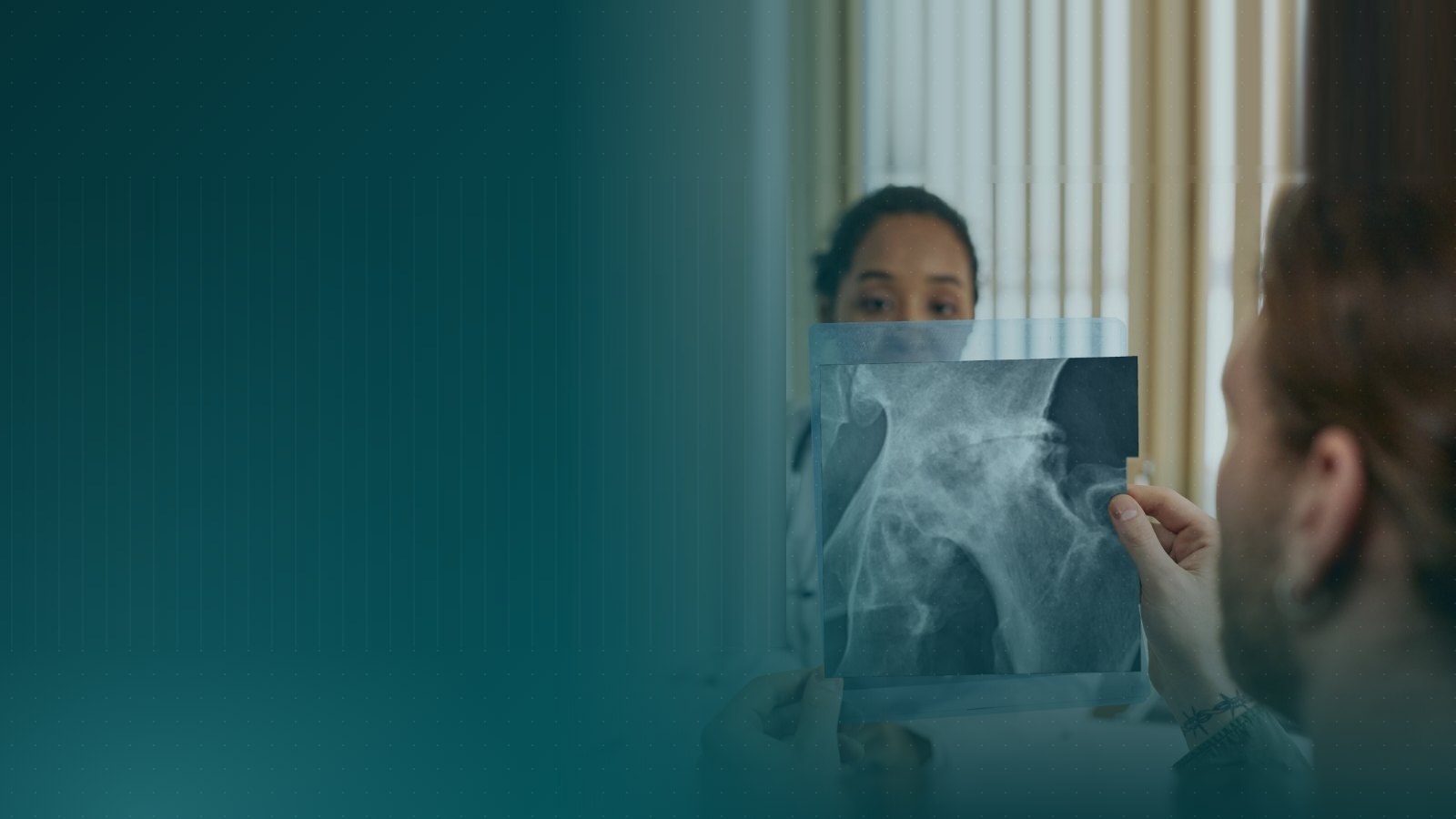
A painful implant does not automatically need revision. The first task is to identify the failure mechanism. Pain can arise from infection, loosening, instability, fracture, wear, malposition, stiffness, tendon or muscle failure, referred spine disease or other causes. Revising a well-fixed implant without establishing the cause can leave the patient with the same pain and greater surgical risk. For international patients considering India, complex revision should be planned from records and imaging before travel whenever possible. The centre must have not only an experienced revision surgeon but also appropriate revision implants, microbiology, infectious-disease support, blood management, advanced imaging and the ability to handle unexpected bone or soft-tissue defects. If your joint replacement or fracture fixation has failed, you are probably facing one of the hardest decisions in orthopaedics, often after more than one operation. This guide is designed to help you understand why joints fail, what a proper work-up looks like, ask sharper questions, compare quotations fairly and plan the whole pathway, including infection treatment and rehabilitation, so that your decision rests on a clear diagnosis and not on an implant brand or a price.
Short Answer: Is India a Good Option for Complex Revision Surgery?
For well-selected patients, yes. Major Indian hospitals have experienced revision arthroplasty teams, revision implant inventories, microbiology and infectious-disease support, often at a fraction of private prices in the USA, UK and Australia (see the cost table later in this guide). But revision is not simply a second primary operation. The first step is to establish why the earlier surgery failed, and to exclude infection, before any plan is made. The most complex cases, such as infected joints or severe bone loss, need a specialist team, a backup implant inventory and a pathway that may include a second stage. The best first step is a remote review of every operative note, implant sticker and serial X-ray before you plan any travel.
Revision orthopaedic surgery treats a failed previous joint replacement, fixation or reconstruction. It is usually more demanding than primary surgery because the surgeon may face scar tissue, distorted anatomy, bone loss, damaged ligaments or tendons, broken implants, infection and uncertainty about what was done previously.
Table of Contents(Quick Browse)
- Part 1: Why India, and understanding revision surgery
- Part 2: Diagnosis, imaging and the infection work-up
- Part 3: Periprosthetic joint infection
- Part 4: Mechanical causes of failure
- Part 5: Revision knee replacement
- Part 6: Revision hip replacement
- Part 7: Shoulder, failed fixation, planning and technology
- Part 8: Optimisation, perioperative care and outcomes
- Part 9: Choosing your surgeon, hospital and city
- Part 10: Cost, packages and quotations
- Part 11: Your journey: records, travel, visa and going home
- Part 12: Tools: questions, candidacy, FAQ and checklist
- Frequently Asked Questions
- Checklist
- Sources
Quick Facts - Complex Orthopaedic and Joint Revision Surgery for International Patients in India
| Topic | International-Patient Planning Point |
|---|---|
| Main revision joints | Knee, hip and shoulder; complex fixation/reconstruction failures can also require revision |
| Common failure mechanisms | Infection, aseptic loosening, instability/dislocation, wear, fracture, stiffness, implant malposition/breakage and bone loss |
| First principle | Establish why the previous operation failed before choosing the revision |
| Infection work-up | Clinical review, ESR/CRP, aspiration with synovial testing/cultures and multiple intraoperative samples as indicated |
| Infection strategies | DAIR, one-stage exchange, two-stage exchange or selected suppressive/salvage pathways depending on organism, timing, implant and host |
| Bone-loss reconstruction | Augments, cones, sleeves, stems, bone graft, cages/cups, custom components or megaprostheses in selected cases |
| Hospital stay | Often 4-10 days; infected/staged or medically complex cases may require longer |
| India stay | Commonly 3-6 weeks after major revision; staged infection treatment may require two trips or a prolonged interval |
| India planning cost | Aseptic revision often roughly US$8,000-18,000; complex infected/bone-loss reconstruction commonly US$12,000-30,000+ |
| Records to send | Operative reports, implant stickers, serial X-rays, CT/MRI where appropriate, culture/aspiration reports, antibiotic history and prior discharge summaries |
| Major Indian hubs | Delhi NCR, Mumbai, Bengaluru, Chennai, Hyderabad and other tertiary centres with revision programmes |
| Companion | Strongly advisable after major revision |
Key principle: Revision success begins with diagnosis. 'Pain after replacement' is a symptom, not a revision indication.
How This Guide Is Organised
- Part 1 - Why India, and understanding revision surgery
- Part 2 - Diagnosis, imaging and the infection work-up
- Part 3 - Periprosthetic joint infection
- Part 4 - Mechanical causes of failure
- Part 5 - Revision knee replacement
- Part 6 - Revision hip replacement
- Part 7 - Shoulder, failed fixation, planning and technology
- Part 8 - Optimisation, perioperative care and outcomes
- Part 9 - Choosing your surgeon, hospital and city
- Part 10 - Cost, packages and quotations
- Part 11 - Your journey: records, travel, visa and going home
- Part 12 - Tools: questions, candidacy, FAQ and checklist
Why India, and Understanding Revision Surgery
Why Do International Patients Choose India for Revision Surgery?
Patients travel for revision surgery for practical reasons, and the strongest ones are about reaching a team with real revision experience and the right implants at a price that does not force a compromise on quality:
- Significantly lower cost. Private Indian hospitals often quote a fraction of self-pay prices in the USA, UK, Australia and other high-cost markets (see the cost sections later in this guide, and compare like with like).
- Revision arthroplasty programmes. Major cities have hospitals with revision surgeons, revision implant systems, advanced imaging, blood bank and ICU backup.
- Multidisciplinary support. Microbiology, infectious-disease physicians and, where needed, plastic and vascular surgeons can be part of the pathway at larger centres.
- Range of reconstruction options. Larger centres can offer cones, sleeves, stems, cages, custom components and megaprostheses when the defect requires them.
- Timely access. Patients whose home system has long waits for complex elective revision can often be scheduled once medically cleared.
- International patient support and English-speaking teams. Major hospitals typically help with appointments, hospital letters for visas, airport pick-up and accommodation guidance.
- One planned pathway. A good programme combines remote review, repeat work-up in person, surgery, culture-directed treatment and a clear plan for follow-up at home.
Emergencies Are Different
Sepsis, rapidly spreading infection, threatened skin or implant exposure, neurovascular compromise or an acute fracture around an implant with unsafe mobility needs prompt local treatment. Do not delay emergency care to arrange international travel.
Patient Tip: Low cost should be the beginning of your evaluation, not the end of it. The sections that follow explain how to judge the diagnosis, the infection status, the implant plan, the team and the whole-pathway budget so that savings do not come at the expense of safety or long-term function.
How Does India Compare with Other Medical Travel Destinations?
Many patients also look at other popular medical-travel destinations before deciding. There is no single best country for every patient; the right choice depends on where you live, your problem and what you can verify about the surgeon and hospital. These are the factors worth comparing:
| Factor | What to compare | How India generally fares |
|---|---|---|
| Cost | The full pathway budget, including implants, spacer, cultures, antibiotics, ICU, possible second stage and rehabilitation, not the headline price | Often substantially lower than self-pay pricing in Western countries; compare like with like |
| Revision experience | Annual volume of complex revisions, and experience with your exact problem (infection, severe bone loss, fracture, custom reconstruction) | Major Indian centres treat high volumes; always verify revision-specific experience |
| Implant inventory | Availability of backup stems, augments, cones, cages and constrained systems on the day | Available at revision centres; confirm what will be in theatre for your case |
| Infection services | Microbiology, extended cultures, infectious-disease input and antibiotic monitoring | Available at larger centres; confirm the specific pathway |
| Language | Whether doctors, nurses and physiotherapists communicate easily with you | English is widely used by medical teams in major Indian hospitals |
| Distance and flight time | Length of the flight, DVT risk and the number of trips if staged treatment is needed | Depends on where you live: relatively close for patients from South Asia, the Middle East and East Africa, and a long-haul journey from the Americas and parts of Europe |
| Visa | Visa type, processing time and attendant rules | India has a dedicated medical visa system with an attendant category; always confirm current rules for your nationality |
| Follow-up | Time zones, teleconsultation and who will monitor antibiotics, blood tests and X-rays at home | Depends on the team; ask for a defined follow-up plan before you commit |
A Fair Way to Compare Destinations
- Ask every destination for the same itemized written estimate (components to revise, implant system, cones or augments, spacer, cultures, ICU, exclusions, second stage).
- Compare the clinical plan first and the price second.
- Compare the total pathway cost - treatment, flights, accommodation, companion, local transport and a contingency buffer, including a possible second trip.
- Judge the surgeon and hospital, not just the country or the implant brand.
- Compare the follow-up plan: who will manage infection monitoring and rehabilitation after you return?
What Is Revision Joint Surgery?
Revision replaces, removes, repositions or reconstructs one or more components of a previous arthroplasty. It can range from exchanging a polyethylene liner to rebuilding a joint with long stems, cones, augments or custom implants. Complexity depends on the failure mechanism and remaining bone/soft tissue.
Why Primary Joint Replacements Fail
Failure can be biological, mechanical or infectious. Common causes include aseptic loosening, polyethylene wear, instability, periprosthetic fracture, infection, stiffness, implant malposition and soft-tissue failure. Multiple mechanisms can coexist.
Painful Joint Replacement - Do Not Assume Loosening
Pain can arise from the joint, surrounding tendons, spine, neuropathic causes or infection. A systematic history and examination should precede revision. Unexplained pain with normal studies deserves caution before major surgery.
History of the Original Operation
The surgeon needs the date, indication, approach, implant manufacturer/model, complications, wound history and previous pain-free interval. Implant stickers and operative notes can save time and prevent incompatible component planning. International patients should obtain these records before travel.
Matching the Problem to the Approach
As a rough orientation (your surgeon will refine this for your own case), the table shows how the main failure mechanisms relate to the main revision approaches discussed in this guide:
| Failure mechanism | Approaches that may be considered | Key deciding factors |
|---|---|---|
| Acute infection with stable implant | DAIR with antibiotics | Timing, organism, soft tissue, implant stability |
| Chronic infection | One-stage or two-stage exchange, suppression or salvage | Organism, host, bone and soft-tissue condition, centre experience |
| Aseptic loosening or wear | Component revision with stable fixation | Bone loss, osteolysis, remaining bone stock |
| Instability or dislocation | Correct position and tension; selective extra constraint or dual mobility | Component position, ligaments, cuff or abductors |
| Periprosthetic fracture | Fixation if stable, revision plus reconstruction if loose | Fracture pattern, implant stability, bone quality |
| Severe bone loss | Cones, sleeves, augments, cages, custom components, megaprosthesis | Defect size, location and remaining host bone |
| Failed fracture fixation or nonunion | Hardware removal, debridement, graft and new stabilization | Infection, biology and mechanics |
Diagnosis, Imaging and the Infection Work-Up
Serial X-Rays
Comparison of old and current radiographs can show migration, radiolucent lines, osteolysis, fracture, alignment change or progressive wear. One isolated film is less informative. Weight-bearing and joint-specific views are often required.
CT in Revision Planning
CT can define component rotation, bone loss, osteolysis, fracture anatomy and available bone stock. Metal-artifact reduction techniques improve selected studies. 3D reconstruction is useful for severe defects and custom planning.
MRI and Nuclear Imaging
Metal-artifact reduction MRI can assess selected soft-tissue and adverse local tissue reactions. Nuclear medicine studies may assist difficult cases but are not standalone proof of loosening or infection. Results must be interpreted with the complete clinical picture.
Laboratory Screening for Infection
ESR and CRP are commonly used screening markers but normal values do not exclude every low-grade infection. Interpretation varies with timing and inflammatory conditions. Suspicion should remain higher after wound drainage, prior infection or unexplained early failure.
Joint Aspiration
Aspiration can provide synovial white-cell count/differential, culture and other biomarkers where available. Antibiotics before aspiration can reduce culture yield. The exact diagnostic pathway should follow current periprosthetic-joint-infection criteria.
Intraoperative Cultures
Multiple separate tissue samples are obtained when infection is possible. Extended incubation or specialized methods may be useful for slow-growing organisms in selected joints. A single unexpected positive culture must be interpreted in context.
Which Test Answers Which Question?
| Test | Best at showing | Limitations |
|---|---|---|
| Serial X-rays | Migration, radiolucent lines, osteolysis, fracture, wear over time | A single film tells much less |
| CT (with metal-artifact reduction) | Component rotation, bone loss, available bone stock | Radiation; artefact around metal |
| MRI (metal-artifact reduction) | Soft tissue and adverse local tissue reactions | Artefact; selected cases only |
| ESR / CRP | Screening for infection | Normal values do not exclude low-grade infection |
| Aspiration and cultures | Synovial cell count and organism | Yield falls after antibiotics |
Making the Remote Review Count: Your Revision Chronology
- Write a dated list of every operation on the joint: date, hospital, surgeon, reason and what was done
- Note any wound problems, drainage, fever, antibiotic courses or readmissions
- Note the pain-free interval after each operation and when symptoms returned
- Collect implant stickers or implant records and every operative report
- Gather all X-rays in date order, with CT and MRI on disc (DICOM), plus aspiration, culture and pathology reports
- If there is a wound issue, take current dated photographs
Take the First Step Today
Start with your records, not a flight booking.
Send your records to: enquiry@
Periprosthetic Joint Infection
Periprosthetic Joint Infection - PJI
PJI is one of the most serious causes of failure. It may present dramatically with fever/drainage or subtly with chronic pain and loosening. Treatment requires both surgical source control and organism-directed antimicrobial management.
DAIR
Debridement, antibiotics and implant retention may be considered for selected acute infections with stable implants, acceptable soft tissues and a treatable organism. Modular components are often exchanged. DAIR is generally less successful for established chronic biofilm infection.
One-Stage Exchange
The infected implant is removed, the joint thoroughly debrided and a new implant inserted during the same operation. It can be appropriate in carefully selected patients with favourable organisms and soft tissues. Selection and centre experience are critical.
Two-Stage Revision for Infection
The first stage removes implants and infected tissue, often placing an antibiotic-loaded spacer; systemic antibiotics follow. Reimplantation is considered after infection control is reassessed. It remains an important strategy for complex chronic infection but requires a long treatment pathway.
Antibiotic Spacers
Static or articulating spacers maintain space and deliver local antibiotic while infection is treated. Articulating spacers can preserve more movement in suitable cases. Spacer complications include fracture, dislocation and bone loss.
Suppressive Antibiotics / Salvage
When definitive eradication surgery is unsafe or unlikely to succeed, long-term suppression or salvage procedures may be considered. This is individualized with infectious-disease input. Suppression controls rather than reliably eradicates infection.
Infection Strategies at a Glance
| Strategy | What it involves | Typically considered when |
|---|---|---|
| DAIR | Debridement, antibiotics and implant retention, often with modular exchange | Selected acute infection, stable implant, acceptable soft tissue, treatable organism |
| One-stage exchange | Remove, debride and re-implant in the same operation | Carefully selected patients with favourable organisms and soft tissues |
| Two-stage exchange | Remove implants, place a spacer, give antibiotics, re-implant later | Complex chronic infection; often needs a long pathway or two trips |
| Suppression or salvage | Long-term antibiotics or salvage procedures | Eradication surgery unsafe or unlikely to succeed |
Patient Tip: If infection is part of your story, ask which organism has been identified, who will choose and monitor the antibiotics, and where the blood tests will be done after you return home. Agree this in writing before you travel.
Mechanical Causes of Failure
Aseptic Loosening
Loss of fixation without infection can cause pain, migration and bone loss. Revision requires removal of loose components and stable fixation in remaining host bone. Infection must still be excluded before labelling a failure aseptic.
Osteolysis and Wear
Wear particles can trigger bone resorption around implants. Modern bearings have reduced some wear problems, but long-standing implants can develop major defects. Earlier revision may sometimes preserve more bone.
Periprosthetic Fracture
Fracture around a joint replacement requires assessment of fracture pattern, implant stability and bone stock. Stable implants may permit fixation; loose components often require revision plus fracture reconstruction. These are high-complexity cases, especially in frail or osteoporotic patients.
Joint Instability
Recurrent knee instability or hip/shoulder dislocation can result from component position, ligament/cuff deficiency, soft-tissue tension or impingement. Revision should correct the mechanism rather than simply use a larger implant. Constraint is increased only as much as necessary.
Stiffness After Joint Replacement
Arthrofibrosis, component malposition, infection or mechanical impingement can cause stiffness. Early selected knee cases may respond to manipulation, whereas established structural causes can require revision. Revision for stiffness has less predictable gains than revision for clear loosening.
Implant Malposition
Incorrect rotation, offset, joint line or component orientation can cause instability, pain, impingement and abnormal wear. CT and functional imaging may help define the problem. Revision should have a measurable correction target.
Implant Breakage
Broken stems, screws or modular junctions can make extraction difficult and may require specialized tools, extended approaches or osteotomy. The surgeon should identify the exact implant system before surgery.
Bone Loss Classification
Knee and hip revision use classification systems to describe metaphyseal or acetabular/femoral defects and guide reconstruction. Classification is finalized after imaging and sometimes intraoperatively. A revision centre needs multiple backup options because actual defects can exceed imaging estimates.
Revision Knee Replacement
Revision Knee Replacement
Revision TKA may replace one or all components and restore alignment, joint line, fixation and stability. Stems, augments, cones/sleeves and greater constraint can be required. The extensor mechanism and collateral ligaments strongly influence implant choice.
Metaphyseal Cones and Sleeves
Porous metal cones or sleeves can obtain fixation in deficient metaphyseal bone during revision knee replacement. They can reduce dependence on structural bone graft in selected defects. Extraction in future revisions can be difficult.
Constrained Condylar Knee
A constrained condylar design provides additional coronal stability when collateral ligaments are insufficient but a rotating hinge is not required. Constraint increases forces at fixation interfaces, so it should be justified.
Rotating-Hinge Knee
Hinged implants are used for severe ligament deficiency, massive bone loss, some periprosthetic fractures and salvage/reconstruction. Modern rotating hinges permit axial rotation. They are powerful tools but not routine primary implants.
Extensor Mechanism Failure
Patellar tendon or quadriceps rupture after TKA is a devastating complication. Reconstruction can use autograft, allograft or synthetic material depending on the defect. Outcomes are less predictable than standard revision.
Revision Hip Replacement
Revision Hip Replacement
Revision THA can involve acetabular, femoral or both components. The surgeon must restore stable fixation, hip centre, offset, leg length and stability while preserving bone. Approach and implant removal can be technically demanding.
Acetabular Bone Loss
Large socket defects can require porous metal augments, revision shells, cup-cage constructs, structural graft or custom triflange components. Pelvic discontinuity represents an especially severe form of failure.
Pelvic Discontinuity
The superior and inferior pelvis are mechanically separated through the acetabulum. Reconstruction aims to obtain stable fixation across the discontinuity and permit healing or durable mechanical bridging. Specialist revision experience is essential.
Femoral Bone Loss
Femoral revision may use tapered fluted stems, modular systems, impaction grafting or proximal femoral replacement according to remaining bone. Extended trochanteric osteotomy can facilitate removal of a well-fixed stem.
Extended Trochanteric Osteotomy
A controlled femoral osteotomy opens the proximal femur to remove a well-fixed stem or cement. The fragment is repaired around the revision stem. Healing and abductor function must be protected.
Hip Instability and Dual Mobility
Revision instability can be treated by correcting component position and soft-tissue tension. Dual-mobility bearings can improve stability in selected high-risk cases. They do not compensate for every mechanical error.
Custom Triflange and Patient-Specific Implants
Severe acetabular bone loss may justify CT-based custom implants designed to fit the remaining pelvis. Manufacturing requires lead time and exact imaging. These implants materially increase planning and cost.
Megaprosthesis
Large segmental replacement can reconstruct massive bone loss after failed arthroplasty, fracture or tumor-type defects. It can restore limb continuity when conventional fixation is impossible. Infection and mechanical complication risks are significant.
Reconstruction Options for Bone Loss at a Glance
| Option | What it does | Points to discuss |
|---|---|---|
| Metaphyseal cones and sleeves (knee) | Porous metal fixation in deficient metaphyseal bone | Can reduce reliance on structural graft; may be hard to extract in future |
| Augments, shells, cup-cage (hip socket) | Rebuilds a deficient acetabulum | Choice depends on the size and pattern of the defect |
| Tapered fluted or modular stems (femur) | Fixation in remaining femoral bone | Remaining bone stock decides the system |
| Structural graft or impaction grafting | Replaces missing bone with graft | Used selectively; graft logistics should be clarified for international cases |
| Custom triflange | CT-designed socket for massive pelvic loss | Needs manufacturing lead time and exact imaging; materially higher cost |
| Megaprosthesis | Segmental replacement of massive missing bone | Significant infection and mechanical risks |
Shoulder, Failed Fixation, Planning and Technology
Revision Shoulder Replacement
Failed anatomic or reverse shoulder replacement may require component exchange, bone graft, glenoid reconstruction or conversion to reverse arthroplasty. Infection can be indolent. Rotator cuff, deltoid and glenoid bone are key determinants.
Failed Fixation and Nonunion
Complex orthopaedic revision also includes failed fracture fixation, nonunion, malunion and infected hardware. Revision may require implant removal, debridement, bone graft and new stabilization. Biology and mechanics must both be corrected.
Infected Nonunion
Infection plus failure of bone healing requires eradication/control of infection while restoring stability and bone biology. Treatment is often staged. Bone defect management can require transport, graft or specialized reconstruction.
Bone Grafting
Autograft, allograft or synthetic substitutes can restore bone depending on defect and biology. Structural graft is used selectively in large defects. Graft availability and regulatory logistics should be clarified for international cases.
Custom / 3D Planning
CT-based planning can model bone loss and assist custom components, augments or patient-specific instruments. It is particularly valuable when standard implants may not achieve fixation. Manufacturing time should be built into travel planning.
Navigation and Robotics in Revision
Navigation or robotic systems can assist selected revision workflows, but distorted anatomy, retained hardware and bone loss may limit standard protocols. Revision expertise remains more important than platform branding. Technology should solve a defined problem.
Optimisation, Perioperative Care and Outcomes for International Patients in India
Blood-Loss Management
Revision can involve substantial blood loss. Preoperative anaemia treatment, tranexamic acid, cell salvage and transfusion planning may be appropriate. Patients should ask whether blood-bank and critical-care support are available.
Medical Optimization
Diabetes, anaemia, malnutrition, smoking, obesity, renal disease and immunosuppression can increase complication risk. Elective revision may be delayed to improve modifiable factors. Infection revision particularly benefits from nutritional and host optimization.
Preparing Yourself Before Revision Surgery (Prehab)
Good preparation before travel can reduce risk and make recovery smoother. Check each item with your surgeon, because the right preparation depends on your problem:
- Treat what can be treated. Work with your own doctor to optimise diabetes, anaemia, blood pressure, kidney function and nutrition before elective revision.
- Stop nicotine in all forms well before surgery; it impairs wound and bone healing.
- Do not start antibiotics casually if infection is being investigated, unless your treating team advises it; see the dedicated section in Part 11.
- Keep as strong and mobile as is safe. Follow your physiotherapist's advice, and rehearse walker or crutch use before surgery.
- Share your full medicine list, including blood thinners, immunosuppressants and supplements, and any allergies, especially to antibiotics.
- Prepare your home and companion. Arrange an accessible stay in India and help at home for the weeks after you return.
- Line up your home team for blood tests, antibiotic monitoring and physiotherapy before you travel.
Osteoporosis
Poor bone quality raises fracture and fixation risk. Bone-health evaluation and treatment may be needed before or after revision. Long stems and fixation strategies are tailored to remaining bone.
Anaesthesia and Critical Care
Long revision operations can stress cardiovascular, renal and respiratory systems. High-risk patients should be assessed by experienced anaesthesia and have ICU/HDU backup. Age alone is less important than physiological reserve and comorbidity.
Wound and Soft-Tissue Problems
Repeated incisions and infection can compromise skin and muscle coverage. Plastic-surgery flap coverage may be required around infected knee or exposed hardware. A multidisciplinary plan should be available before surgery.
Vascular and Nerve Risk
Scar tissue, component migration and deformity can place major vessels and nerves at risk. Selected cases need vascular imaging or specialist backup. This is particularly relevant in intrapelvic migration and complex knee revision.
Around the Operation: What to Expect
| Stage | What usually happens |
|---|---|
| Arrival and reassessment | In-person examination, repeat infection work-up and imaging where needed, medical and anaesthetic clearance, and a final discussion of the plan and backup options |
| Surgery | Implant removal, cultures, debridement, reconstruction of bone loss and implantation, or the first stage with a spacer in a two-stage pathway |
| Hospital stay | Often 4-10 days, with ICU or HDU support if needed; wound, drain and early mobilisation care; culture results guide antibiotics |
| First weeks in India | Protected rehabilitation, wound review, imaging and culture-directed treatment; commonly 3-6 weeks after major revision |
| Before leaving | Fit-to-fly clearance, weight-bearing plan, antibiotic plan and monitoring arrangements, implant records and follow-up schedule |
Postoperative Weight Bearing
Some revisions permit immediate protected or full weight bearing; others require weeks of restriction because of fracture fixation, bone graft or tenuous reconstruction. International accommodation should match mobility needs.
Rehabilitation for International Patients in India
Revision rehabilitation is often slower than after primary replacement. Goals include safe transfers, gait, motion, muscle recovery and protection of reconstruction. Infection or extensor-mechanism reconstruction can require special protocols.
Expected Outcomes for International Patients in India
Revision can substantially relieve pain and restore function when a clear failure mechanism is corrected. Outcomes are generally less predictable and complication rates higher than primary replacement. Patients should receive realistic functional goals.
Risk of Re-Revision
Every revision uses additional bone and soft-tissue resources. Younger patients and multiply revised joints face a lifetime risk of further surgery. Bone-preserving reconstruction is valuable when feasible.
Planning Revision Surgery in India?
Get Your Failed Implant Reviewed First
Send your records to: enquiry@
Choosing Your Surgeon, Hospital and City for International Patients in India
Choosing a Revision Surgeon for International Patients in India
Look for high-volume revision arthroplasty practice and experience with the exact problem: infection, severe bone loss, fracture or custom reconstruction. Ask how many complex revisions are performed annually. Primary joint-replacement volume alone does not prove revision expertise.
Choosing the Hospital for International Patients in India
A complex revision centre should have microbiology, infectious disease, CT/advanced imaging, revision implant inventory, blood bank, ICU, physiotherapy and access to plastic/vascular surgery. Custom implants require planning infrastructure. The hospital should be able to manage unexpected intraoperative findings.
Major Revision Hubs for International Patients in India
Delhi NCR, Mumbai, Bengaluru, Chennai, Hyderabad and other tertiary centres have revision arthroplasty programmes. Highly complex PJI and custom reconstruction should be matched to a specialist team rather than city reputation alone. Remote multidisciplinary review is strongly advisable.
Warning Signs of an Unreliable Offer for International Patients in India
Medical travel works best when the information you receive is specific, itemized and clinically sensible. Be cautious if you see any of the following:
Red Flags
- A fixed price or surgery date quoted without any review of your operative notes, implant records and serial X-rays
- Revision recommended for 'pain after replacement' with no explanation of the failure mechanism
- No discussion of how infection has been excluded or will be tested for
- Promises of a cure, a 'risk-free' revision or a guarantee that the new implant will never need revision
- No backup implants or bone-loss options available if the defect is worse than the scans suggest
- No microbiology, infectious-disease, blood bank or ICU support at the proposed hospital
- Pressure to decide or pay quickly for a condition that is not an emergency
- No itemized estimate, or no clarity about exclusions, a second stage, antibiotics and complications
- No named person responsible for antibiotic monitoring and rehabilitation after you return home
What a Good International Patient Service Should Provide
A well-run programme should make the journey easier at every stage:
- A named coordinator and a direct line to the clinical team before you travel
- Review of your actual DICOM images and records by a revision surgeon, and a written preliminary opinion that explains the likely failure mechanism and the proposed plan
- Honest discussion of alternatives, including non-operative management or delay, and whether travel is necessary
- An itemized written estimate that states the components to revise, the implant system, stems, augments or cones, spacer, cultures, ICU, inclusions and exclusions, and the cost of any second stage
- A hospital letter for your medical visa application, and guidance for attendant visas
- Airport pick-up, wheelchair assistance and accessible accommodation near the hospital
- Interpreter support where needed
- A clear discharge summary, operative report, implant records, culture results, antibiotic plan, weight-bearing plan and rehabilitation protocol
- A defined follow-up pathway for infection monitoring and implant surveillance after you return home
Cost, Packages and Quotations for International Patients in India
Indicative Complex Revision Surgery Costs for International Patients in India
| Procedure / Pathway | Broad International-Patient Planning Range |
|---|---|
| Aseptic revision knee replacement | Approx. US$8,000-15,000 |
| Aseptic revision hip replacement | Approx. US$9,000-18,000 |
| Revision shoulder replacement | Approx. US$9,000-18,000+ |
| DAIR for acute PJI | Approx. US$4,500-9,000 + antimicrobial treatment |
| One-stage infected joint exchange | Approx. US$10,000-20,000+ |
| Two-stage infected knee/hip revision | Approx. US$12,000-25,000+ total pathway |
| Major bone-loss / constrained / hinge reconstruction | Approx. US$12,000-25,000+ |
| Custom triflange / megaprosthesis / highly complex reconstruction | Approx. US$15,000-30,000+; case-specific |
These are broad planning ranges, not tariffs. Imported revision systems, custom manufacturing, antibiotic spacers, prolonged cultures/antibiotics, ICU, bone graft, multiple operations and extended rehabilitation can materially increase total cost.
Cost Drivers in Revision Surgery for International Patients in India
Major drivers include whether the failure is infected, number of components revised, implant extraction difficulty, bone loss, stem/augment/cone/cage requirement, custom components, fracture fixation, grafts, operating time, blood products and hospital stay. Infection treatment should be budgeted as a pathway rather than a single operation.
What an India Revision Package Should Clarify
The quotation should state surgeon/anaesthesia, planned implant system, stems/augments/cones or cage, spacer if applicable, hospital/ICU nights, cultures/histology, routine medicines, blood policy, physiotherapy and imaging. Antibiotics after discharge, custom implants, second-stage reimplantation and complication-related extension may be separate.
Complex Joint Revision Cost - India vs USA, UK and Australia
| Representative Revision | India | USA | UK Private | Australia Private | Approx. India Saving* |
|---|---|---|---|---|---|
| Aseptic hip/knee revision | $8k-18k | $50k-120k+ | $30k-55k+ | $35k-65k+ | Approx. 40-93% |
| Infected / staged revision | $12k-25k+ | $75k-180k+ | $40k-80k+ | $45k-90k+ | Approx. 40-93% |
| Major bone-loss/custom reconstruction | $15k-30k+ | $100k-250k+ | $50k-100k+ | $60k-120k+ | Approx. 40-94% |
*Broad private/self-pay planning comparisons only. Exact percentage savings require like-for-like comparison of implant complexity, number of stages, cultures/antibiotics, ICU and rehabilitation. Public-system reimbursement is not equivalent to a complete private international-patient package.
Budgeting for the Whole Pathway, Not Just the Operation
For revision surgery, the operation is only one part of the budget. Ask for the treatment quotation, then add:
- Return flights for you and your companion, with flexibility to change dates, and a second set if two-stage treatment needs a return trip
- Accessible accommodation near the hospital for the whole stay, commonly 3-6 weeks after major revision
- Meals, local transport and airport transfers
- Visa fees, travel insurance and any attendant visa costs
- Antibiotics after discharge, blood tests and infectious-disease follow-up
- Physiotherapy during the stay and after you return, and walking aids
- Follow-up imaging and consultations at home
- A contingency fund for a longer stay, extra operations or complications
Revision Surgery Quotation Comparison Table for International Patients in India
| Item | Centre A | Centre B |
|---|---|---|
| Failure diagnosis | ||
| Infection status / organism | ||
| One vs two stage | ||
| Components to revise | ||
| Revision implant system | ||
| Stems / augments / cones | ||
| Spacer / antibiotic cement | ||
| Bone graft / custom implant | ||
| Cultures / histology | ||
| Hospital / ICU nights | ||
| Antibiotic pathway | ||
| Physiotherapy | ||
| Second-stage cost | ||
| Total expected pathway |
Your Journey: Records, Travel, Visa and Going Home for International Patients in India
Remote Revision Case Review
Send all prior operative reports, implant stickers, serial X-rays, CT/MRI if available, aspiration/culture results, pathology, antibiotic history and current wound photographs when relevant. A chronology of every previous operation is extremely useful. The revision team may request new aspiration or CT before accepting a final plan.
Records Checklist
- All operative reports
- Implant stickers or implant records
- Serial X-rays in date order
- CT and/or MRI on disc (DICOM)
- Aspiration, culture and pathology results
- Antibiotic chronology
- Discharge summaries from every admission
- Dated chronology of every operation
- Current wound photographs where relevant
- Medicines, allergies and passport copy
Do Not Start Antibiotics Casually Before Culture
If the patient is clinically stable and PJI is being investigated, unnecessary antibiotics before aspiration/tissue sampling can reduce culture yield. If the patient is septic or systemically ill, urgent treatment takes priority. This decision must be made by the treating medical team, not delayed for travel.
International Patient Treatment Journey
1) Remote records review. 2) define likely failure mechanism. 3) identify additional tests. 4) provisional implant/stage plan and budget. 5) travel. 6) repeat clinical/infection work-up. 7) surgery. 8) culture-directed treatment and rehabilitation. 9) wound/imaging review. 10) fit-to-fly and long-term follow-up. Two-stage PJI treatment may require a later return for reimplantation.
How Long to Stay for International Patients in India
After major aseptic revision, many international patients plan roughly 3-6 weeks depending on mobility and wound status. Infection, fracture or complex soft-tissue reconstruction can require longer. Two-stage treatment may involve two separate trips rather than continuous residence.
Flying After Revision
Long-haul travel should wait until the wound is stable, mobility is adequate and thromboembolic risk is acceptable. Revision patients can have higher VTE and medical risk than routine primary arthroplasty patients. The surgeon should provide individualized prophylaxis and fit-to-fly advice.
Airline and Travel Practicalities After Revision
After a major revision, travel needs more planning than after a primary operation. Airline rules differ, so confirm each point with your airline before you fly:
| Topic | What to arrange |
|---|---|
| Fit-to-fly letter | Ask the surgeon for a written clearance with your diagnosis, operation and date, and carry it in hand luggage |
| Clot prevention | Follow your surgeon's individualized advice, which may include walking breaks, hydration, compression stockings or medication; revision patients can have higher thrombosis risk |
| Seat choice | An aisle seat or extra legroom makes it easier to move and to keep the operated limb comfortable |
| Airport assistance | Request wheelchair or special assistance, even if you can walk short distances, and confirm that your walker or crutches can travel with you |
| Luggage | Travel light and ask for help lifting bags |
| Medicines | Keep pain, antibiotic, clot-prevention and other medicines in hand luggage with the prescription |
| Implant card | Carry your implant records and operative summary in case of security queries; large revision implants may trigger detectors |
| Flexible tickets | Book a flexible return so a longer stay does not mean losing money on a fixed date |
| Insurance | Check what your travel insurance covers for surgery-related complications |
Accommodation and Attendant
Accessible accommodation with elevator, walk-in shower and proximity to physiotherapy is valuable. An attendant is strongly advisable after major revision. Wheelchair or walker access should be confirmed before booking.
Medical Visa and Travel Planning
Confirm current Indian medical-visa requirements through official channels, including the attendant visa for your companion. Carry the hospital invitation, a medical summary, imaging and medicines. If two-stage treatment is planned, ask how the visa and travel dates for the second trip will be handled, and keep return travel flexible.
Post-Return Follow-Up
Obtain the operative report, implant stickers, culture/histology results, antibiotic plan, discharge summary, postoperative X-rays, weight-bearing status and rehabilitation protocol. Infection cases require clear responsibility for antimicrobial monitoring. Remote follow-up should be paired with a local clinician.
Arranging Your Follow-Up Care at Home Before You Leave
Because revision recovery and infection monitoring continue for months, set up your home team before you travel and confirm it again before you fly home:
| Who | Role |
|---|---|
| Local orthopaedic surgeon | Wound check, review of progress, X-rays, and handling any urgent problem |
| Infectious-disease physician or physician managing antibiotics | Monitors antibiotics, blood tests and side effects if infection treatment continues |
| Physiotherapist | Delivers the written protocol, tracks gait, motion and strength and reports problems to the surgeon |
| General practitioner | Medicines, diabetes, blood pressure, clot-prevention follow-up and general health |
| Overseas surgical team | Teleconsultations, image review and advice on the plan, including timing of any second stage |
Hand-over Checklist
- Written fit-to-fly clearance
- Operative report and discharge summary
- Implant records, stickers and device card
- Final culture and histology results
- Post-operative X-rays on disc or secure link
- Antibiotic plan, including who monitors it
- Weight-bearing plan in writing
- Detailed rehabilitation protocol
- Wound instructions and warning signs
- Follow-up schedule, second-stage plan and surgical team contacts
Warning Signs
Urgent assessment is required for fever, wound drainage, rapidly increasing redness/swelling, new dislocation, inability to bear previously permitted weight, sudden severe pain, calf swelling, chest pain, shortness of breath or new neurological/vascular symptoms. Do not wait for an overseas response in an emergency.
Do Not Wait for an Overseas Reply
Fever with a draining or red wound, chest pain, breathing difficulty, calf swelling, a cold or numb limb, or a new dislocation needs emergency care where you are. Contact your surgical team afterwards.
Tools: Questions, Candidacy, FAQ and Checklist for International Patients in India
Twenty Questions to Ask the Revision Surgeon
- What is the most likely reason my previous surgery failed?
- Has infection been adequately excluded?
- Do I need aspiration before revision?
- Which components are loose and which can safely remain?
- How much bone loss is present?
- Will I need stems, augments, cones, sleeves, cage or graft?
- Is a custom implant necessary?
- If infected, why DAIR, one-stage or two-stage revision?
- Which organism has been identified?
- How will antibiotics be selected and monitored?
- What backup implants will be available if defects are worse than expected?
- Is fracture or osteotomy likely during implant removal?
- What is my blood-transfusion risk?
- What weight bearing will be allowed?
- What functional improvement is realistic?
- What is the risk of another revision?
- What is included in the quotation?
- How long should I remain in India?
- When can I fly?
- Who will manage infection/rehabilitation after I return home?
Candidacy for International Medical Travel
A suitable patient is medically stable enough for major surgery and travel, has a reasonably defined failure mechanism, and can remain in India for early postoperative monitoring. Patients with complex infection require a reliable antimicrobial and laboratory follow-up pathway at home.
When Travel Should Not Delay Local Treatment
Sepsis, rapidly spreading infection, threatened skin/implant exposure, neurovascular compromise, acute periprosthetic fracture with unsafe mobility or other emergencies require prompt local treatment. Transfer can be considered only after stabilization.
Frequently Asked Questions on Complex Orthopaedic and Joint Revision Surgery for International Patients in India
Does pain after joint replacement mean the implant is loose?
No. Infection, instability, soft-tissue disease, spine problems and other causes can produce pain.
How is infection checked?
History, examination, ESR/CRP, aspiration/synovial testing and cultures are commonly used, with intraoperative samples when needed.
What is DAIR?
Debridement, antibiotics and implant retention, generally for selected acute infections with stable components.
What is a two-stage revision?
The infected implant is removed, a spacer is commonly placed, antibiotics are given, and a new joint is implanted later after reassessment.
Is one-stage revision possible for infection?
Yes in selected patients with favourable organisms/soft tissues and experienced multidisciplinary teams.
Why are revision implants different?
They may need longer stems, augments and greater constraint to obtain fixation and stability in damaged bone/ligaments.
What is a cone or sleeve?
A porous metaphyseal device used to obtain fixation in bone loss during revision knee surgery.
What is a custom triflange implant?
A CT-designed acetabular component for selected massive pelvic bone loss.
What is a megaprosthesis?
A large segmental replacement used when conventional reconstruction cannot replace massive missing bone.
Can a revision joint last as long as a primary replacement?
Sometimes, but revision survival is generally less predictable because bone and soft tissues are already compromised.
Is revision rehabilitation slower?
Usually yes, especially with fracture, bone graft, infection or extensor-mechanism reconstruction.
What does aseptic revision cost in India?
Broadly about US$8,000-18,000 depending on joint and implant complexity.
What does infected revision cost?
A broad pathway estimate is around US$12,000-25,000+ and can rise with multiple stages and prolonged antibiotics.
What does highly complex custom reconstruction cost?
Often about US$15,000-30,000+ in India, but custom implants make the case highly individual.
How much can India save?
Broad private/self-pay comparisons may show about 40-90% or more depending on country and complexity.
How long should I stay in India?
Often 3-6 weeks after major revision; infection or staged reconstruction can require longer or a second trip.
Can I fly after revision?
Only after wound, mobility, medical stability and thrombosis risk are assessed.
Which records matter most?
Operative notes, implant stickers, serial X-rays, culture/aspiration results and antibiotic history.
Should I choose a surgeon who does many primary replacements?
Primary volume helps, but severe revision, PJI and bone-loss reconstruction require dedicated revision expertise.
What is the single most important step?
Identify the true failure mechanism before undertaking another major operation.
Can I travel on my own for revision surgery?
It is strongly advisable to travel with a companion after major revision, because mobility is limited and daily tasks and luggage become difficult.
Will I need to return to India for a second stage?
Possibly, if a two-stage infection pathway is chosen. Ask in advance about the timing, the cost and who will monitor you in between.
Who monitors my antibiotics after I go home?
Responsibility must be agreed before you travel, usually a local infectious-disease or treating physician working with the surgical team.
Can I have my X-rays and blood tests done at home?
Usually yes, provided the surgical team tells you which tests, which views and how often, and who will review the results.
Revision Checklist for International Patients in India
Final Perspective
Complex revision surgery is fundamentally different from repeating a primary joint replacement. The surgeon must diagnose why the first construct failed, eradicate infection when present, remove implants without unnecessary damage, rebuild missing bone, restore stability and preserve options for the future.
India can offer experienced revision arthroplasty teams and sophisticated reconstruction at a substantial private self-pay cost advantage. For international patients, however, the safest comparison is based on the entire pathway: diagnostic aspiration and cultures, revision implant inventory, custom or bone-loss reconstruction, antimicrobial treatment, rehabilitation and the possibility of a second stage.
Take the First Step Today
Start with your records, not a flight booking.
Send your records to: enquiry@
Sources
- American Academy of Orthopaedic Surgeons (OrthoInfo) - Infection After Joint Replacement: https://www.orthoinfo.org/diseases--conditions/joint-replacement-infection/
- American Academy of Orthopaedic Surgeons (OrthoInfo) - Revision Total Hip Replacement: https://www.orthoinfo.org/treatment/revision-total-hip-replacement
- Government of India - Indian Visa Online (e-Medical Visa and e-Medical Attendant Visa): https://indianvisaonline.gov.in/evisa/