
 +91-9860432255
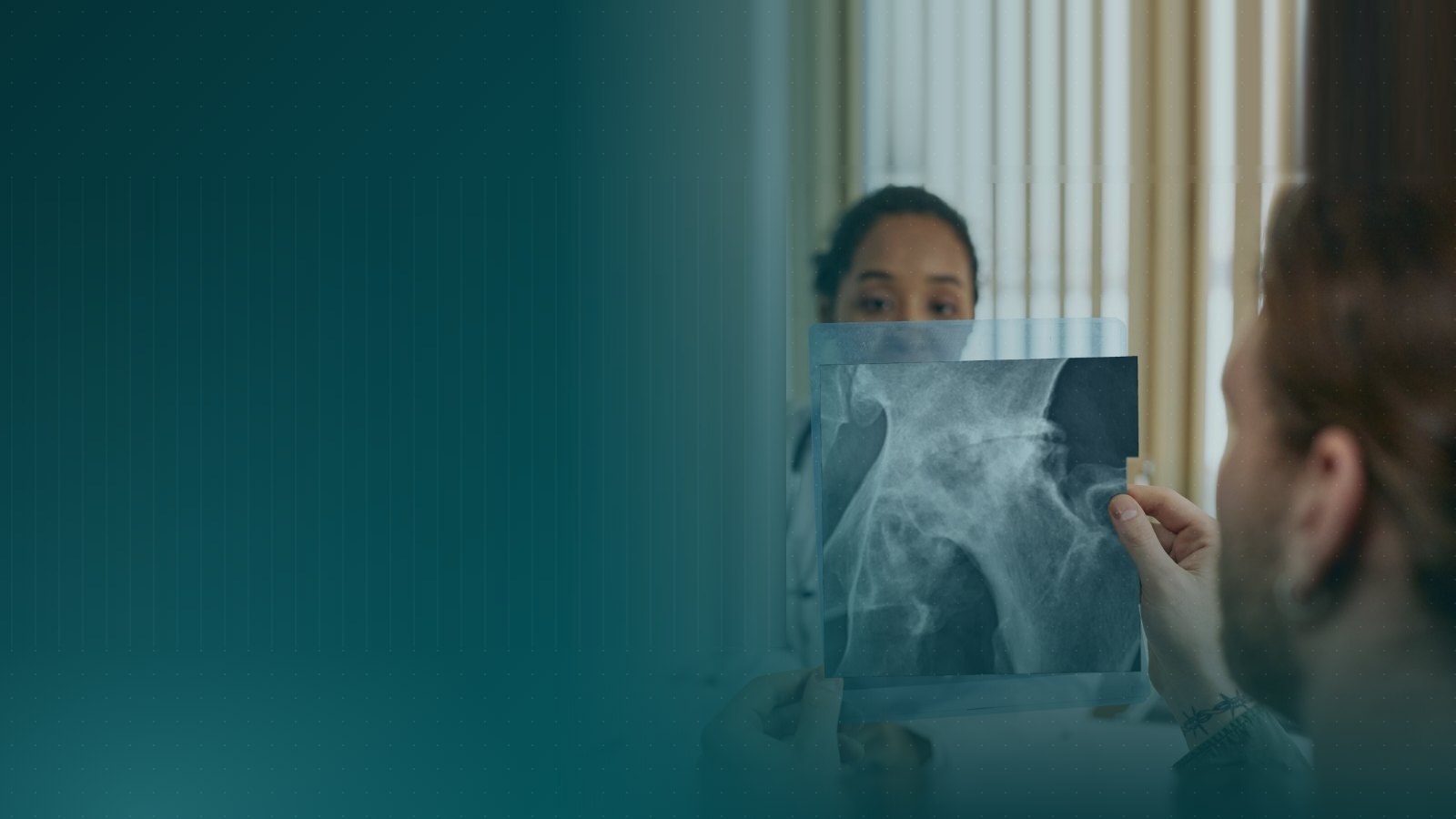
About This Page
This page answers the 75 questions international patients ask most often about Shoulder Surgery for International Patients in India: rotator cuff repair, instability, shoulder replacement, fractures, rehabilitation, cost and travel. Every answer ends with a Patient Decision Check you can take to your surgeon.
Questions 1–30
Diagnosis, Surgical Decisions and Rotator Cuff Repair: Shoulder Surgery for International Patients in India
01. When should an international patient consider travelling to India for shoulder surgery?
Overseas treatment may be reasonable when a defined shoulder condition causes persistent pain, recurrent instability, substantial weakness or loss of independence and specialist review indicates that surgery is likely to provide meaningful benefit. Relevant operations include rotator cuff repair, stabilisation after repeated dislocation, complex fracture reconstruction, and anatomic or reverse shoulder replacement. Shoulder pain alone is not an indication for surgery; many tendon problems and stiff shoulders improve with structured rehabilitation. Patients should have the diagnosis confirmed from examination findings and original images, not only an MRI summary. Before travelling, compare the procedure with non-surgical alternatives and consider the long rehabilitation required. Arrange local physiotherapy and a route for urgent postoperative care, because successful surgery abroad does not end treatment.
Patient Decision Check: Request a written diagnosis, explanation of why surgery is indicated now, alternatives, anticipated protection period and rehabilitation support after returning home.
02. How can a surgeon determine whether shoulder pain comes from the shoulder, neck or nerves?
Shoulder pain may arise from rotator cuff disease, arthritis, the acromioclavicular joint, cervical nerve irritation or occasionally another medical condition. The surgeon examines active and passive movement, strength, tenderness, instability and neck-related neurological signs. Pain radiating beyond the elbow with tingling or numbness can suggest a cervical cause, although pain patterns overlap. True loss of passive movement may suggest arthritis or frozen shoulder; preserved passive movement with weakness can suggest a cuff lesion. Shoulder X-rays are often a useful starting point, with ultrasound or MRI ordered according to the suspected tissue injury. Before surgery, symptoms and imaging must agree. Unexplained chest pressure, sweating or breathlessness demands urgent assessment rather than an orthopaedic travel plan.
Patient Decision Check: Ask whether your examination distinguishes a shoulder lesion from cervical radiculopathy and which findings support the proposed operation.
03. Which shoulder conditions usually need surgery, and which can first be treated without an operation?
Surgical decisions depend on function, tissue damage, natural history and response to carefully delivered rehabilitation. Stable tendinopathy, many partial cuff tears, early adhesive capsulitis and uncomplicated arthritis can often begin with exercise, activity changes and appropriate pain control. An acute displaced fracture-dislocation, vascular compromise or suspected septic arthritis requires urgent local care rather than elective travel. Recurrent traumatic instability, some acute full-thickness tendon ruptures, large repairable tears and end-stage painful arthritis may justify surgery after individual assessment. A person who has not completed an appropriate physiotherapy programme should not assume that a small MRI abnormality needs arthroscopy. Conversely, delaying a reparable traumatic tendon tear for months may affect treatment options.
Patient Decision Check: Ask which findings make surgery preferable to a defined nonoperative programme and whether waiting could reduce repairability or increase disability.
04. What X-rays, MRI, ultrasound or CT scans should I send for a reliable shoulder-surgery opinion?
Send the original diagnostic images in DICOM format together with their reports, rather than phone photographs of printed scans alone. Standard shoulder X-rays help assess arthritis, fractures, alignment and bone loss; ultrasound or MRI can clarify the rotator cuff, biceps and soft-tissue lesions. CT, sometimes reconstructed in three dimensions, is particularly valuable when quantifying glenoid bone loss, evaluating complex fractures or planning replacement component placement. An MRI report describing a tear does not always establish that the finding causes symptoms. Prior operative reports, implants, injections and physiotherapy records help interpret difficult cases. If imaging is old or incomplete, the surgeon may require new studies after examination in India before confirming the operation.
Patient Decision Check: Request a list of exactly which image files, views and clinical documents the surgeon needs, and which tests must be repeated after arrival.
05. How are rotator cuff tears, frozen shoulder and shoulder arthritis distinguished before treatment?
These diagnoses can all cause pain at night and difficulty reaching overhead, yet their management differs substantially. A rotator cuff tear may produce weakness when the arm is actively lifted, while another person can sometimes move that same arm passively. Frozen shoulder characteristically restricts passive as well as active movement, especially external rotation. Arthritis often causes stiffness with joint-space changes and osteophytes on X-ray; some patients have both arthritis and cuff failure. MRI findings should be considered alongside age, injury history and measured movement, since asymptomatic tears are common. Surgery for a cuff tear may disappoint if marked capsular stiffness is not recognised, and a conventional replacement may be inappropriate with an irreparable cuff.
Patient Decision Check: Ask the surgeon to document passive and active range of motion, cuff integrity and joint cartilage before deciding on repair or replacement.
06. Which shoulder injuries require immediate assessment rather than waiting to travel to India?
An unreduced shoulder dislocation, open fracture, suspected injury to the blood supply or nerves, sudden severe swelling, or a hot painful joint accompanied by fever may represent an emergency. Chest pain, breathing difficulty and unexplained fainting should not be attributed to shoulder disease without medical evaluation. Trauma patients need examination of pulses, sensation and hand movement, followed by appropriate X-rays before manipulation or treatment. Infections can destroy cartilage quickly and may require urgent drainage and antibiotics. An international flight can delay time-sensitive treatment and create avoidable risk. Even if definitive reconstructive care is later planned in India, the first priority is stabilisation and investigation close to home.
Patient Decision Check: Seek immediate local care for dislocation, fever with a hot joint, limb numbness or weak pulse; discuss overseas reconstruction only after stabilisation.
07. Can older patients with diabetes, heart disease or osteoporosis safely have shoulder surgery in India?
Age alone is not a contraindication, but anaesthetic fitness, frailty, bone quality, glucose control and the complexity of the operation affect risk. Diabetes is associated with postoperative stiffness and infection concerns; osteoporosis can influence fracture fixation and implant selection. Patients with heart or lung disease may need cardiology or anaesthesia assessment, medication adjustments and a realistic recovery plan. Some shoulder operations require regional nerve blocks as well as general anaesthesia, with special consideration for people who have respiratory limitations. A complex reverse replacement in a frail patient has different demands from routine arthroscopy in a healthy adult. The surgical team should explain both the medical risk and how sling dependence will affect dressing, toileting and independent living.
Patient Decision Check: Request preoperative optimisation goals, a personalised anaesthesia assessment, bone-health review and written assistance arrangements for the first weeks after surgery.
08. Can shoulder problems caused by rheumatoid arthritis, avascular necrosis or previous infection be operated on?
Inflammatory arthritis, osteonecrosis of the humeral head and previous septic arthritis may cause structural shoulder damage requiring tailored treatment. In rheumatoid disease, surgeons assess medication timing, inflammatory activity, cuff function and bone strength before choosing a procedure. Avascular necrosis treatment depends on joint-surface collapse and secondary arthritis; joint-preserving options may be relevant earlier, while replacement is often considered after severe collapse. A shoulder previously affected by infection is more complex because residual organisms can undermine reconstruction. Blood inflammatory markers, imaging and aspiration or cultures may be necessary before placing an implant. Overseas patients must also plan for medication continuity, specialist clearance and the possibility that surgery should be staged if infection remains uncertain.
Patient Decision Check: Ask whether the underlying disease is controlled, whether infection has been excluded, and why the recommended implant or preservation operation fits your joint damage.
09. What should I do if two surgeons recommend different shoulder operations?
Different advice may reflect genuine uncertainty about a borderline tear, glenoid bone loss, cuff quality or whether pain primarily arises from stiffness rather than a structural lesion. Ask both surgeons to interpret the same original imaging and clinical history. Their recommendations should identify the diagnosis, expected benefits, likely complications, alternatives and consequences of nonoperative treatment. For arthritis with an intact cuff, anatomic replacement may be considered; with cuff insufficiency or complex anatomy, reverse replacement may be favoured. In recurrent instability, bone defects may change a proposed Bankart repair to a bone-transfer procedure. A reliable second opinion should explain these reasons rather than simply offer a different technology or lower price.
Patient Decision Check: Request written side-by-side reasoning, including key imaging measurements, expected function and the circumstances under which each proposed procedure could fail.
10. Can an Indian shoulder surgeon make a definitive surgical plan through an online consultation?
A remote assessment can establish whether a proposed operation appears reasonable and identify missing records, major medical risks and estimated costs. The specialist should review original films, the symptoms that matter most, hand dominance, sporting or occupational demands, previous surgery and treatment already attempted. However, a video visit cannot reliably reproduce all strength tests, joint stability manoeuvres or a hands-on examination. Diagnostic uncertainty may require updated MRI, CT, ultrasound or a clinical assessment after arrival. Consent and the final procedure choice should account for those findings. Patients should not pay nonrefundable hospital or flight charges on the assumption that a provisional virtual recommendation guarantees a particular surgery.
Patient Decision Check: Obtain a provisional plan stating what is confirmed, what remains uncertain, and which tests or examination findings could change surgery or pricing.
11. When does a partial-thickness or full-thickness rotator cuff tear actually require surgical repair?
The decision is not based only on whether a radiologist uses the term full thickness. A small or medium symptomatic tear can improve with structured physiotherapy, whereas persistent functional loss, progressive weakness, a high-grade partial tear despite treatment or a traumatic full-thickness rupture may favour surgical discussion. Surgeons assess tear size, tendon retraction, muscle quality, symptom duration, activity demands and the patient's willingness to complete prolonged rehabilitation. Some chronic tears remain manageable without an operation. Repair aims to reattach tissue to bone, but tendons heal slowly and retear is possible. International patients should understand whether the proposed benefit is pain reduction, restored strength or prevention of progression, since these goals may differ.
Patient Decision Check: Ask for the tear dimensions, tendon involvement, treatment alternatives, anticipated healing potential and a realistic functional goal, not a generic repair success rate.
12. Should an acute traumatic rotator cuff tear be repaired quickly, or is it safe to wait?
A sudden loss of strength after a fall or lifting injury can indicate an acute traumatic cuff tear, especially when the shoulder moved normally beforehand. Prompt specialist evaluation is important because tendon retraction and muscle changes can make some tears more difficult to repair over time. The appropriate timing is individual; not every fresh tear requires an emergency operation or immediate overseas trip. X-rays can identify associated fractures, while MRI or ultrasound can define which tendons are involved. A severe acute tear with major weakness deserves early assessment and discussion of repairability. The surgeon must also account for inflammation, other injuries and medical preparation. International travel should not delay a time-sensitive assessment or initial stabilisation.
Patient Decision Check: Ask whether your injury is truly acute, which tendons are detached, whether a delay will change repairability, and when the surgeon recommends intervention.
13. How do tendon retraction, muscle atrophy and fatty infiltration affect rotator cuff repairability?
MRI describes more than the hole in a tendon. Retraction indicates how far the tendon has pulled away from its attachment; muscle atrophy and fatty infiltration suggest chronic changes that can reduce the chance of durable healing. A large tear that can be mobilised to bone without excessive tension may still be reparable, while a smaller tear with poor tissue quality can present challenges. Tendon involvement, patient age, smoking, diabetes, bone quality and previous operations also influence the repair plan. Surgeons may use partial repair, graft augmentation, tendon transfer or reverse replacement for selected irreparable tears rather than forcing a high-tension repair. Patients should not assume every large MRI tear requires an identical procedure.
Patient Decision Check: Request imaging-based evaluation of retraction, fatty infiltration, muscle quality and the planned alternative if a tension-free repair is not achievable.
14. Is arthroscopic rotator cuff repair better than mini-open or open surgery?
Arthroscopic repair uses a camera and narrow instruments to place sutures and anchors through small portals. Mini-open or open techniques give direct access and may be appropriate for selected unusual or revision tears. In experienced hands, each approach can achieve good outcomes when the tendon is securely repaired without excessive tension. The number of visible incisions does not establish whether the repair will heal; tendon biology, tear size, fixation and rehabilitation are equally important. Arthroscopy may facilitate assessment of associated biceps or labral lesions, but a complex tear remains a major repair even when performed through small portals. Patients should choose a surgeon experienced in their tear pattern rather than selecting a technique only because it is advertised as minimally invasive.
Patient Decision Check: Ask which repair approach offers the safest tendon fixation for your tear and what the team would do if the anatomy differs from imaging.
15. Do single-row, double-row, knotless or all-suture anchors produce a stronger cuff repair?
Surgeons use different constructs to reconnect tendon to its footprint on the humerus. A double-row or transosseous-equivalent technique may improve footprint coverage and some structural-healing measurements for appropriate tears, but it does not guarantee better pain or function for every patient. Tear configuration, bone density, tendon mobility and tissue quality often matter more than the marketing label of a particular anchor. Metal, polymer, bio-composite and all-suture anchors have different properties and potential complications. The number of anchors also influences costs. An excessively elaborate construct cannot rescue badly degenerated tissue or poor rehabilitation compliance. The surgeon should explain why a fixation strategy suits the measured tear rather than treating the most expensive design as automatically superior.
Patient Decision Check: Request the proposed number and type of anchors, reasons for the construct, implant documentation and whether the quote includes additional fixation if required.
16. Why might a rotator cuff operation also include biceps tenodesis or subscapularis repair?
The long head of the biceps tendon often becomes painful or unstable alongside cuff disease, especially when the subscapularis or its pulley mechanism is damaged. Surgeons may perform biceps tenodesis, tenotomy or treatment of the associated labral tissue depending on age, strength demands, symptoms and tendon condition. A subscapularis tear can impair internal rotation and stability and may require a separate repair with its own restrictions. These additional procedures are not automatically necessary whenever a scan reports biceps changes. They can influence rehabilitation, cosmetic appearance and the final charge. International patients should ask which associated lesions have actually been demonstrated and what intraoperative findings would justify extra treatment.
Patient Decision Check: Ask for a pre-agreed plan for the biceps and subscapularis, including reasons, functional trade-offs and charges for added procedures.
17. What are the treatment options for a massive or irreparable rotator cuff tear?
Treatment depends on age, arthritis, remaining active shoulder elevation, tendon retraction and muscle quality. A functioning shoulder with tolerable discomfort may be managed with strengthening and activity modification despite a large tear. In selected symptomatic cases, options include partial repair, debridement, biceps procedures, graft augmentation, superior capsular reconstruction or tendon transfer. Reverse shoulder replacement may be preferable when irreparable cuff deficiency produces disabling loss of elevation or cuff tear arthropathy, particularly in appropriately selected older patients. None of these operations completely recreates normal rotator cuff anatomy. The expected ability to reach overhead and behind the back should be discussed separately. Patients travelling to India should insist on a plan based on imaging and clinical function.
Patient Decision Check: Request comparison of preservation and replacement options, including likely improvement in active elevation, durability, restrictions and possibility of future revision.
18. What makes a repaired rotator cuff tear again, and can the risk be reduced?
Tendon healing can fail because of an initially large or chronic tear, poor tissue quality, tension at repair, smoking, diabetes, inadequate bone fixation or an early excessive load. A structural retear does not always mean that pain or function will become poor, but persistent weakness and discomfort require reassessment. Rehabilitation must protect the repair while gradually restoring movement and strength; premature lifting or unsupervised stretching can undermine healing. Medical optimisation, nutrition and realistic activity expectations are important. Some patients will have an intact repair on postoperative imaging but still experience stiffness or weakness. A promise of a permanent cure is inappropriate, especially for massive tears or revision surgery.
Patient Decision Check: Ask your surgeon about individual retear risk, the protection schedule, when strengthening starts and which findings warrant repeat imaging.
19. How long does rehabilitation take after arthroscopic rotator cuff repair?
A rotator cuff repair commonly needs a sling for roughly four to six weeks, although complex tears or combined procedures can change the plan. Early rehabilitation may involve protected passive movement; active movement, resistance work and heavy overhead activity are introduced progressively as healing allows. Functional recovery often continues for several months, and demanding sports or manual labour may require a considerably longer period. These stages differ from simple subacromial decompression or diagnostic arthroscopy, where restrictions may be shorter. Pain relief may precede full strength recovery. International patients who leave India after an early wound review still need supervised physiotherapy, monitoring for stiffness and reliable contact with the surgeon if milestones are not met.
Patient Decision Check: Obtain a phase-by-phase rehabilitation protocol that names sling duration, passive and active motion dates, strength milestones and prohibited lifting.
Your Next Step
Planning Shoulder Surgery for International Patients in India? Get a Surgeon's Opinion on Your MRI First
- Share your reports
- Plan your travel with our team
- Contact: +91-9860432255
20. If my first rotator cuff repair has failed, should I have revision repair or shoulder replacement?
A failed repair requires renewed examination rather than an automatic second arthroscopy. The surgeon assesses whether the tendon re-tore, whether anchors loosened, whether stiffness or arthritis is the main pain source, and whether the remaining tissue can be mobilised safely. Revision repair may suit a repairable tear with reasonable muscle quality and patient goals; larger chronic failures sometimes require partial repair, graft augmentation, tendon transfer or reverse replacement. Infection must be considered when pain is disproportionate or persistent. Revision surgery commonly has less predictable healing than primary repair and may require additional implant removal. An overseas patient should obtain prior operation notes, implant details and current MRI or CT before requesting a meaningful quotation.
Patient Decision Check: Ask why the first repair failed, whether the tendon is currently repairable, and how revision outcomes compare with nonoperative care or reverse replacement.
Instability, Labrum and AC Joint Surgery: Shoulder Surgery for International Patients in India
21. When is surgery recommended after a first shoulder dislocation or repeated instability?
A first traumatic anterior shoulder dislocation requires prompt reduction, X-ray confirmation and assessment for fractures, nerve injury and soft-tissue damage. Some patients recover with rehabilitation, particularly when the recurrence risk is relatively low. Younger contact-sport athletes, people with significant labral injury or bone loss, and those with recurrent dislocations may benefit from earlier stabilisation surgery. The decision includes age, sporting demands, hyperlaxity, previous episodes and the degree of socket or humeral-head damage. Repeated dislocation can produce progressive bone loss, making a simple labral repair less reliable. Unreduced dislocations and neurological deficits are urgent conditions, not reasons to wait for medical travel. After stabilisation, protected rehabilitation and delayed return to collision activity remain essential.
Patient Decision Check: Ask for your recurrence-risk assessment, documented bone loss, and a written comparison of rehabilitation versus early surgical stabilisation.
22. What is the difference between a Bankart tear, a SLAP tear and a rotator cuff tear?
These structures have different functions and are treated differently. A Bankart lesion involves the anteroinferior labrum and often follows anterior dislocation, causing instability. A SLAP lesion affects the superior labrum near the biceps anchor and may produce pain or catching, although some MRI findings are incidental. A rotator cuff tear involves the tendons that move and centre the humeral head and can cause pain or weakness. Patients may have more than one lesion after trauma. A labral repair is designed to restore stability, while cuff repair seeks tendon healing to bone; rehabilitation restrictions are not identical. Surgeons should connect each MRI abnormality with examination findings before offering combined arthroscopy.
Patient Decision Check: Ask which lesion actually explains your principal symptom and whether every proposed repair is necessary rather than treating incidental MRI findings.
23. How does glenoid bone loss determine whether I need Bankart repair, Latarjet or another operation?
A soft-tissue Bankart repair may be appropriate when the shoulder socket retains sufficient bone and instability arises mainly from torn capsulolabral tissue. Greater glenoid bone loss, repeated failure, collision sports or an unfavourable combined humeral-head defect can make an isolated Bankart repair less reliable. A Latarjet transfers a piece of coracoid bone to the anterior glenoid; other bone-block grafts are used in selected circumstances. CT and careful assessment of the bipolar bone defects are important, because there is no single numerical threshold that fits every patient. Latarjet introduces different risks, including graft problems and nerve injury. The procedure should be chosen for the individual's anatomy, not because it is marketed as a stronger operation.
Patient Decision Check: Request the measured percentage of glenoid bone loss, assessment of bipolar defects, and a reasoned Bankart-versus-bone-transfer recommendation.
24. What is a Hill-Sachs lesion, and when is remplissage needed during shoulder stabilisation?
A Hill-Sachs lesion is a compression defect in the humeral head caused when the shoulder dislocates against the glenoid rim. Its clinical significance depends on size, location and interaction with the amount of glenoid bone loss, not simply whether it appears on MRI. Some lesions may engage the glenoid during shoulder movement and increase recurrence risk after isolated Bankart repair. Remplissage uses soft tissue to fill or restrain a clinically important defect and may be combined with arthroscopic Bankart repair in selected patients. It can affect external rotation, so overhead athletes need particular counselling. In other patterns, a glenoid bone-transfer procedure may better address the underlying instability. A clear glenoid-track assessment guides the choice.
Patient Decision Check: Ask whether the lesion is considered on-track or off-track, what procedure will address it and whether external-rotation demands change the recommendation.
25. Can athletes return safely to rugby, cricket, swimming or overhead sports after stabilisation surgery?
Return to sport depends on the operation, healing, regained strength, movement control, psychological readiness and the risk of another impact. Collision sports impose greater instability stress than recreational swimming, while cricket bowling and overhead throwing require specific external rotation, endurance and coordination. Bankart repair, remplissage and Latarjet have different rehabilitation precautions, and no universally safe calendar date applies to everyone. Athletes commonly require several months of staged recovery and functional testing; some need longer. Recurrence can occur despite successful surgery, particularly after new trauma. International patients should arrange sport-specific physiotherapy after leaving India rather than assuming that normal daily activity means the shoulder is ready for competition.
Patient Decision Check: Request criteria for return to your exact sport, including strength symmetry, sport-specific testing, range of motion and recurrent-instability warning signs.
26. Can shoulder instability caused by loose ligaments or multidirectional laxity be treated surgically?
Multidirectional instability differs from a classic traumatic Bankart lesion. Patients may have generalized ligament laxity, poor scapular control and instability in several directions, sometimes without a single major dislocation. Specialist rehabilitation that improves dynamic muscular control is usually an essential first treatment. Surgery may be considered for carefully selected patients with persistent symptomatic instability after a sustained, appropriate programme, but recurrence and postoperative stiffness must be discussed. Arthroscopic capsular plication or other stabilisation may be used depending on anatomy and clinical findings. Treating generalised laxity as though every patient has a displaced labral tear can lead to unnecessary or unsuccessful surgery. An overseas surgeon should review rehabilitation records and a full instability examination.
Patient Decision Check: Ask whether your instability is traumatic or laxity-related, what rehabilitation has been completed and why capsular surgery might succeed where exercises have not.
27. What is posterior shoulder instability, and does it require different surgery from anterior dislocation?
Posterior instability may occur after trauma, repetitive loading or an abnormal glenoid shape. Patients can report pain, clicking, weakness or the feeling that the shoulder shifts backward during pushing movements, without a dramatic visible dislocation. Diagnosis requires directed examination and assessment of the posterior labrum, capsule and posterior glenoid bone. Arthroscopic posterior labral repair and capsular tightening can help selected cases, while significant bone loss or abnormal version may demand more complex planning. Treatment is not interchangeable with an anterior Bankart repair. Physiotherapy targeting scapular mechanics and muscle control is often important. International patients should ask the specialist to describe the direction of instability and any structural abnormality before deciding on surgery.
Patient Decision Check: Request confirmation of posterior instability direction, glenoid version and bone-loss findings, with an operation-specific recurrence and rehabilitation plan.
28. For a SLAP tear, is labral repair or biceps tenodesis more appropriate?
SLAP lesions involve the superior labrum near the biceps attachment, but MRI abnormalities are common and do not necessarily require surgery. Many patients improve with physiotherapy targeting scapular and shoulder control. If surgery is required, a younger high-demand overhead athlete with a suitable lesion may be considered for repair, whereas biceps tenodesis can be preferable for selected older patients, degenerative tears or associated biceps disease. Tenotomy is another option in particular circumstances, with different cosmetic and cramping considerations. The surgeon should explain how the operation may affect throwing, heavy work and recovery. An arthroscopic label alone does not indicate that a damaged superior labrum must be stitched back into place.
Patient Decision Check: Ask whether the SLAP lesion is clinically symptomatic, why repair or tenodesis suits your age and activity, and what functional compromises to expect.
29. When does an acromioclavicular joint separation need surgical reconstruction?
The acromioclavicular joint can be injured when a person falls on the shoulder, damaging ligaments between the collarbone and shoulder blade. Lower-grade separations often improve with a sling, analgesia and physiotherapy. More severe displacement, ongoing pain, occupational demands or high-grade instability may prompt discussion of reconstruction. Operations may use fixation devices, ligament reconstruction or grafts, each with potential loss of reduction, implant irritation or hardware removal. Early and chronic injuries have different technical considerations. A visible bump alone is not proof that surgery will improve function. For international patients, realistic recovery requires avoiding heavy lifting while the reconstructed ligaments heal and arranging follow-up imaging where indicated.
Patient Decision Check: Ask for your injury grade, instability direction, nonoperative alternatives, planned fixation method and whether secondary hardware removal may be needed.
30. How is painful AC joint arthritis treated, and when is distal clavicle excision useful?
Acromioclavicular arthritis often causes pain at the top of the shoulder, particularly when reaching across the body. However, age-related AC joint changes are very common on imaging and can be painless. Examination, focused imaging and occasionally a diagnostic injection help determine whether the AC joint is the true source of symptoms rather than the rotator cuff or cervical spine. Activity changes, physiotherapy and suitable pain treatments often precede surgery. Distal clavicle excision may relieve persistent, clearly localised AC pain in selected patients, sometimes during surgery for a separate documented problem. Removing bone unnecessarily can create instability or ongoing discomfort. International patients should ask how the surgeon confirmed the pain generator before adding this procedure.
Patient Decision Check: Request clinical evidence that the AC joint causes your pain and written justification for distal clavicle excision rather than continued conservative care.
Questions 31–50
Shoulder Replacement, Fractures and Special Problems: Shoulder Surgery for International Patients in India
31. When is anatomic total shoulder replacement appropriate for advanced shoulder arthritis?
Anatomic total shoulder replacement replaces the worn humeral head and glenoid surfaces while preserving the normal ball-and-socket arrangement. It is often considered for painful advanced osteoarthritis when the rotator cuff remains functional and nonoperative measures no longer provide acceptable relief. Surgeons examine active and passive motion, cuff strength, glenoid wear, bone stock and medical fitness. X-rays are essential, with CT sometimes used to plan component position or correct socket deformity. The principal expected benefit is pain relief; improvement in movement depends on preoperative stiffness and soft-tissue function. Anatomic replacement is not appropriate for every arthritic shoulder, particularly when the cuff is irreparably deficient or the glenoid cannot safely support the planned component.
Patient Decision Check: Ask whether the rotator cuff and glenoid bone are adequate for anatomic replacement and what pain relief and movement improvement are realistic.
32. What is the difference between anatomic and reverse total shoulder replacement?
Anatomic replacement restores a conventional ball on the humerus and socket on the glenoid, requiring a reasonably functioning rotator cuff for joint control. Reverse replacement changes the geometry so a ball is fixed to the glenoid and a socket to the humerus, allowing the deltoid to compensate for deficient cuff function in selected patients. Both can relieve arthritic pain, but their suitability, range-of-motion expectations and complication patterns differ. Reverse replacement may be favoured for cuff tear arthropathy, complex fractures or revision surgery; anatomic replacement can be attractive when the cuff is healthy. Neither design makes the shoulder permanently normal. Implant choice also depends on bone defects, instability, age and the patient's daily functional priorities.
Patient Decision Check: Ask for evidence of cuff function and glenoid quality and a side-by-side comparison of expected elevation, rotation, restrictions and revision options.
33. Is reverse shoulder replacement the best option for cuff tear arthropathy or pseudoparalysis?
Cuff tear arthropathy combines major rotator cuff failure with degenerative changes in the glenohumeral joint. Some patients cannot actively raise the arm despite sufficient passive motion, a problem sometimes termed pseudoparalysis. Reverse arthroplasty can improve pain and active elevation by changing the shoulder mechanics to rely more on the deltoid. However, a functioning deltoid and appropriate neurological status are important, and internal or external rotation may remain limited. Infection, glenoid bone loss, acromial stress fracture, instability and implant loosening remain potential complications. A patient with a massive tear but little arthritis and good active function may have reasonable non-replacement alternatives. The decision should reflect actual disability and reconstructive options.
Patient Decision Check: Ask whether your shoulder has true cuff tear arthropathy, whether the deltoid functions normally, and which movements may remain limited after reverse replacement.
34. Can reverse shoulder replacement treat a severely fractured shoulder in an older patient?
Complex displaced proximal humeral fractures sometimes cannot be reconstructed reliably with plates and screws, especially with osteoporosis, humeral-head damage or badly displaced tuberosities. In selected older patients, reverse replacement may provide more dependable pain relief and functional recovery than difficult fixation, but many proximal humeral fractures can still be treated without surgery. The fracture pattern, pre-injury independence, cognitive status, nerve function and available bone determine selection. Repair and healing of the tuberosities can influence rotation after reverse replacement. Surgery is time-sensitive in some patterns but should follow urgent local evaluation and stabilisation. An overseas consultation should review X-rays and CT when needed, rather than treat every multi-part fracture as a replacement indication.
Patient Decision Check: Request a fracture-specific comparison of nonoperative care, fixation and reverse replacement, including expected function, timing and tuberosity-healing concerns.
35. When are hemiarthroplasty, humeral resurfacing or stemless replacement considered instead of total replacement?
Hemiarthroplasty replaces only the humeral head, leaving the patient's natural glenoid surface in place. It may be considered for selected fractures or when the socket is relatively preserved, although it can produce poorer arthritis pain relief than a suitable total replacement. Resurfacing and stemless designs preserve portions of humeral bone and may have roles in appropriately selected anatomy, but bone quality, cuff function and future revision strategy are central. A smaller or bone-preserving implant is not automatically preferable if the glenoid is already badly worn. Younger patients must discuss cumulative implant demands and the potential for later conversion. The final procedure should match the disease rather than the convenience of a particular manufacturer's catalogue.
Patient Decision Check: Ask what proportion of cartilage remains on the glenoid, why a partial or stemless implant is appropriate, and how later conversion would work.
36. How are severe glenoid wear and bone loss managed during shoulder replacement?
The glenoid socket can become eroded, tilted or deficient after years of arthritis, recurrent instability or failed surgery. CT-based measurements and sometimes three-dimensional planning help the surgeon estimate version, inclination, remaining bone and fixation options. Strategies may include eccentric reaming, augmented components, bone grafting or specialised baseplates, depending on whether anatomic or reverse replacement is planned. Complex deficiencies may require custom-designed reconstruction, but most patients do not need patient-specific implants. The greatest concern is stable implant fixation without removing excessive remaining bone. International patients may need additional scans, special implant procurement and a higher contingency budget. A surgeon experienced in complex shoulder arthroplasty should explain the plan for unexpected defects.
Patient Decision Check: Ask for the measured glenoid defect, preoperative CT plan, standard versus augmented implant choice and contingency if adequate fixation cannot be achieved.
37. How do surgeons choose between stemmed, short-stem and stemless shoulder implants?
Humeral components can be fixed with traditional stems, shorter stems or stemless metaphyseal designs, depending on the operation and bone quality. A stem may offer reliable fixation in certain fractures, revision procedures or poor proximal bone, while stemless options may preserve bone for suitable elective arthritis cases. Cemented or press-fit fixation also depends on anatomy and structural strength. A modern design does not ensure longer survival for an individual patient; outcomes depend on the complete implant construct, component positioning, soft-tissue balance and follow-up. Patients with osteoporosis, deformity or previous hardware may not be candidates for every design. Surgeons should be able to explain their preferred system and how component availability affects potential revision surgery.
Patient Decision Check: Request the exact humeral and glenoid implant models, fixation method, bone-quality rationale and written implant labels for future follow-up.
38. How long can a shoulder replacement last, and what activities might shorten implant life?
Many shoulder replacements provide long-term pain relief, but durability varies with the implant type, diagnosis, fixation, patient activity and surgical technique. Wear, loosening, instability, rotator cuff failure, fractures and infection can eventually require revision. A specific implant lifespan cannot be guaranteed, especially in young heavy labourers or patients with complex bone defects. Low-impact recreational activities may be feasible after recovery, but repetitive very heavy overhead loading and impact sports can place different demands on the reconstruction. Reverse replacement may improve overhead elevation without restoring the strength and rotation of a normal shoulder. Periodic clinical review and imaging may identify concerning changes before major bone loss develops.
Patient Decision Check: Ask for implant-specific long-term evidence, realistic activity restrictions and a surveillance schedule that can be continued in your home country.
Your Next Step
Get a Written, Itemised Quote for Shoulder Surgery for International Patients in India
- Share your reports
- Plan your travel with our team
- Contact: +91-9860432255
39. What happens when an earlier shoulder replacement loosens, dislocates or becomes infected?
A painful replacement should be evaluated for loosening, instability, fracture, cuff failure and infection before any revision procedure is booked. Plain X-rays and CT can show component position or bone loss; inflammatory markers, joint aspiration and appropriately obtained cultures may be required when infection is suspected. Revision surgery can involve exchanging components, adding bone graft, converting anatomic to reverse replacement or staged treatment of infection. Cutibacterium acnes and other organisms may produce subtle symptoms, so a normal-looking incision does not exclude deep infection. Revision often carries greater risks and costs than first-time replacement. International patients need previous operative notes, implant identifiers, culture results and realistic contingency plans before travelling.
Patient Decision Check: Ask for a formal failure diagnosis, infection work-up, bone-loss assessment and written explanation of single-stage versus staged revision possibilities.
40. Can both shoulders be replaced during one trip, and should the operations be staged?
Bilateral shoulder arthritis can be disabling, but simultaneous operations create major difficulties with dressing, toileting, getting out of bed and using walking aids because both arms may be protected. Surgeons usually consider a staged strategy, guided by medical fitness, available assistance and recovery from the first operation. The interval is individual and may extend beyond one short international visit. A second procedure should not be scheduled merely to reduce travel expense if the patient cannot safely function during overlapping sling restrictions. The worse shoulder is often prioritised, although handedness, balance and need for crutches can alter that decision. A home support plan is especially important for older patients or those living alone.
Patient Decision Check: Ask which shoulder should be treated first, required independence milestones, safe timing of the second operation and attendant support during each recovery.
41. How do surgeons decide between a sling, plates and screws, or replacement for a proximal humerus fracture?
Many proximal humerus fractures heal satisfactorily with sling protection, gradual movement and appropriate follow-up, particularly when fragments are not markedly displaced. Surgery may be considered for certain fracture-dislocations, head-splitting injuries, significant displacement, unstable patterns or cases where the expected function with nonoperative care is poor. Options include fixation using a locking plate or nails and, for selected complex fractures, shoulder replacement. Older patients with weak bone may have higher fixation failure risk, yet surgery does not improve outcomes in every displaced fracture. Assessment includes the number and position of fragments, blood supply to the head, tuberosity displacement, nerve status and patient needs. Acute fracture decisions require prompt local specialist assessment before any overseas travel is arranged.
Patient Decision Check: Request comparison of likely healing and reoperation risks with nonoperative care, fixation and arthroplasty for your exact fracture pattern.
42. When does a broken collarbone require surgical fixation, and what should I know about hardware?
Most clavicle fractures can be treated without surgery. Fixation may be considered when the bone is markedly displaced or shortened, skin is threatened, the fracture is open, multiple injuries are present or expected healing is compromised. Plates and screws can stabilise selected fractures, but risks include infection, numbness around the incision, prominent hardware, nonunion and occasionally subsequent implant removal. Decisions should take into account the precise fracture location and configuration, occupation and smoking status. A visible bump on the collarbone does not necessarily indicate poor function. International patients should plan both early wound review and later imaging to confirm healing. Flying abroad with an unstable open fracture or threatened skin without first receiving urgent local care is unsafe.
Patient Decision Check: Ask for the specific reason fixation is recommended, estimated union prospects, implant position, restrictions and likelihood that removal might later be discussed.
43. How are glenoid and scapular fractures assessed before choosing surgery?
Fractures of the shoulder socket or scapula require careful differentiation because their risks vary with displacement and joint involvement. Many scapular body fractures heal with conservative treatment, while displaced glenoid articular fractures, associated instability or certain complex shoulder-girdle injuries may warrant fixation. CT with three-dimensional reconstruction can clarify the joint step-off, fragment size and relationship to the scapular neck or nearby vessels. Surgeons must examine nerve function and look for chest injuries after high-energy trauma. A large operation may be necessary despite relatively small external wounds, and rehabilitation can be prolonged. International patients should obtain early trauma assessment at home; definitive planning abroad is appropriate only when transport is medically safe.
Patient Decision Check: Request CT-based measurements of articular displacement, associated chest or nerve injuries, and the specific benefit expected from fixation.
44. Can a shoulder fracture-dislocation damage nerves or blood vessels, and how is this managed?
A fracture-dislocation can injure the axillary nerve, brachial plexus or nearby vessels, especially after high-energy trauma or difficult reduction. Loss of shoulder sensation, inability to contract the deltoid, a cold hand or a weak pulse requires urgent assessment. The immediate priorities are safe reduction, examination before and after manipulation, imaging and treatment of any vascular injury. Some nerve symptoms recover gradually, while others require specialist monitoring or further investigation. An elective reconstruction cannot restore function if major neural injury is ignored. Surgeons considering later fixation or replacement must distinguish mechanical limitation from nerve-related weakness. A patient should not postpone evaluation while arranging a medical visa or waiting for an international consultation.
Patient Decision Check: Confirm that pulses, hand movement, deltoid function and axillary sensation have been documented, and ask whether nerve or vascular referral is needed.
45. What are the options after a failed Bankart or Latarjet shoulder stabilisation?
Recurrent instability after surgery may reflect renewed trauma, missed glenoid or humeral bone loss, capsular laxity, a damaged graft or technical failure. Revision planning requires the original operation note, anchor or screw details and fresh imaging, frequently CT to assess bone stock and graft position. Another soft-tissue repair may be reasonable for selected patients with adequate bone, whereas a bone-block reconstruction or graft revision may be required for substantial defects. Revision Latarjet is technically demanding because of scar tissue, altered anatomy and nerve proximity. Persistent pain without true instability should prompt investigation for arthritis, infection or hardware irritation rather than automatic restabilisation. International patients should seek a surgeon experienced with complex instability revisions.
Patient Decision Check: Ask for the identified failure mechanism, measured current bone defects and a procedure-specific plan for recurrence, nerve protection and implant removal.
46. Does calcific tendinitis require arthroscopy, or can the calcium deposit be treated without surgery?
Calcific tendinitis occurs when calcium deposits develop within a rotator cuff tendon and can cause episodes of severe pain. Many cases improve over time with appropriate pain control, guided exercises and observation; selected patients may benefit from focused treatments such as ultrasound-guided needling or lavage, depending on the deposit and local expertise. Surgery is generally considered for persistent symptoms after suitable nonoperative treatment, not simply because a deposit is visible on X-ray. Arthroscopy may involve removal of a symptomatic deposit and assessment or repair of any resulting tendon defect. Excessive tendon removal can weaken the cuff, so the repair plan matters. An overseas patient should first confirm that the deposit explains the pain and that less invasive treatment has been discussed.
Patient Decision Check: Ask whether symptoms correlate with deposit location, what nonsurgical treatments remain appropriate and whether tendon repair could be needed after deposit removal.
47. When is arthroscopic capsular release or manipulation considered for frozen shoulder?
Frozen shoulder causes painful restriction of both active and passive movement and often improves gradually with time, appropriate physiotherapy and selected injections. Diabetes and thyroid disease can complicate its course. When prolonged disability persists despite suitable care, a surgeon may discuss manipulation under anaesthesia or arthroscopic capsular release, which can improve movement in selected patients. Both carry risks, including fracture, instability, nerve injury or recurrence, and neither substitutes for postoperative movement rehabilitation. Surgery may be inappropriate if the primary problem is severe arthritis rather than capsular contracture. International patients must arrange prompt, supervised physiotherapy after release; otherwise the shoulder can stiffen again. The plan should distinguish pain-control goals from restoration of external rotation and functional reach.
Patient Decision Check: Request confirmation of true capsular restriction, prior treatment adequacy and immediate postoperative physiotherapy arrangements before considering release.
48. Can an infected shoulder joint or infected surgical implant safely be treated as planned medical tourism?
A hot, swollen, extremely painful shoulder accompanied by fever or systemic illness raises concern for septic arthritis and requires urgent local medical assessment. Diagnosis may involve aspiration for cell count and culture, blood tests and imaging. Delay can damage cartilage and cause sepsis; urgent washout and appropriately directed antibiotics may be necessary. Infection involving a prior shoulder implant can be harder to recognise and may require specialist culture techniques, longer observation and staged surgery depending on organism and implant stability. An ordinary elective surgery package is not suitable for an unresolved infection. Patients should not start or stop antibiotics simply to change test results without medical supervision. International referral may be considered after stabilisation and coordinated infection planning.
Patient Decision Check: If infection is suspected, seek urgent local care; ask for aspiration or culture findings and a specialist infection strategy before any overseas booking.
49. Does diabetes increase the risk of postoperative stiffness or infection after shoulder surgery?
Poorly controlled diabetes can increase concern about wound complications, infection and slower healing, and it is associated with adhesive capsulitis. The risk differs for a brief arthroscopy, major cuff repair and prosthetic joint replacement. Before surgery, the medical team should assess recent glycaemic control, current medicines, kidney function, skin integrity and other illnesses. Some patients need glucose monitoring adjustments around anaesthesia and steroid injections. Rehabilitation should be individualised because prolonged immobilisation may aggravate stiffness, while early unprotected activity can endanger a tendon repair. An international patient must understand how diabetes medicines will be managed during travel and reduced appetite after surgery. Optimisation is useful, but an arbitrary single laboratory target should not replace a clinician's assessment.
Patient Decision Check: Ask for a written glucose-management plan, infection-risk discussion and a rehabilitation schedule balancing stiffness prevention with protection of the repair.
50. What is suprascapular or axillary nerve injury, and can shoulder surgery restore lost strength?
The suprascapular and axillary nerves help power important shoulder muscles. Injury may follow trauma, dislocation, cyst compression, traction or previous surgery, and can cause weakness that resembles rotator cuff failure. Examination evaluates specific muscles, sensation and neck-related symptoms; MRI can show muscle changes, while nerve conduction studies or electromyography may help in appropriately timed cases. Treatment depends on the cause and duration, ranging from observation and physiotherapy to selected decompression or reconstructive procedures. Reattaching a torn cuff will not necessarily recover strength when a nerve is severely impaired. Some nerve injuries recover slowly and may not regain full function. Patients should be told when nerve damage affects the expected result of shoulder replacement or tendon transfer.
Patient Decision Check: Ask whether weakness is tendon-related, nerve-related or both, and which nerve tests and recovery expectations apply before surgery.
Questions 51–75
Anaesthesia, Complications and Rehabilitation: Shoulder Surgery for International Patients in India
51. What anaesthesia is normally used for shoulder surgery, and what are the risks of an interscalene nerve block?
Shoulder procedures are commonly performed under general anaesthesia, often with a regional nerve block to reduce early postoperative pain. An interscalene block targets nerves near the neck and can provide excellent analgesia, but may temporarily affect the diaphragm on the same side, cause arm numbness or produce other uncommon complications. People with significant respiratory disease need special consideration; alternative regional techniques or different pain-control strategies may be more suitable. Preoperative assessment includes medicines, allergies, previous anaesthesia problems and airway or cardiopulmonary status. Some operations also require careful positioning in the beach-chair or lateral position. International patients should receive a plan for how pain will be managed when the block wears off, rather than relying on a pain-free first evening.
Patient Decision Check: Ask the anaesthetist whether a nerve block suits your lung function, what alternatives exist and how breakthrough pain will be treated afterward.
52. What are the major complications of arthroscopic rotator cuff repair or shoulder stabilisation?
Potential complications include infection, bleeding, stiffness, nerve or vessel injury, persistent pain, failure of tendon healing, recurrent instability and problems with anchors or grafts. Arthroscopy usually involves small skin incisions, but its internal repair may require months of protection; small scars do not eliminate meaningful risk. After stabilisation, loss of external rotation or recurrent dislocation can affect athletic function. After cuff repair, structural retear and persistent weakness may occur despite appropriate technique. The risk profile depends on tear size, bone loss, patient health and previous surgery. Patients should ask for complication rates relevant to their exact procedure, not a single hospital-wide success claim. The hospital should also have a clear escalation plan for unexpected neurological symptoms or postoperative infection.
Patient Decision Check: Request surgeon-specific experience, major complication definitions and a written explanation of retear or recurrence risk for your anatomy and activity level.
53. How are blood clots, infection and other general postoperative risks reduced after shoulder surgery?
Although clot risk after many routine shoulder procedures is relatively low, it is not zero and may rise with major fracture surgery, previous thrombosis, cancer, limited mobility or lengthy international travel. Prevention includes individual risk assessment, early safe walking and selective use of mechanical or medication-based prophylaxis when indicated. Wound infection prevention involves appropriate preparation, perioperative antibiotics and careful monitoring; implant cases need additional infection vigilance. A new painful swollen arm or leg, sudden breathlessness or chest pain requires urgent medical evaluation. The surgeon must balance clot prevention against postoperative bleeding, particularly when a nerve block or significant fracture is involved. Patients should not begin blood thinners solely because they plan a long flight.
Patient Decision Check: Ask for your individual clot and infection risk assessment, the chosen prevention measures and red-flag symptoms requiring immediate care.
54. How much pain is normal after shoulder surgery, and how will medicines be managed?
Pain differs widely between simple arthroscopy, tendon repair, fracture fixation and joint replacement. A nerve block may initially make the arm numb and comfortable; discomfort can increase when it wears off. Multimodal pain management may include appropriate non-opioid medicines, regional anaesthesia and short-term stronger medication when necessary. Drug choices must account for kidney or liver disease, gastric risk, allergies and current anticoagulants. Ice, supported sleep positioning and sling adjustment can also help. Increasing pain accompanied by fever, drainage, new weakness or severe swelling should not be dismissed as routine postoperative soreness. Overseas patients need clear prescriptions, instructions on medication availability at home and emergency contacts if pain control becomes difficult.
Patient Decision Check: Obtain the first-week pain schedule, dosing precautions, anticipated nerve-block duration and exact symptoms that should trigger urgent review.
55. How long will I wear a sling after cuff repair, Bankart surgery or shoulder replacement?
Sling duration is procedure-specific and should not be inferred from the size of the incision. Rotator cuff repairs commonly require protection for approximately four to six weeks, with changes for tissue quality and repair complexity. Stabilisation procedures similarly restrict risky positions during early healing; shoulder replacements may use a sling for several weeks depending on implant type and soft-tissue reconstruction. A simple diagnostic arthroscopy can have much shorter restrictions. Some patients are instructed to remove the sling for prescribed elbow, wrist or passive shoulder exercises, but not for unapproved lifting. Sleeping, bathing and putting on clothing require preparation. International patients should arrange safe transport and an attendant if one-handed living will be difficult.
Patient Decision Check: Ask for the exact sling model, daytime and nighttime duration, permitted exercises and when the arm can be used for dressing or transfers.
56. How does rehabilitation differ after a cuff repair, Bankart repair, Latarjet and reverse replacement?
Each operation repairs or reconstructs different tissues. After cuff repair, early motion is limited to protect tendon-to-bone healing, followed by progressive active motion and strengthening. After Bankart repair, external rotation and abduction positions may be restricted to protect the labral repair. Latarjet rehabilitation also considers bone-block healing and subscapularis recovery. Reverse replacement prioritises safe deltoid function and avoids certain combined extension, adduction and internal-rotation positions early in recovery, depending on the surgeon's protocol. A generic internet shoulder programme can be harmful if it advances movement prematurely. The therapist needs the final operative note, associated procedures and any modified restrictions. A patient travelling internationally must find a competent physiotherapist before discharge.
Patient Decision Check: Request an operation-specific written rehabilitation protocol with prohibited movements, progression dates, strengthening rules and the name of your home physiotherapist.
57. Why do some patients develop shoulder stiffness after surgery, and how is it treated?
Stiffness may result from pre-existing adhesive capsulitis, postoperative inflammation, pain-related guarding, prolonged protection or scar formation. Diabetes, previous surgery and some complex repairs can increase risk. However, moving a freshly repaired tendon too aggressively can also cause failure, so stiffness prevention must be balanced against tissue healing. Rehabilitation may include gradually progressed passive and active movement, pain control and assessment for mechanical problems. Persistent severe stiffness or unexpected pain sometimes warrants imaging or further evaluation to distinguish capsular contracture from infection, hardware problems or retear. Secondary manipulation or release is reserved for selected resistant cases rather than offered early by default. International patients should send serial range-of-motion measurements to their treating surgeon.
Patient Decision Check: Ask what range-of-motion milestones are safe for your repair and when delayed recovery should trigger reassessment rather than intensified exercise.
Your Next Step
Ask About Recovery, Flights and Follow-Up After Shoulder Surgery for International Patients in India
- Share your reports
- Plan your travel with our team
- Contact: +91-9860432255
58. When can I drive, return to office work or manage household activities after shoulder surgery?
Driving requires adequate control of the steering wheel, emergency manoeuvres, freedom from sedating pain medicines and compliance with sling restrictions and local law. It is generally unsafe to drive while the operated arm is immobilised. Desk work may resume earlier than heavy lifting, but typing, commuting and sleeping difficulties can still limit performance. Patients recovering from cuff repair or replacement often require several weeks of modified self-care and a longer period before manual labour. Bathing, toileting, cooking and dressing may require an attendant in the first days or weeks, especially when the dominant arm was operated on. Overseas patients should plan realistic leave from employment and avoid assuming hospital discharge equals restored independence.
Patient Decision Check: Request an individual clearance plan for driving, desk work, lifting and self-care based on your dominant arm, sling requirements and operation.
59. When can I lift weights, swim, play cricket or return to demanding overhead activity?
Return to higher-load activities depends on healing and functional testing, not a single advertised date. Rotator cuff tendon-to-bone healing and the rebuilding of strength can require months; contact-sport or throwing demands may take longer than daily activities. Shoulder replacement has a different long-term load profile, and surgeons may discourage repeated heavy lifting or high-impact sports that threaten implant longevity. Swimming, gym training and racket sports should be introduced in graduated stages after adequate strength, range and control return. Pain relief alone is not proof that a repair is ready for unrestricted activity. Patients returning to their home country need a sport- or job-specific progression and a mechanism for remote review if weakness or instability reappears.
Patient Decision Check: Ask for objective strength and motion criteria for your specific sport or job and which loads should remain restricted indefinitely.
60. Which postoperative warning signs require urgent medical attention after I leave India?
Fever with a painful hot shoulder, increasing wound drainage, rapidly worsening swelling, uncontrolled bleeding, new hand weakness or numbness and severe unexplained pain require prompt medical assessment. Sudden chest pain, breathlessness or fainting may indicate a serious cardiopulmonary problem and should be treated as an emergency. A new dislocation, fall or suspected fracture near an implant also needs urgent imaging. Contacting the operating surgeon is useful, but should not delay attendance at the nearest capable emergency facility. Patients should carry their implant information, operation note, discharge summary and current medicine list. Remote video review cannot diagnose deep infection, vascular injury or a blood clot reliably without local tests.
Patient Decision Check: Before flying, identify a suitable emergency hospital at home and obtain written instructions for fever, wound change, neurovascular symptoms and chest complaints.
Costs, Surgeon Selection and Follow-Up: Shoulder Surgery for International Patients in India
61. What is the indicative cost of arthroscopic rotator cuff repair in India for an international patient?
The cost varies substantially with tear size, number and type of anchors, associated biceps or subscapularis procedures, surgeon fees and hospital category. Published Indian hospital and treatment listings describe broad local prices for shoulder arthroscopy and complex tendon or labral repair; international patient packages may be higher because the included services and room classes differ. For preliminary planning, an international hospital listing quotes rotator cuff repair from about USD 3,500, while commercial 2026 planning bands are approximately USD 3,500-6,000; these are not audited national tariffs or guaranteed offers. A massive or revision tear requiring graft augmentation can cost more. Patients need a surgeon-reviewed itemised quotation specifying implant counts, investigations, anaesthesia, hospital nights, sling and postoperative physiotherapy.
Patient Decision Check: Compare written estimates based on the same MRI and repair scope, with separate line items for anchors, biceps work, grafts and exclusions.
62. How much do Bankart repair, remplissage and Latarjet surgery typically cost in India?
Shoulder stabilisation prices depend on whether the surgeon performs arthroscopic labral repair alone, adds remplissage for a relevant Hill-Sachs defect, or uses a Latarjet or other bone-block procedure for significant glenoid deficiency. Commercial international-patient listings in 2026 describe starting Bankart packages around USD 3,500-4,200 and higher ranges for added procedures, but these are promotional planning figures, not audited hospital tariffs. Domestic rupee pricing is often lower and is not interchangeable with a foreign-patient offer. Hardware, CT, bone graft, operating time and admission length can all increase charges. The correct operation should be determined by instability anatomy before comparing prices, since an inexpensive but unsuitable repair may create costly recurrence.
Patient Decision Check: Ask each hospital to quote the exact Bankart, Bankart-plus-remplissage or Latarjet plan, including fixation hardware, CT, revision contingencies and follow-up.
63. What do anatomic and reverse total shoulder replacements cost in India?
Shoulder replacement costs are driven by the implant system, glenoid fixation, bone grafts or augments, surgeon complexity and expected hospital monitoring. An Indian hospital's published domestic figures list approximately INR 3-6 lakh for anatomic total replacement and INR 3.5-7.2 lakh for reverse replacement, while a major Indian hospital lists shoulder replacement for international patients from about USD 8,500, with complex reverse or revision operations sometimes higher. These sources describe different populations and inclusions and should not be merged into one guaranteed patient quote. Complex glenoid deformity, revision surgery or imported specialised components can raise the total. Patients should request the complete manufacturer and component details and a written price after the surgeon reviews CT and cuff function.
Patient Decision Check: Obtain implant-specific written quotations for anatomic and reverse options, including glenoid augmentation, operating-room costs, ICU contingencies and rehabilitation.
64. Why is revision shoulder replacement or complex fracture reconstruction more expensive than routine surgery?
Revision and complex trauma operations may require removal of old hardware, cultures to exclude infection, bone grafts, augmented implants, longer anaesthesia and a larger specialist team. In some cases the final reconstruction cannot be defined until loose components or bone defects are exposed. Published Indian domestic listings place revision replacement above many routine primary procedures, but one figure cannot represent infection, custom prostheses and staged operations. Complex fractures may also involve CT mapping, specialised fixation devices and additional admissions. International patients should budget for the possibility of transfusion, critical-care monitoring or a return to theatre. A package that excludes these contingencies may look cheaper initially but create substantial unpredictable expenditure.
Patient Decision Check: Ask for a best-case estimate plus explicit financial scenarios for grafts, unexpected bone loss, infection work-up, conversion and longer admission.
65. Why might two Indian hospitals quote very different prices for the same shoulder procedure?
Two quotations may use the same name but cover different surgery. One cuff repair quote might include three standard anchors, while another assumes more fixation points, biceps tenodesis or graft augmentation. Shoulder replacement packages may contain different manufacturers, implant generations, room categories, physiotherapy sessions or postoperative imaging. Surgeon seniority, case complexity, insurance arrangements and admission duration also influence billing. A low quote may exclude preoperative scans, anaesthesia add-ons, blood products, outpatient visits or management of complications. Comparing only headline prices can mask clinically meaningful differences. International patients should send the same MRI, X-rays and medical history to each centre, request a named operating surgeon and ask whether the final operation can change after examination.
Patient Decision Check: Use a side-by-side itemised comparison listing actual procedure, implants, surgeon, expected stay, medications, exclusions and price changes after complications.
66. What is usually included or excluded from a shoulder-surgery package in India?
A shoulder surgery package may include routine surgeon and anaesthesia fees, operating room use, standard implants or anchors, nursing care, medicines during admission and a defined number of hospital nights. However, inclusions are not standardised. Preoperative MRI or CT, extra anchors, grafts, ICU stay, blood tests beyond the standard panel, physiotherapy after discharge, braces, complications and revision procedures may be billed separately. Some providers offer airport transfer or visa-letter assistance, but these services should not be assumed. The patient may also need outpatient pain medicines, wound review and a qualified physiotherapist during a longer hotel stay. Patients should distinguish a capped package from an estimate subject to actual utilisation.
Patient Decision Check: Request a signed list of included and excluded services, implant allowance, complication policy, extra-day rates and payment or refund terms.
67. What additional travel, accommodation and rehabilitation expenses should shoulder patients budget for?
The full cost of treatment abroad includes more than the hospital invoice. Allow for flights, visa fees, an accompanying caregiver if needed, an accessible hotel, local transport, food, extra clinic visits, physiotherapy and possible flight changes. A sling can make luggage handling and dressing difficult, particularly after surgery on the dominant arm. Some patients need to remain near the hospital until the wound is checked and medication or exercise instructions are stable. Complications may extend the visit or require urgent readmission, so a separate contingency reserve is sensible. Once home, months of rehabilitation can be a material ongoing expense. Travel insurance policies often limit coverage for planned operations or related complications; written confirmation of benefits is essential.
Patient Decision Check: Build a complete trip budget with surgery, accommodation, attendant, physiotherapy, return-flight flexibility, emergency reserve and home-country follow-up.
68. How should Indian shoulder-surgery costs be compared with treatment in the USA, UK or Australia?
Meaningful international comparisons require the same diagnosis, operation, implant quality, hospital stay and rehabilitation scope. A domestic insurer reimbursement, a private self-pay hospital bill and an international patient package are not equivalent prices. Publicly available overseas charges can vary widely by health system, surgeon, facility and coverage, so a headline percentage saving should not be treated as an individual prediction. India may offer substantial self-pay cost advantages for selected shoulder operations, but the financial decision must include airfare, caregiver costs, complications, physiotherapy and any follow-up needed at home. For shoulder replacement, a cheaper device is not automatically good value if the revision pathway is poorly supported. Medical quality and a safe rehabilitation plan remain primary.
Patient Decision Check: Compare like-for-like written quotations in the same currency and calculate savings only after including implants, rehabilitation, travel and contingency expenses.
69. How should I choose a shoulder surgeon and hospital in India for my particular condition?
Choose a surgeon who regularly performs the exact operation you need, not simply someone labelled a general orthopaedic or arthroscopy specialist. High-quality cuff repair, Latarjet reconstruction, complex fracture fixation and revision reverse replacement demand different expertise. Ask about relevant case volume, treatment alternatives, complication management, rehabilitation protocols and the availability of necessary implants or grafts. A suitable hospital should have reliable anaesthesia, imaging, infection-control arrangements, blood-bank support when appropriate and the ability to manage an unexpected complication. For revision arthroplasty, microbiology, CT planning and specialist backup may be especially important. The surgeon should clearly explain when nonoperative care or a different approach would be safer. Advertising about advanced technology cannot substitute for transparent procedure-specific experience.
Patient Decision Check: Request the named surgeon's experience with your exact procedure, the hospital's complication resources and a balanced explanation of competing treatments.
70. Which records should I send for a second opinion and a written shoulder-surgery estimate?
Start with a concise account of injury date, pain location, dislocations, weakness, activity restrictions and treatments already tried. Send original X-rays, MRI or CT files, written reports and the results of any previous injections or physiotherapy. Include existing heart or lung disease, diabetes, smoking history, medication lists and previous anaesthetic reactions. For revision surgery, provide the previous operative note, implant or anchor labels, culture findings and postoperative scans. Photos or videos showing movement may be helpful as supplementary information, but do not replace examination. The receiving shoulder surgeon should identify the provisional operation, alternative strategies, key missing information and pricing assumptions. A credible hospital quote must be linked to the reviewed clinical records.
Patient Decision Check: Create one organised digital folder and request a surgeon-signed provisional recommendation naming unresolved questions, proposed implants and estimate limitations.
71. How long should international patients remain in India after shoulder arthroscopy, cuff repair or replacement?
The appropriate stay depends on the operation, anaesthetic recovery, pain control, wound review, need for new imaging and ability to manage safely with one arm. Some uncomplicated arthroscopic procedures involve day surgery or a brief admission, whereas fracture surgery, replacement or complex reconstruction may require longer hospital observation. An international patient may still need additional days nearby for sling fitting, physiotherapy instruction, medication review and an initial postoperative check. The exact timing of air travel is not determined by the hospital's discharge date. Infection, persistent numbness, breathing issues after a nerve block or uncontrolled pain may delay departure. Keep the return ticket flexible and ask the surgeon for an itinerary matched to your individual procedure and risk factors.
Patient Decision Check: Obtain a provisional timeline distinguishing discharge, wound check, physiotherapy teaching, surgeon review and personalised fit-to-fly assessment.
72. When is it safe to take a long international flight after shoulder surgery?
There is no universal safe flight date after shoulder surgery. The treating surgeon should review wound condition, pain control, medications, mobility, any nerve-block effects and individual clot risk. Long-haul sitting, recent trauma, cancer, previous thrombosis or reduced mobility may increase concern. A shoulder sling can also complicate airport transfers, overhead baggage storage, sleeping and seatbelt use. Passengers may need airline medical assistance or suitable seating arrangements. Walking breaks and hydration may be helpful when safe, but blood thinners or compression should be used only on individual medical advice. New chest pain, breathlessness, fever or marked swelling requires assessment rather than proceeding with a booked flight. Obtain explicit written clearance before departure.
Patient Decision Check: Ask for personalised fit-to-fly approval, airline assistance arrangements, thrombosis precautions and a plan for travel delays if recovery is slower than expected.
73. Which Indian medical visa and attendant arrangements apply to overseas shoulder-surgery patients?
Indian medical entry requirements depend on nationality, passport status, planned treatment and current government rules. India's official e-Visa service describes e-Medical and e-Medical Attendant categories for eligible applicants and notes that up to two e-Medical Attendant visas may be linked to one patient's e-Medical visa. Eligibility and the permitted duration should be checked on the official portal or with the relevant Indian mission rather than inferred from another traveller's experience. Hospitals can provide a medical invitation or preliminary treatment letter when required. A companion may be especially valuable after dominant-arm surgery, reverse replacement or fracture reconstruction, when luggage handling and basic self-care are difficult. Do not book nonrefundable travel before understanding entry requirements.
Patient Decision Check: Verify nationality-specific rules at indianvisaonline.gov.in and request the hospital letter and any attendant documentation before confirming flights.
74. How should an international patient organise accommodation, daily assistance and physiotherapy after discharge?
Choose accommodation close enough to the hospital for unscheduled review and accessible without carrying heavy bags or using the operated arm to support body weight. A shoulder immobiliser can make showering, dressing, cooking and sleeping challenging; a caregiver may be necessary, particularly for patients living alone or undergoing replacement. Ask the physiotherapist to demonstrate only the movements permitted by the final operation, and obtain a printed progression plan in a language the patient understands. Avoid crowded public transport that risks a fall or sudden shoulder traction. Before returning home, secure a physiotherapist experienced in the exact procedure and a local clinician willing to evaluate complications. Video follow-up can supplement, but not replace, hands-on emergency assessment.
Patient Decision Check: Arrange a nearby accessible stay, attendant if needed, exercise teaching, local emergency contacts and confirmed physiotherapy after returning home.
75. What final checklist should I complete before confirming shoulder surgery in India?
The decision should begin with a diagnosis that explains the symptoms and a written comparison of nonoperative treatment, the recommended procedure and realistic alternatives. Confirm original imaging has been reviewed and that the surgeon understands your occupation, handedness, sports expectations and other illnesses. For cuff surgery, clarify healing and retear risks; for instability, confirm glenoid and Hill-Sachs assessment; for replacement, establish cuff function, glenoid bone and implant choice. Verify surgeon experience, hospital safety resources, exact surgery and implant charges, rehabilitation rules and contingency costs. Plan the visa, attendant, flexible return journey and home-country physiotherapy before departure. A second opinion is sensible when important recommendations conflict or when cure, perfect motion or zero risk is promised.
Patient Decision Check: Proceed only when diagnosis, alternatives, surgeon expertise, detailed quote, rehabilitation, fit-to-fly plan and emergency follow-up are documented in writing.
Clinical References: Shoulder Surgery for International Patients in India
- Clinical references: AAOS Management of Rotator Cuff Injuries guideline (2025, updated summary September 2026, new.aaos.org/quality/quality-programs/rotator-cuff/); AAOS Shoulder Joint Replacement (orthoinfo.org/treatment/shoulder-joint-replacement/); AAOS Chronic Shoulder Instability (orthoinfo.org/diseases--conditions/chronic-shoulder-instability/).
- Trauma, recovery and travel references: AAOS Shoulder Trauma and Rotator Cuff Surgical Treatment Options (orthoinfo.org); Government of India official e-Visa portal and medical-attendant eligibility (indianvisaonline.gov.in/evisa/). Emergency care, rehabilitation and flight timing require individual clinician advice.
Your Next Step
Ready to Plan Shoulder Surgery for International Patients in India? Send Your Reports Today
- Share your reports
- Plan your travel with our team
- Contact: +91-9860432255